Many of us have a basic knowledge of how to pair food and wine. There are well-established combinations of international and European dishes with certain types of wine that have been successful for many years. But how suitable is Uzbek cuisine with wine; or is it appropriate at all? I sat down with Oleksandra Lukyanova, a specialist assistant at the Uzumfermer family winery, just outside Tashkent, to find out.
Photos by Andrey Arakelyan
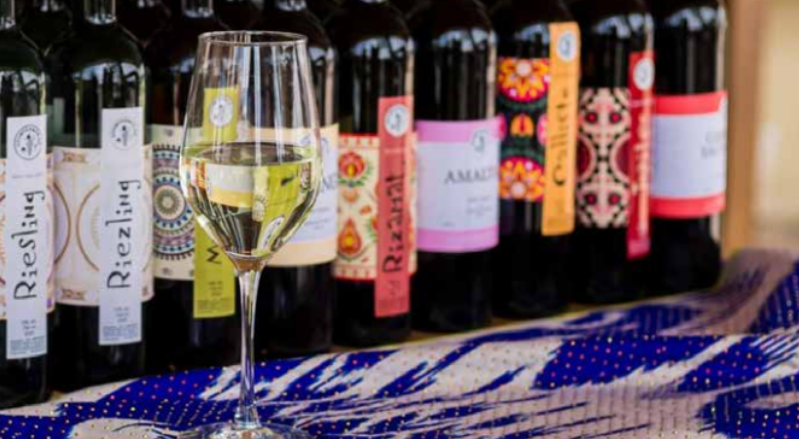
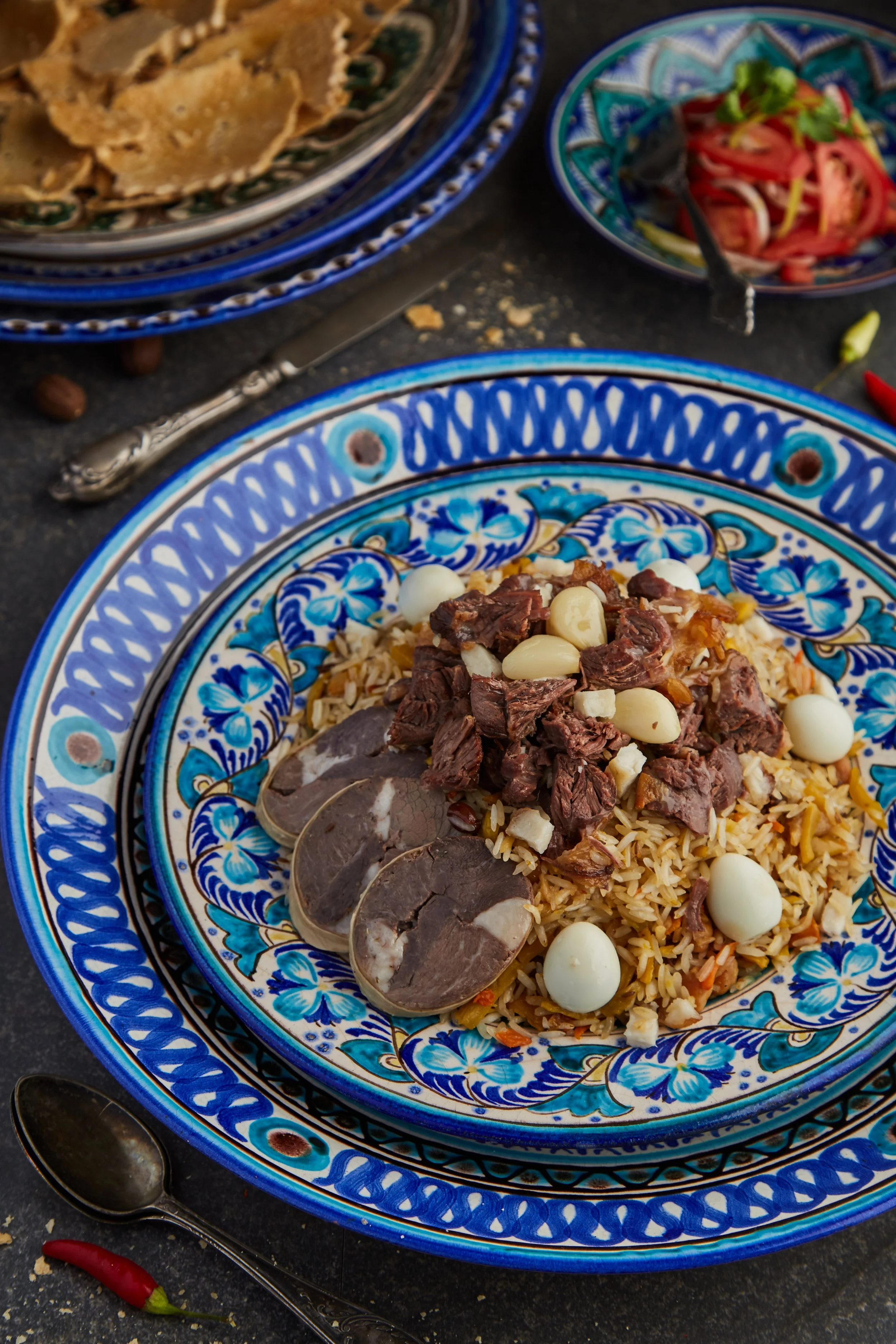
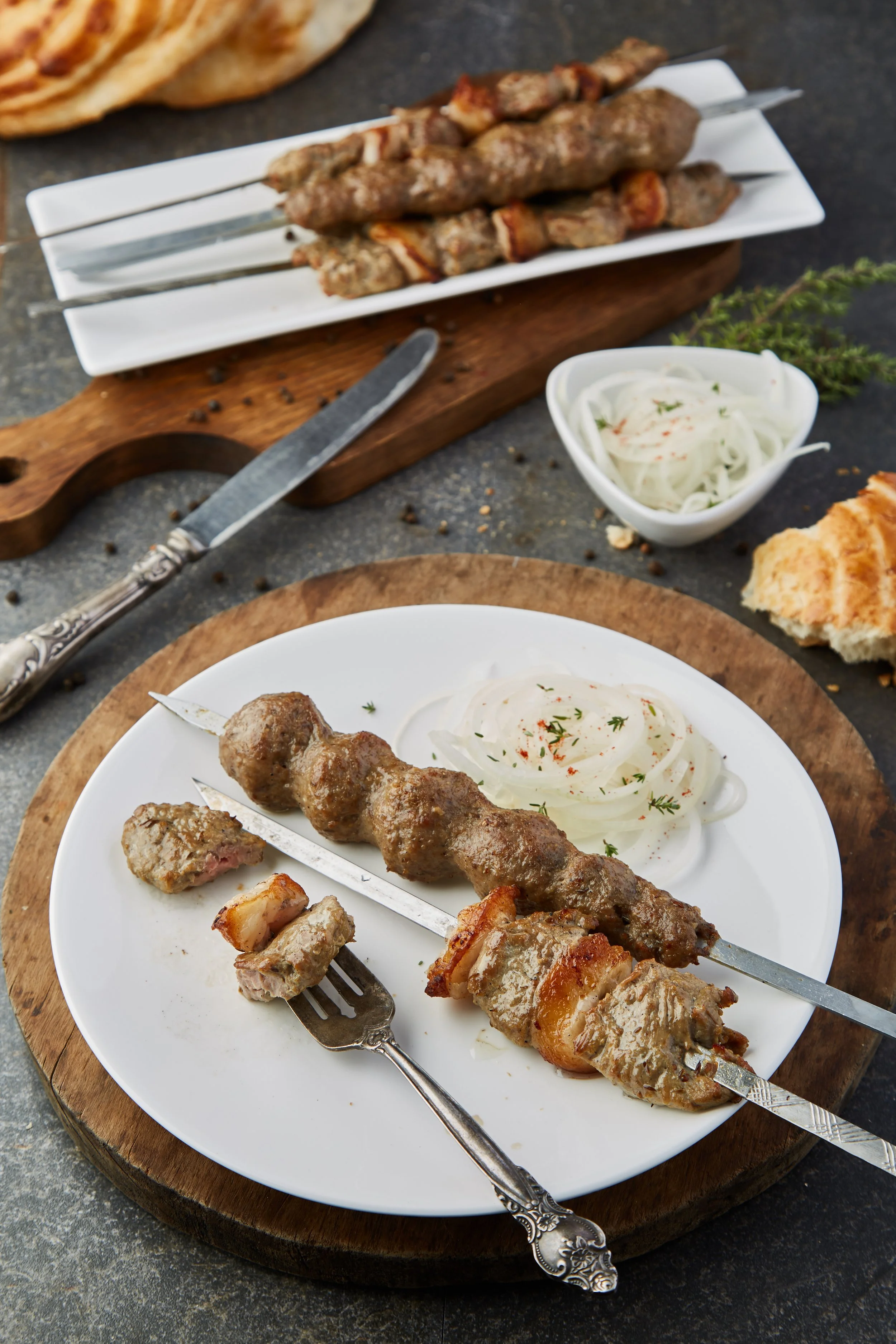
Wines goes well with Uzbek dishes because we love unexpected combinations,” says Oleksandra. “For example, lagman (pulled noodles with meat) or any spicy dish goes well with semi-sweet wines like riesling or muscat.” It is Uzbekistan’s scorching sun that makes semi-sweet wines a success here – the extra warmth increases the concentration of sugar in the grapes. But Uzbek cuisine is diverse enough that almost any type of world wine can find its food pair here. Plov, the national dish (rice pilaf cooked in broth), is best eaten with more acidic wines, which balance the high fat content in the dish. So, for example, a New Zealand sauvignon blanc paired with plov offers a very pleasant tasting experience. For a more local varietal, a dry riesling is a great choice with plov. Kebabs and grilled meats, meanwhile, pair best with barrel-aged wines, particularly reds like cabernet sauvignon, pinot noir and saperavi.
Uzbekistan’s cuisine is full of hearty dishes, like dymlama (meat and vegetable stew), khanum (steamed dough roll stuffed with potato, onion, seasonings and tomato), and manti (dumplings). These are best matched with white wines, particularly the local Bayan Shirey varietal. Like wise, soups, such as mastava (meat and rice soup) and shurpa (lamb and vegetable soup), go well with an aged white wine like chardonnay. The presence of acidity in this type of wine helps balance the meat-based broth.
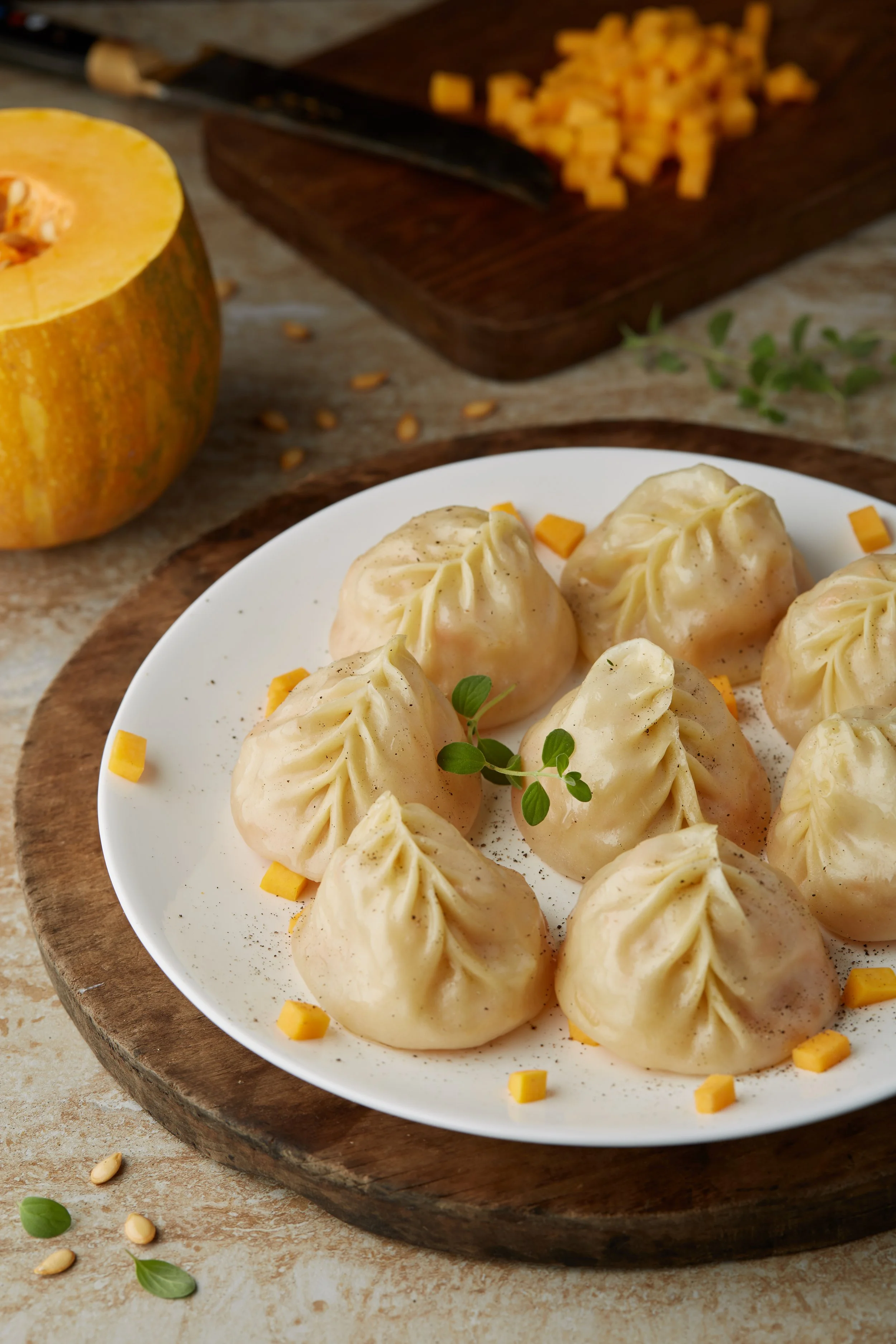
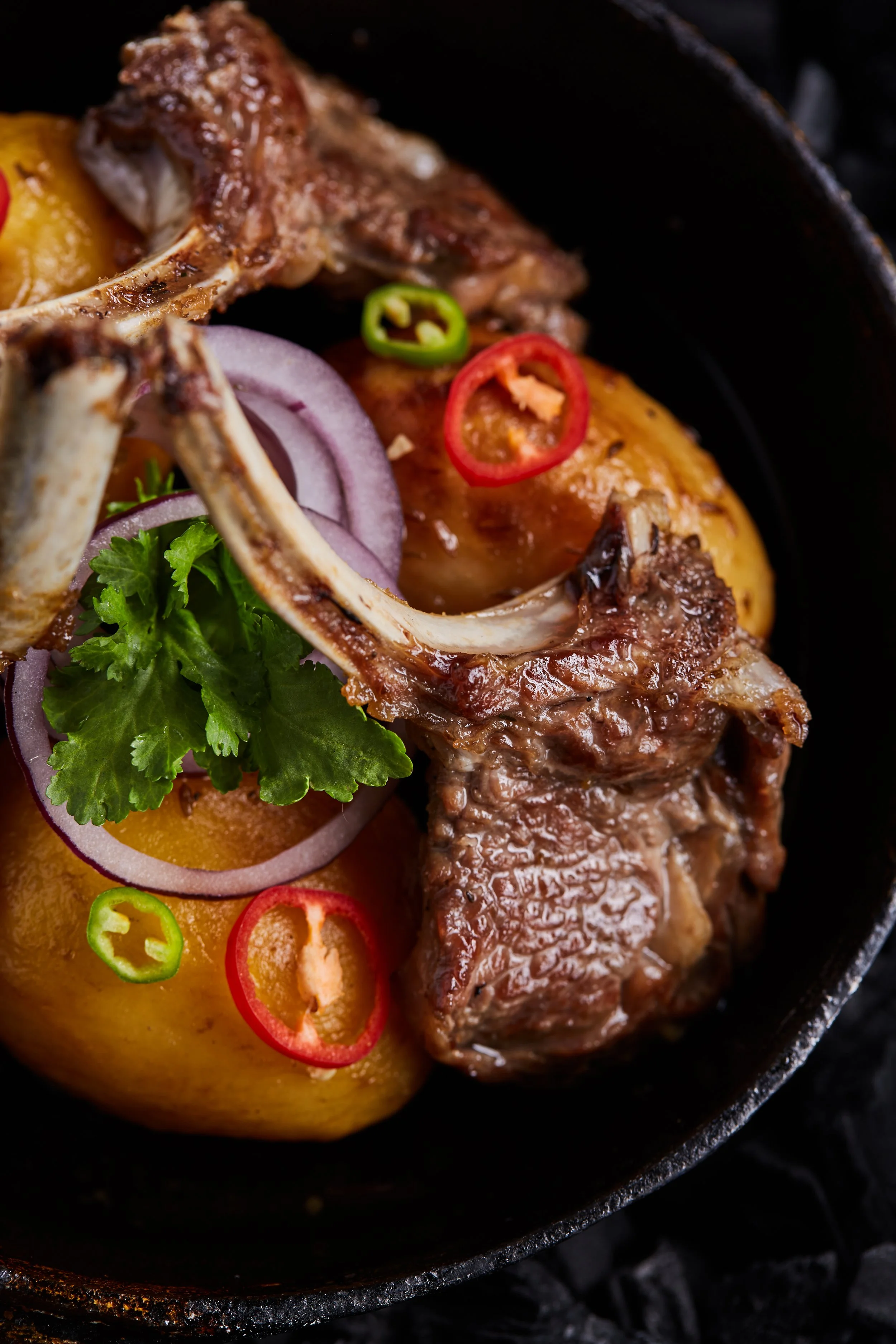
Golden Rules of Pairing:
There are countless options for combining wine with Uzbek food always trust your own tastebuds first. But there are a few general rules that can inform the best pairings:
Dry white wines should be paired with salty and spice-heavy dishes.
High-acid wines, like sauvignon blancor riesling, go best with fatty foods, soups and Uzbekistan’s famous pastries.
Barrel-aged wines and ripe reds pair well with grilled meats.
Sweets, such as halva (local confection) and fruit go well with semi-sweet wines like muscat.
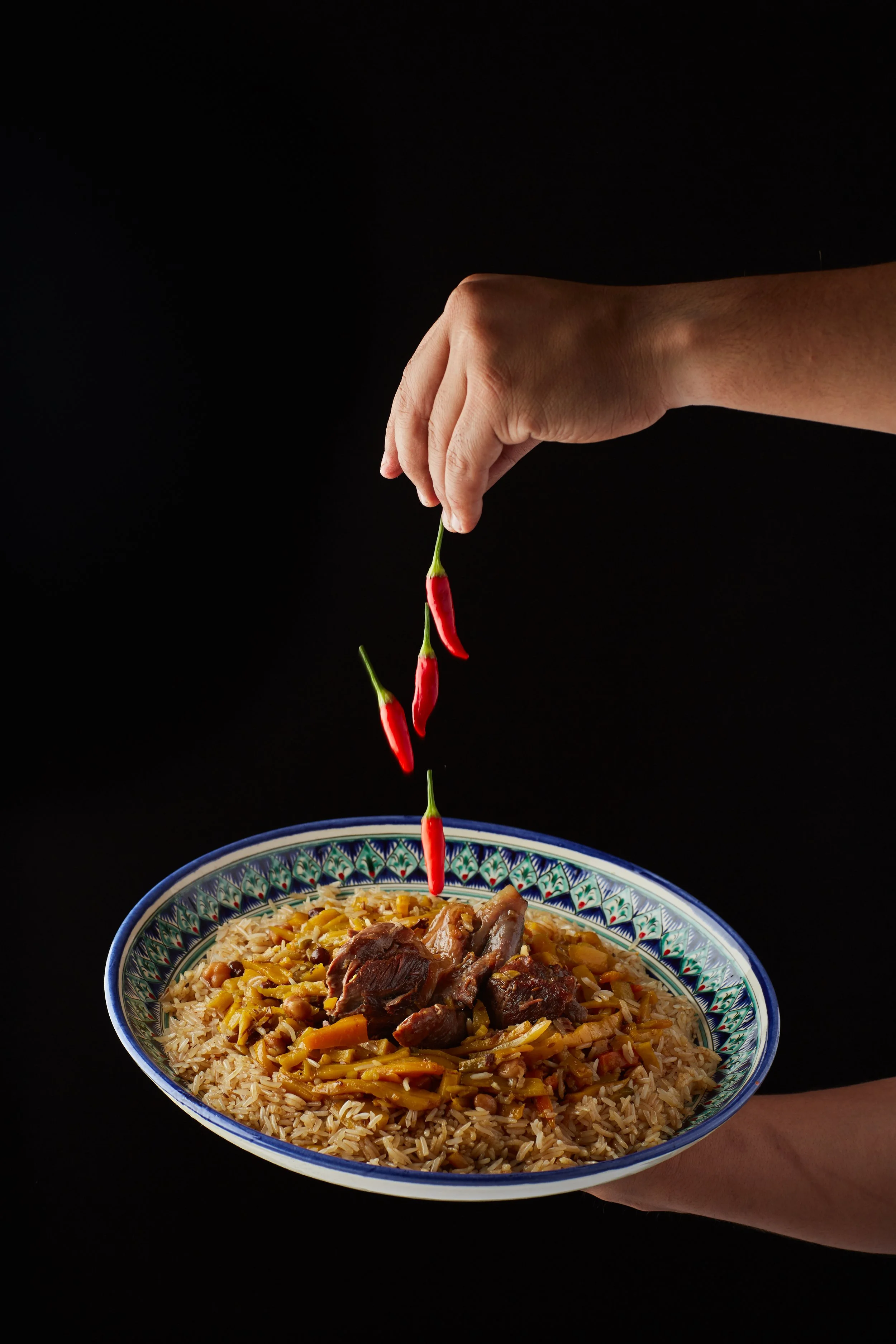
Oleksandra says that a wine should be chosen to complement, rather than spoil, the taste of the dish itself. “Something sweet shouldn’t be combined with a sour wine, because it would flatten the flavour. So, we can’t pair highly acidic wines with sweets. Likewise, if we're talking about salty or spicy dishes, then dry white wines work nicely. And for fatty, meat-based dishes, acidic wines are best,” she explains. The range of wines already available in Uzbekistan, including many locally produced varietals, is so diverse that there is no end to choosing dishes to match. In Uzbekistan, the potential for wine production is very great, as the country has a dry, sunny climate well-suited to winemaking.
“As interest in Uzbek made wine grows around the world, there are continued opportunities to showcase our national wines at the international level. It is a point of pride that more and more people abroad are interested in wine from Uzbekistan,” says Oleksandra. “We hope that, in the near future, Uzbekistan will be famous for making some of the best wines in the world.