Atlas Bayrami
Text and photos by Leena Bahtiyarova
Atlas Bayrami: A Tradition that Continues to Live
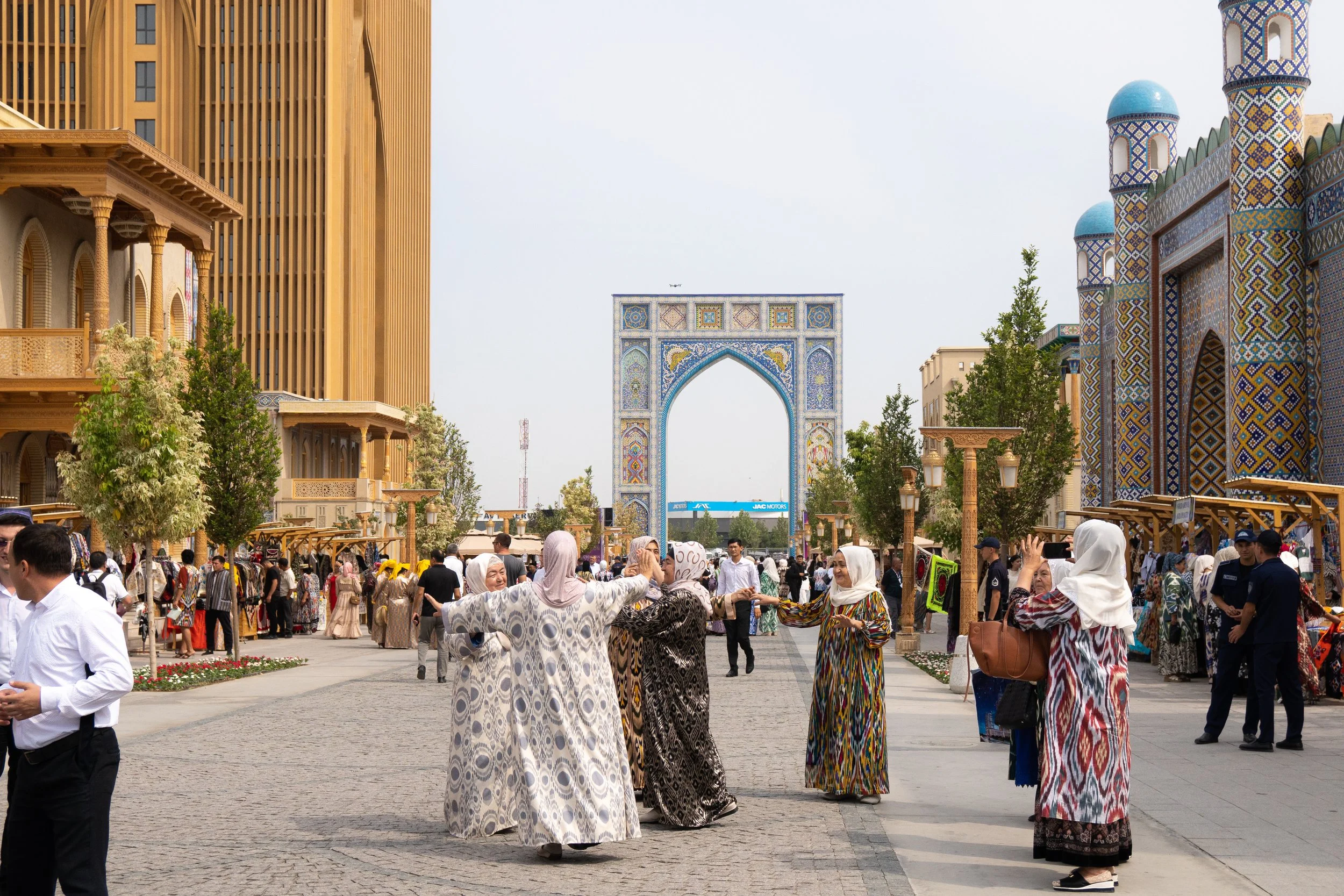
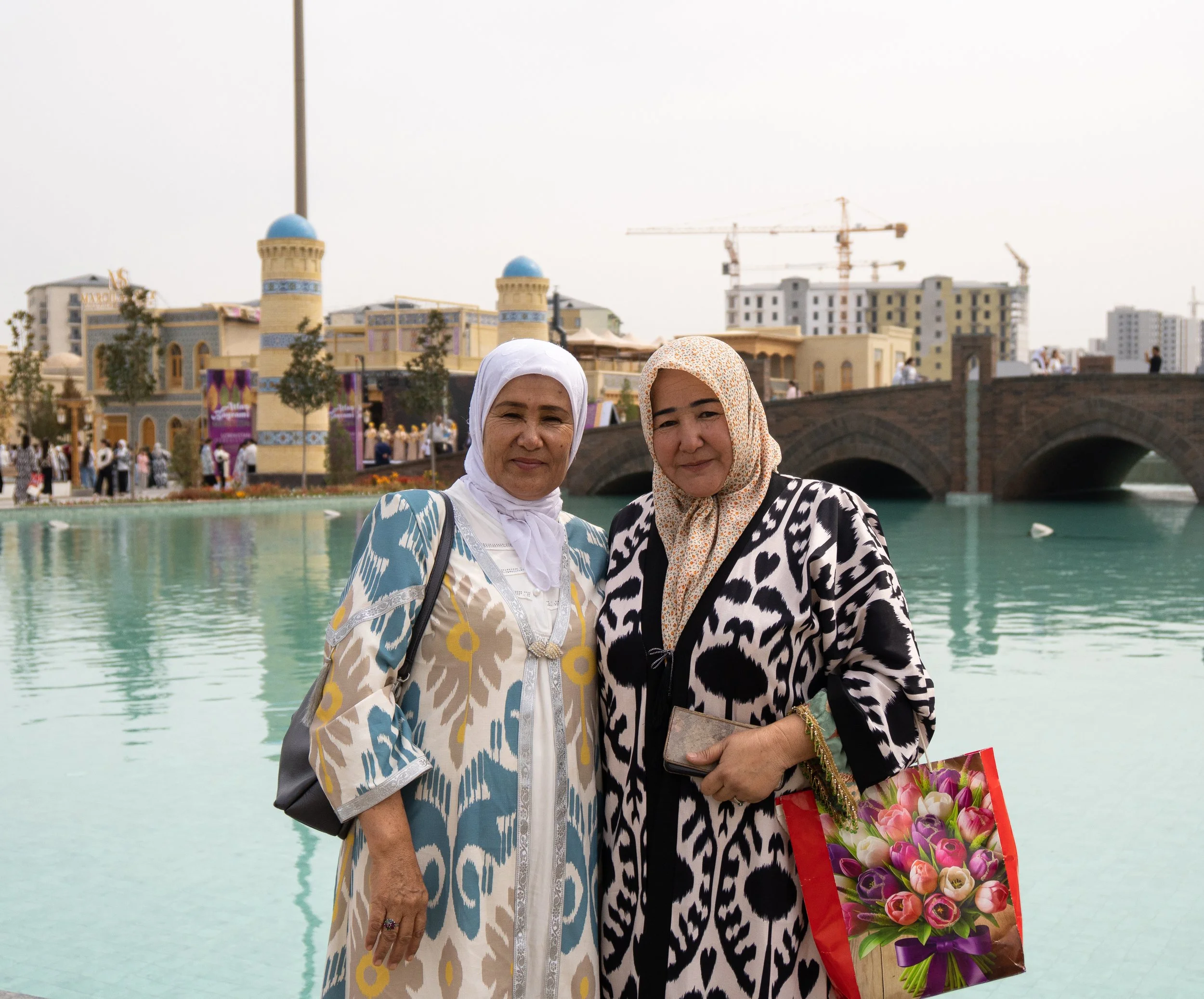
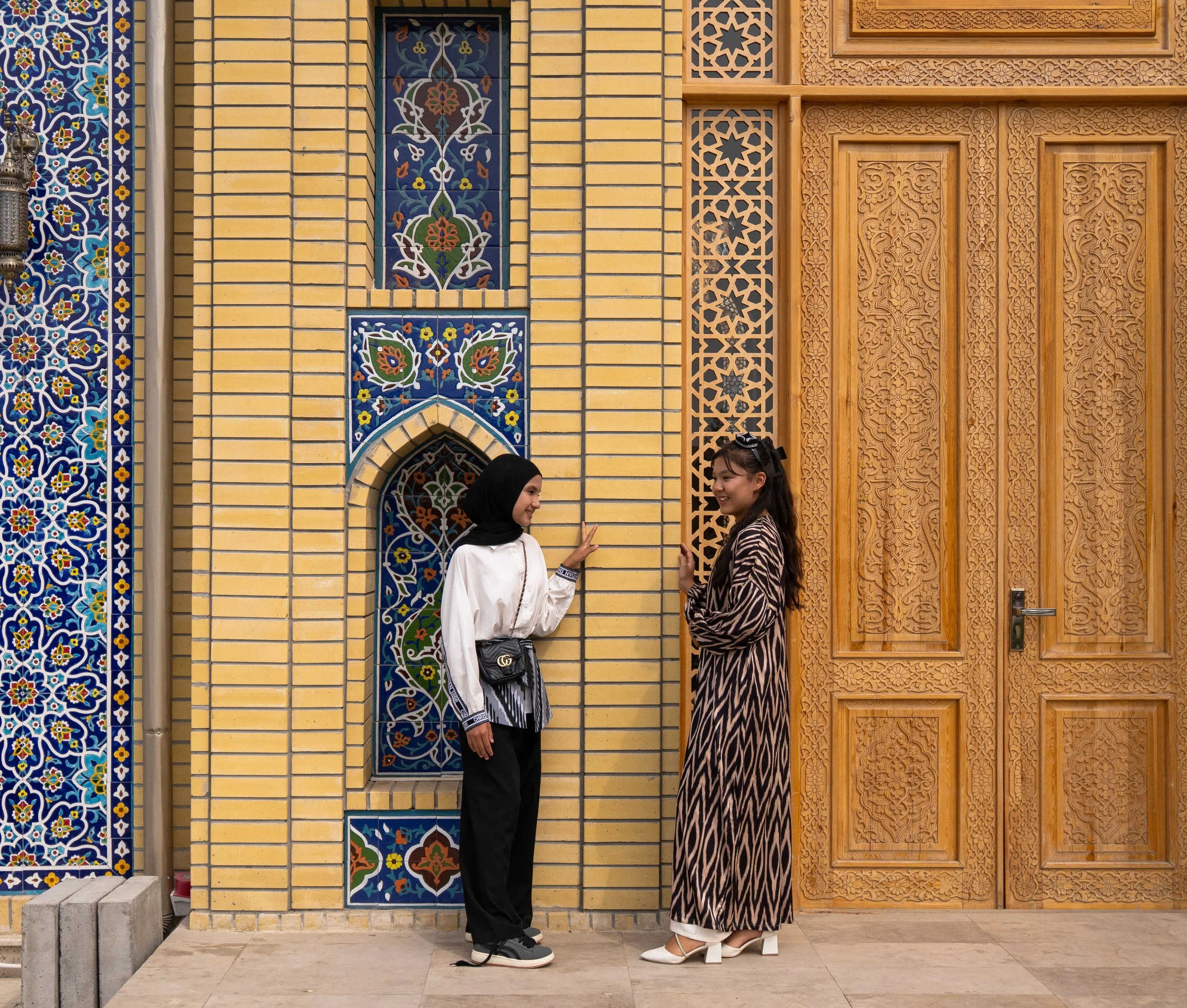
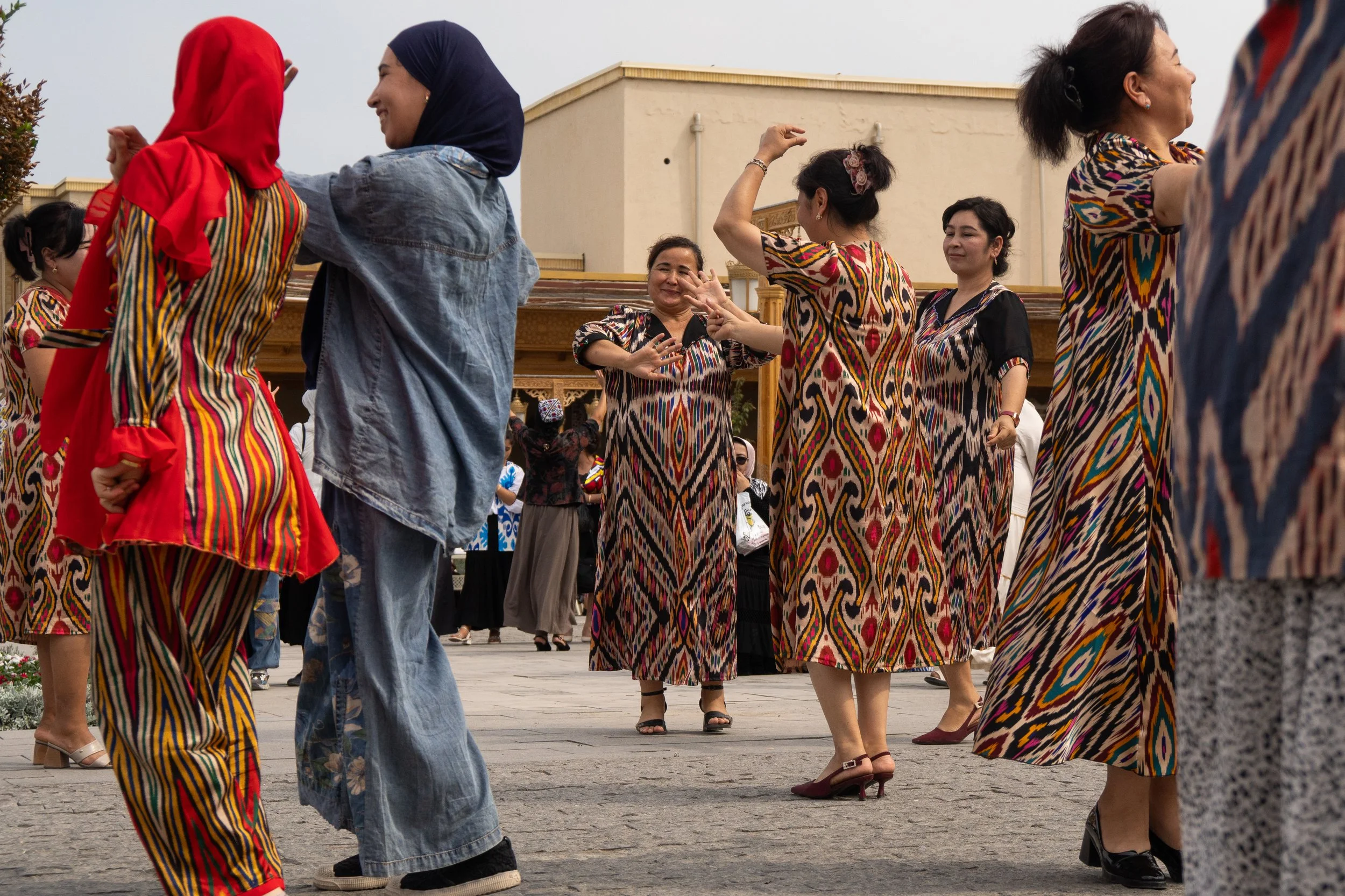
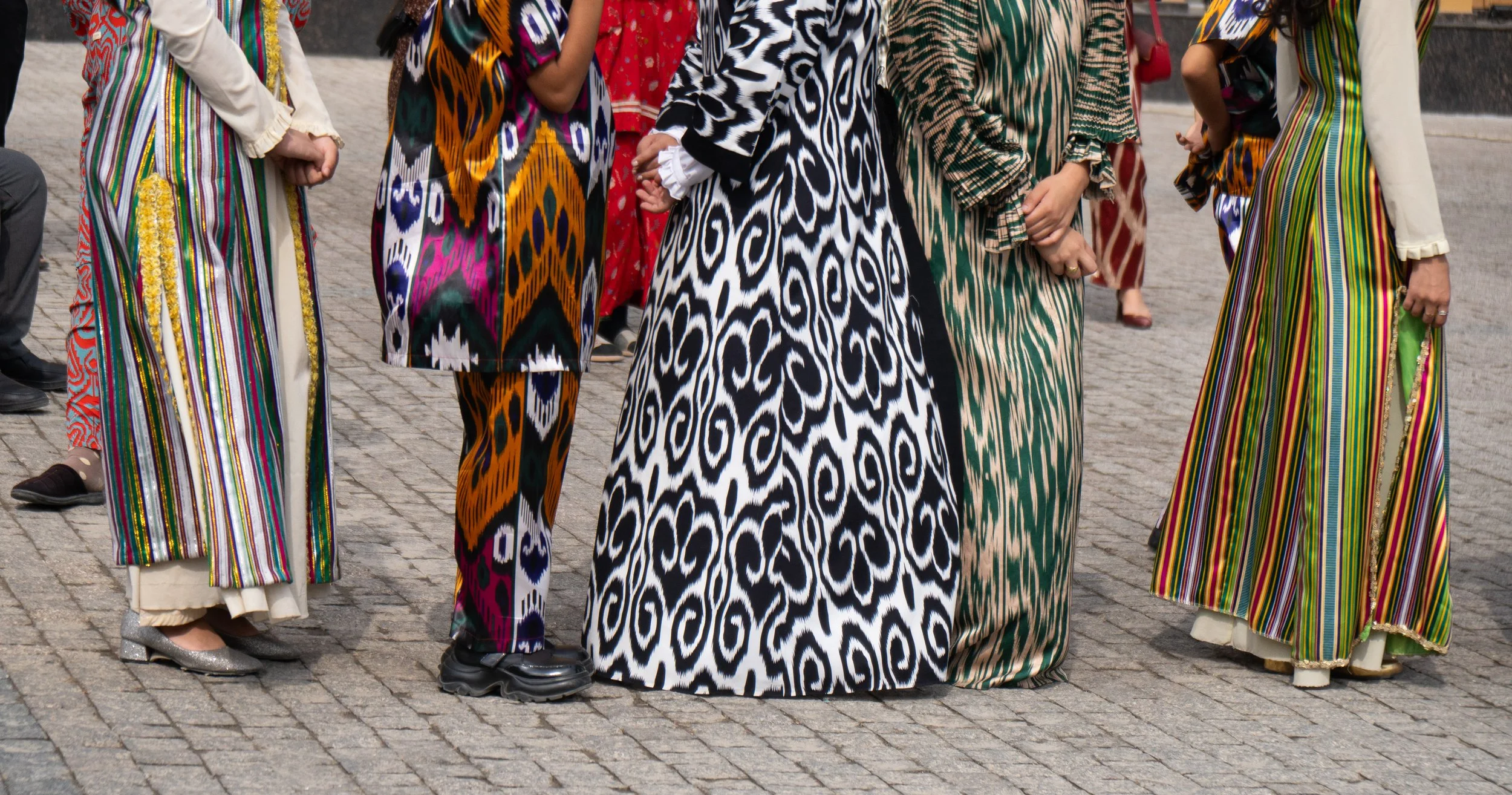
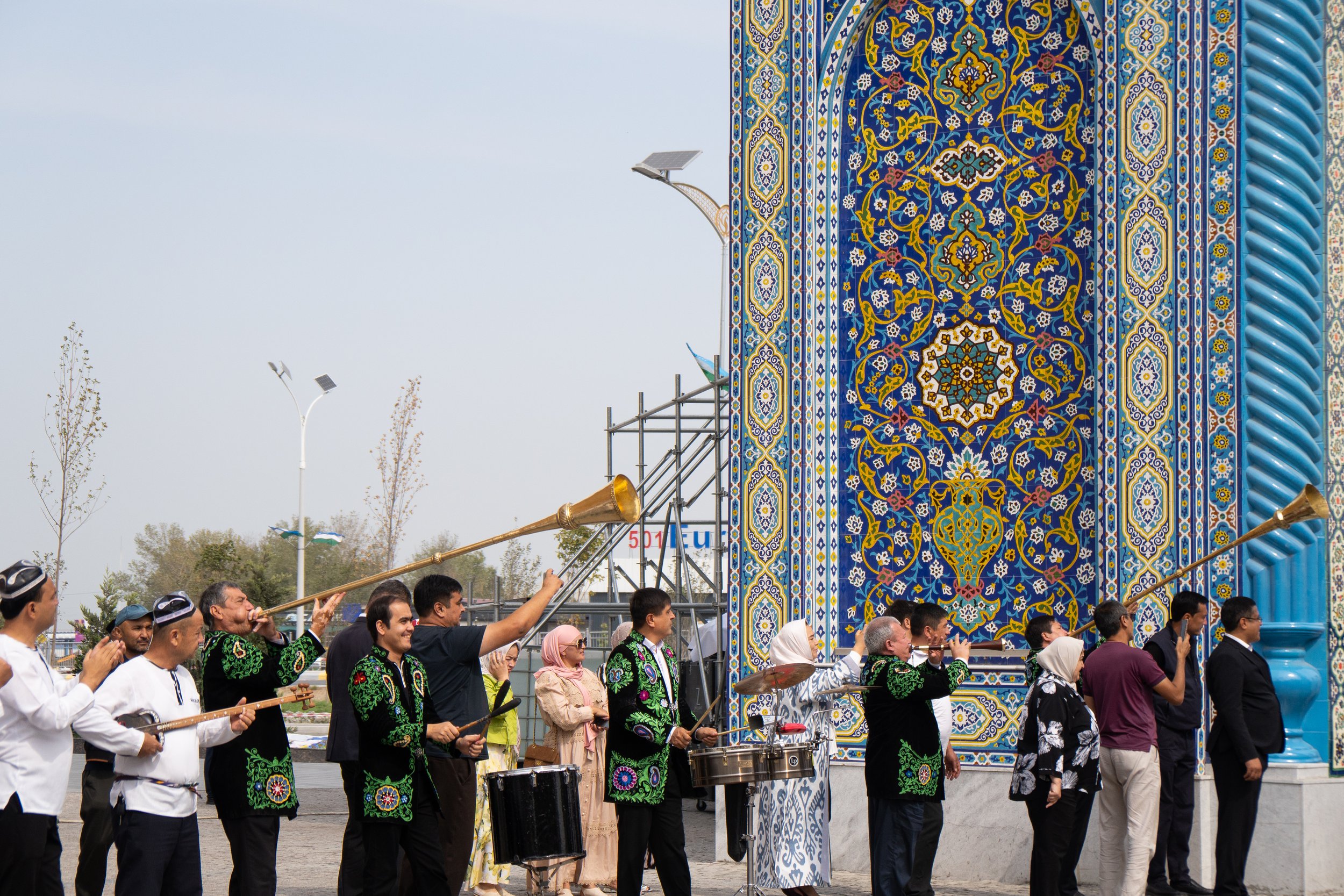
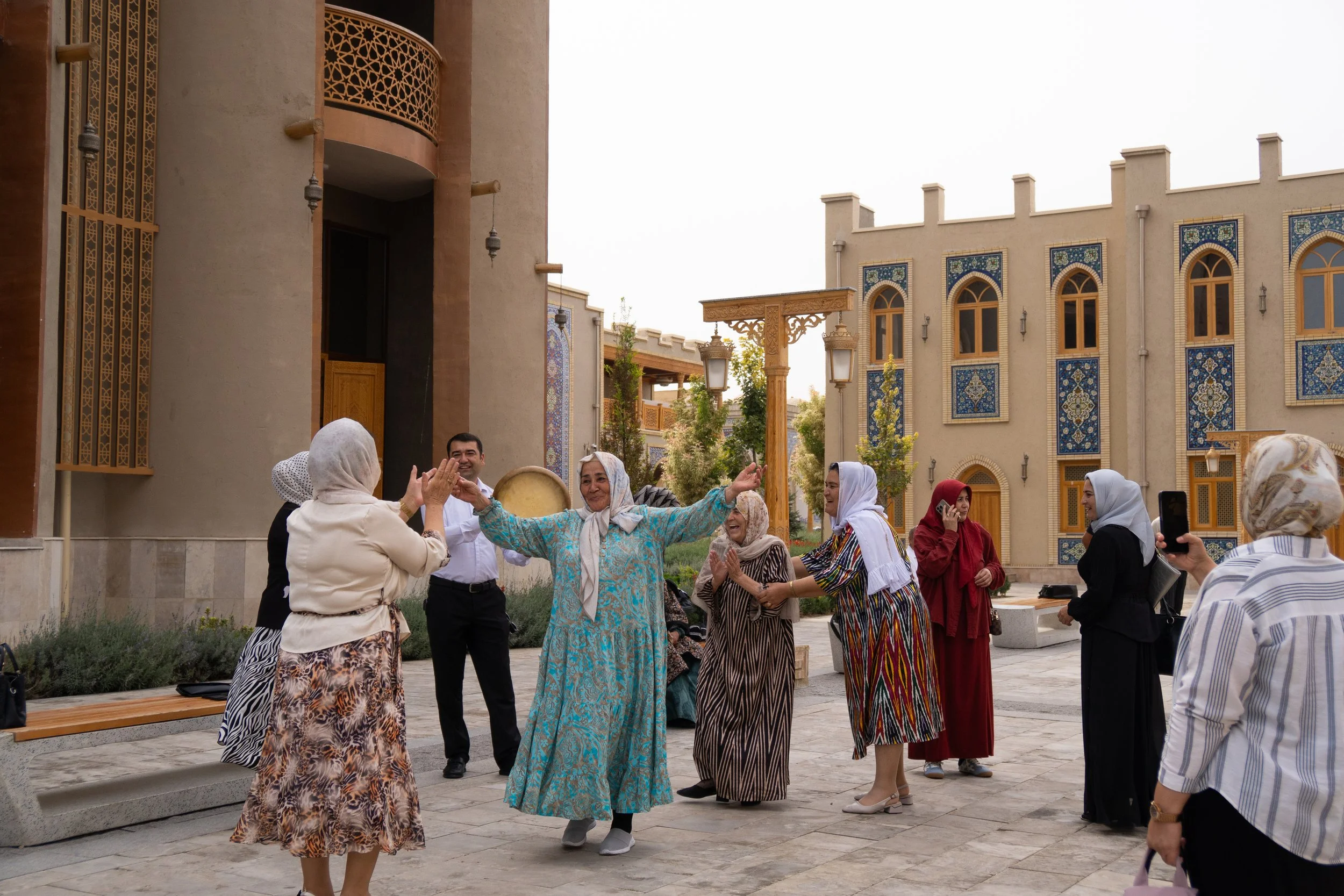
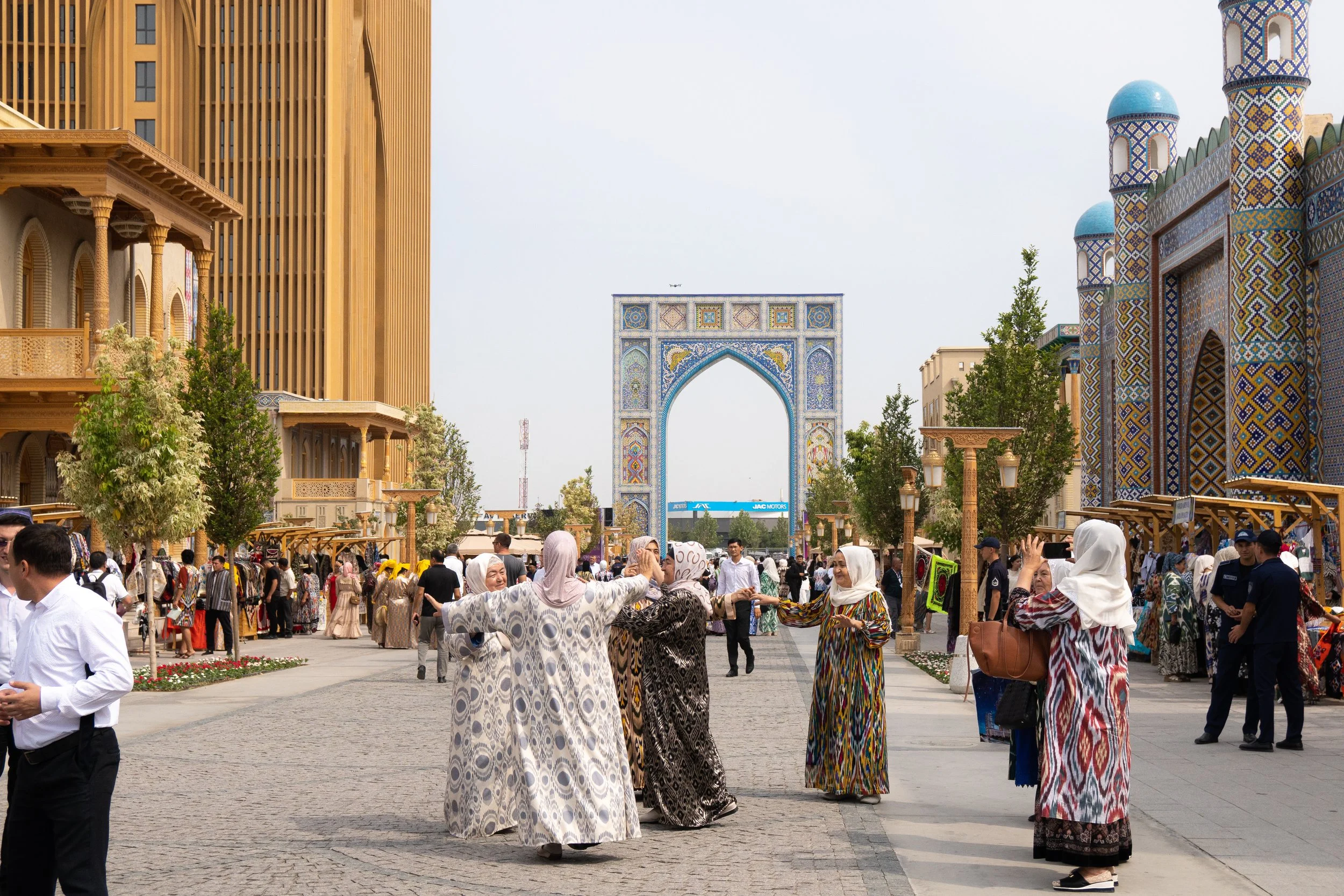
From 17th-19th September 2026, the city of Margilan hosted the 7th International Atlas Bayrami festival, bringing, once again, a spirited surge of energy to the ancient Silk Road trading hub. Proud locals welcomed visitors in colourful parades of national dress, uniting artisans, designers and textile industry specialists from around the globe.
Atlas Bayrami, translating to Atlas Festival, Holiday or Celebration, was first held in Margilan, in the south Fergana Valley region, in 2015. Supported by a number of key organisations including UNESCO and the “Hunarmand” Crafts Association, the festival aspires to celebrate and safeguard Uzbekistan’s unique cultural heritage and traditional textile production techniques.
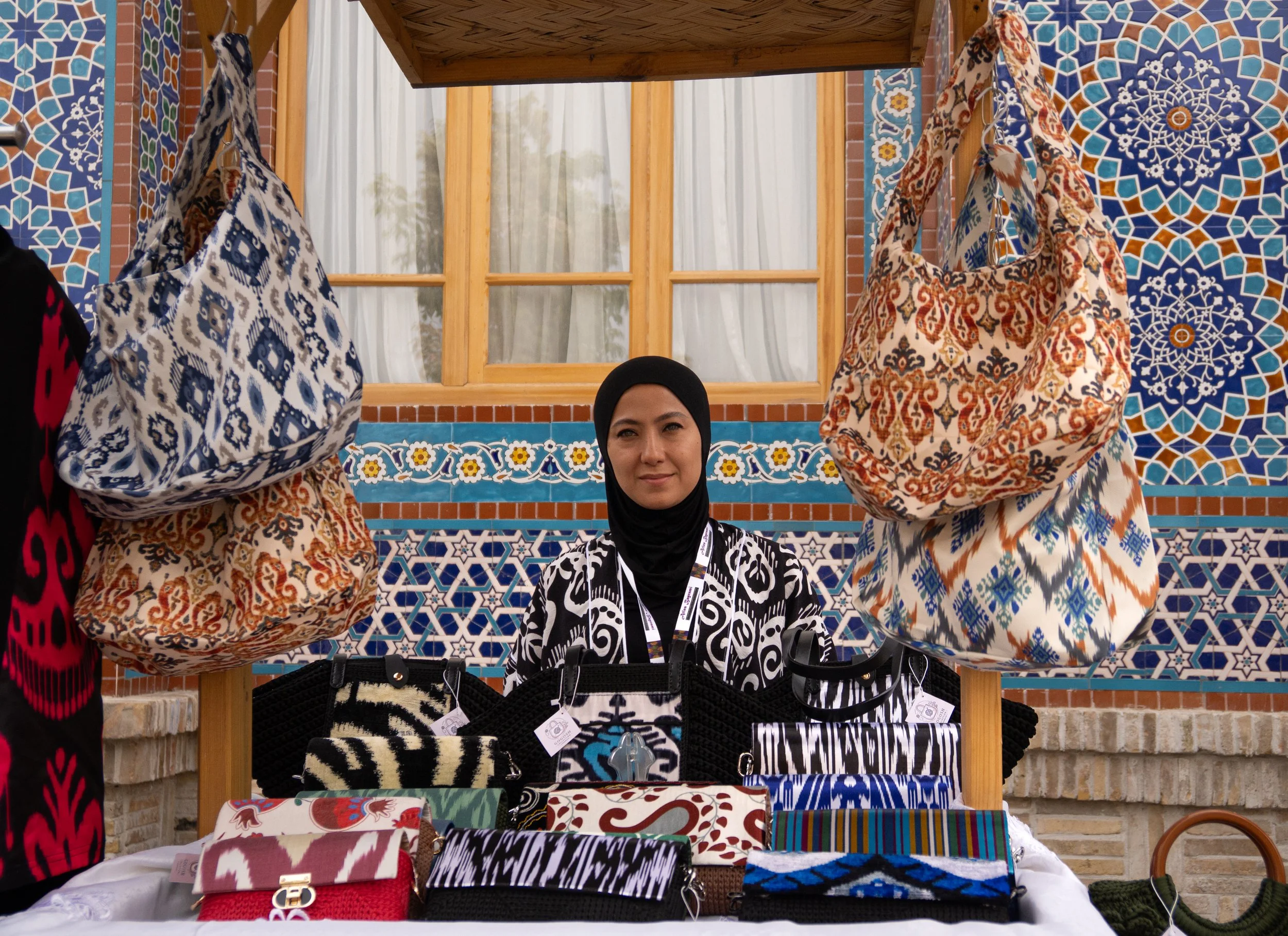
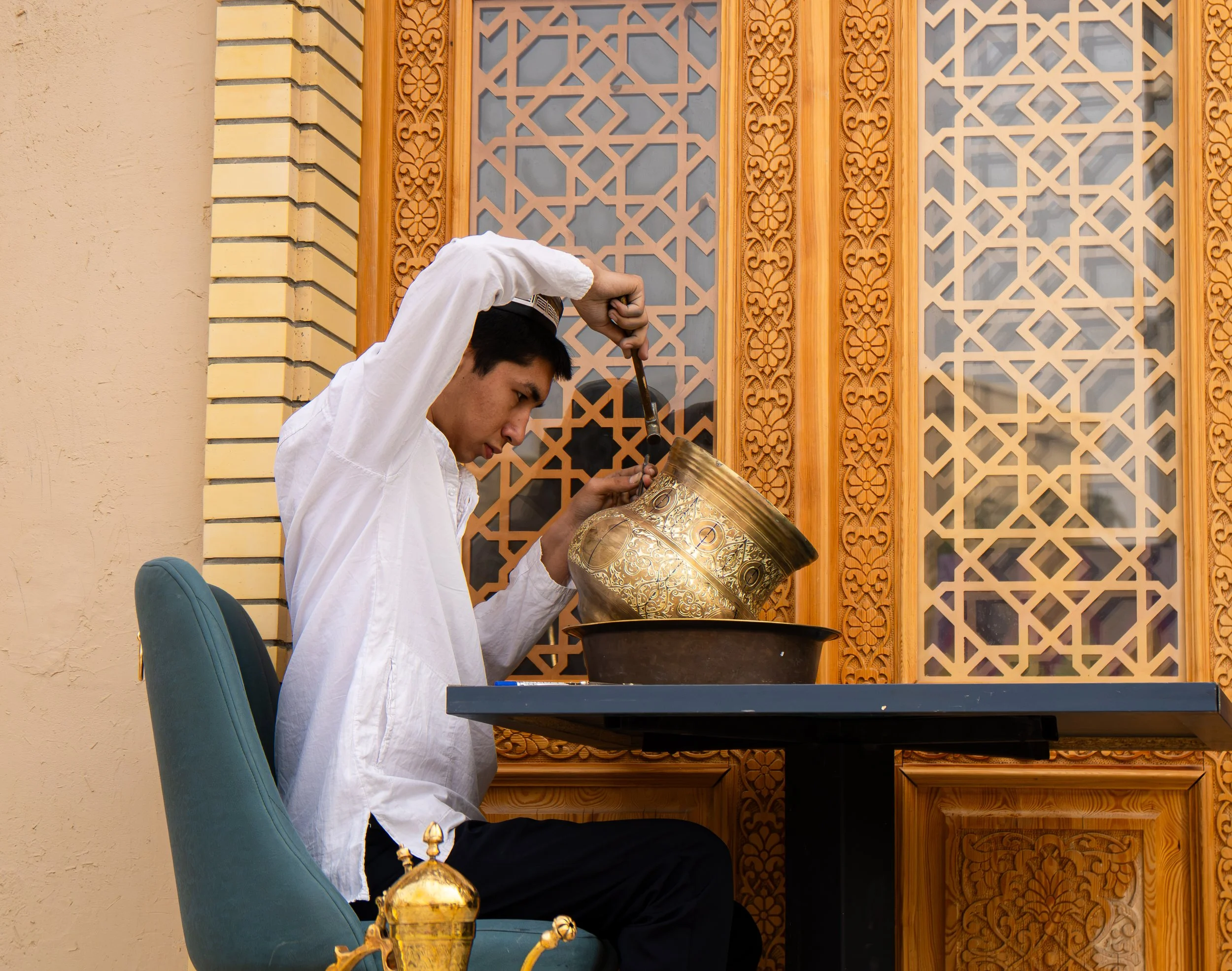
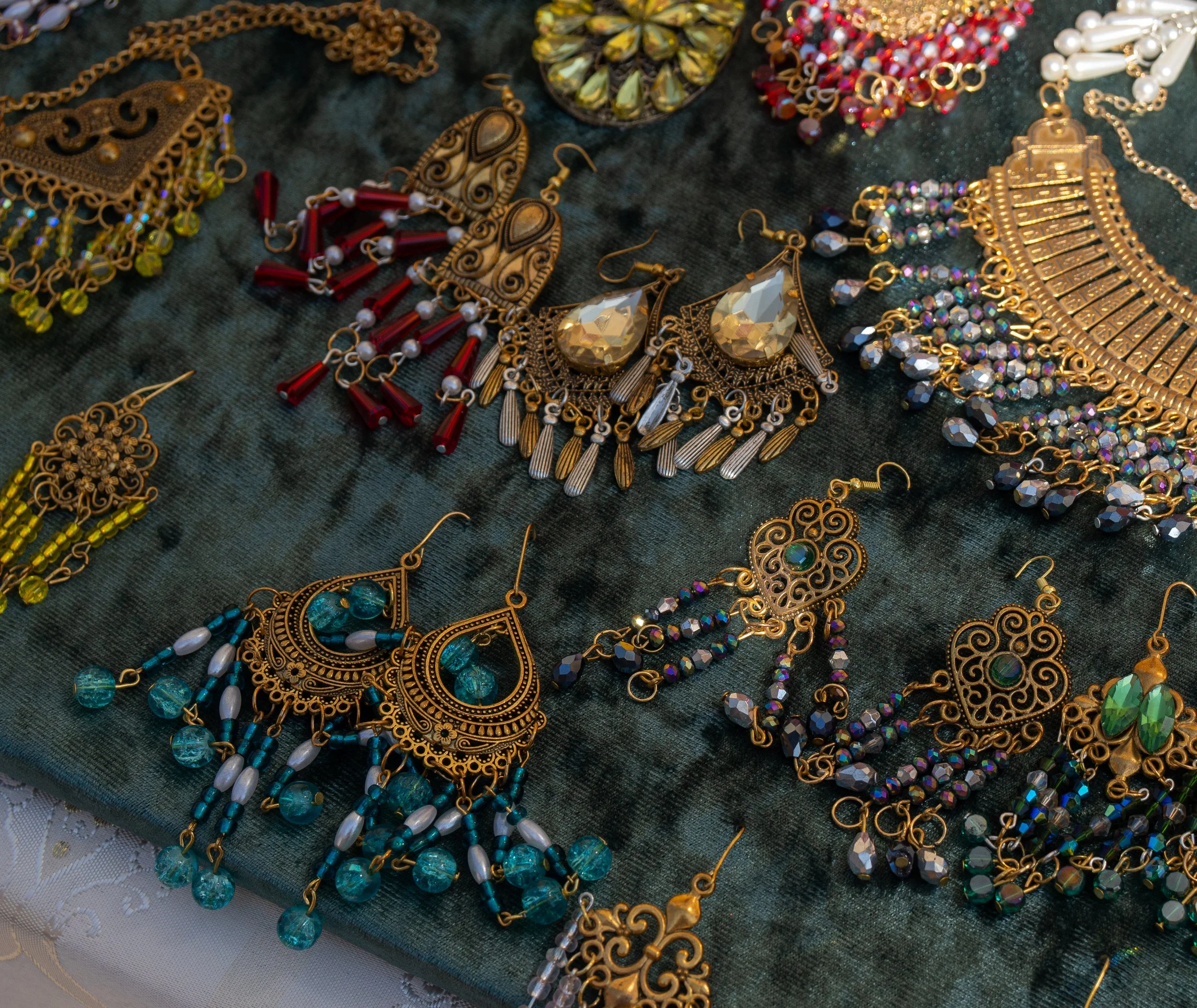
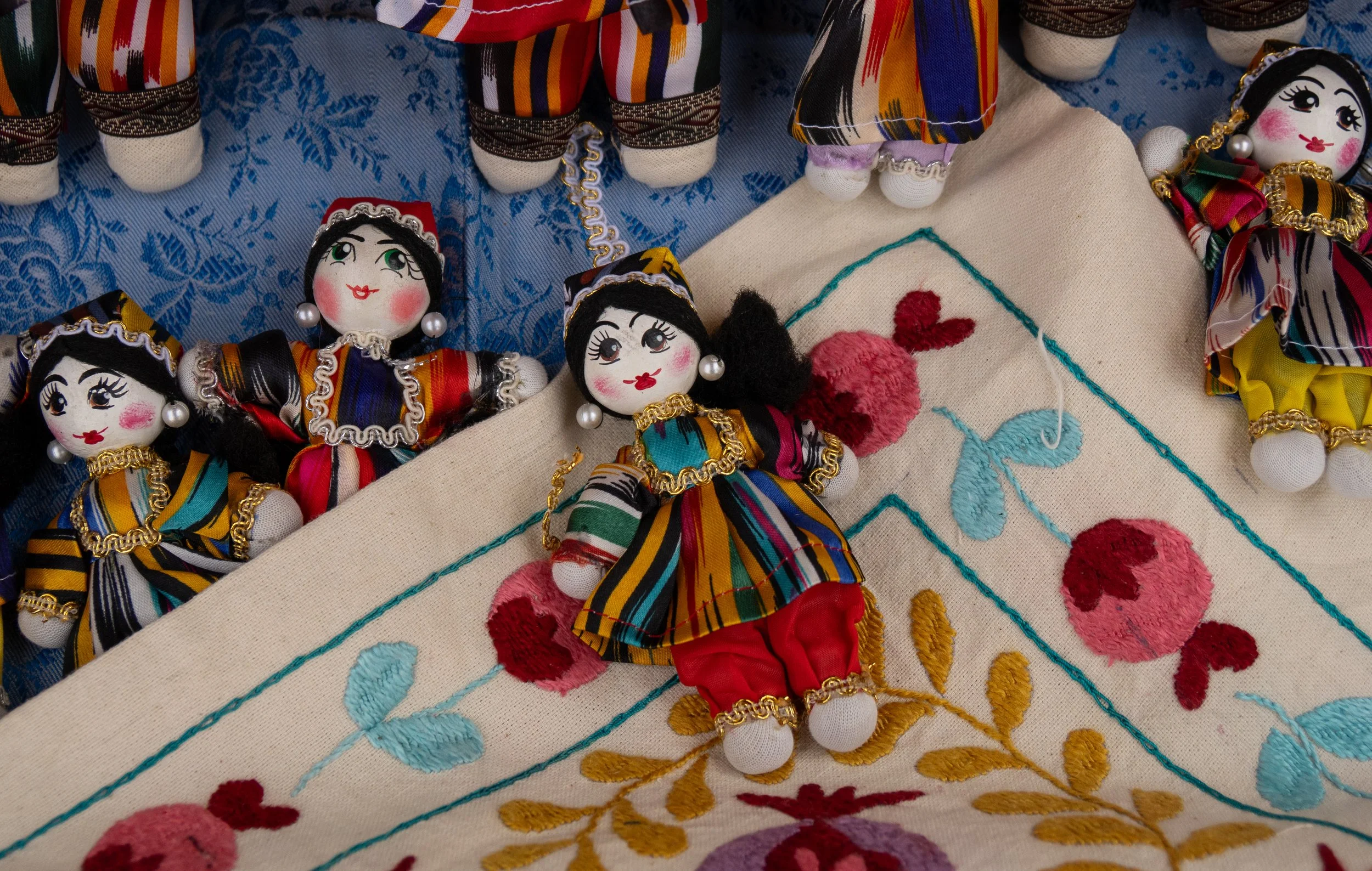
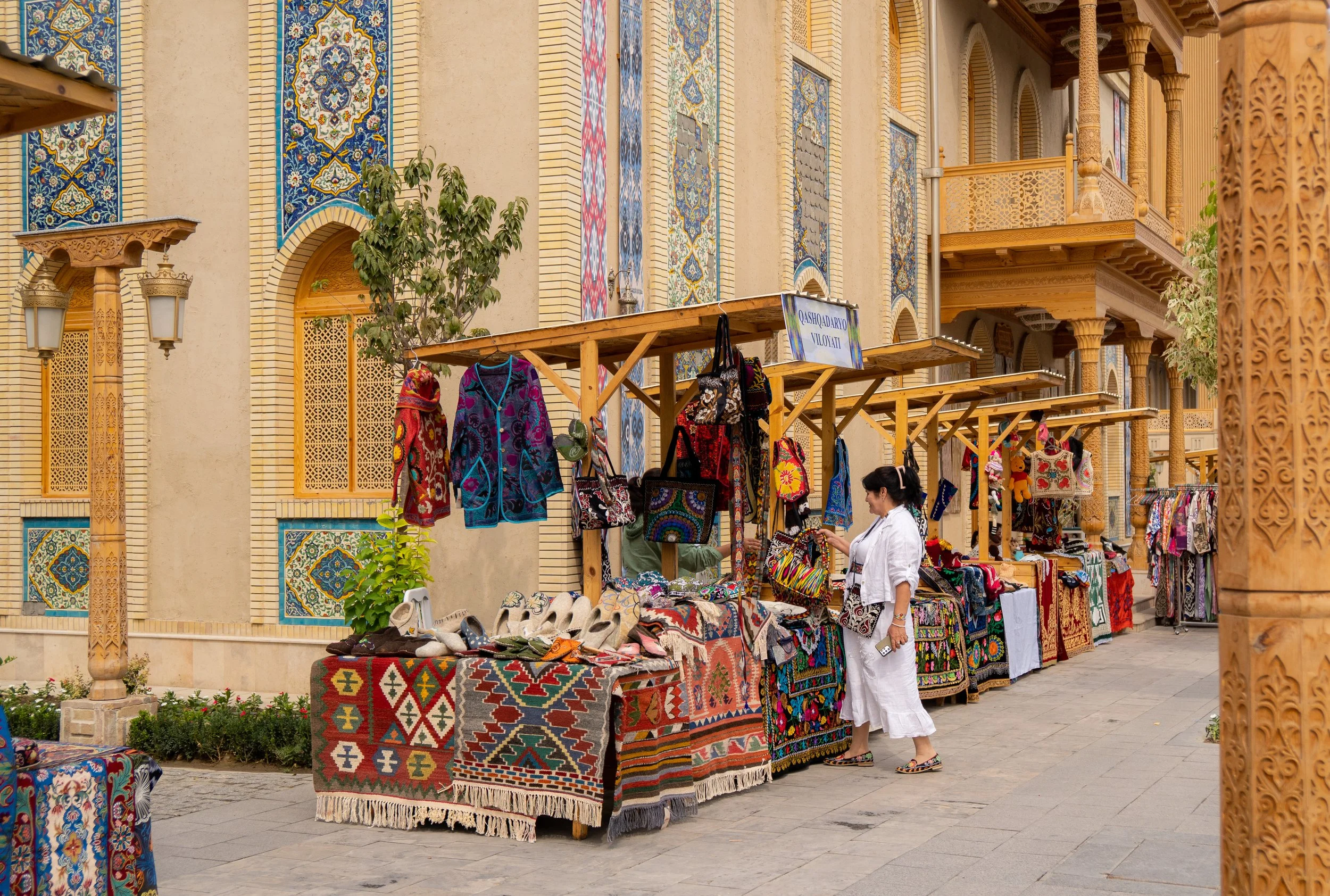
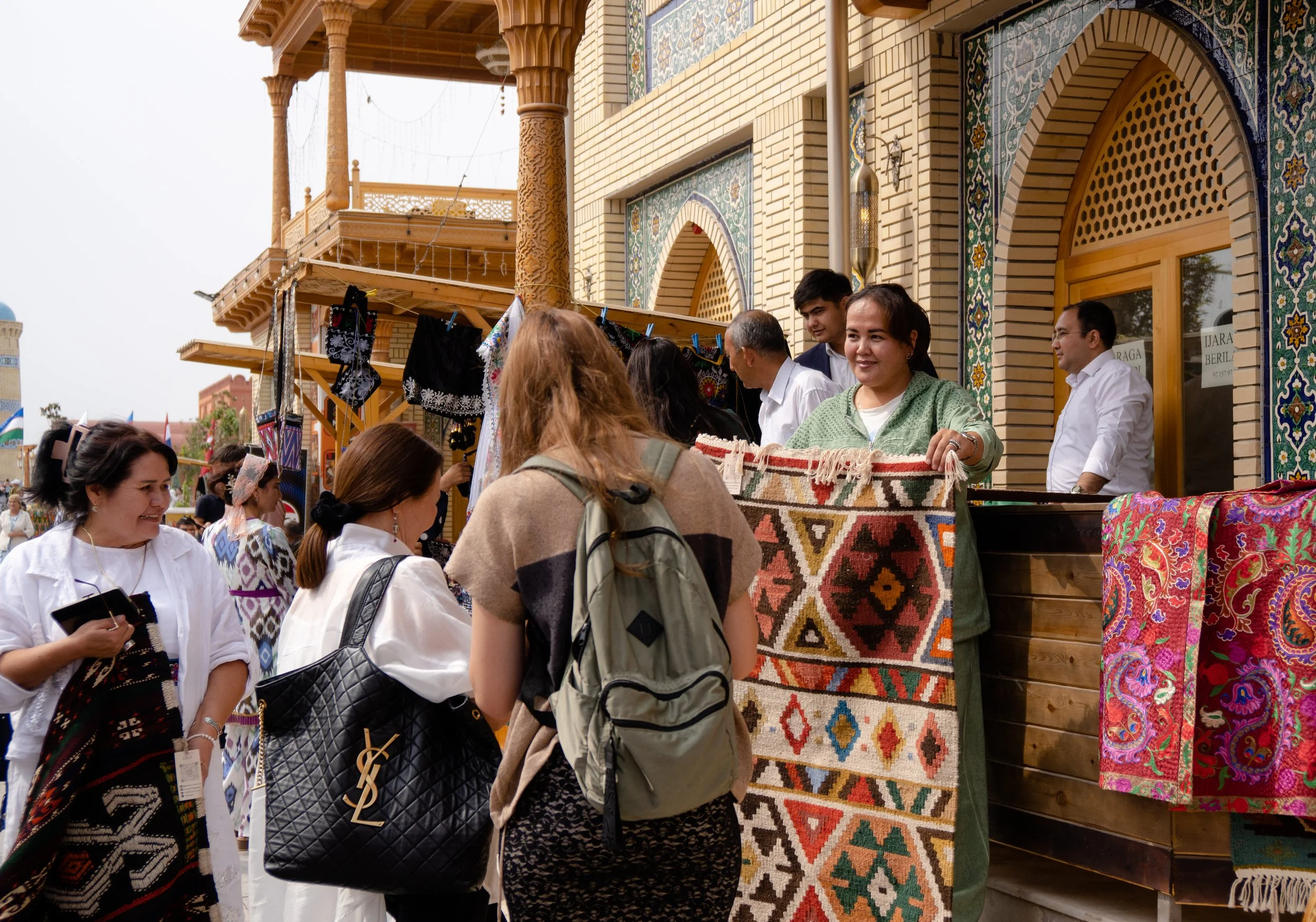
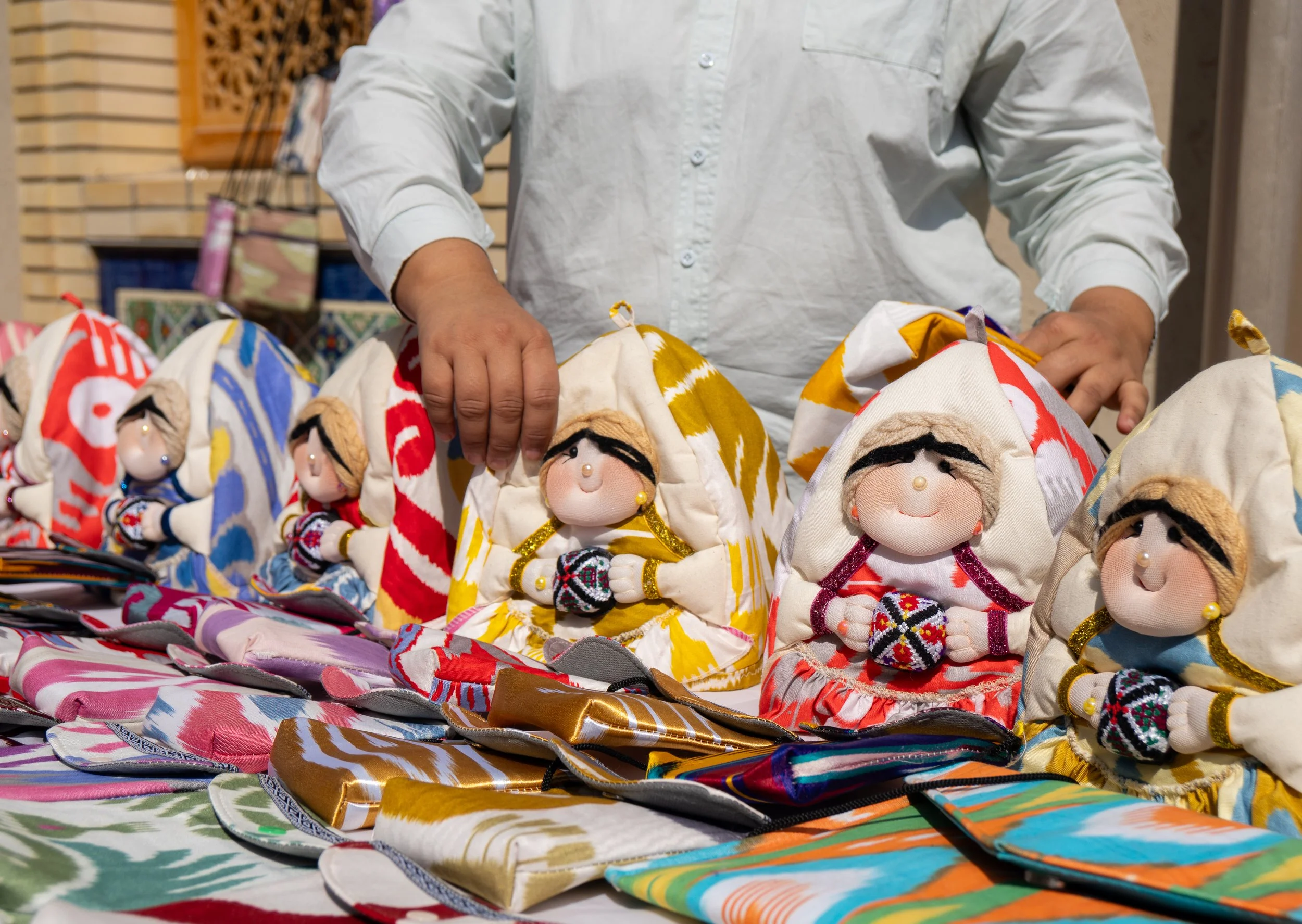
Each year, Atlas Bayrami grows larger and more magnificent, continuing to encourage the ongoing preservation of traditional textile techniques, and inspire their innovative use in contemporary fashion. Days at Atlas Bayrami can be spent immersed in the bustling traditional crafts fair, live performances, insightful sociocultural conferences, and public workshops.
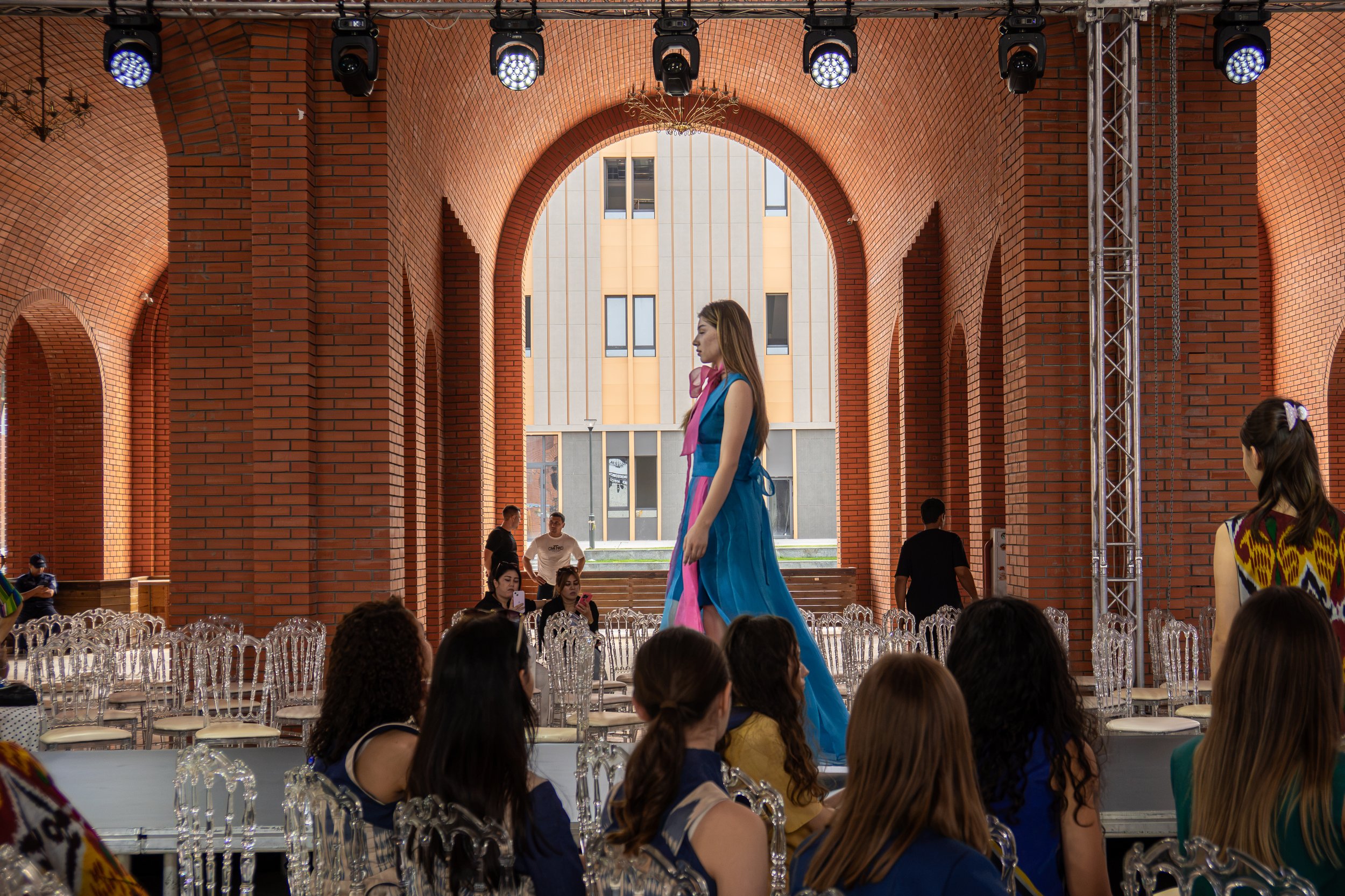
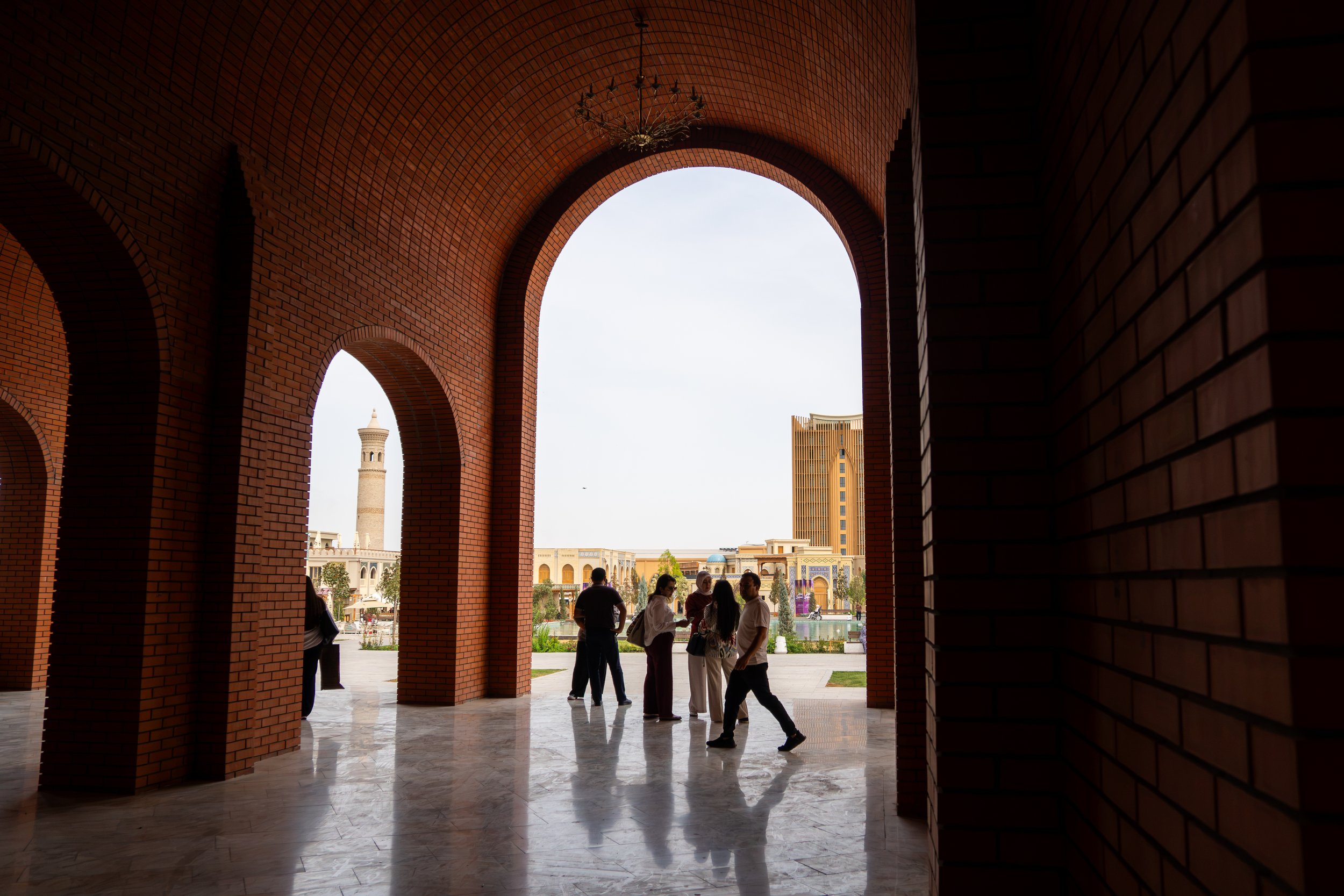
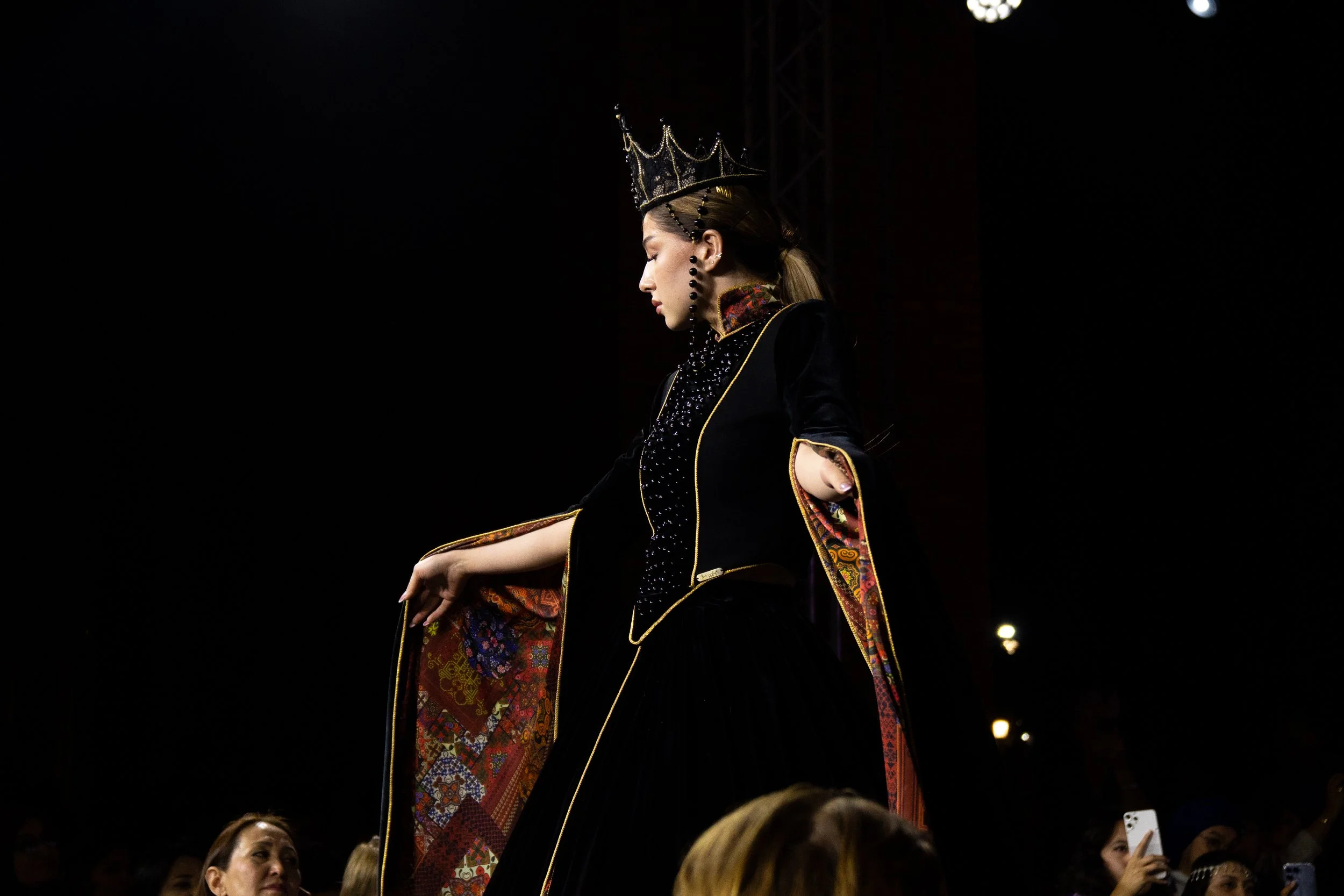
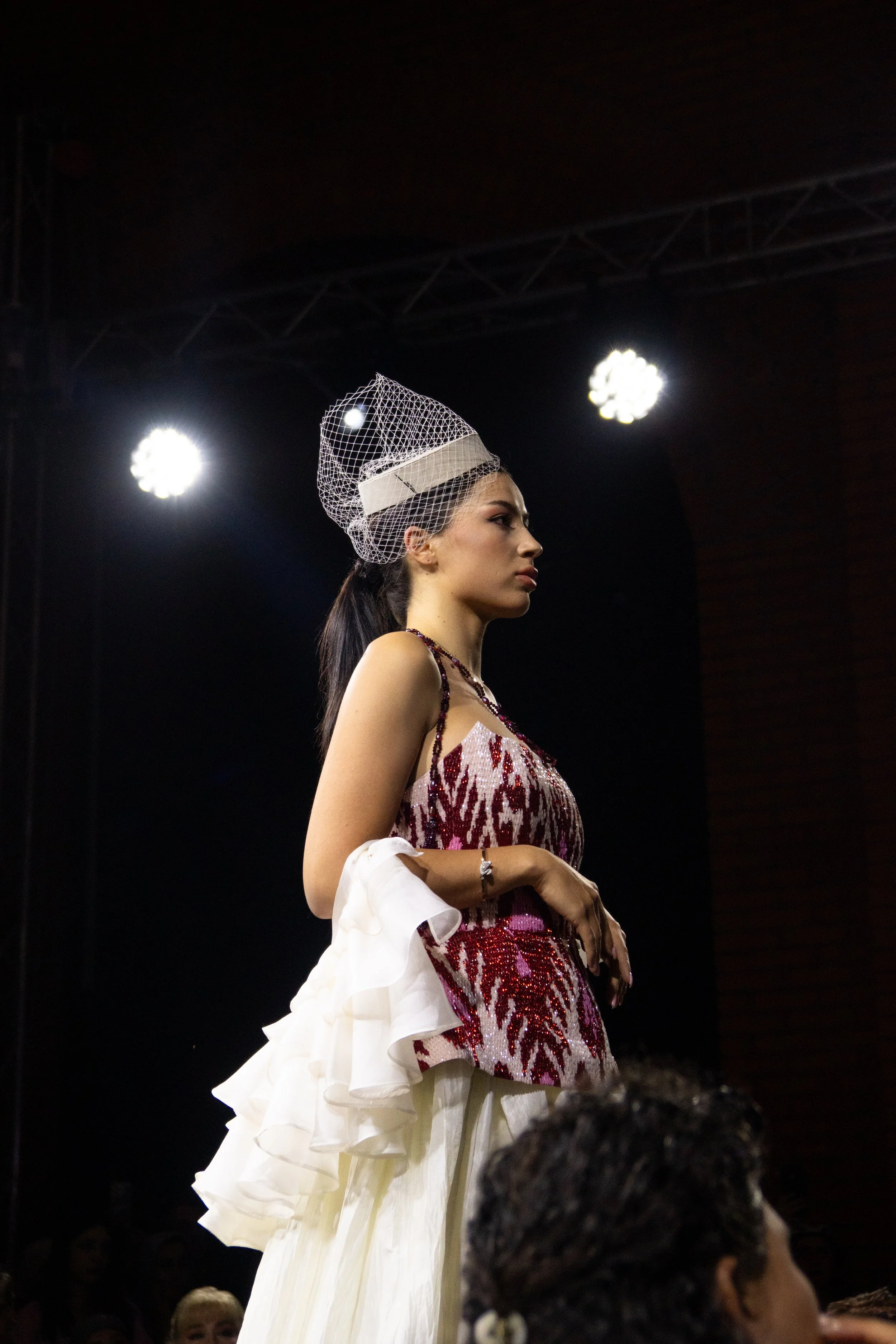
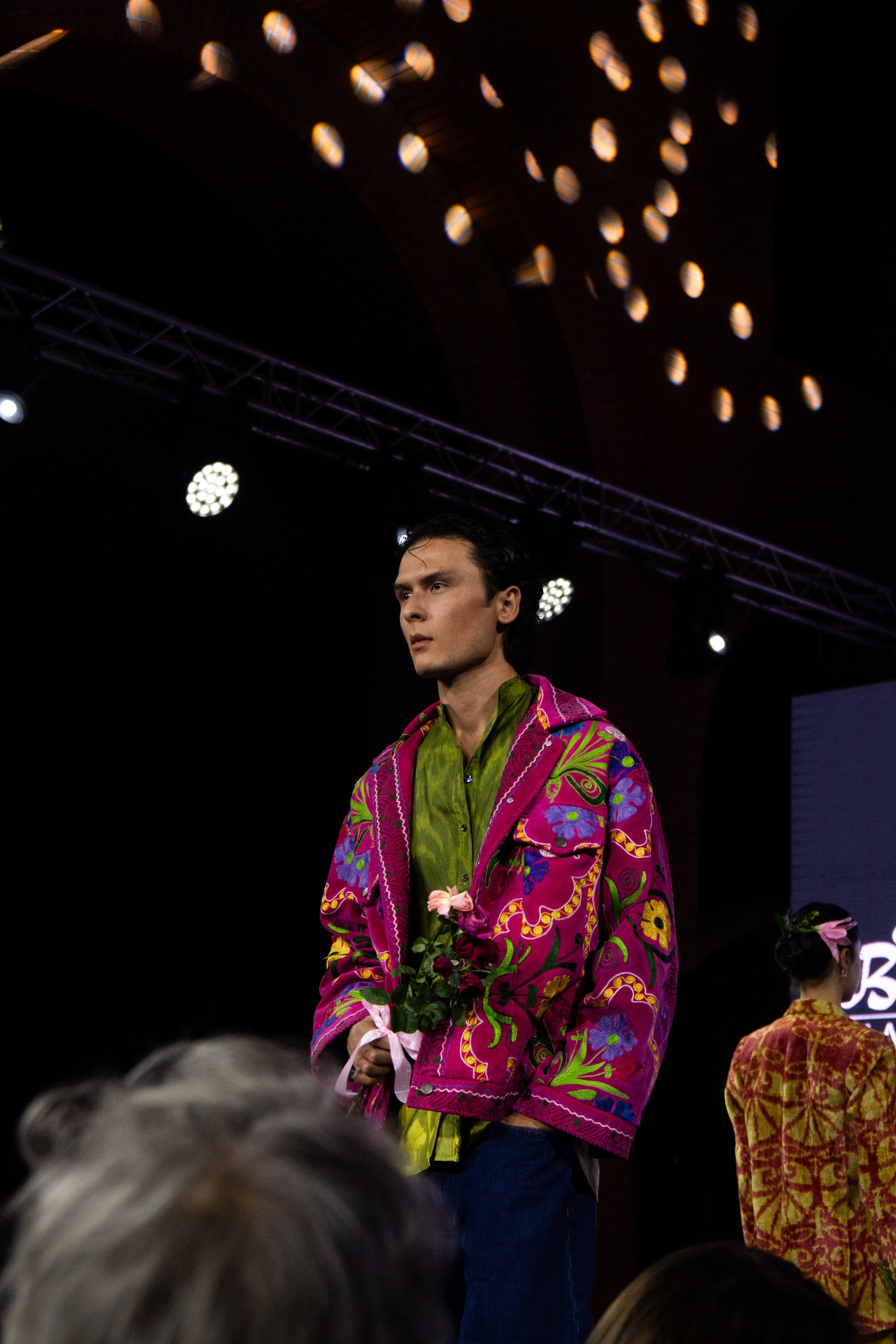
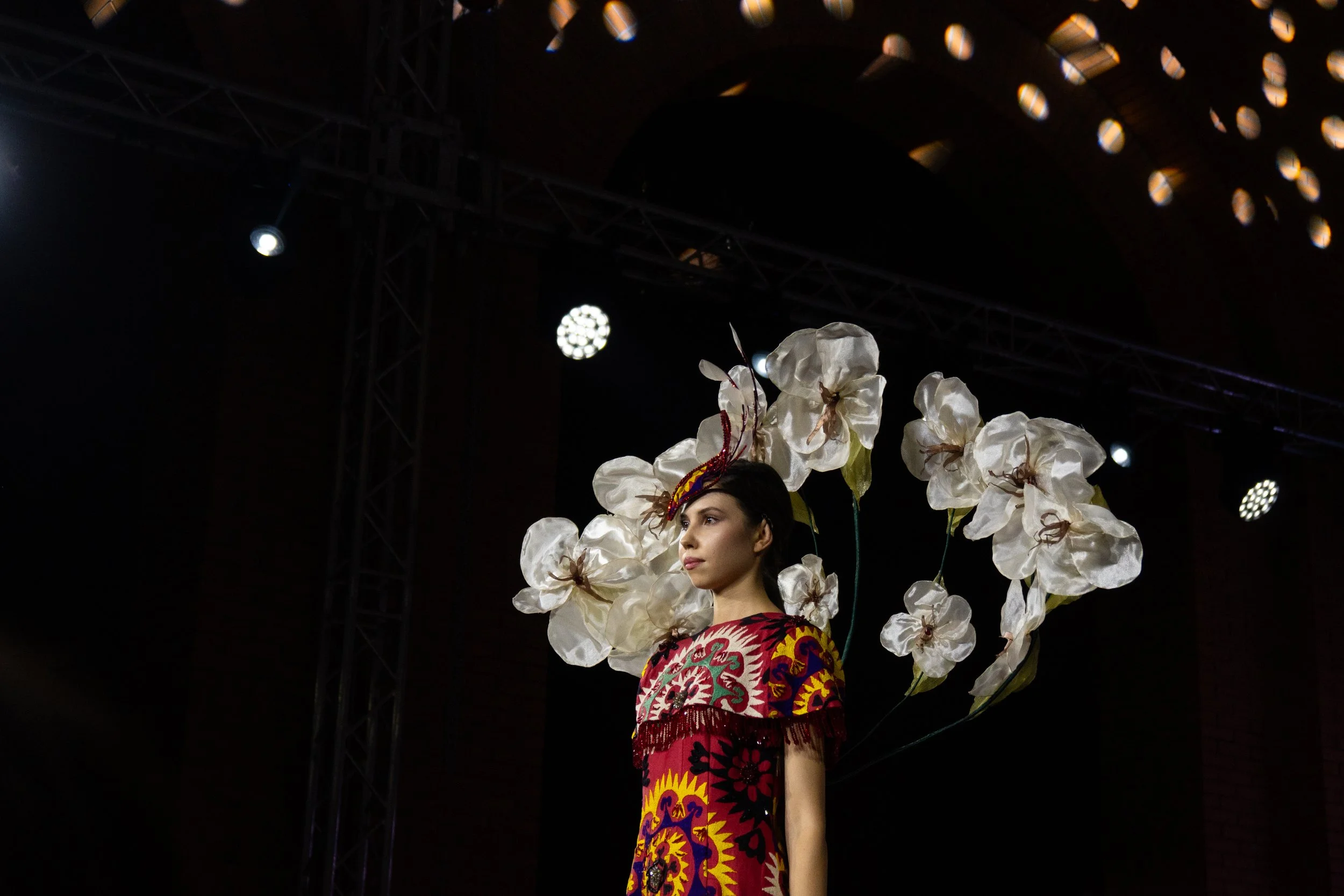
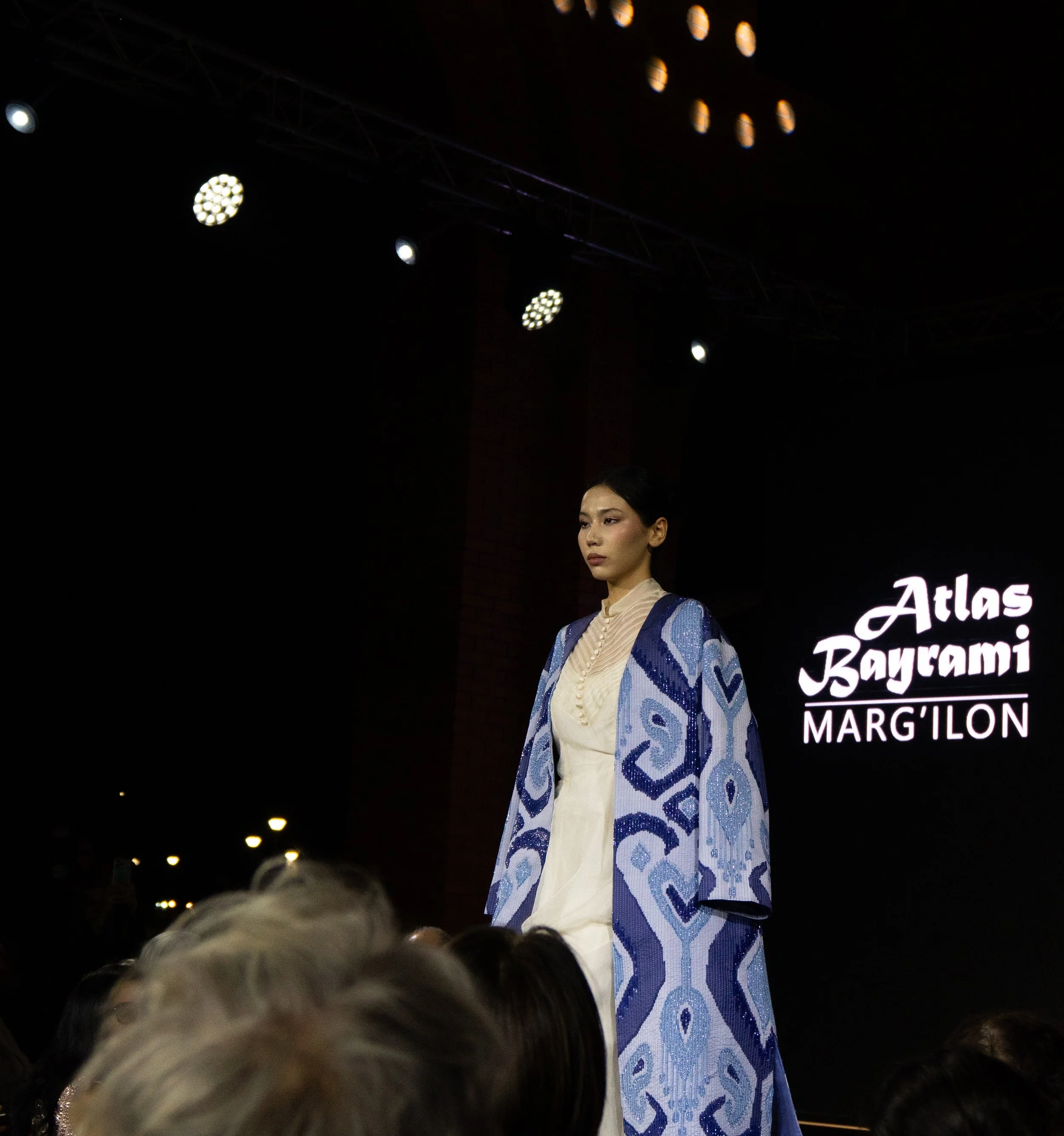
Dazzling fashion shows that continued through the evenings were a key highlight of the 2026 Atlas Bayrami festival. Over two nights, the “Vodiy Gavhari” Tourism complex transformed into a striking, open-air runway, showcasing collections from emerging local, and established international designers.
Night One: Traditional Textiles in a Contemporary Industry
As the sun began to set on the opening day of Atlas Bayrami, 12 emerging local designers, and two internationally recognised designers carefully made their final touches as they prepared their collections for the runway.
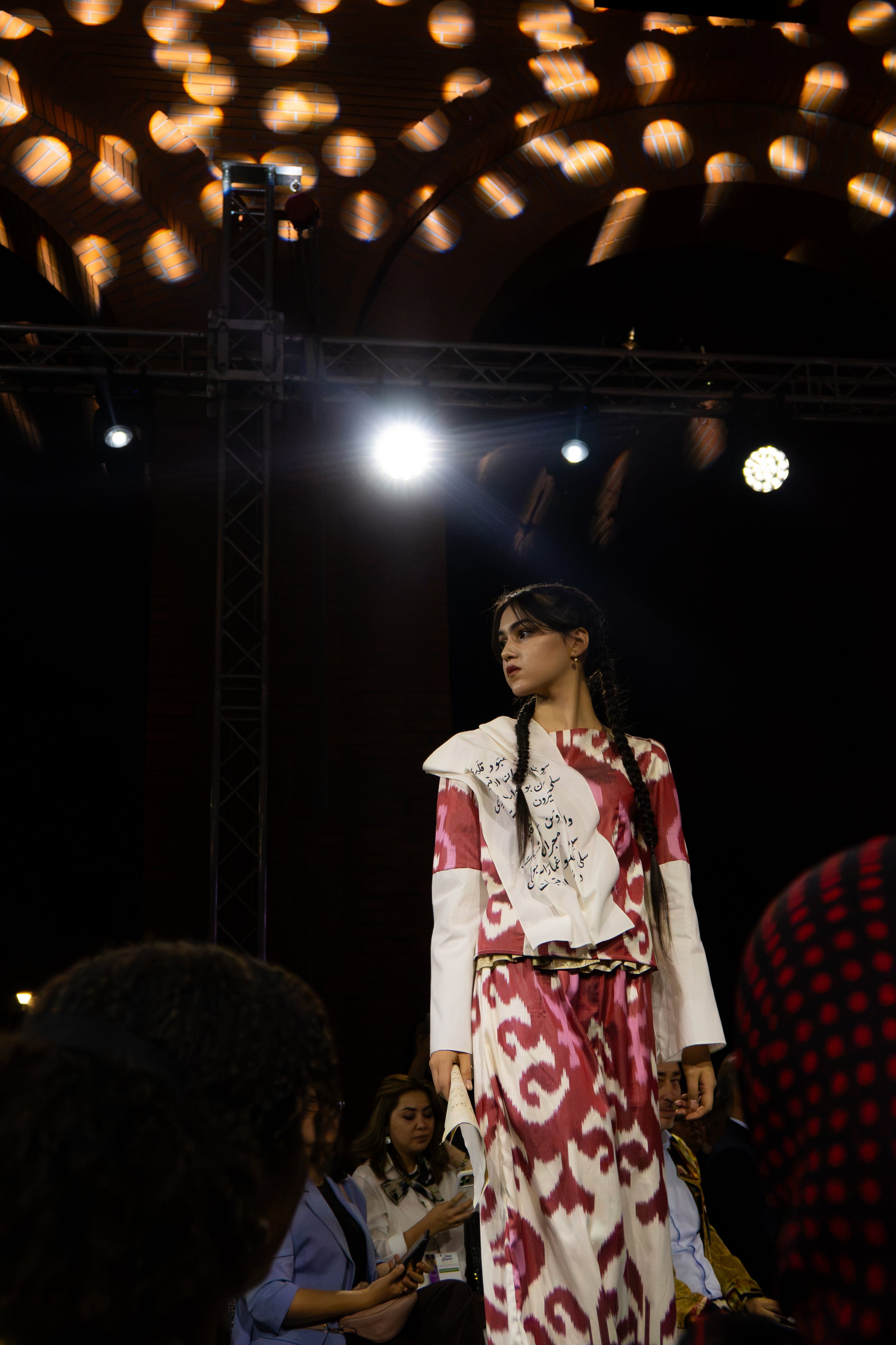
Under the Mentorship Programme of Innovative Design, supported by UNESCO/the European Union, and led by renowned Uzbekistan designer Markhamat Umarova (founder of the internationally acclaimed MARU brand - read more about MARU here), local design students had the opportunity to share their work to an enthusiastic, global audience, in the textile heart of their home country.
Backstage, moments before the show, Markhamat proudly spoke about the program, and her experience mentoring the next generation of designers from Uzbekistan.
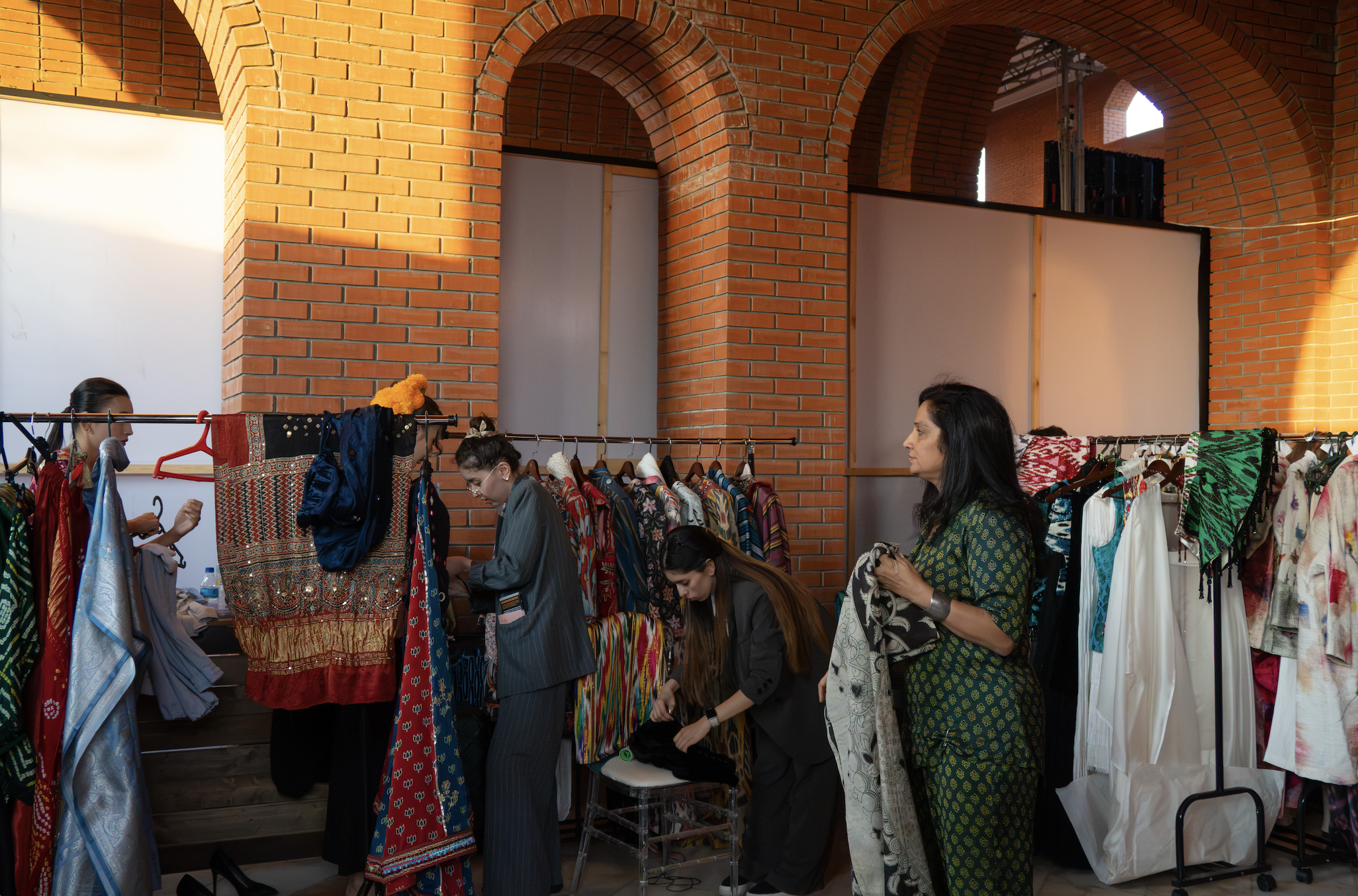
Throughout the five months prior to the festival, the emerging designers from across metropolitan and regional Uzbekistan received mentorship, attended workshops and meticulously developed their skills, and personal design projects. Designers visited Tashkent, Samarkand, Bukhara and the Margilan/Fergana region, where they practiced traditional techniques and learnt about their relevance in the contemporary fashion industry.
“Each designer chose their own themes for their collections, in line with their own interests, passions and inspirations. Many students chose to focus on sustainability, repurposing vintage fabrics and using zero waste techniques.”
Markahamt shared glimpses of the unique stories behind some of her students’ projects.
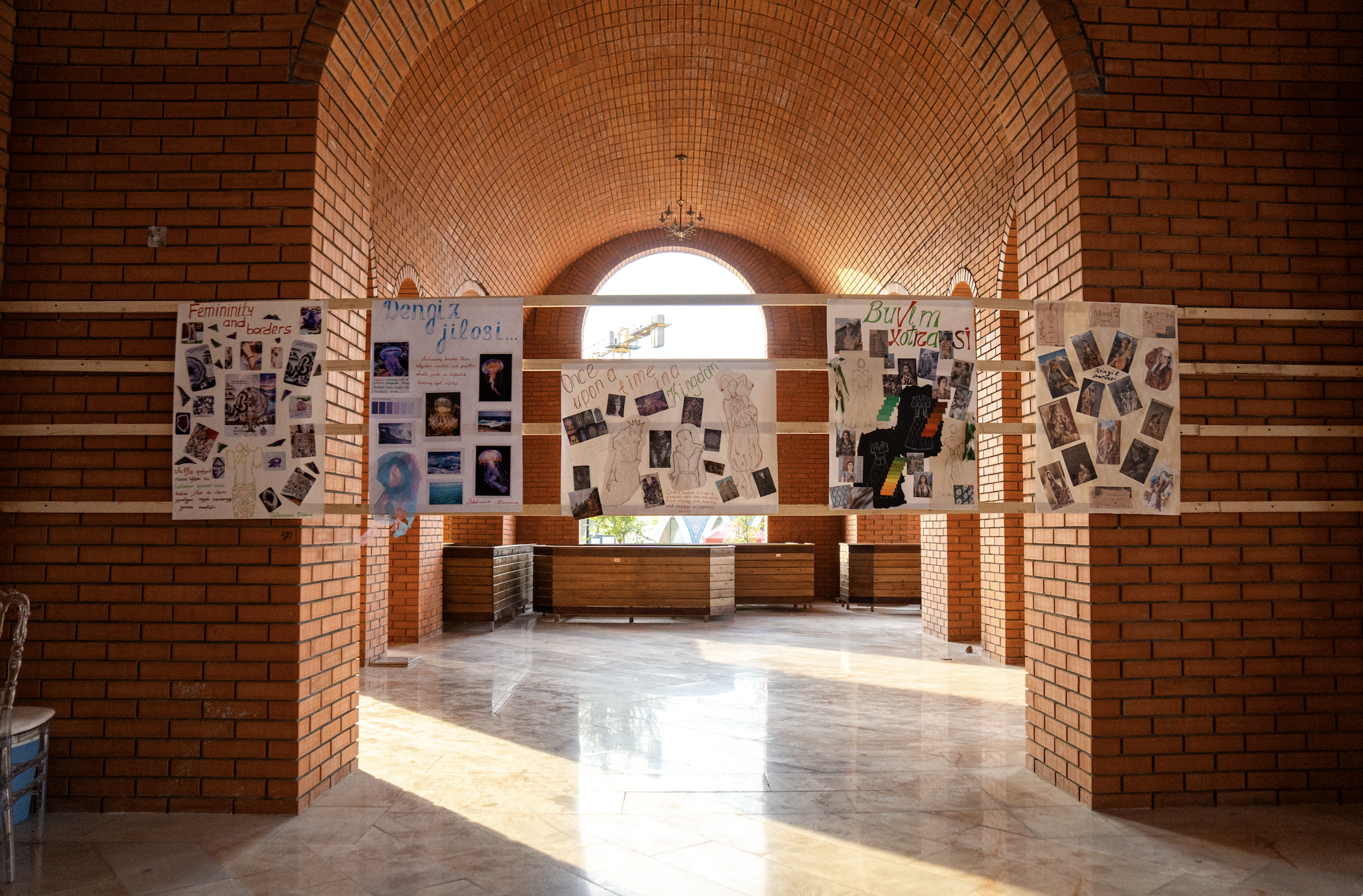
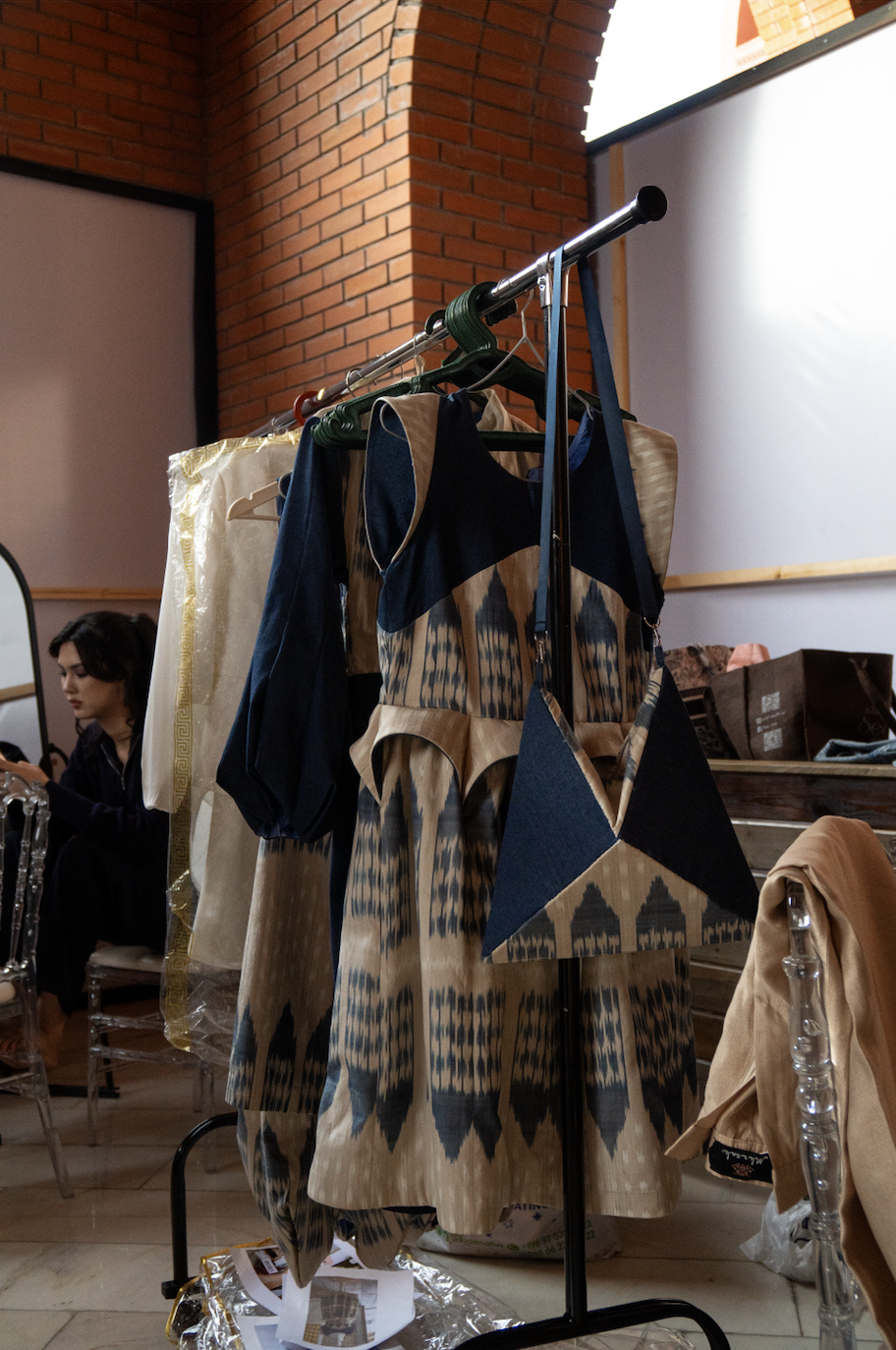
Designer Muqaddas Abduraximova’s collection “Buvim Xotirasi” (My Grandmother’s Memory) used fabrics inherited from her late grandmother, honouring their relationship and her influence on the designer’s lasting passion.
Designer Manzura Bekchanova’s collection “Dengiz Jilosi” (Radiance of the Sea) was developed using fine, silk fabrics. Markahamat shared it was Manzura’s first time working with this difficult textile, speaking proudly of her progress and resilience through the production process.
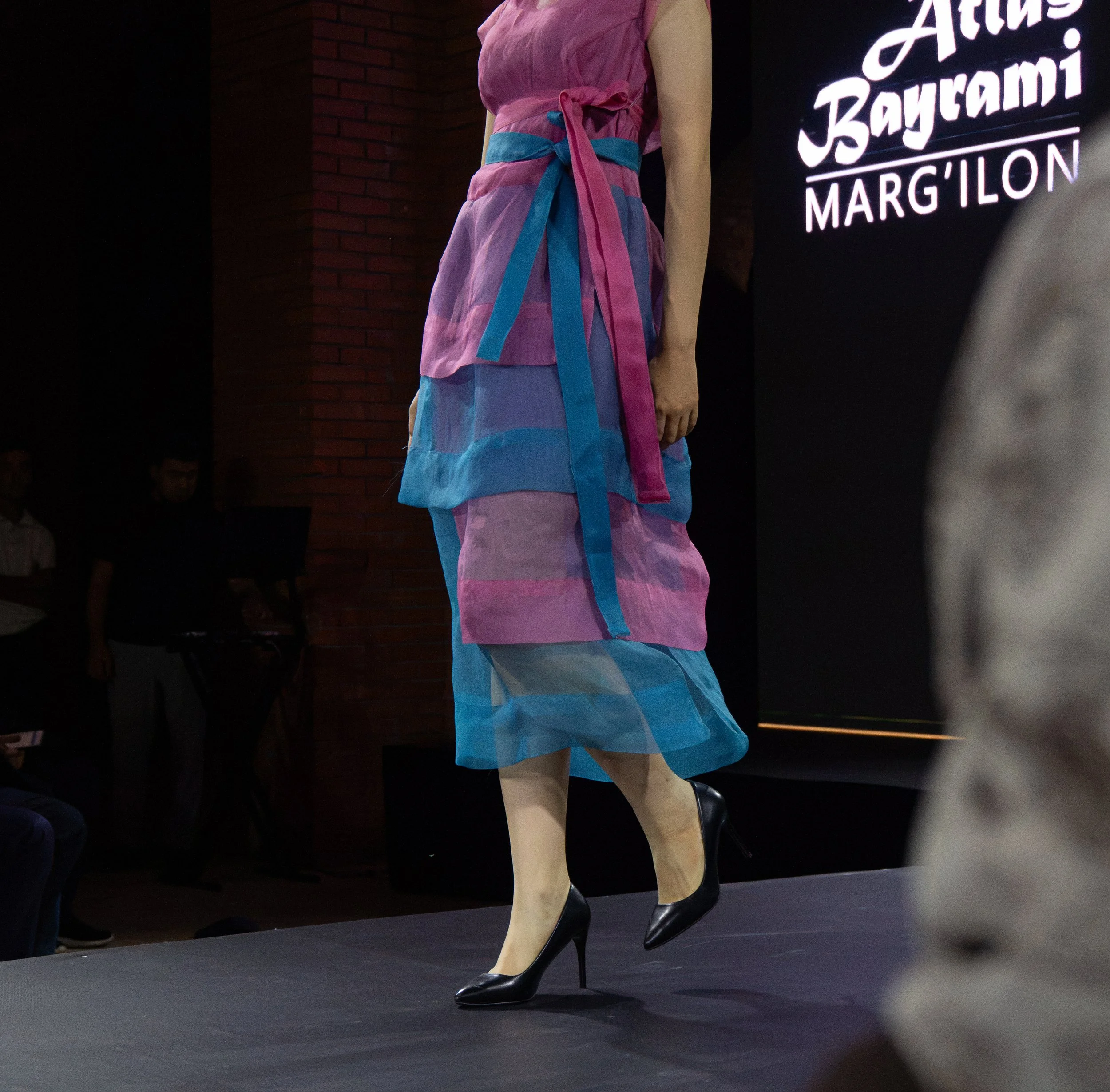
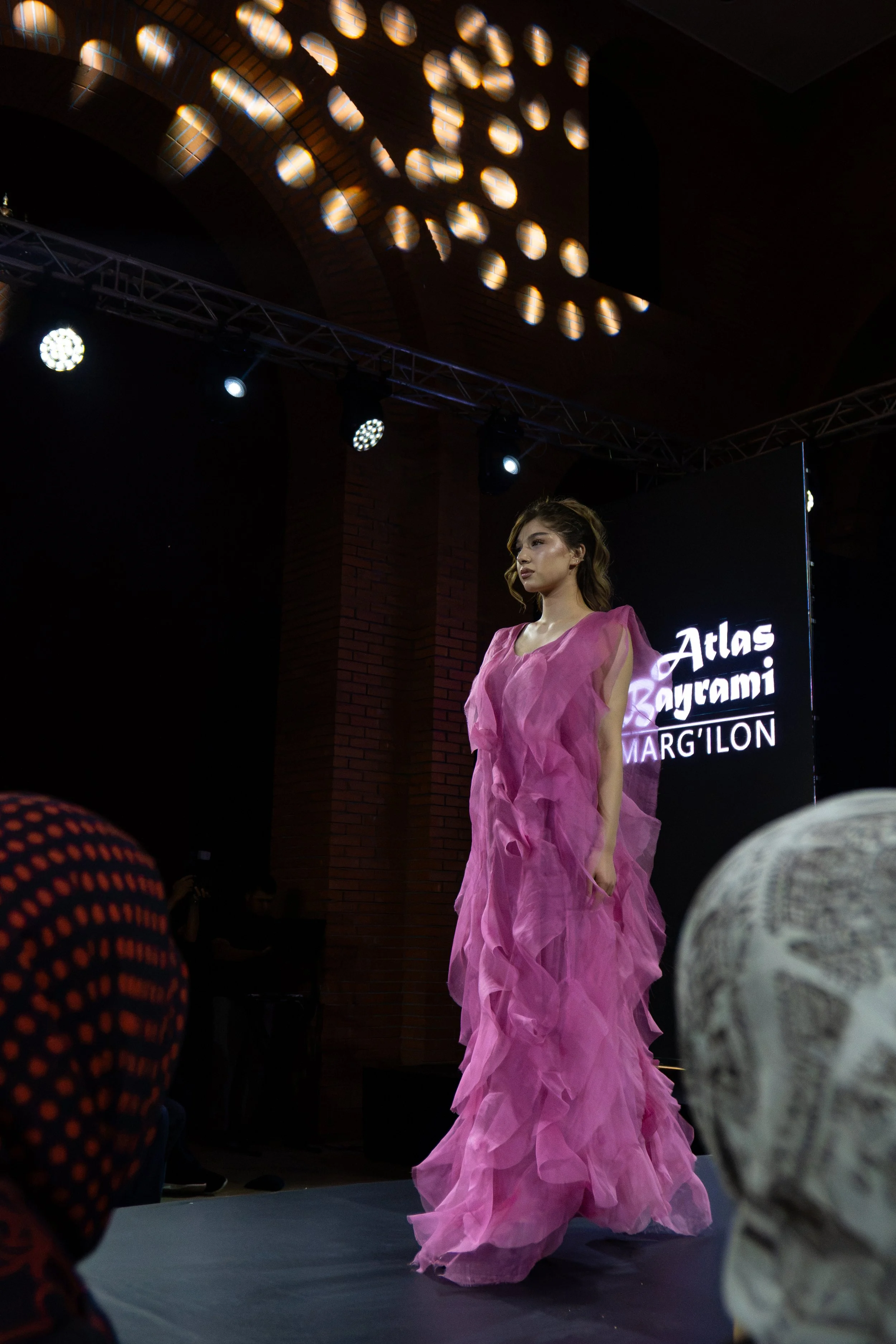
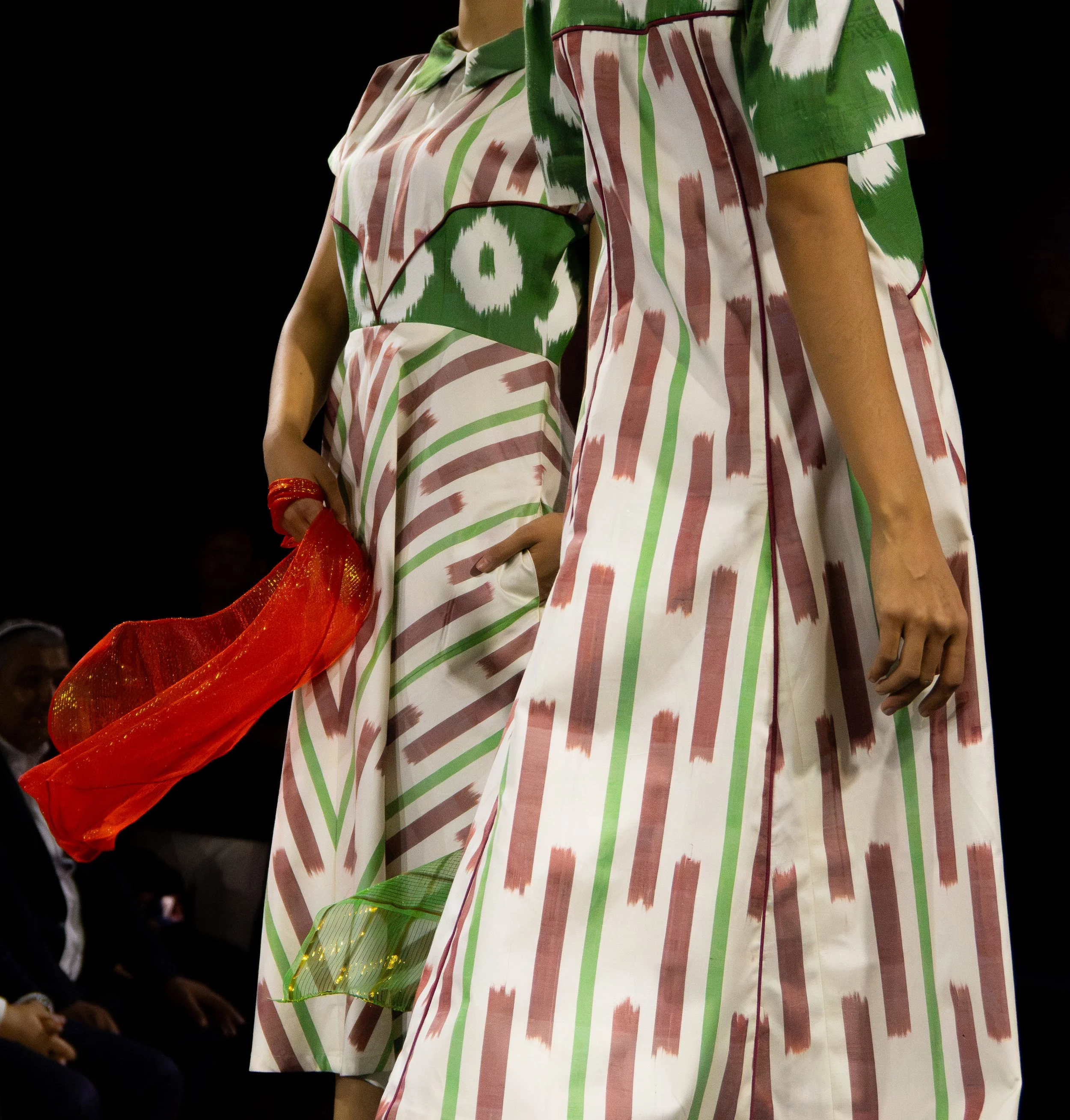
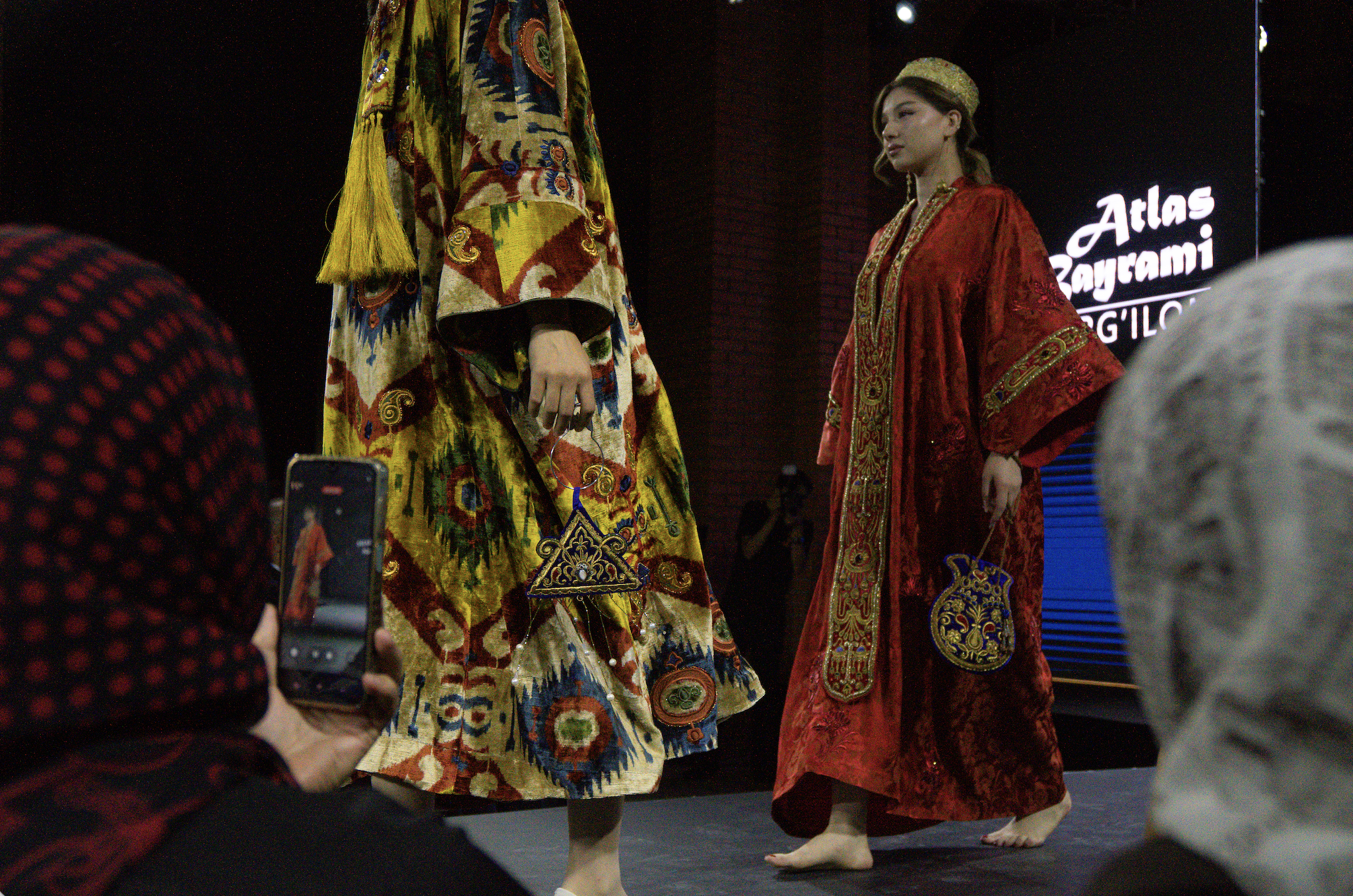
Other designers creatively transformed traditional Atlas, Adras and Bahmal fabrics into contemporary pieces, experimenting both with elevated everyday, and more exquisite silhouettes.


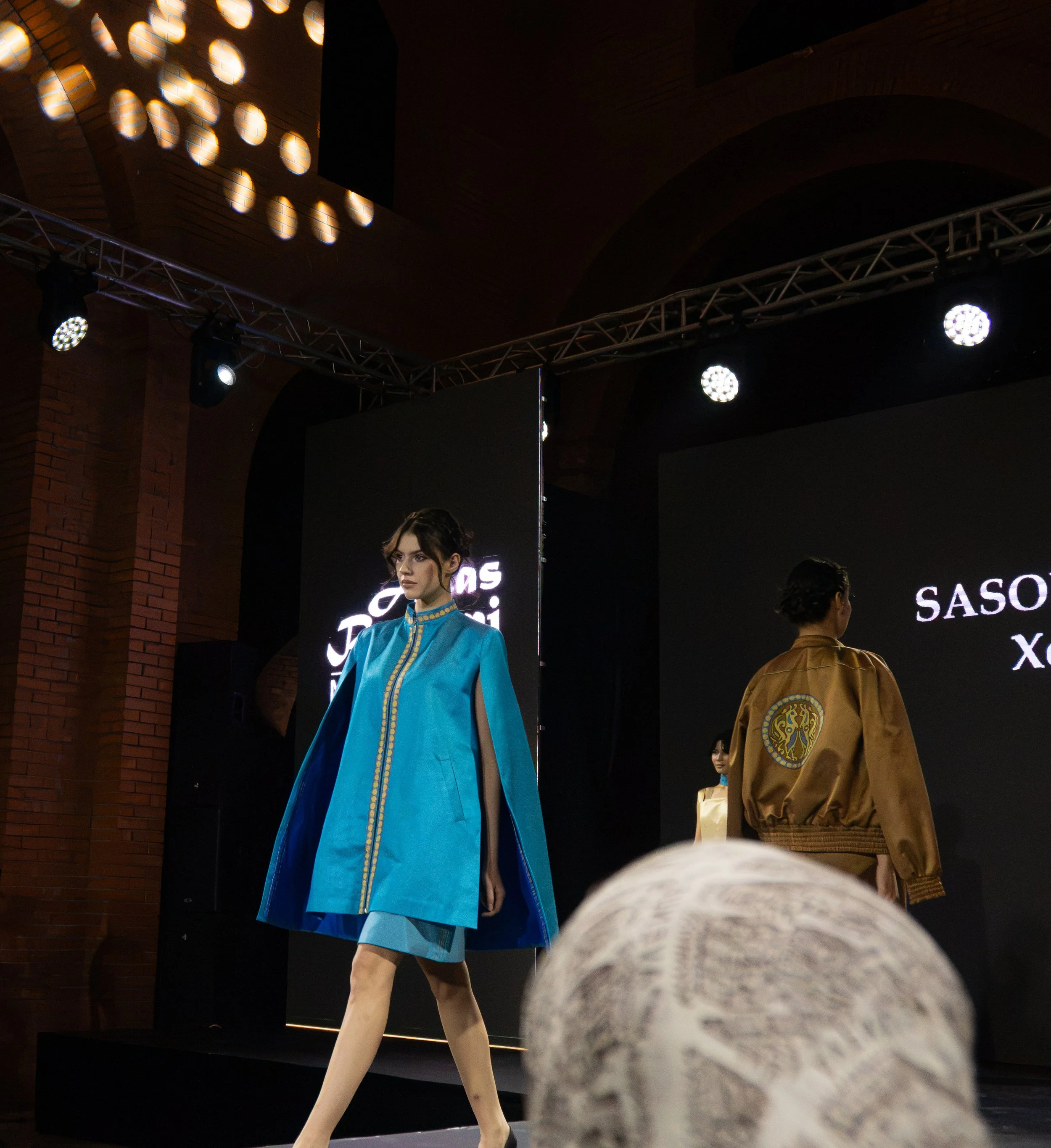
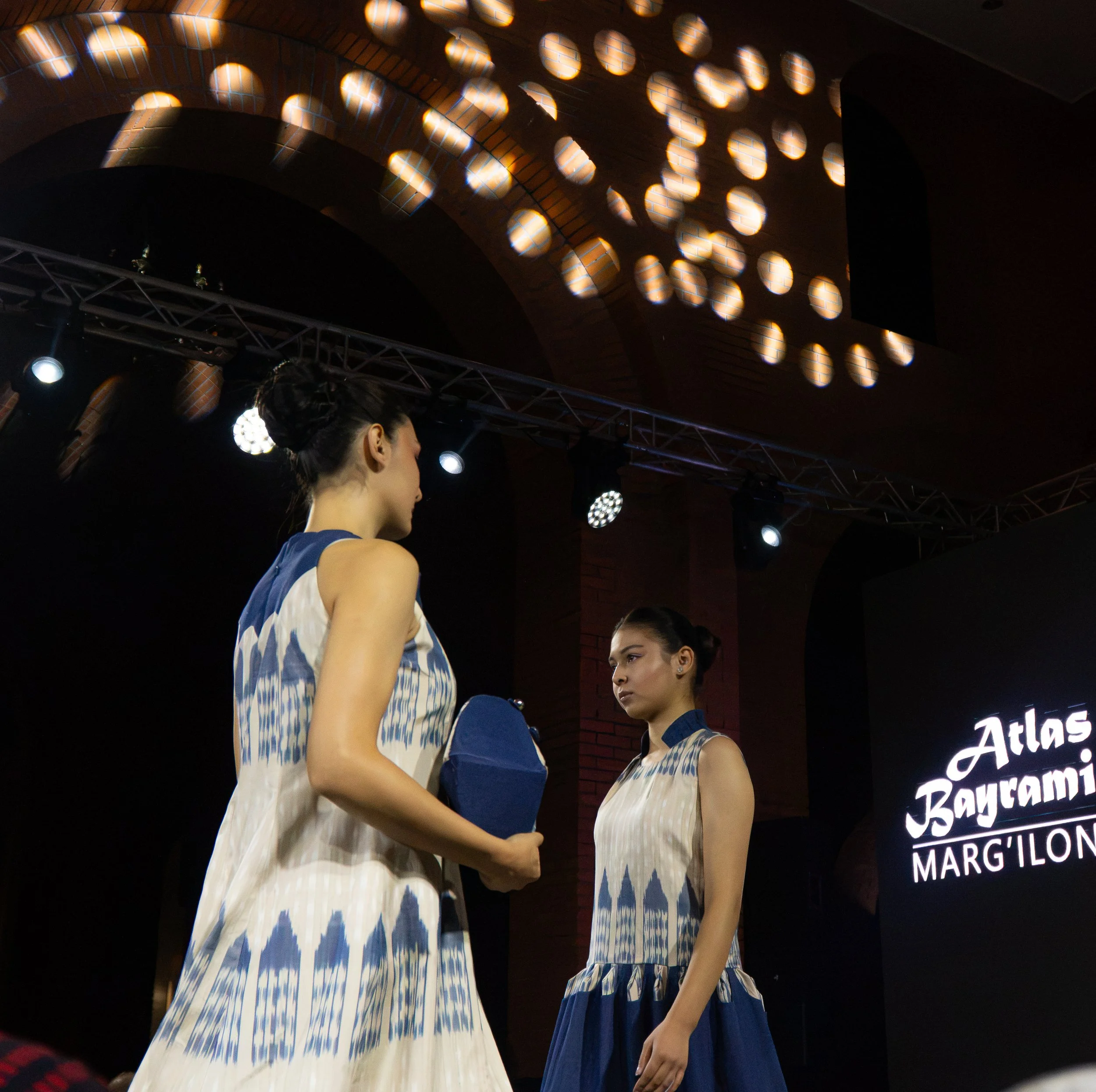
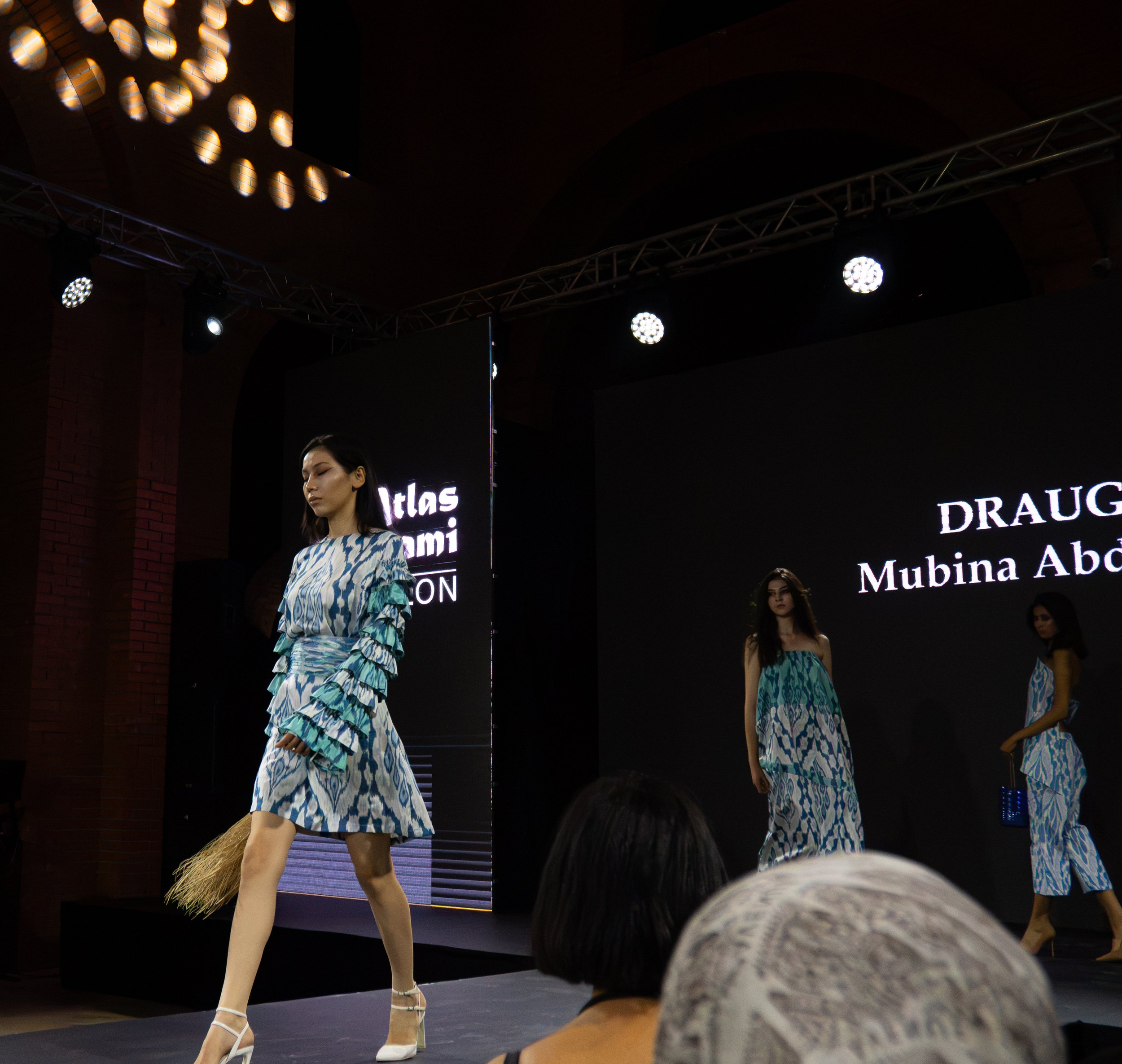
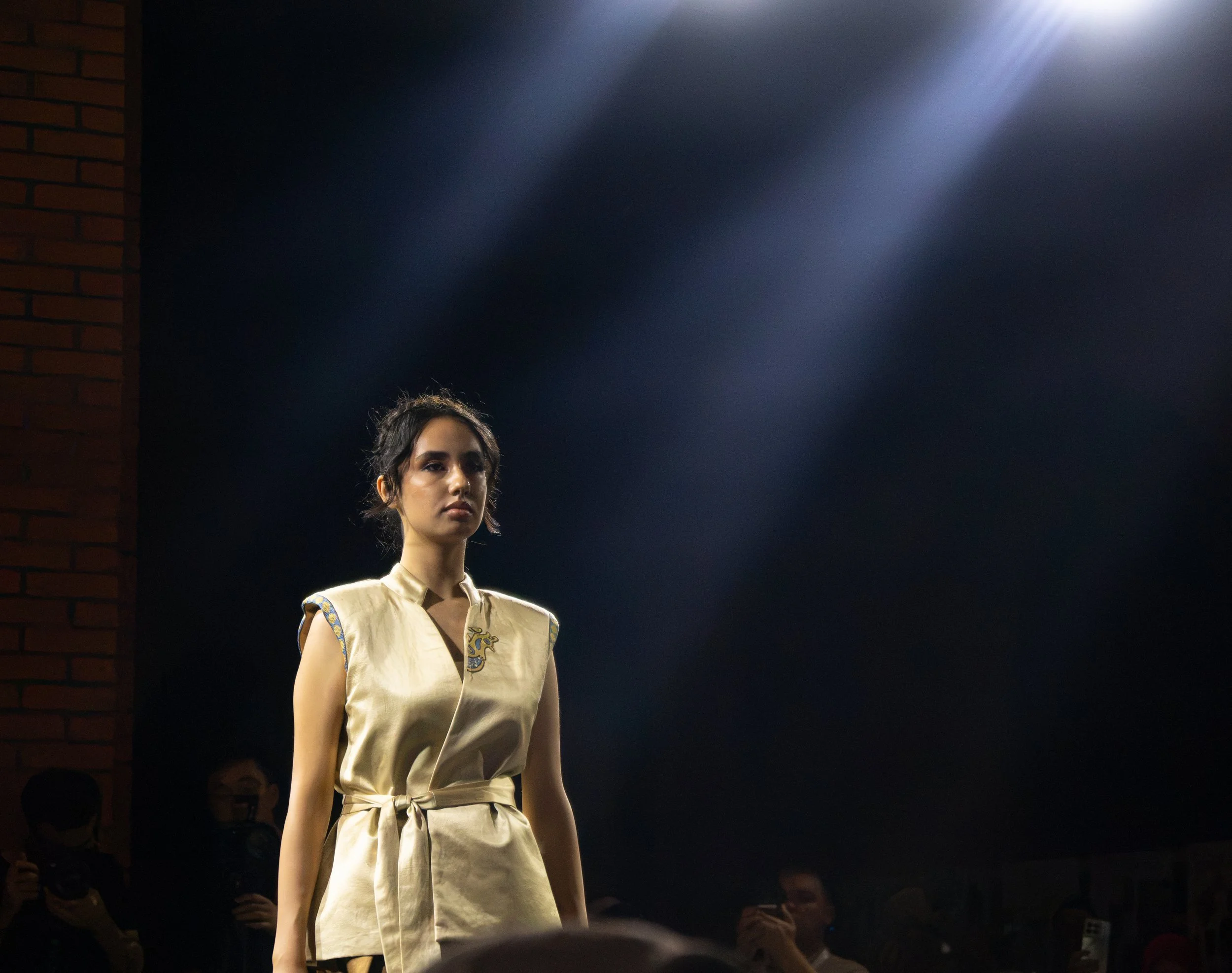
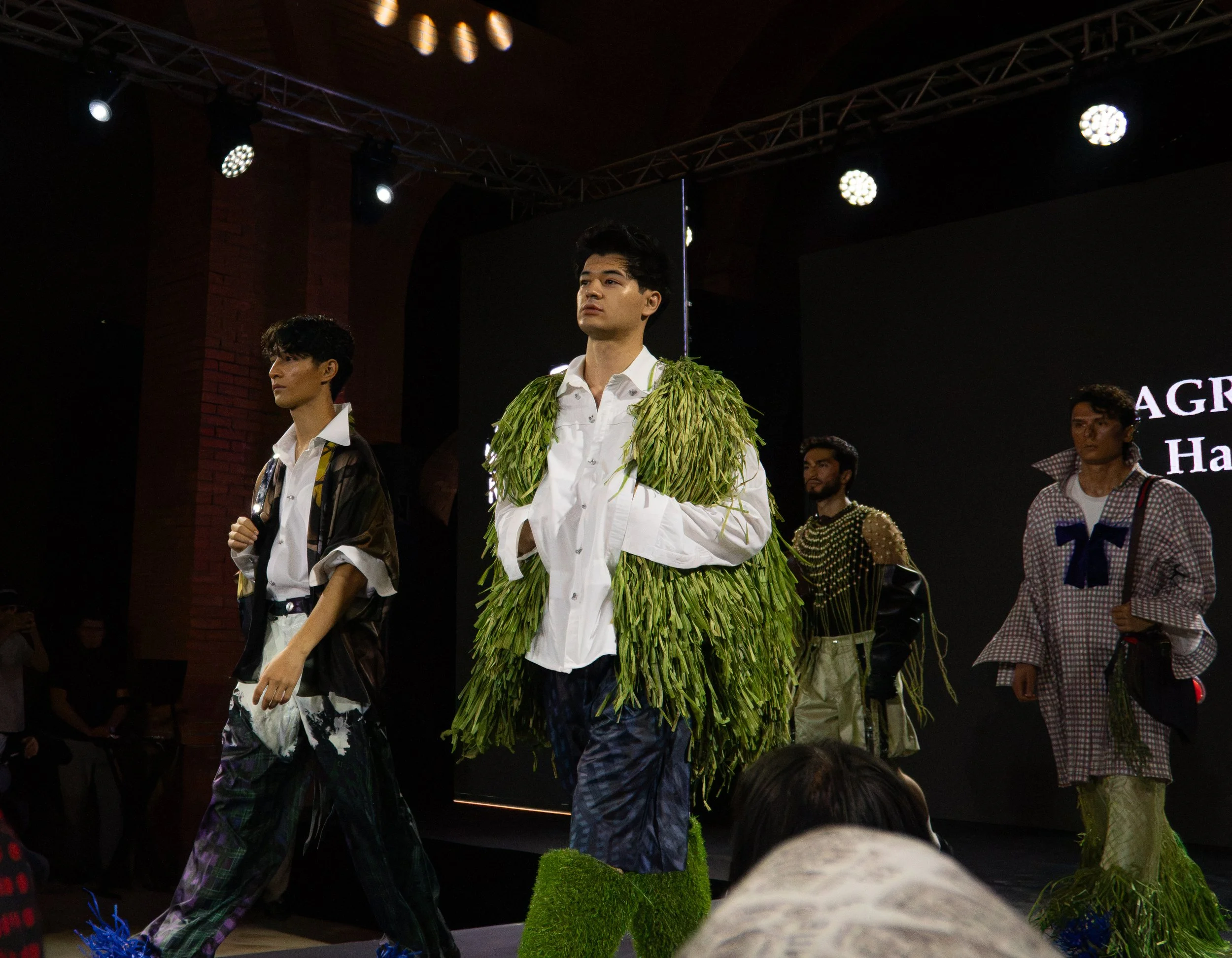
The evening concluded with collections from Haralds Babris (“Agris pļāvējs”, a play on words referencing early morning work, and lawn-mowing culture in Latvia), and Nargiz Muradova (“Sharq Marvarid” – Pearl of the East) an established Uzbek designer/embroider, in collaboration with RiLu Premium Jewellery.


Night Two: Margilan goes Global
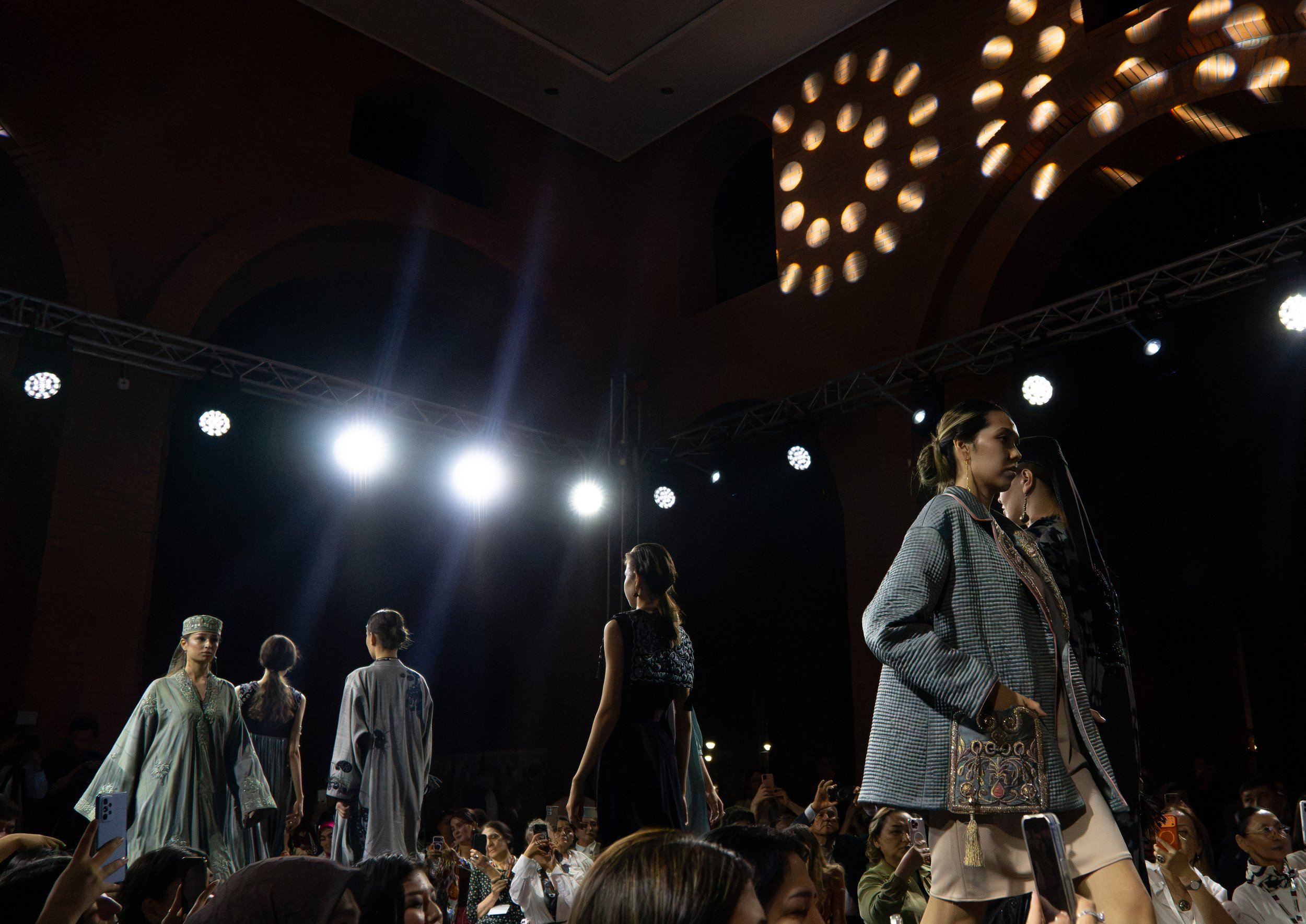
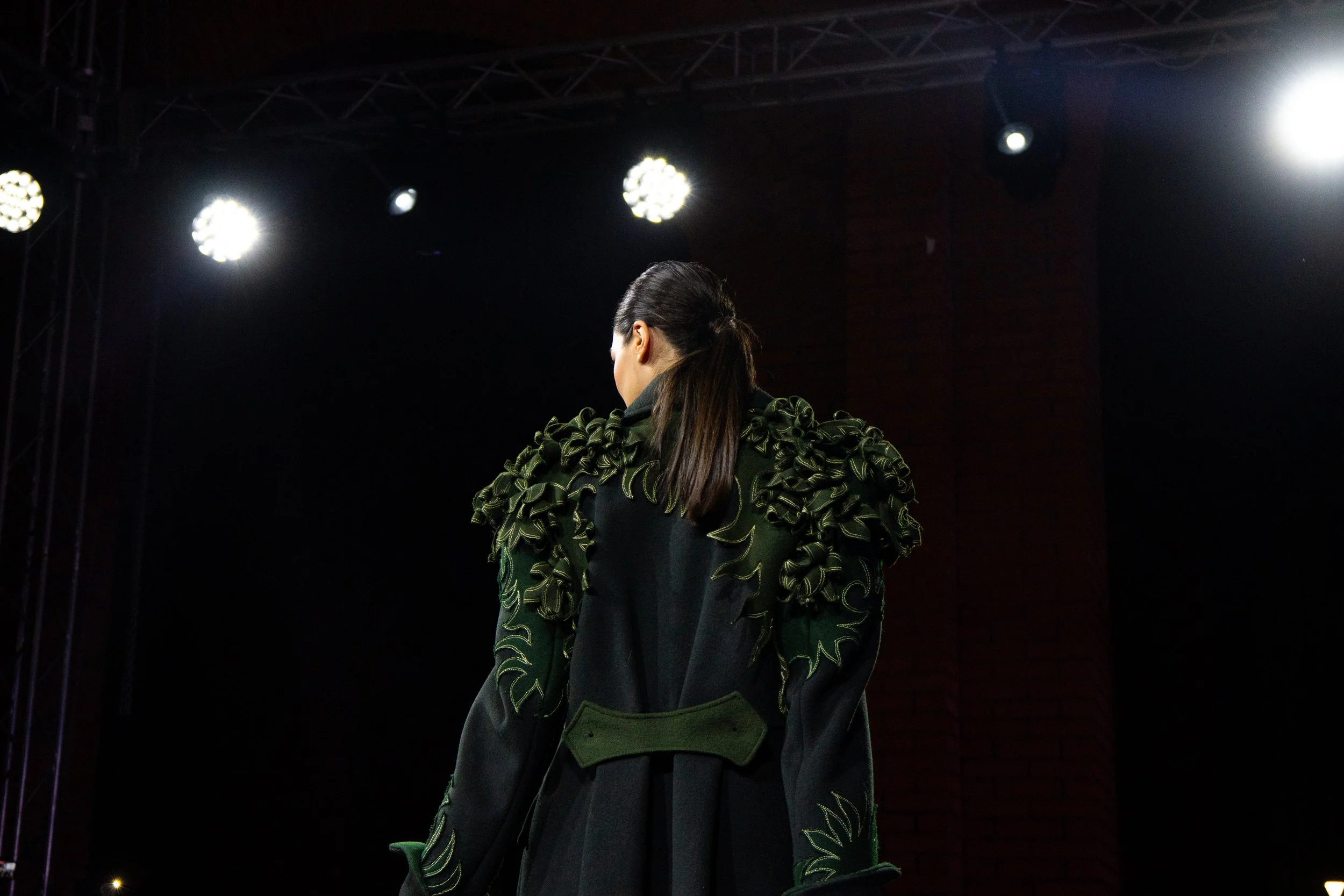
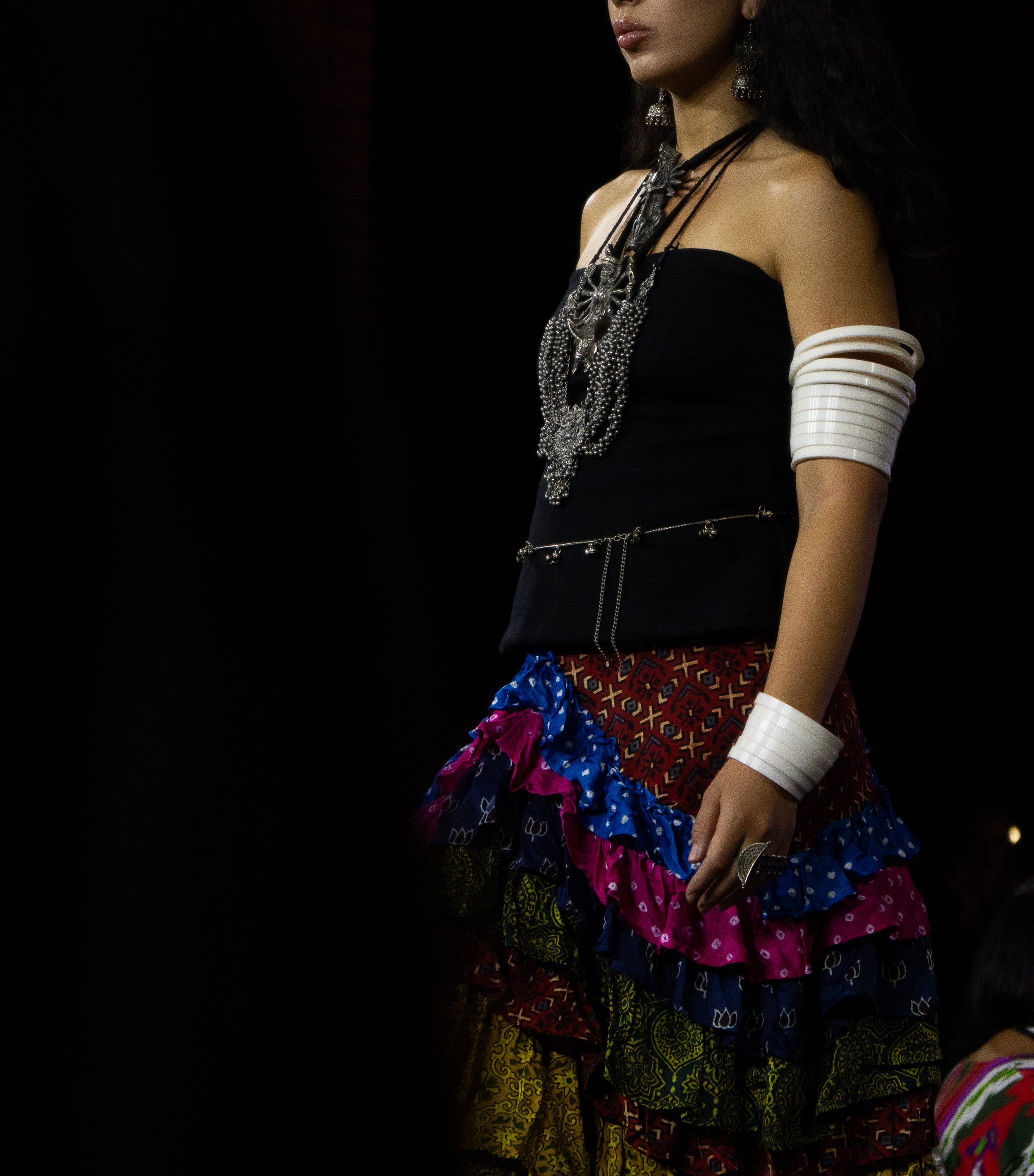
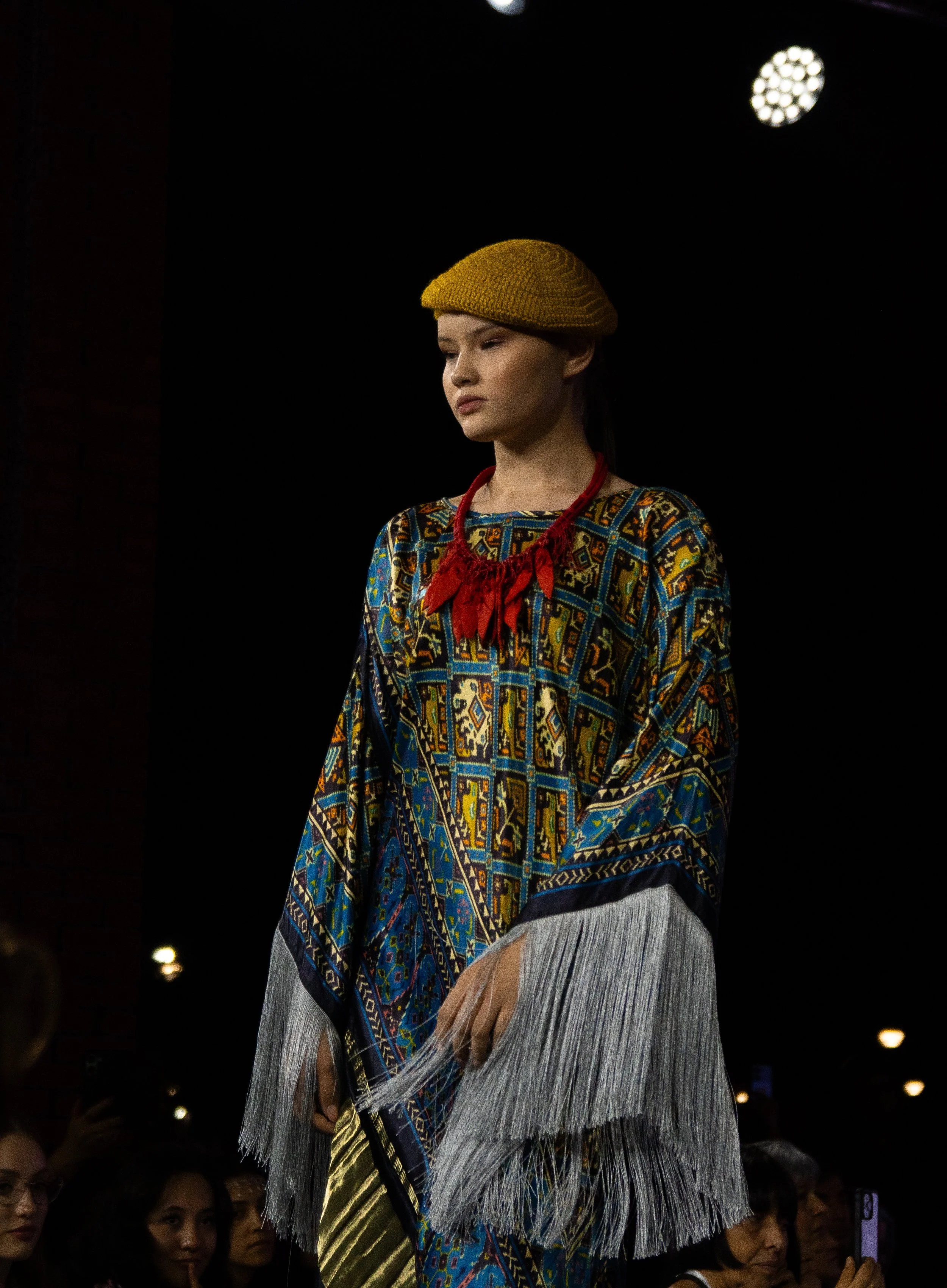
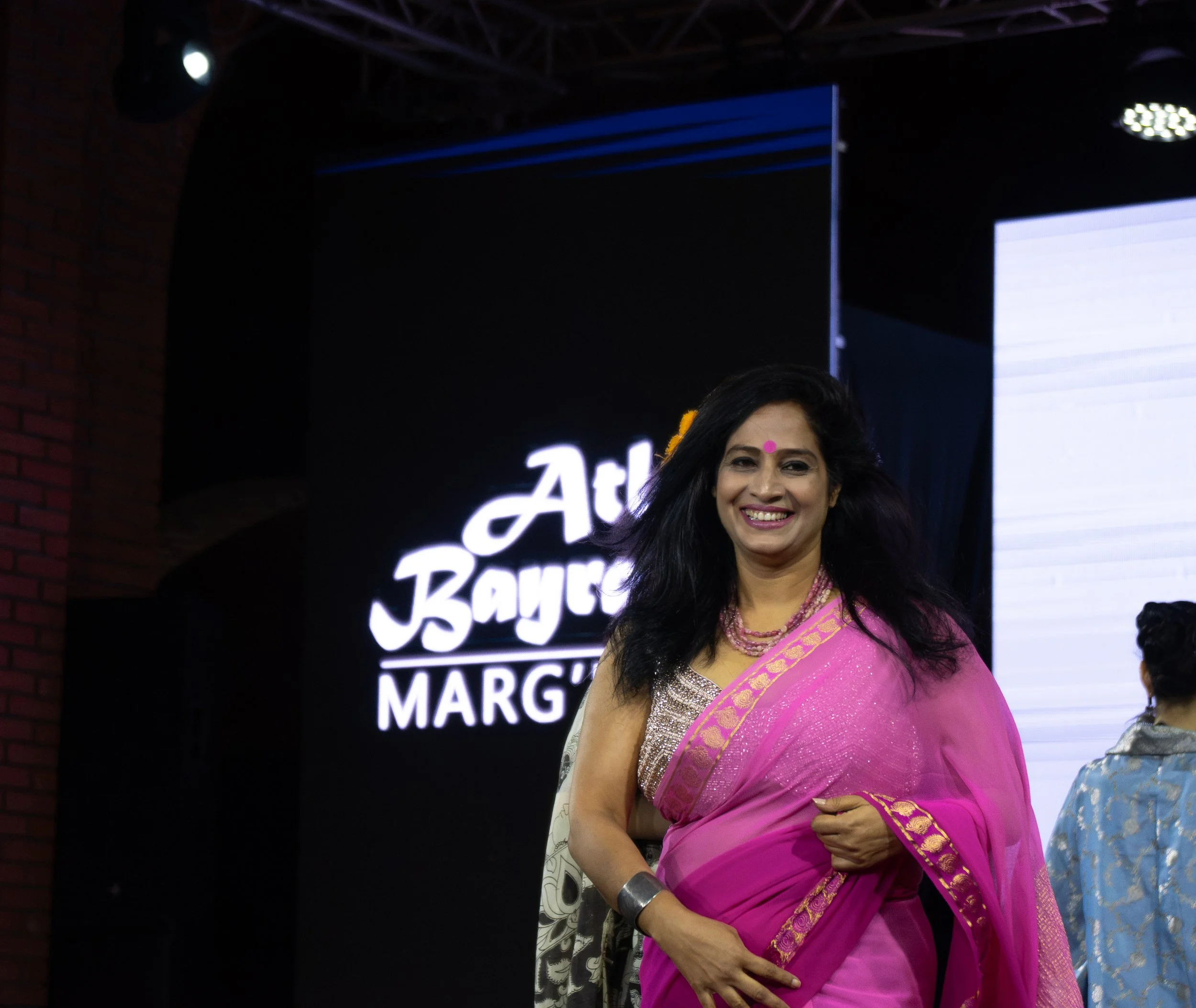
Captivated by the Innovative Design showcase, visitors eagerly returned for another night of imaginative fashion. The International Fashion Show featured designers from Uzbekistan and across the world, from countries such as Kazakhstan, Tajikistan, South Korea, India, South Africa, Romania, Italy and Greece.

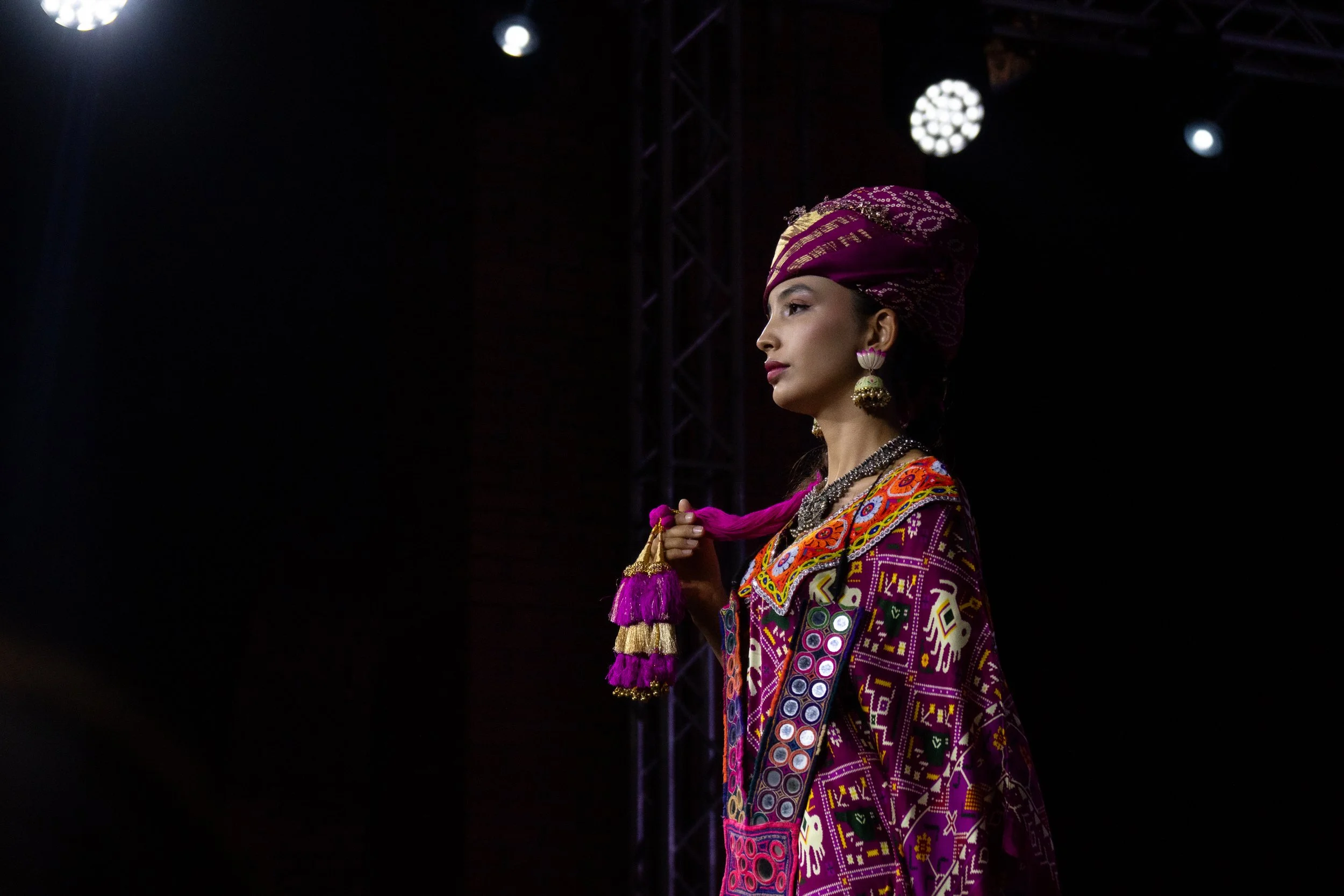





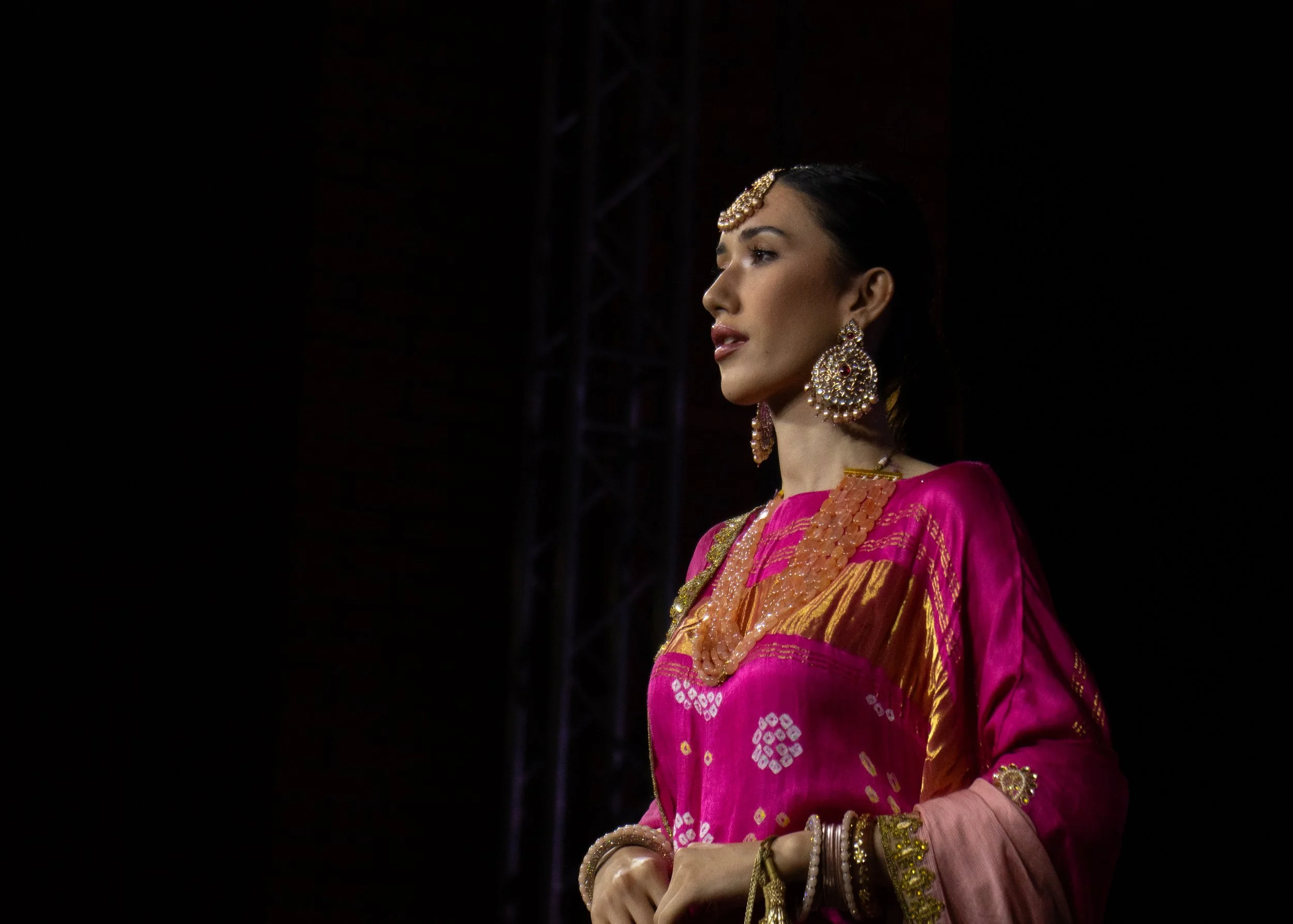
Usha Sharma, Representing India with her Collection “Maya” (माया)
Usha spoke about the similarities between traditional Uzbek and Indian textiles, where both use silk fabrics, handmade embellishments and hand-dyeing processes to achieve vibrant, elegant materials. Usha chose to focus on this connection through her work, sharing she wished to “show a merge of Uzbekistan and India”, and their respective cultural designs.
“Maya translates roughly to magic and is designed around the idea of mystery/mystique. I want people to wonder what’s coming next, you don’t know what to expect!”
Ana Farima, Representing Romania with her Collection “Bodaprosti”
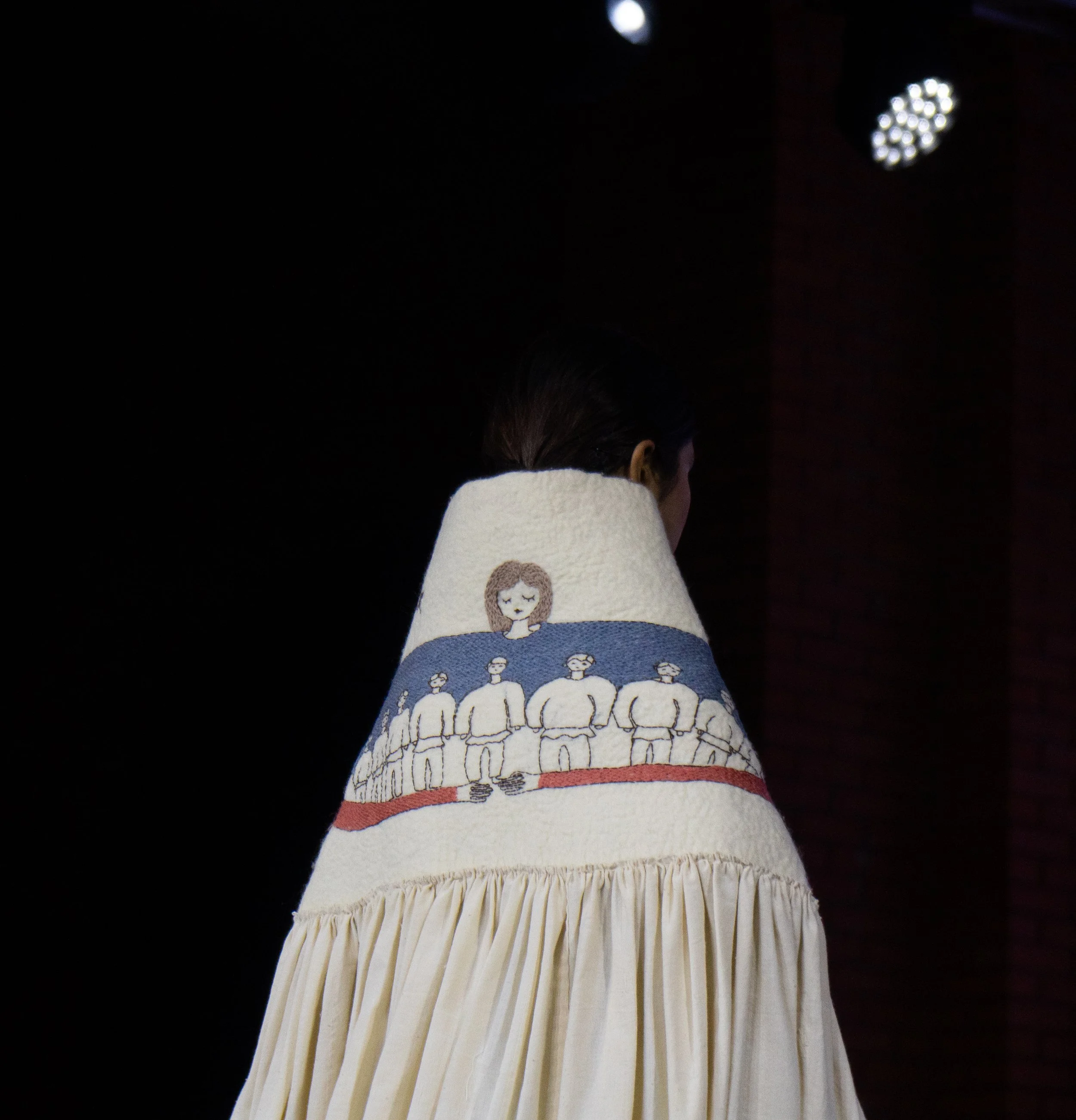
Ana’s “Bodaprosti” collection is bold, brilliant and beautiful. Created with hand-felted wool textile, her pieces and their elaborate white contours stood out amongst the sea of colours Atlas Bayrami is known for.
Ana shared the collection is deeply personal to her, shaped by her childhood and time spent living with her grandparents in Romania, with the hand-embroidered scenes on her pieces capturing tales shared with her since her youth.

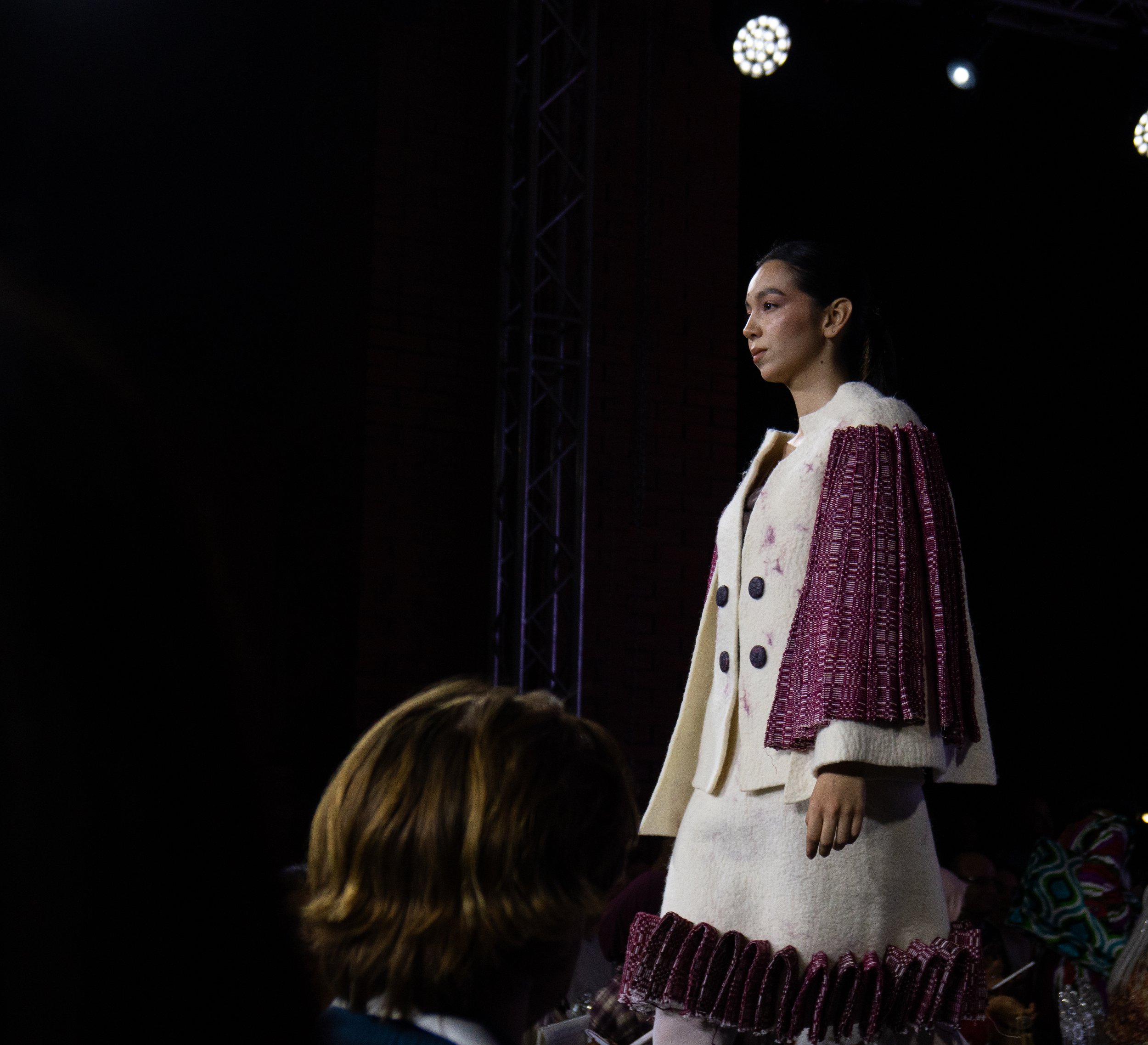
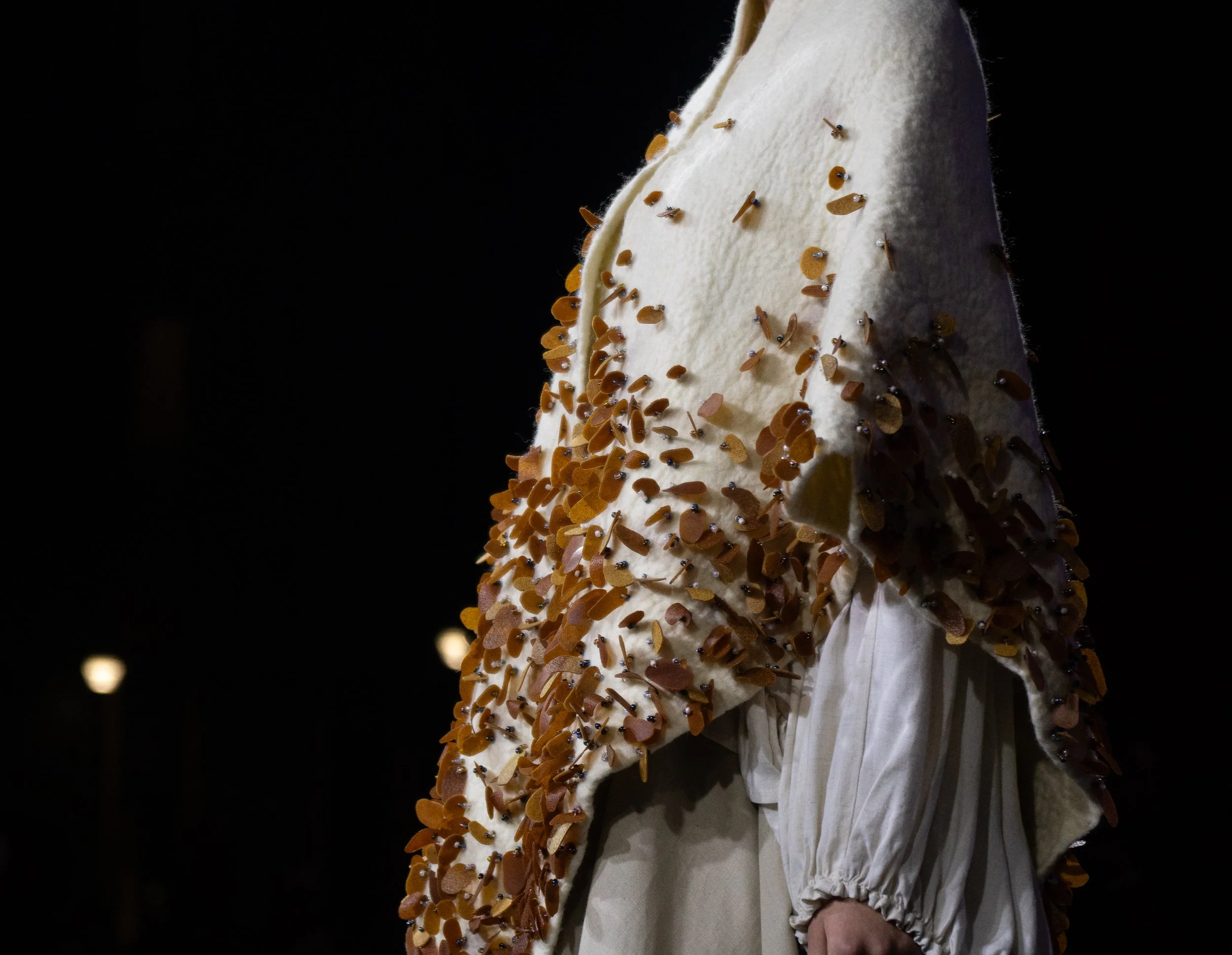


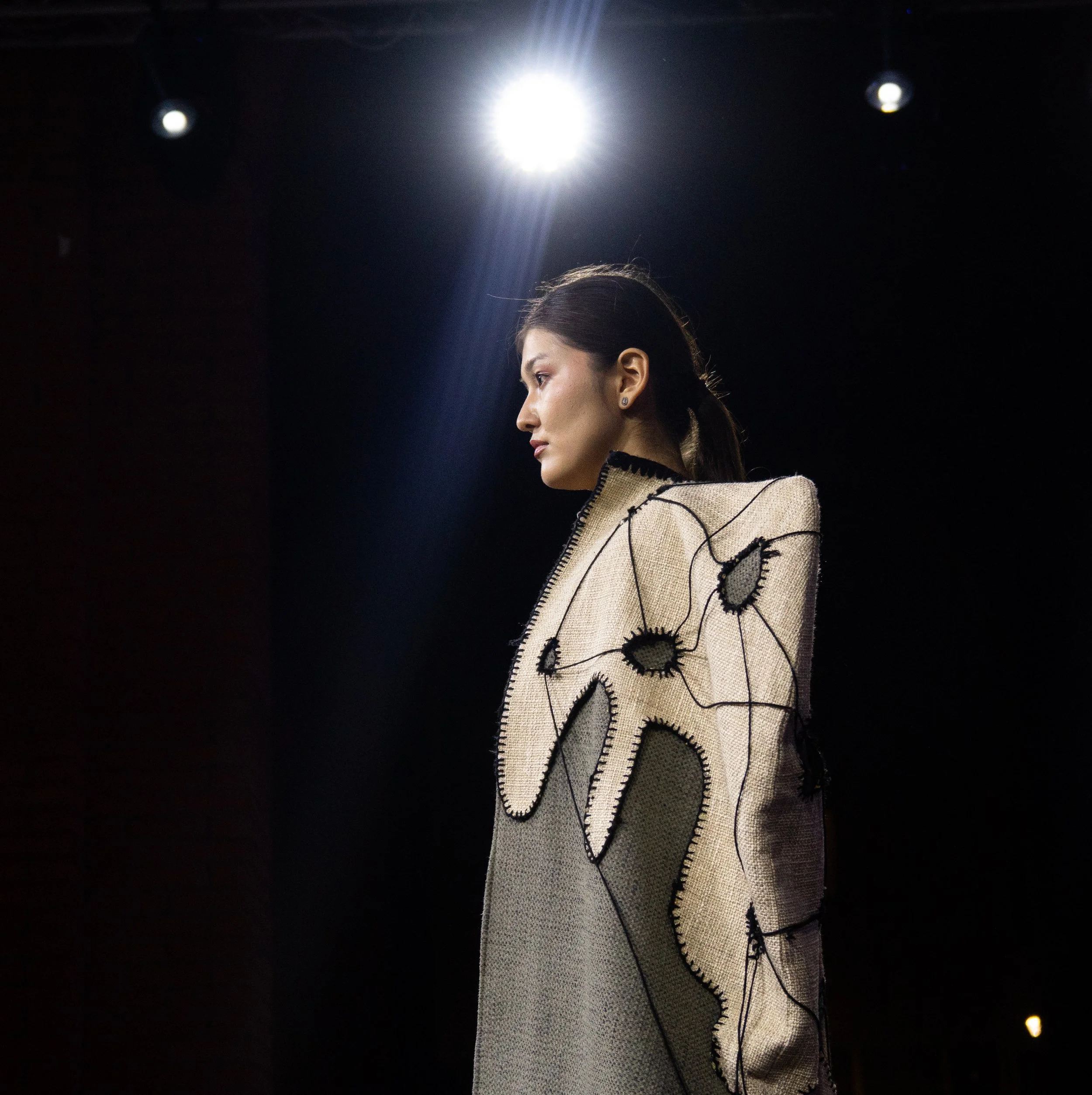
A closer look into the stories of artisans, designers and masters from Atlas Bayrami can be found in the 56th edition of Visit Uzbekistan’s print magazine.
Planning to Visit Atlas Bayrami?
Atlas Bayrami is a must-visit festival for lovers of culture, learning, fashion or traditional crafts. The festival will return to Margilan in September 2028, expected to be even more impressive for its 8th biennial event.
The easiest way to reach Margilan is by train from Tashkent, taking around 3h 40m. Alternatively, visitors can drive by car (~5h from Tashkent), or fly into Fergana Airport, around a 30 minute drive or Yandex/taxi ride from Margilan City.
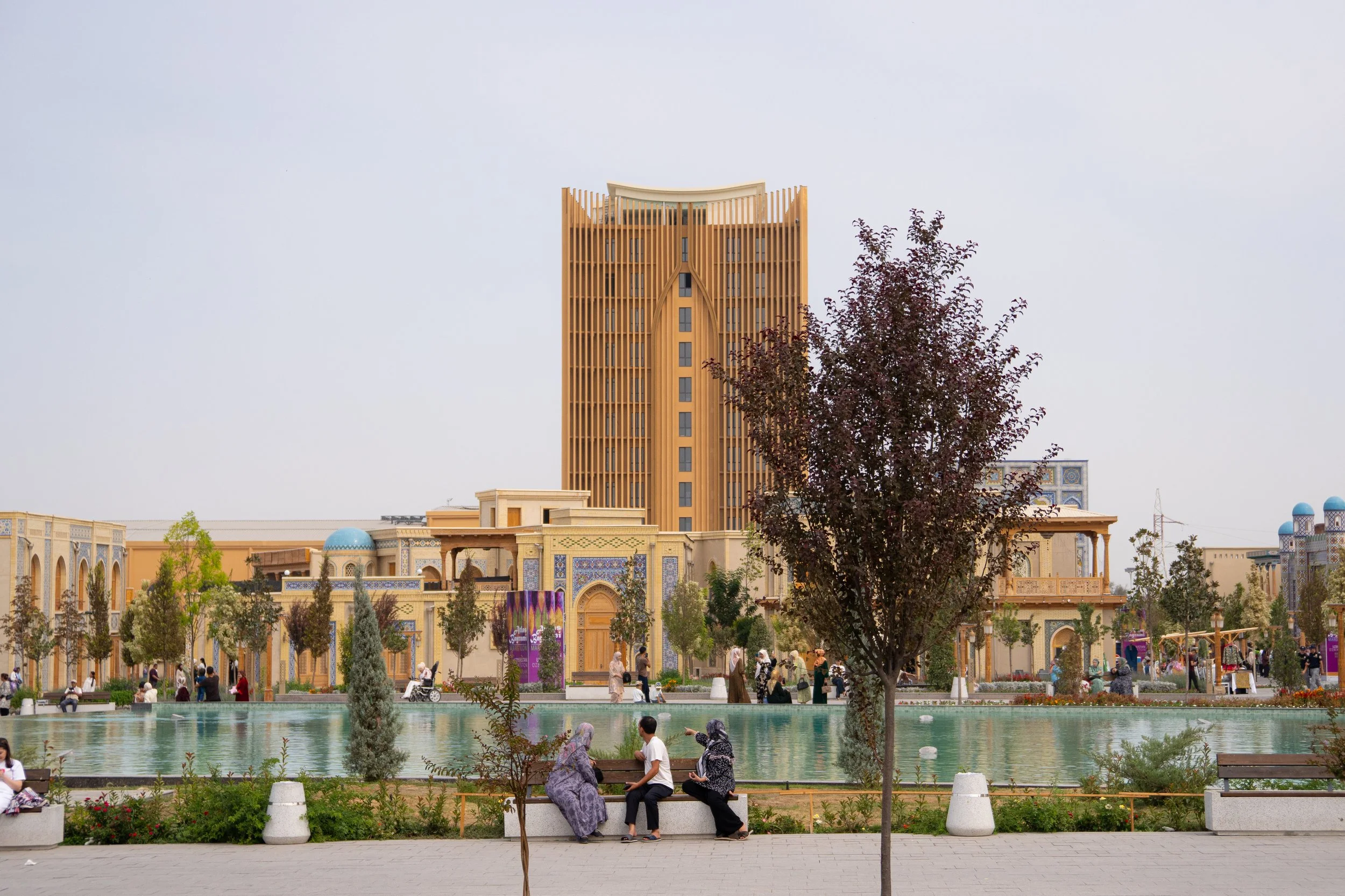
The event takes place at the “Vodiy Gavhari” tourism complex, and visitors can book accommodation either in the heart of Margilan City, or closer to Fergana.
Exact dates, programmes and further details will be available closer to the 2028 Atlas Bayrami event.