The Art of Atlas
Atlas is the colours of the rainbow, of the sky, the mountains and the water, all woven into silk.
Text and photos by Leena Bahtiyarova
The recently concluded Atlas Bayrami 2026 festival placed a global spotlight on Uzbekistan’s traditional craft techniques, particularly around the intricacies and cultural importance of Atlas, and related silk textiles.
But what is Atlas? And why is there a festival dedicated to the fabric?
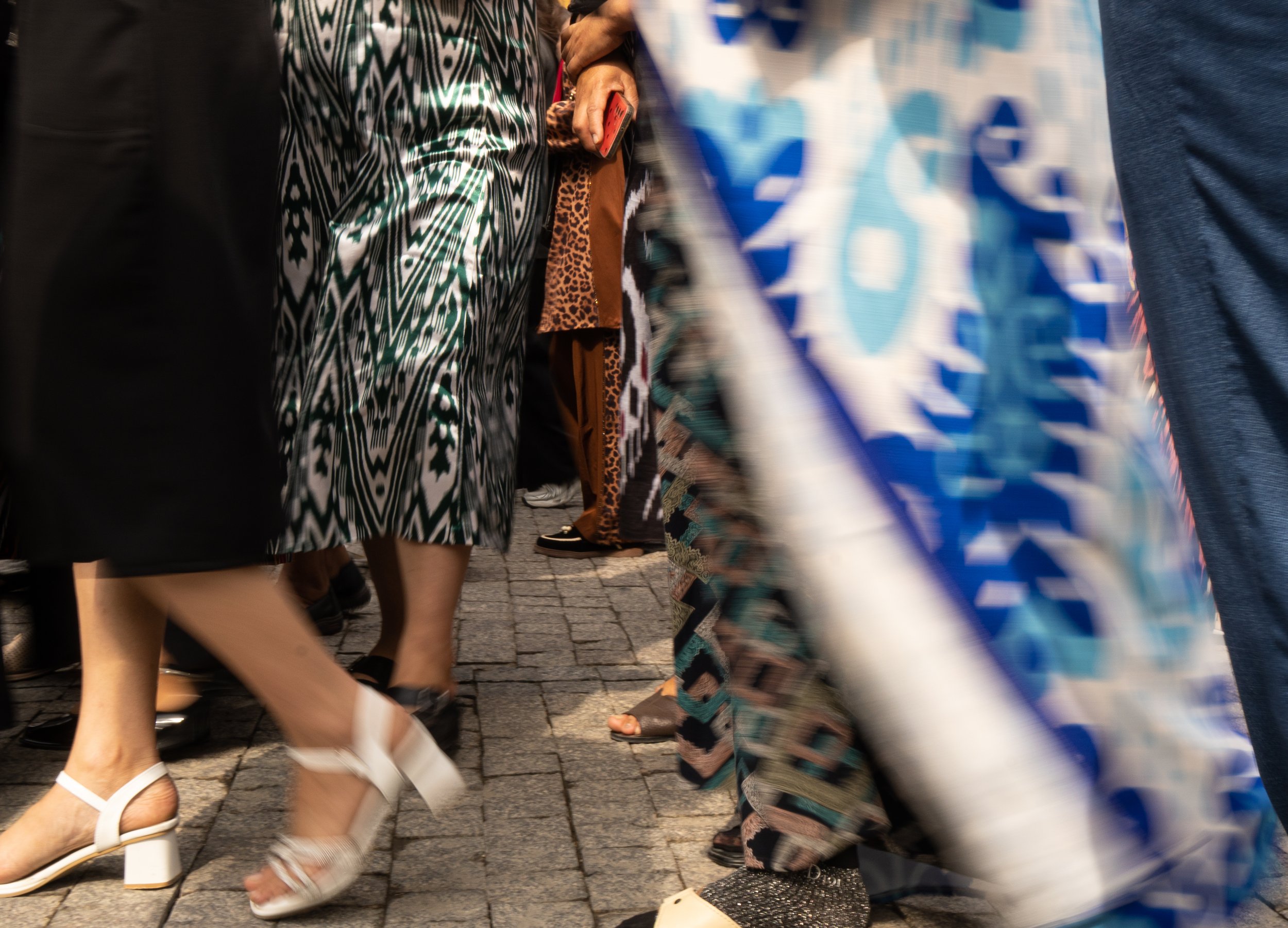
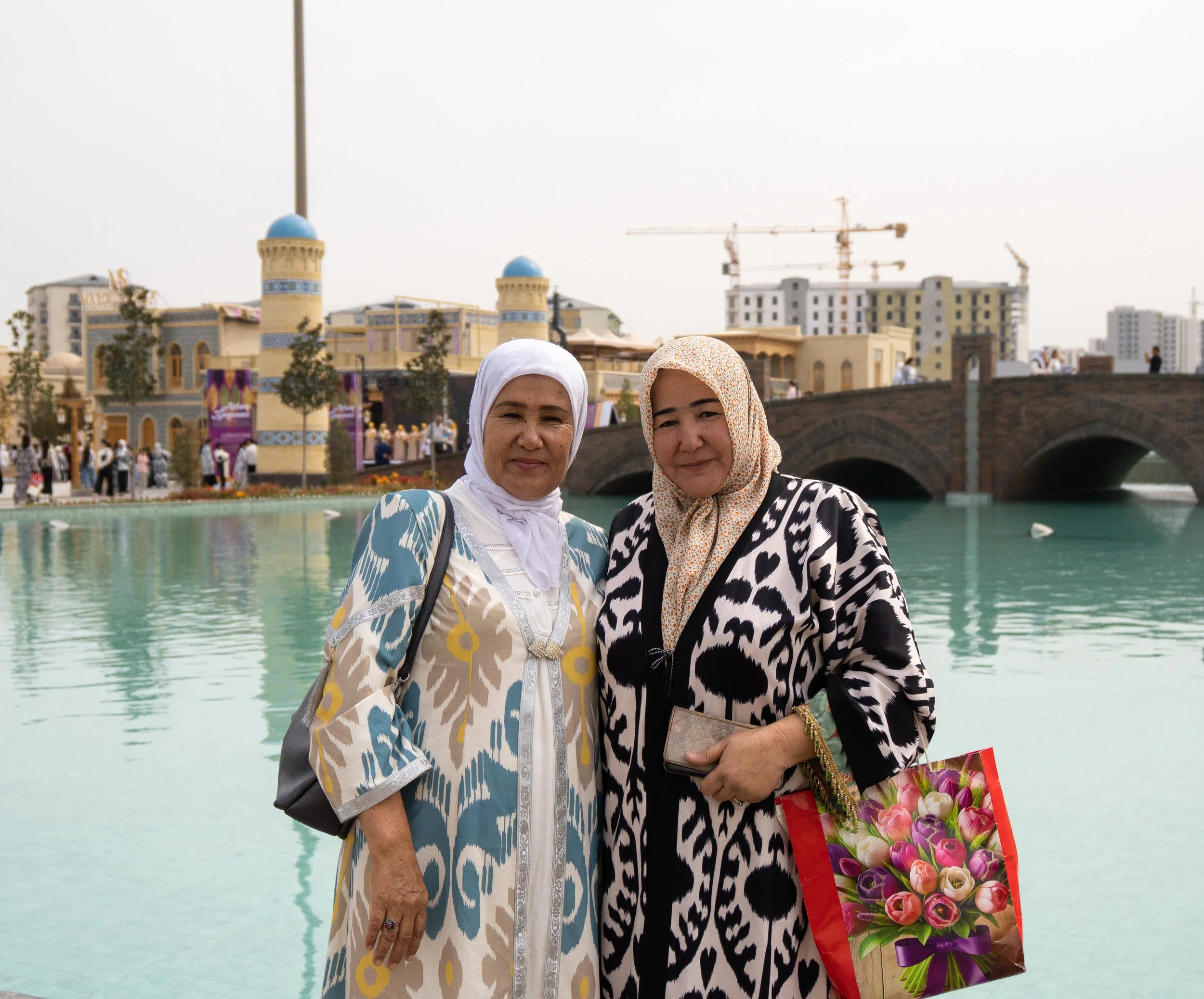
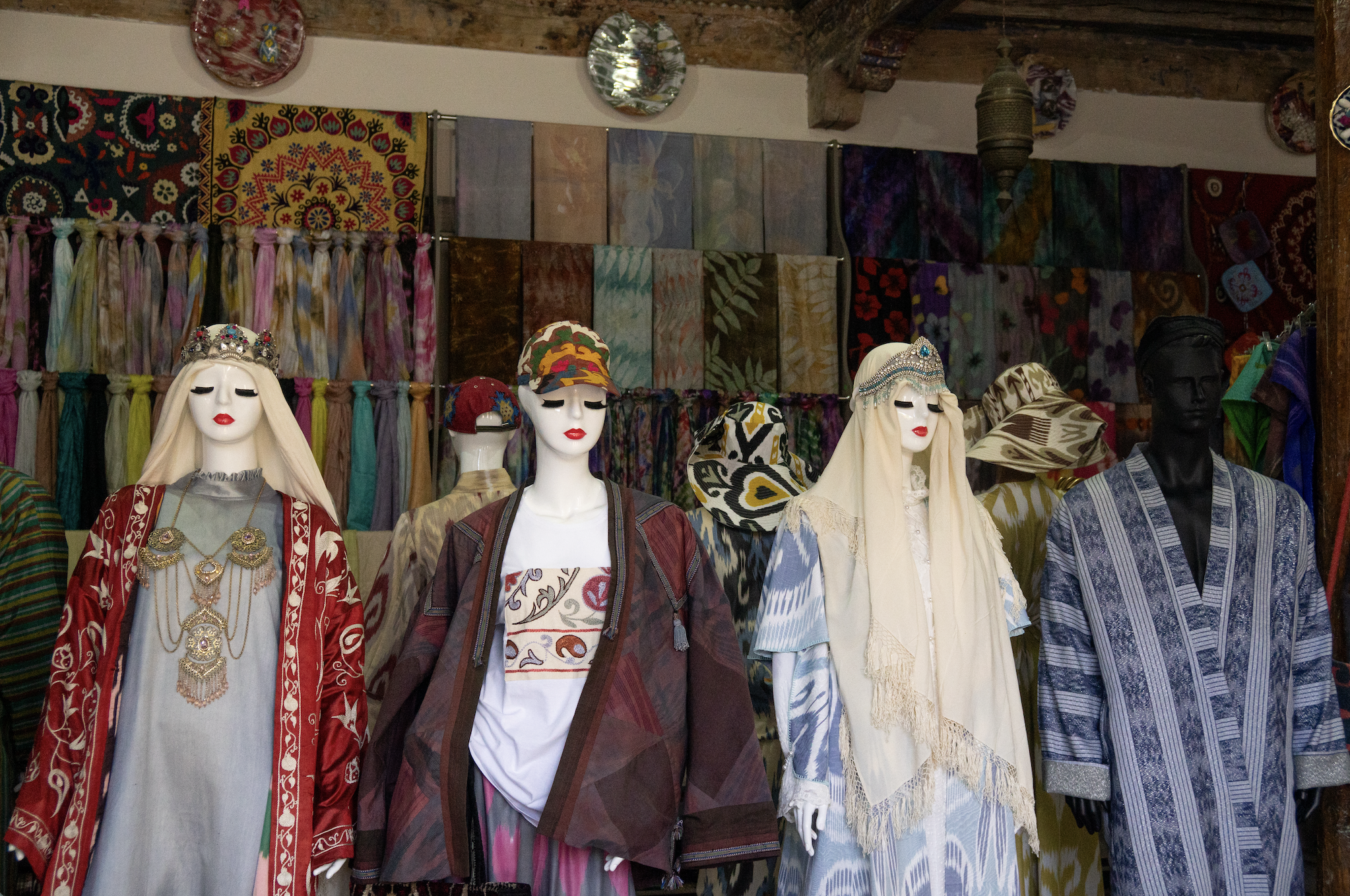
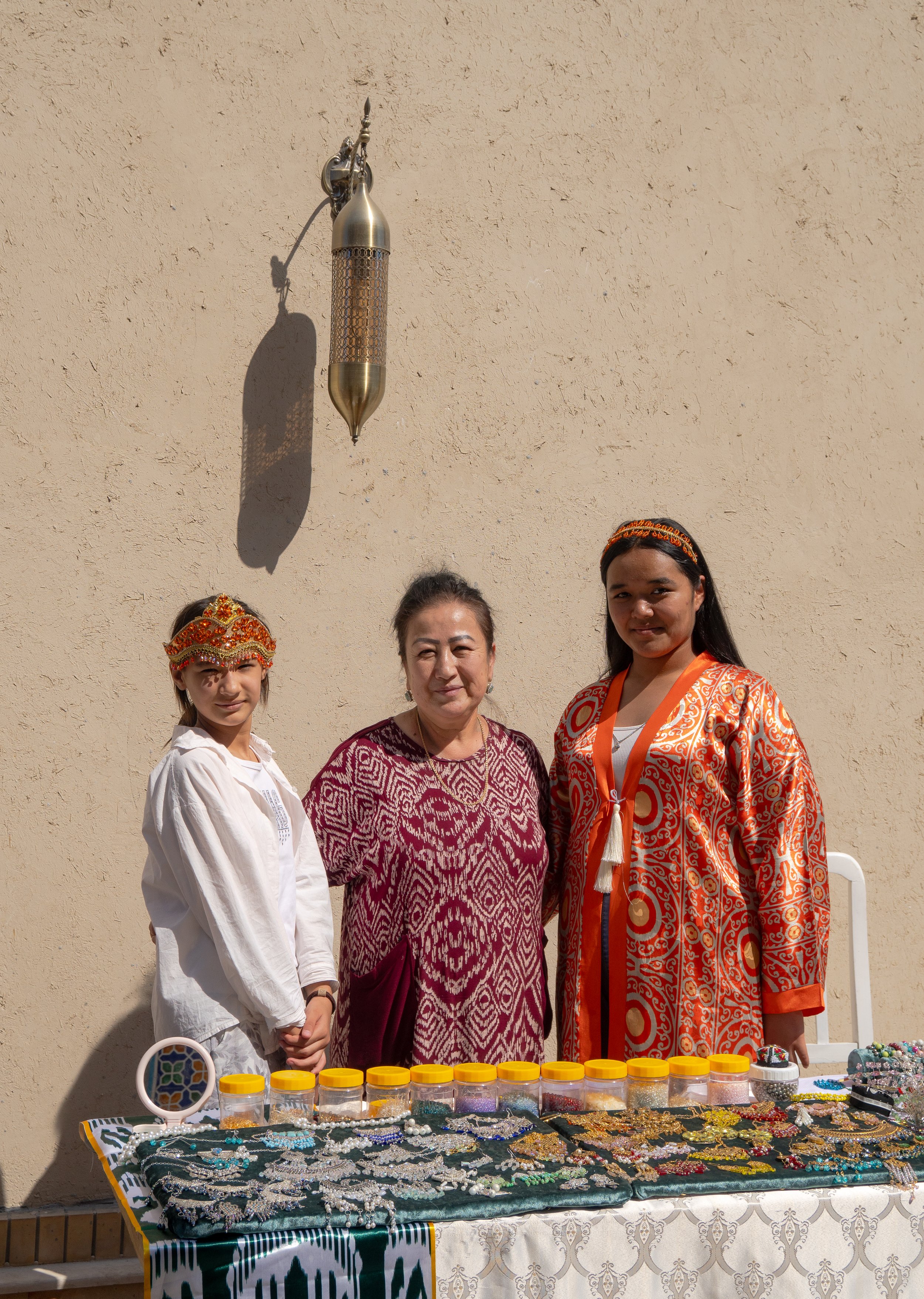
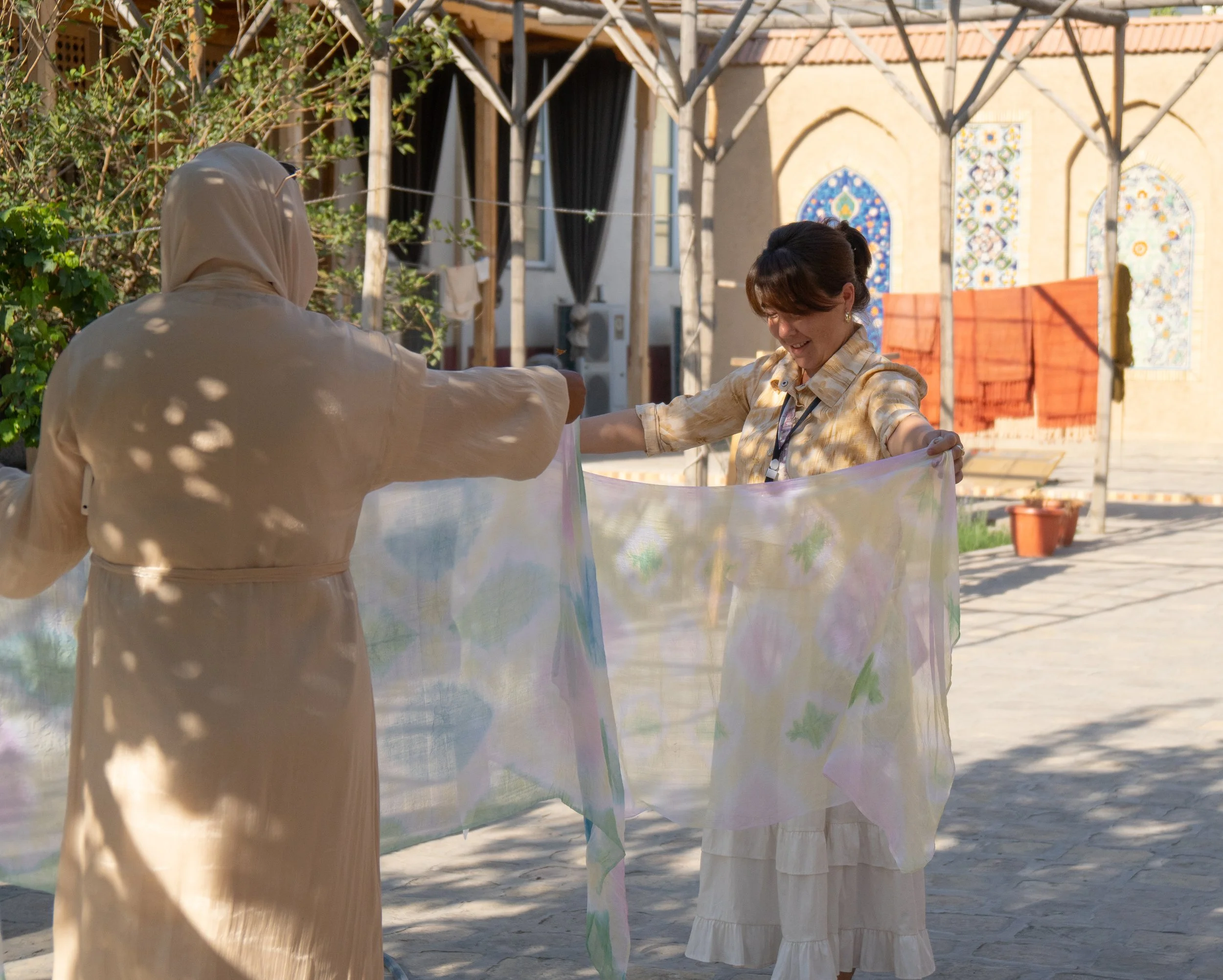
Atlas is a luxurious, traditional Uzbek textile woven from 100% natural silk. It is typically used to make vibrant festive or cultural clothing, such as dresses, bridalwear, and other apparel. Atlas is widely considered the national fabric of Uzbekistan– you’ll likely encounter the geometric, watercolour-like patterns characteristic of traditional Atlas throughout each corner of the country!
The History of Atlas, and its Importance to Uzbek Culture
The art of Atlas weaving is rooted in centuries of history, generational mastery and widespread cultural significance. Silk-weaving techniques were originally introduced to Uzbekistan over 1000 years ago, believed to be shared by China through Silk Road trading routes. Over centuries, Uzbekistan developed distinct and specialised techniques for producing silk textiles, resulting in the Atlas (100% silk) and Adras (blend of 50% silk, 50% cotton) fabrics we see today.
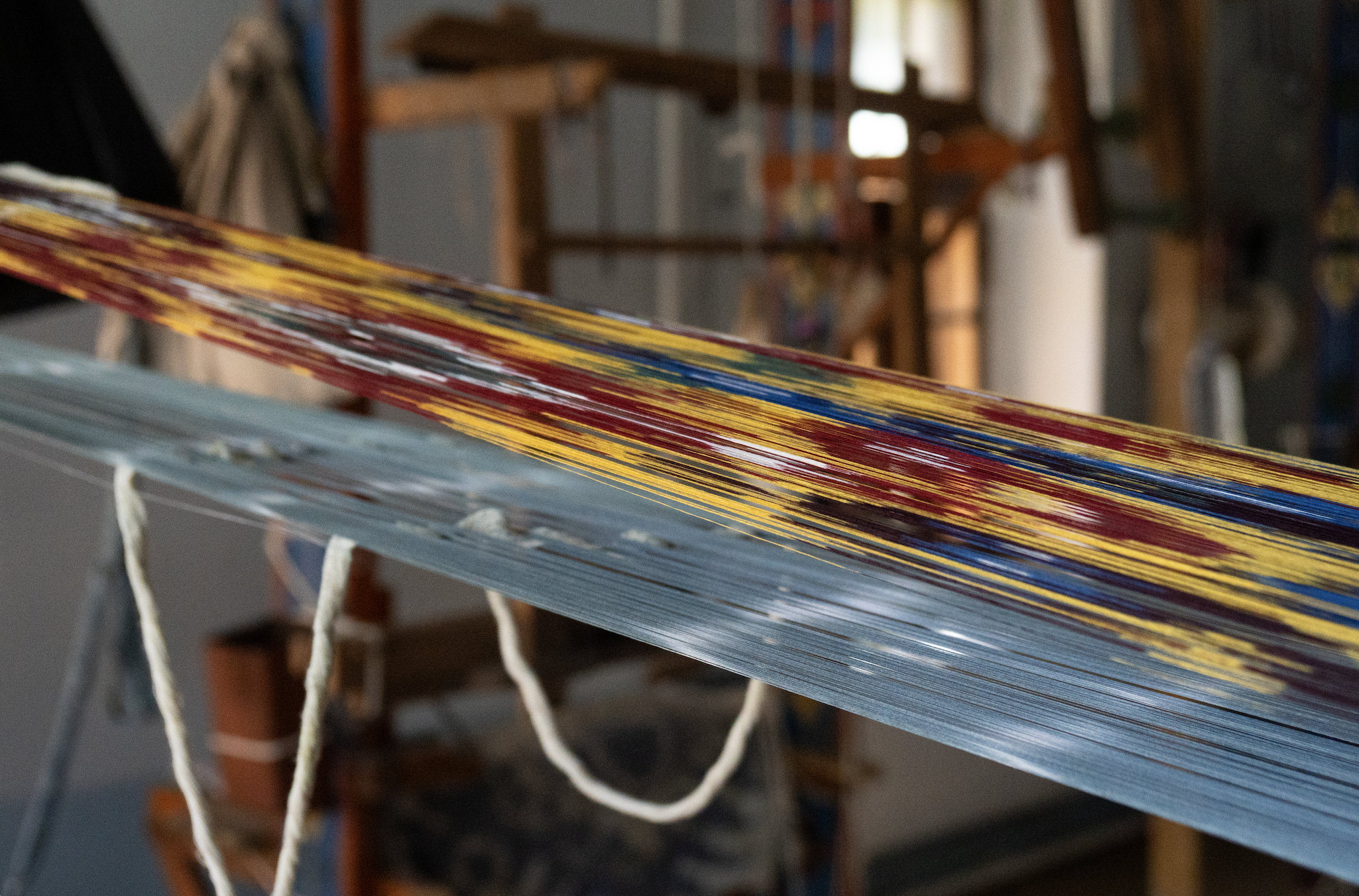
The unmistakable cloud-like patterns Atlas and Adras share are unique to the Fergana Valley and greater Central Asia regions, thanks to a special technique known as Ikat/Abrbandi, translating quite literally to “cloud binding”.
The story behind these designs, according to an ancient Fergana legend, follows that of a poor weaver, who desperately wanted to save his daughter from marriage to a local ruler (khan). When the ruler approached the man, he fell to his knees and begged the ruler to reconsider. The ruler agreed, on the condition that the man would create something so beautiful, it would make him forget the beauty of his daughter. The man, pondering the impossible request, sat at the bank of a water channel, and in its reflection, saw the hues of the rainbow between the post-rainstorm clouds. Inspired by the shimmering reflection of nature, the man rushed home and got to work– weaving the image into what is now known as Khan-Atlas (royal Atlas). The ruler was astonished by the fabric’s beauty and kept his promise, allowing the weaver’s daughter the freedom to marry for love.
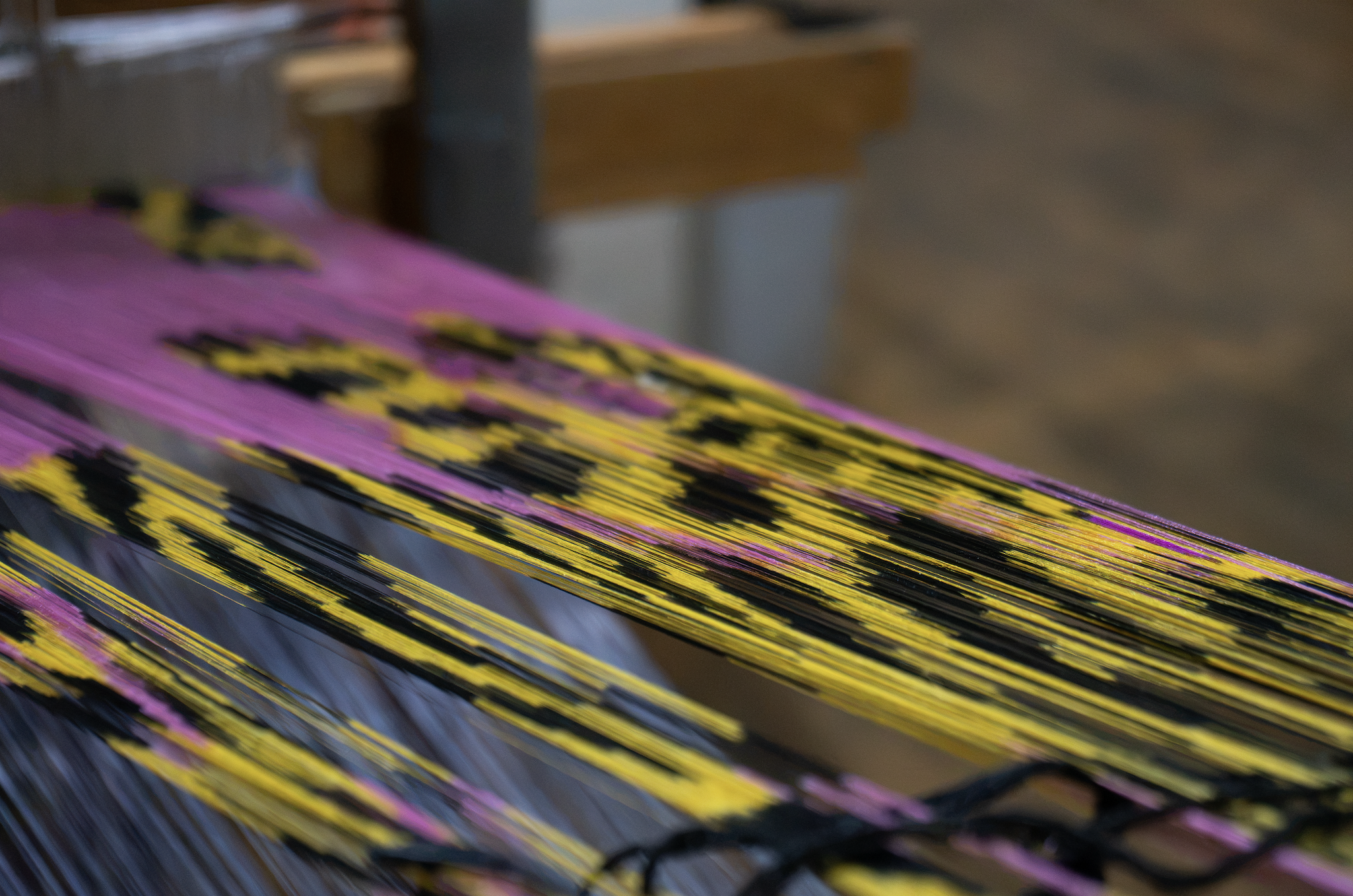
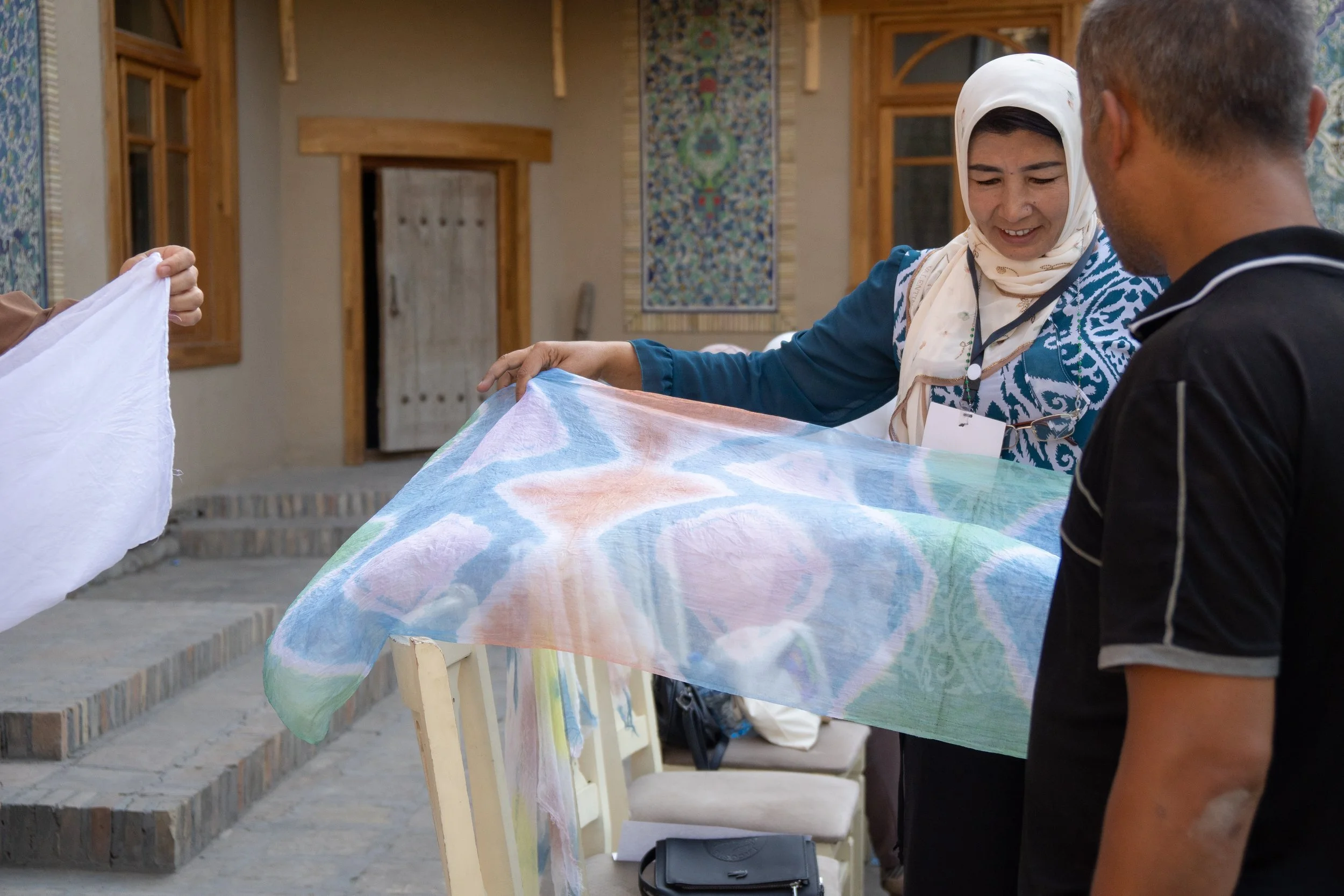
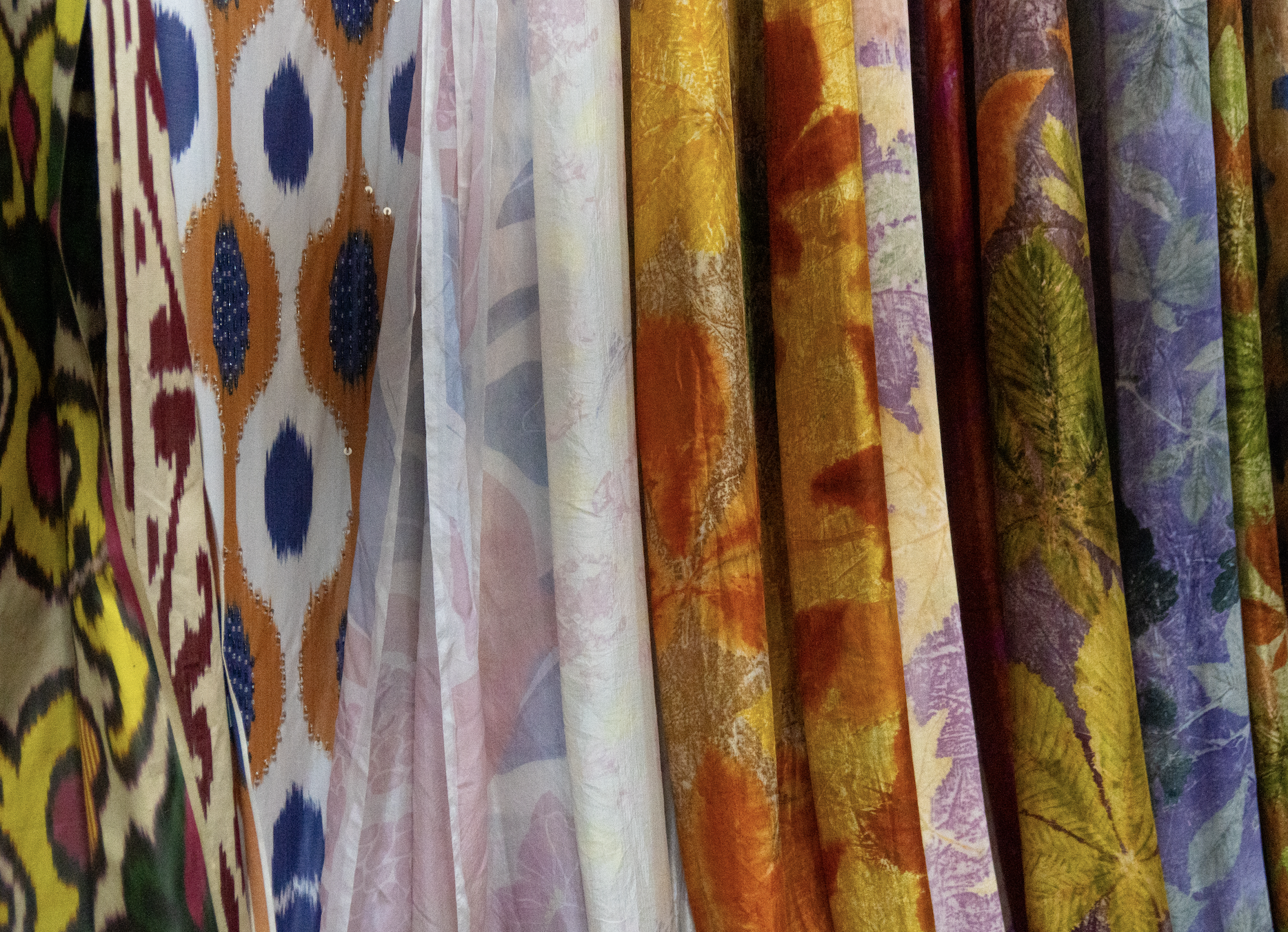
While most other silk textiles are woven first before printing or colour is applied, Atlas/Adras techniques approach the dyeing process differently.
How Traditional Atlas is Made: A Brief Summary
Step One: Acquiring the Silk
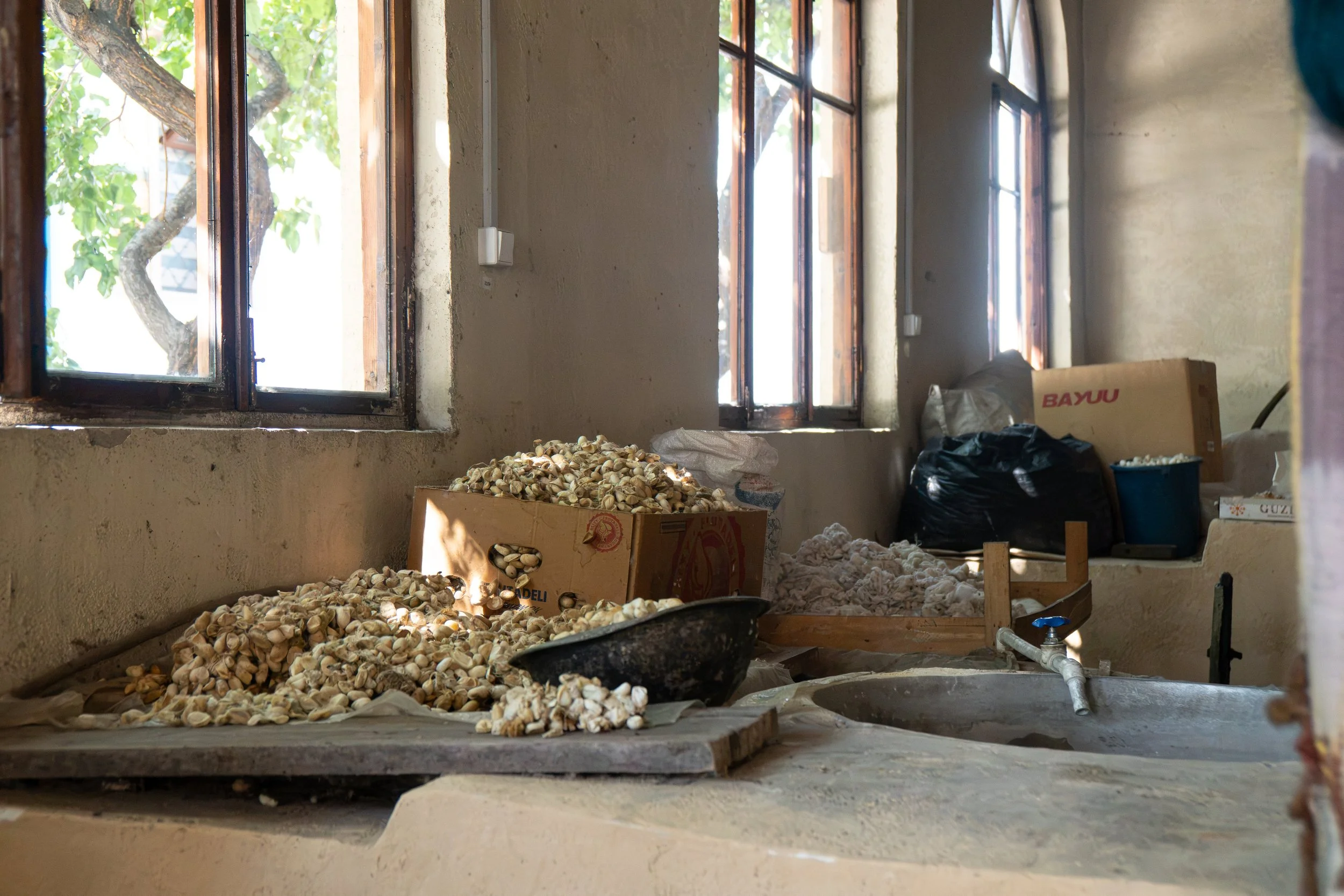
Atlas uses silk acquired from the cocoons of mulberry silkworms, who feed exclusively on leaves from white mulberry trees that grow widely in the region. Silkworms grow in controlled environments, and once ready, cocoons are boiled and treated with heat, allowing workers to harvest the silk fibres.
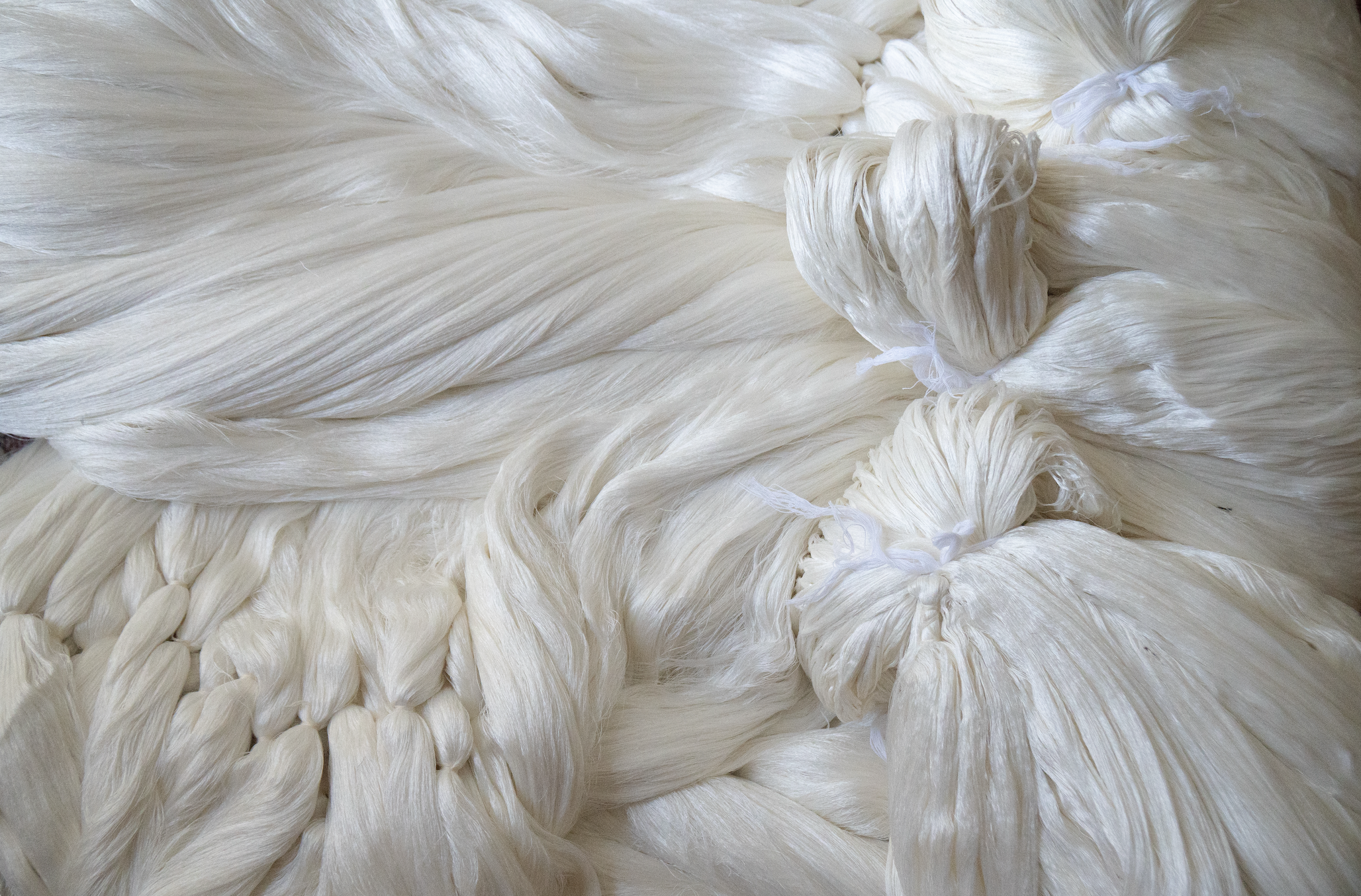
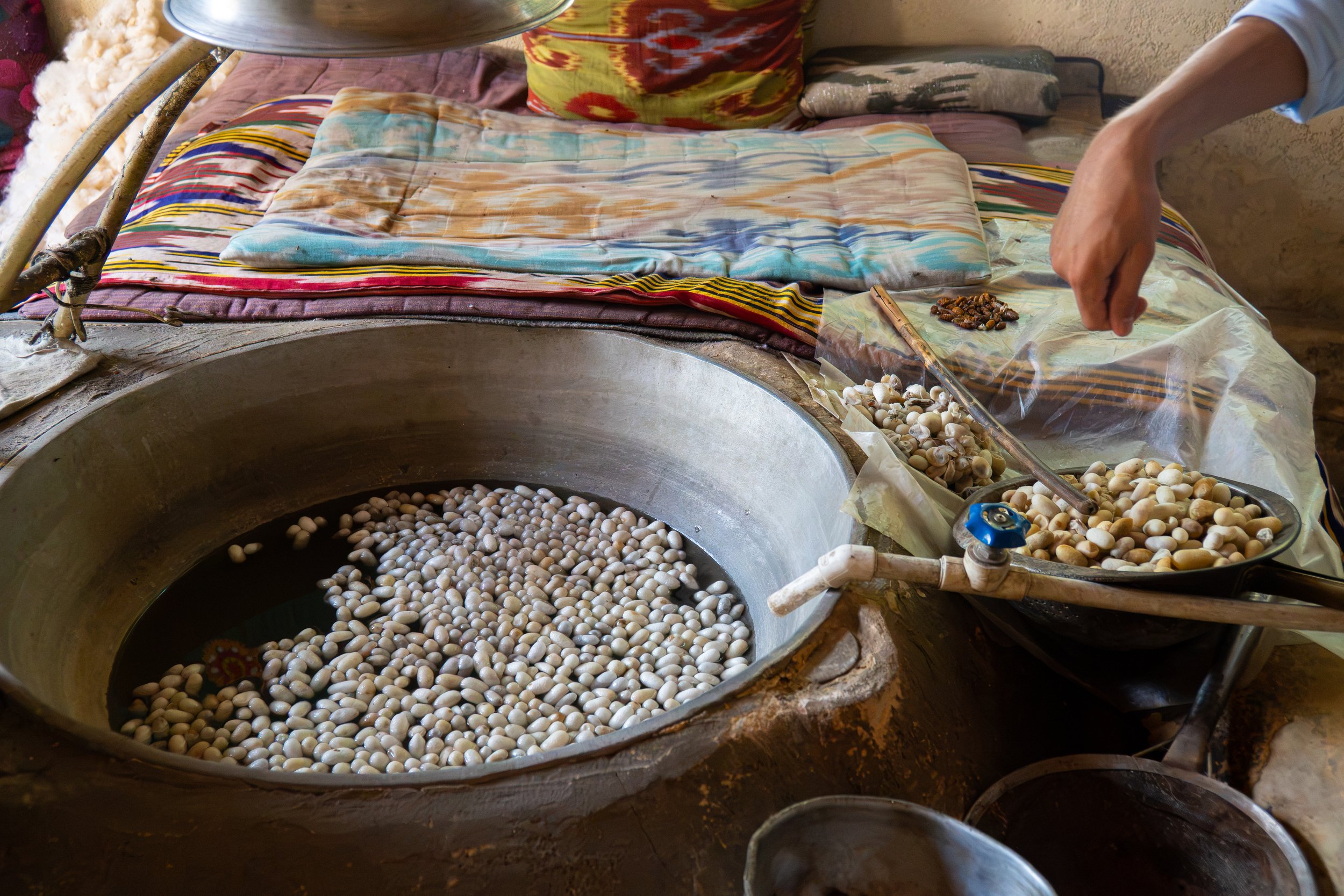
Step Two: Preparing the Pattern
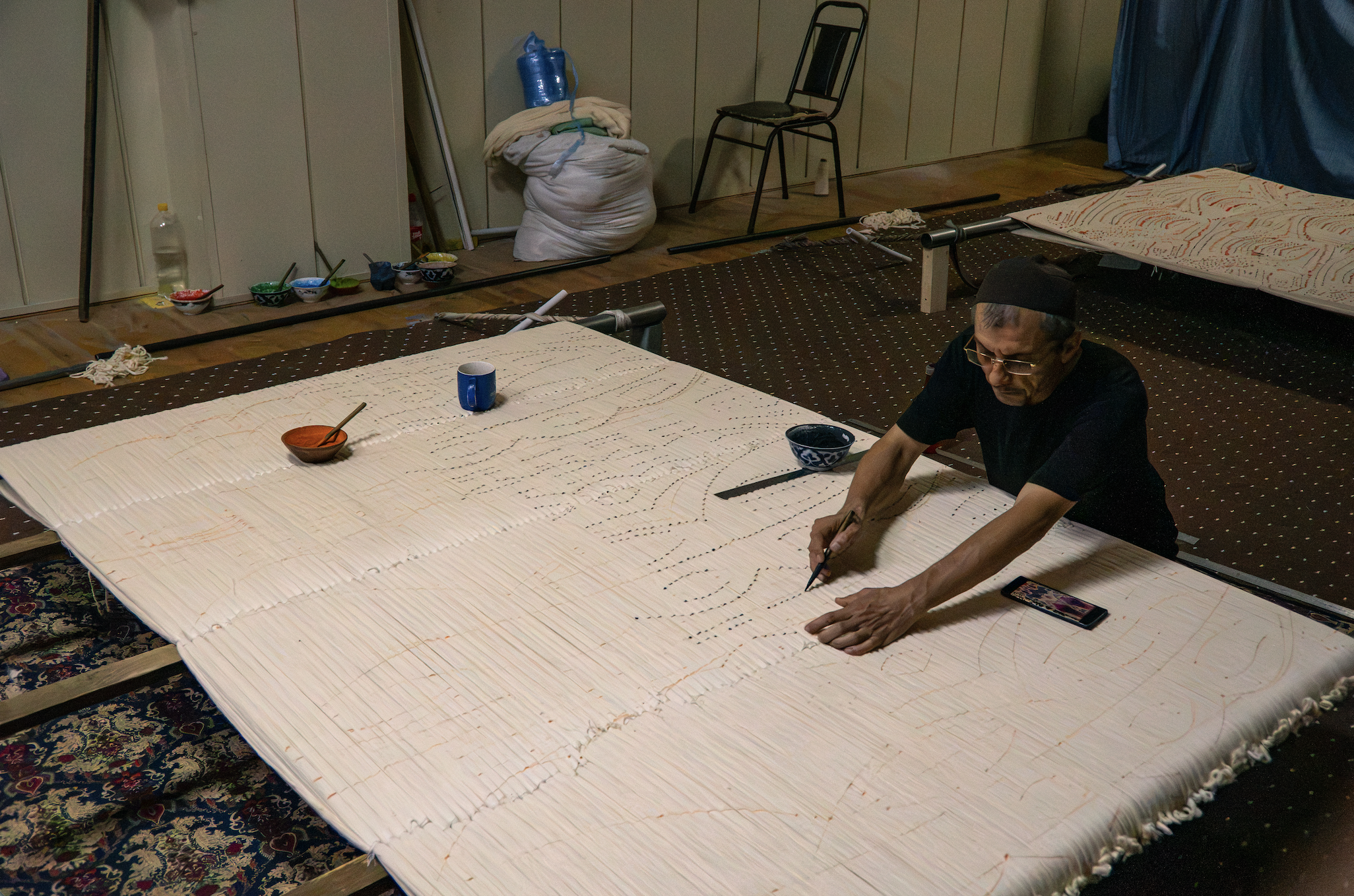
Raw silk threads used to create Atlas are first stretched across a frame, allowing master designers to plot out pattern guides, using charcoal or ink.
Step Three: Resit-dyeing using Ikat/Abrbandi Techniques
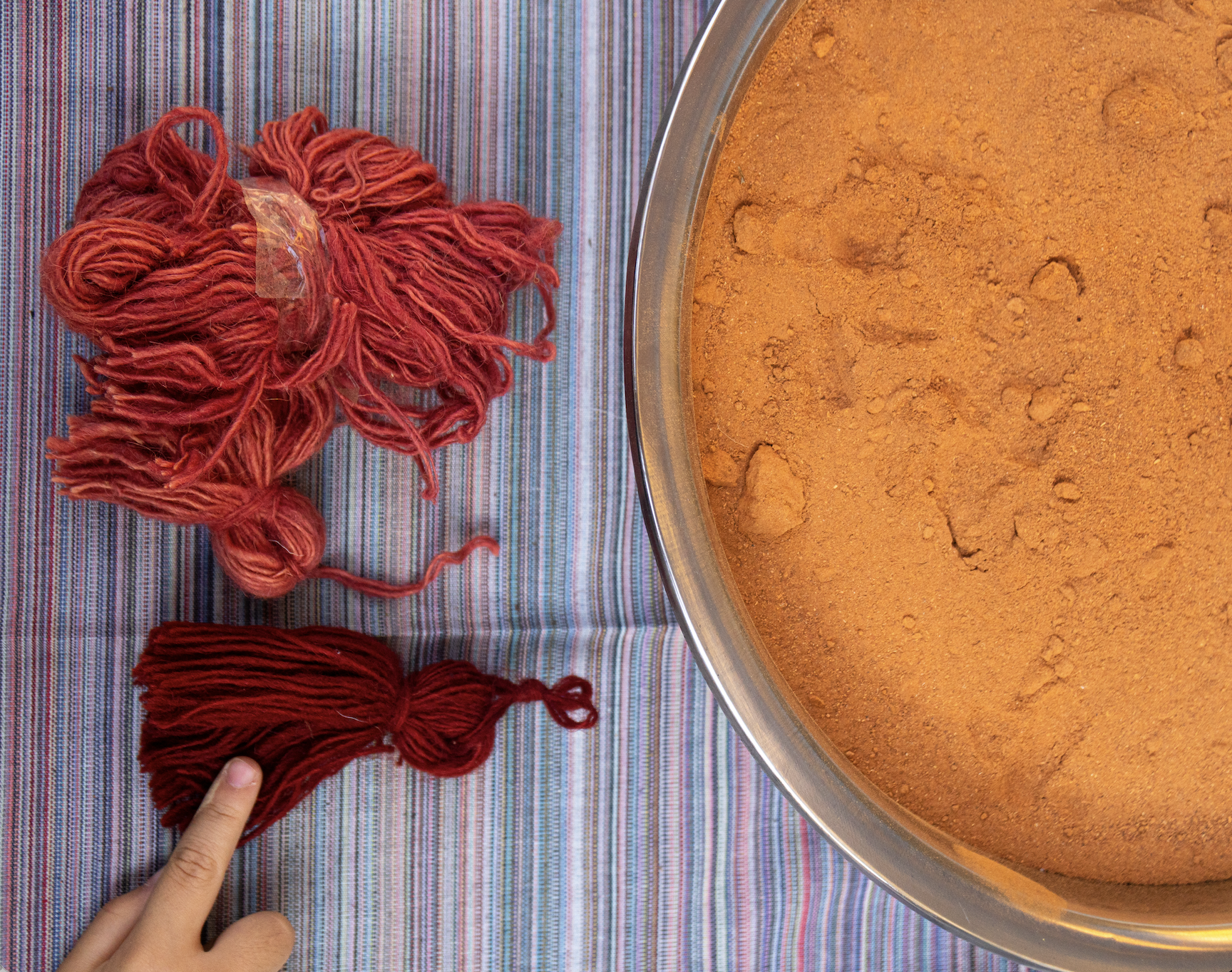
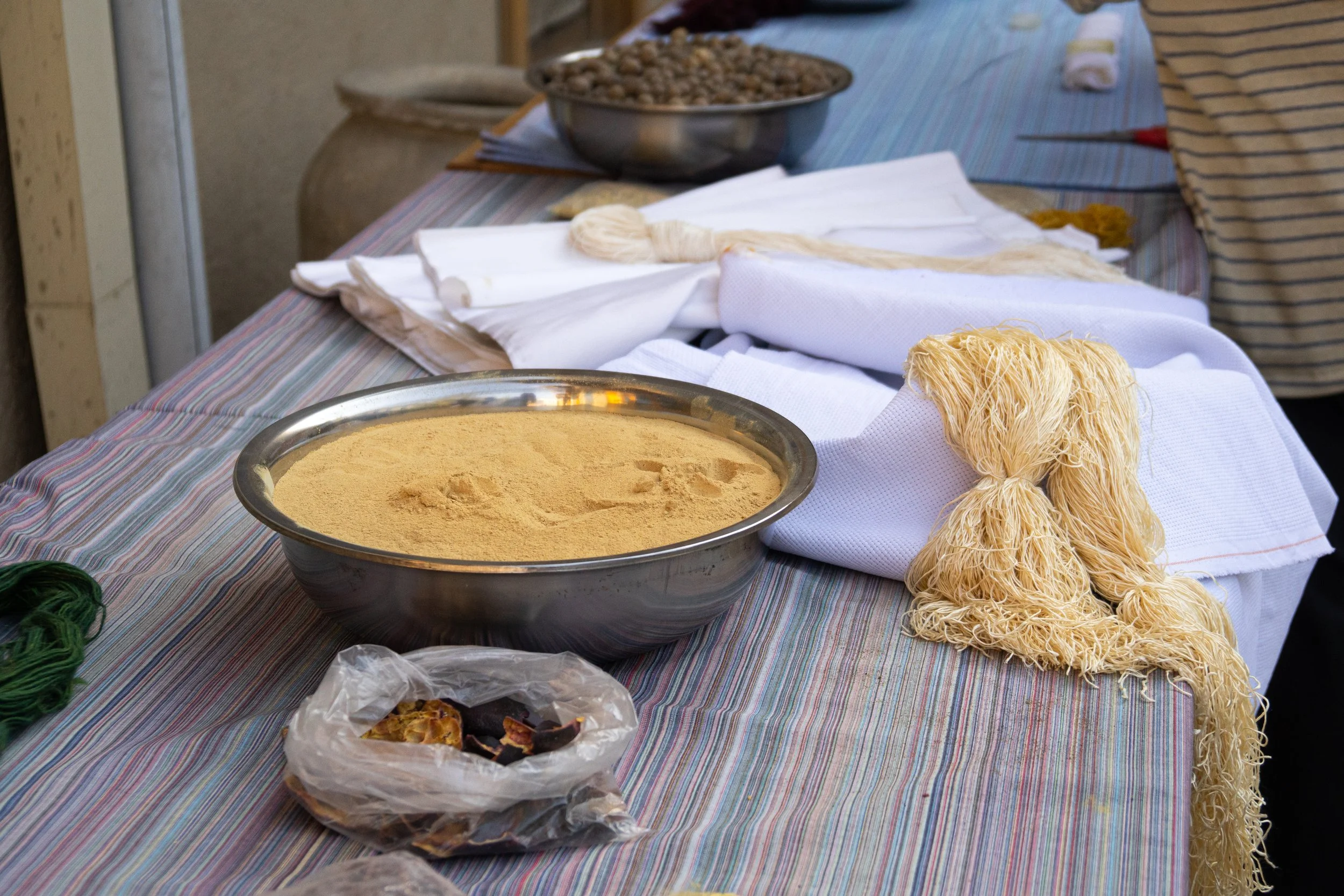
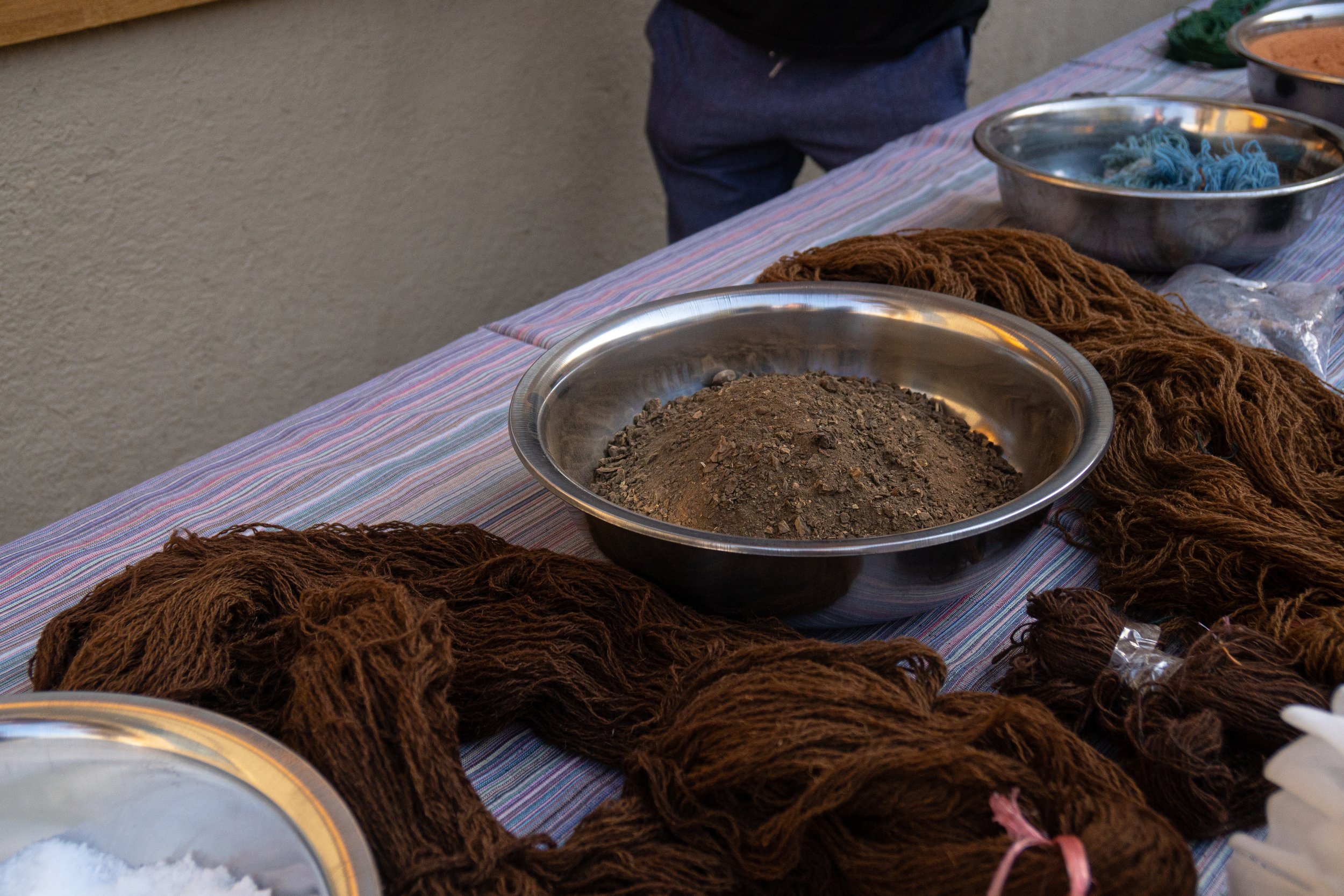
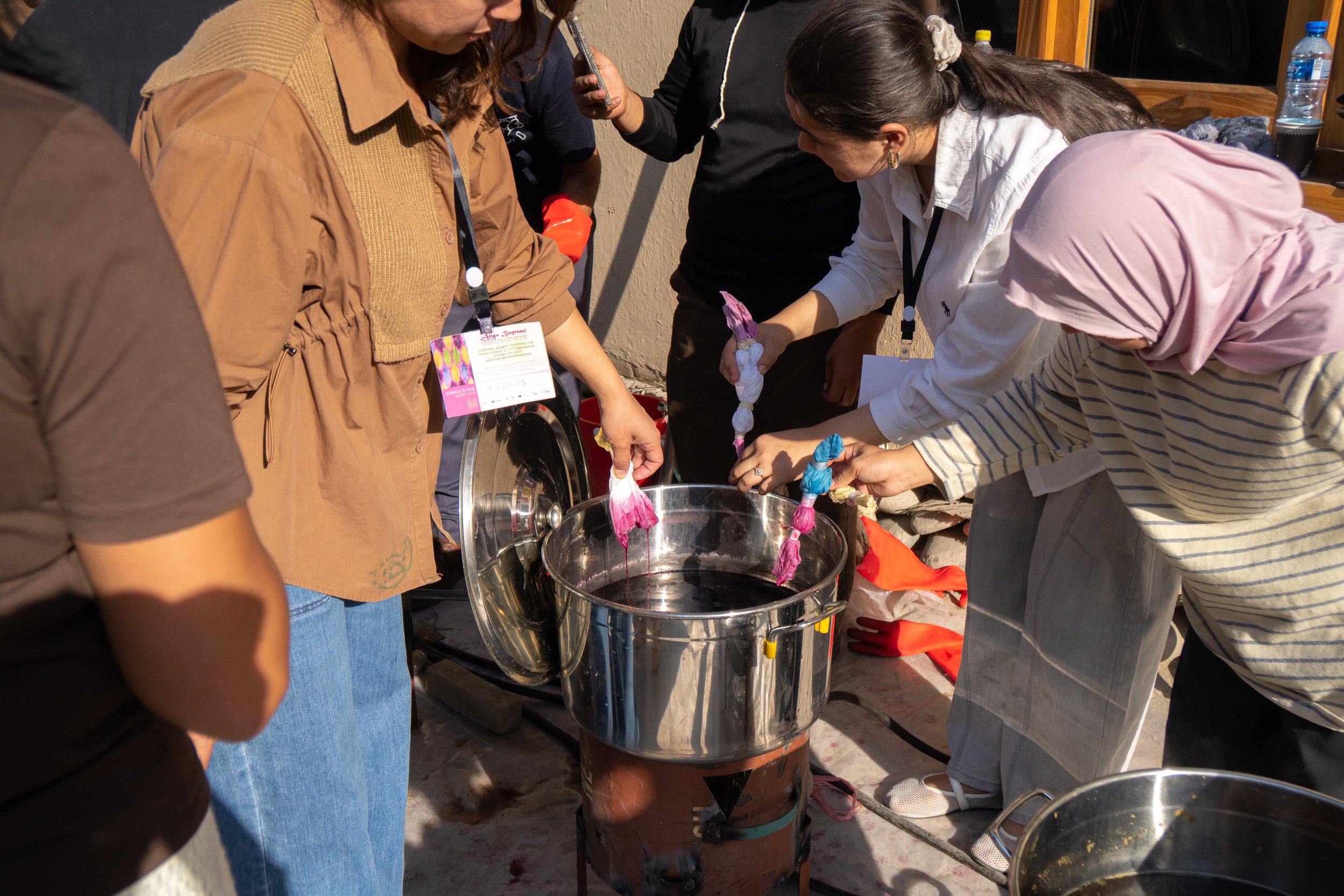
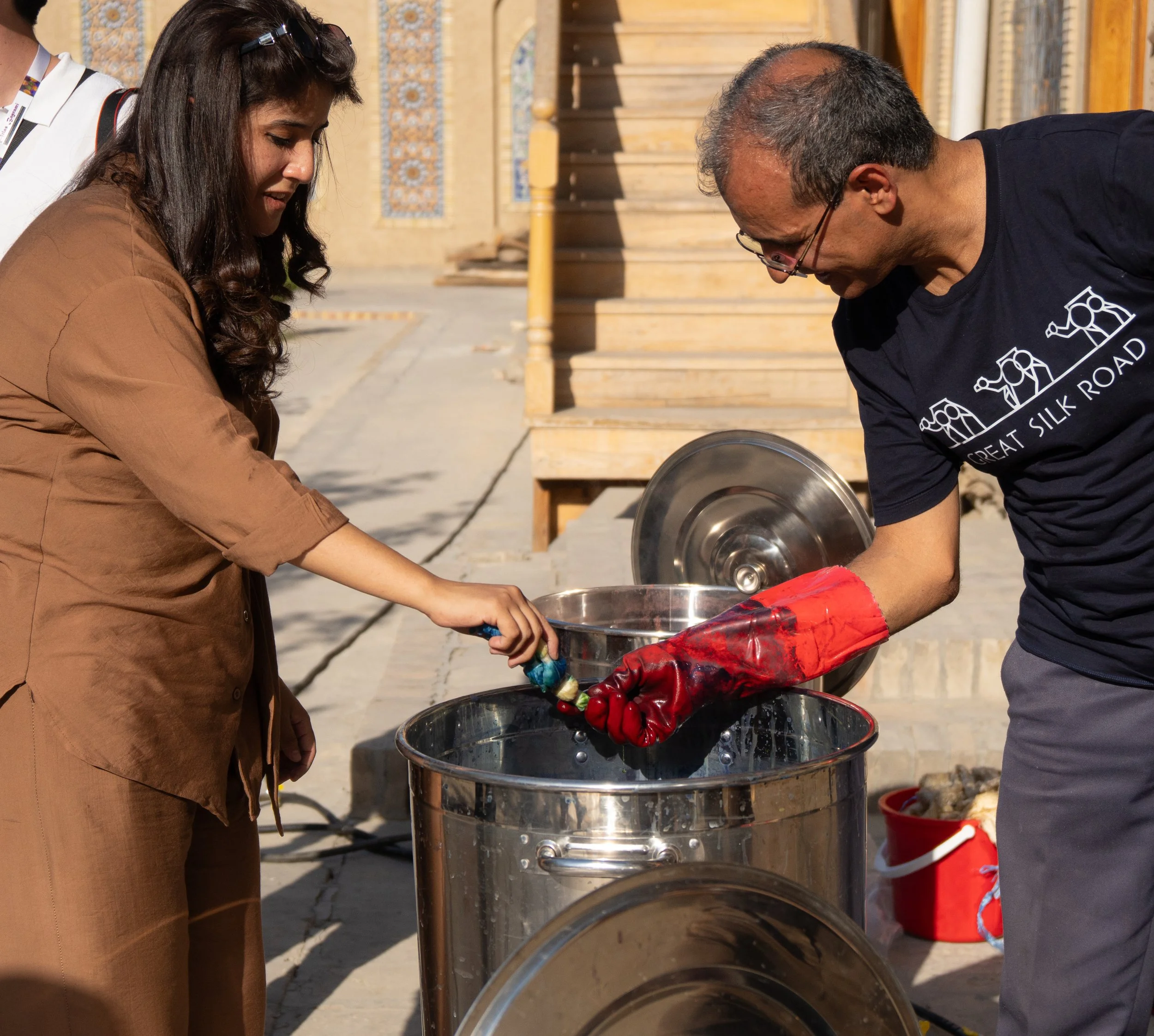
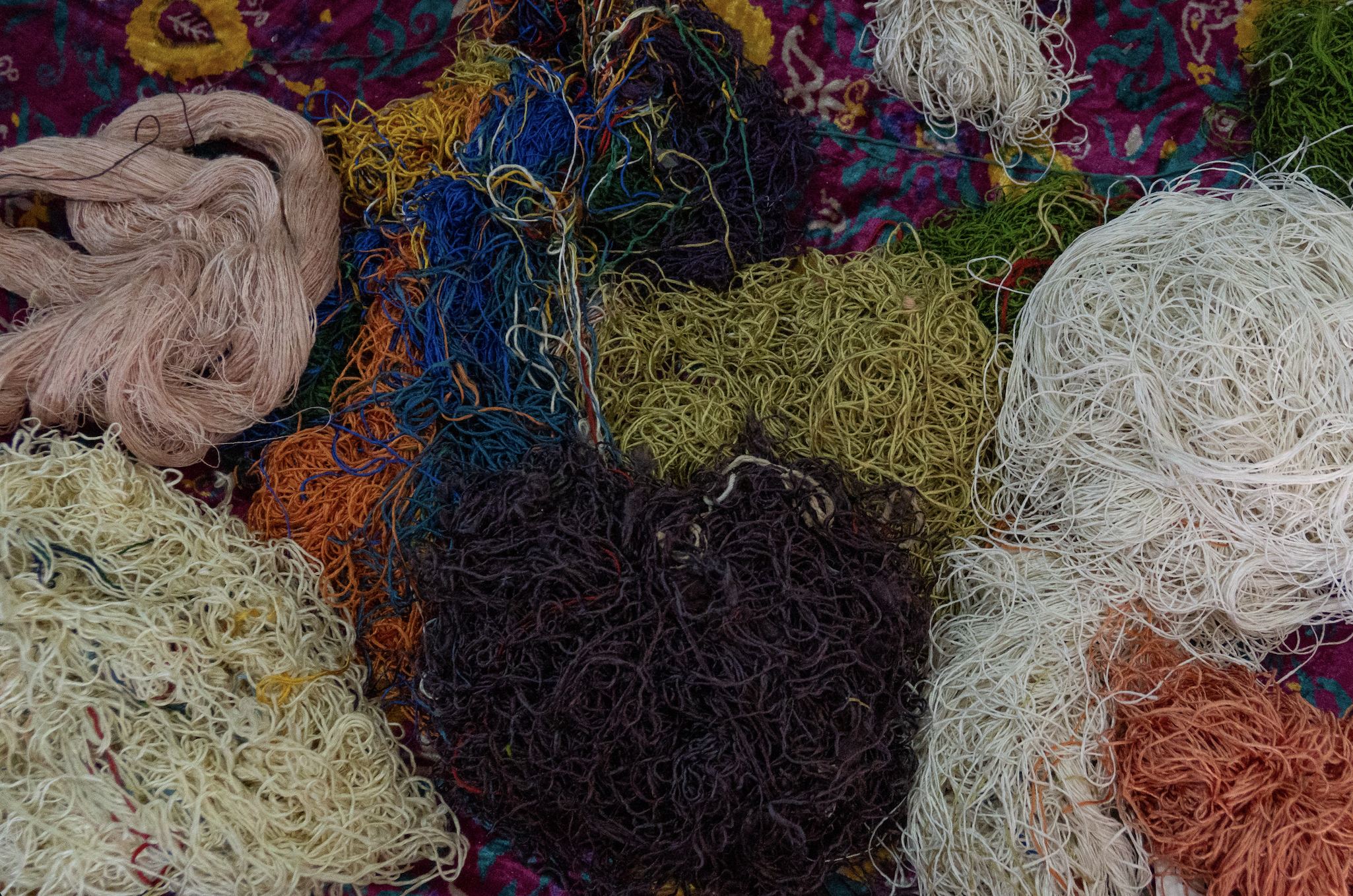
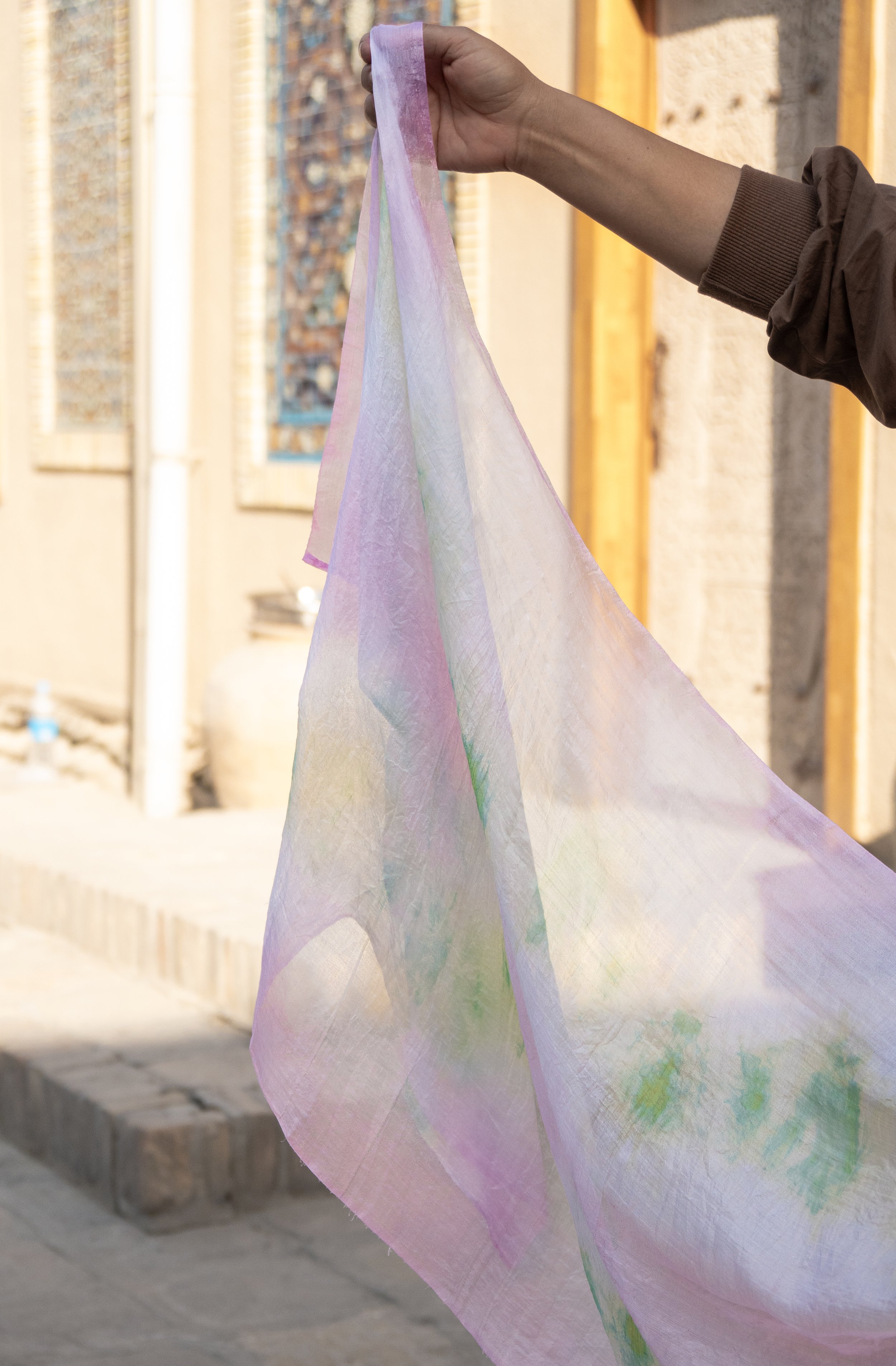
Silk fibres are then bundled and resist-dyed using a warp-tie technique (similar to tie-dye). Yarn is tightly bound, then dyed, ensuring coloured threads maintain the intended pattern. What makes this process even more special, is its innate sustainability, prioritising the use of natural pigments. Traditionally, masters have primarily used local and traded ingredients such as pomegranate rinds, walnut or onion shells, various roots and indigo to achieve the bright colours we see on finished Atlas fabrics.
Step Four: Weaving the Atlas
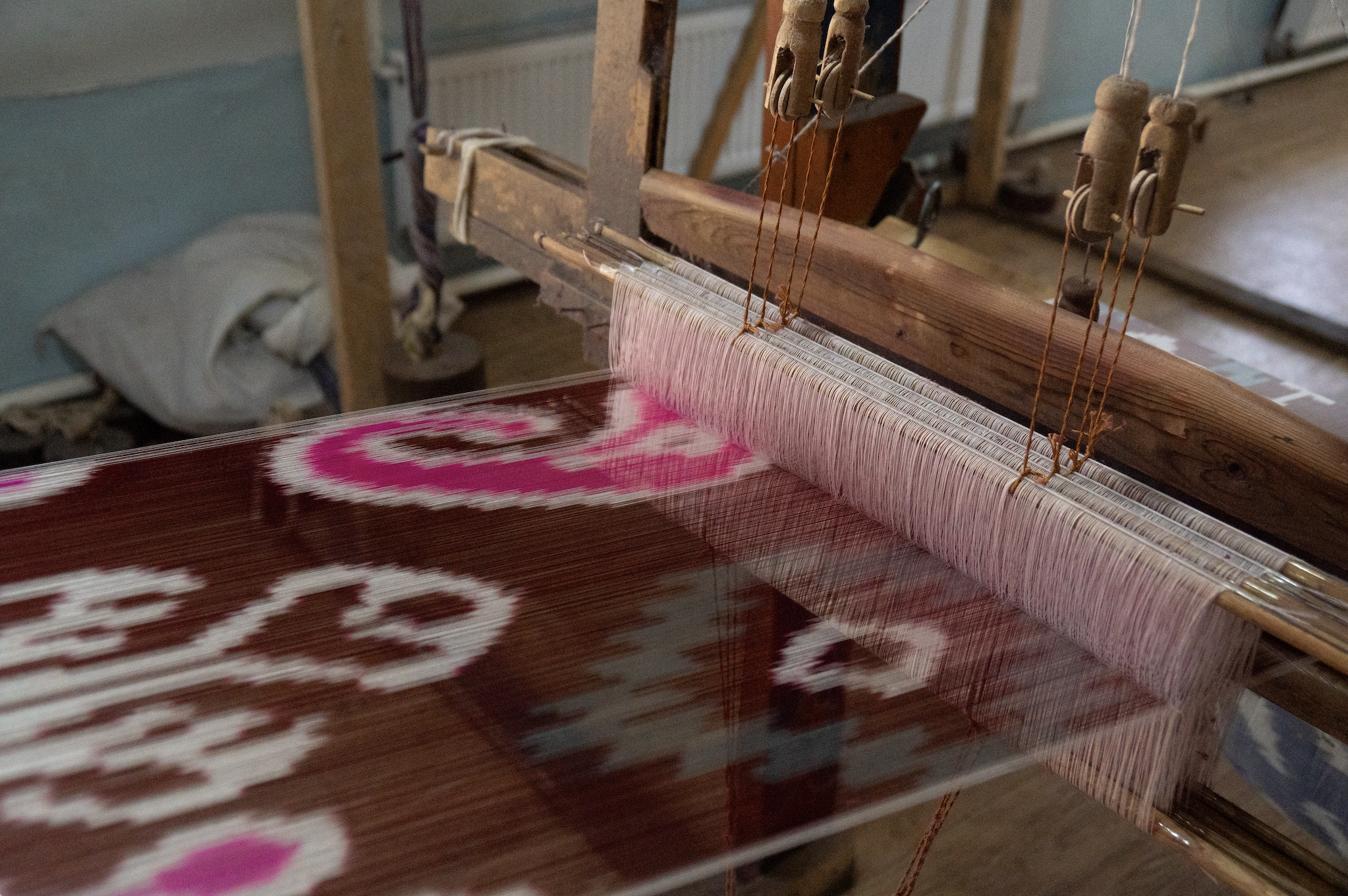
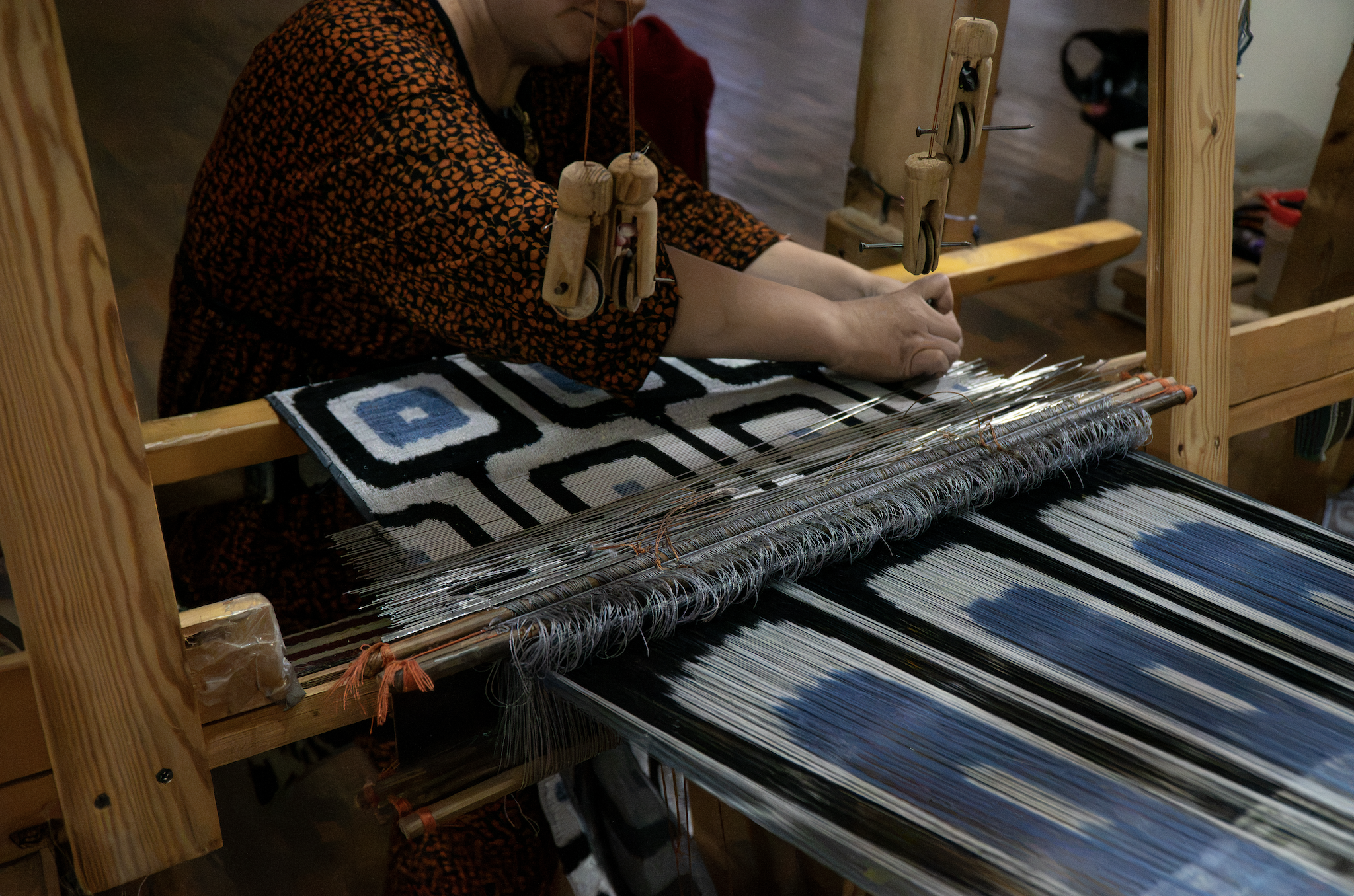
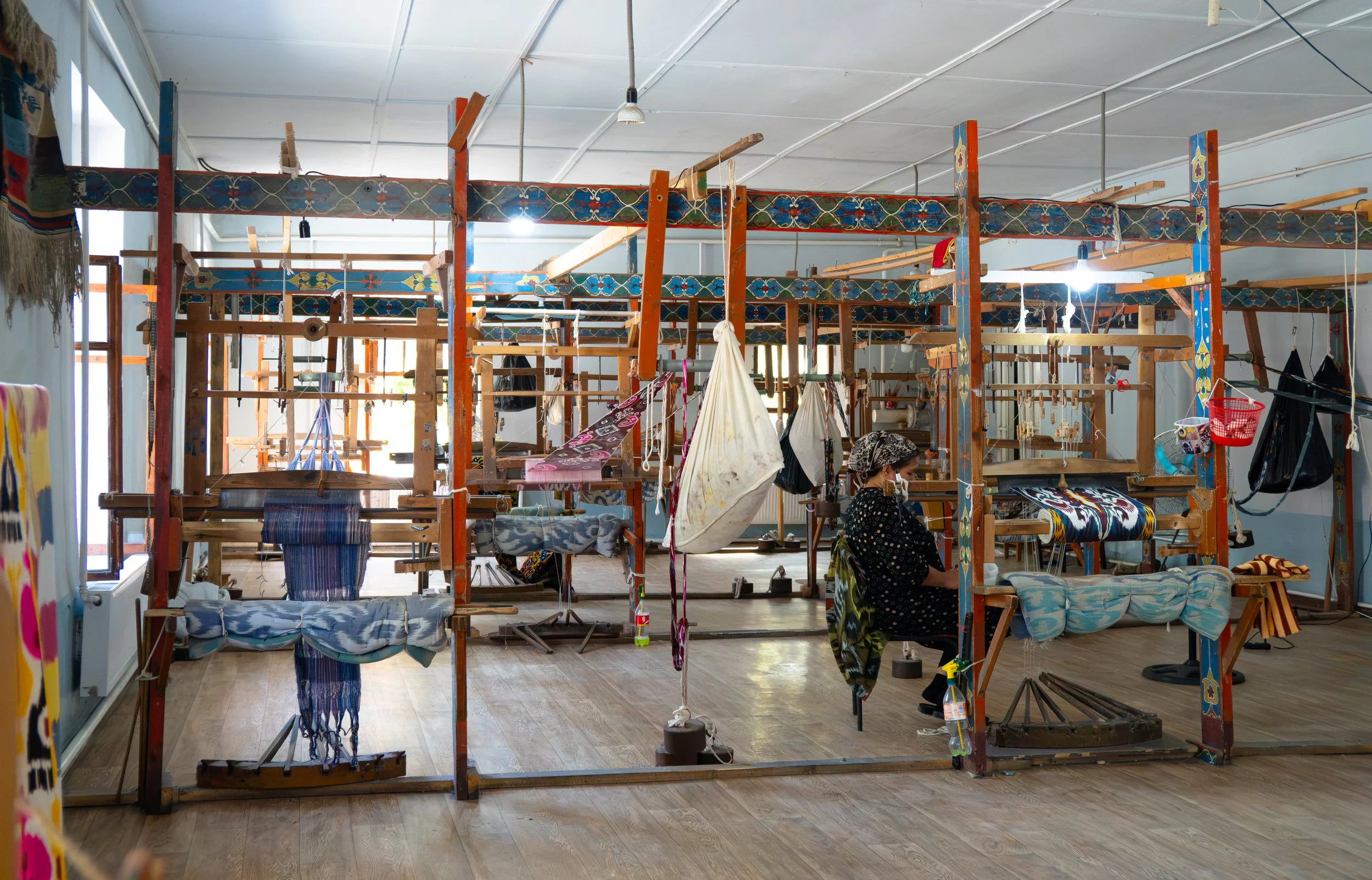
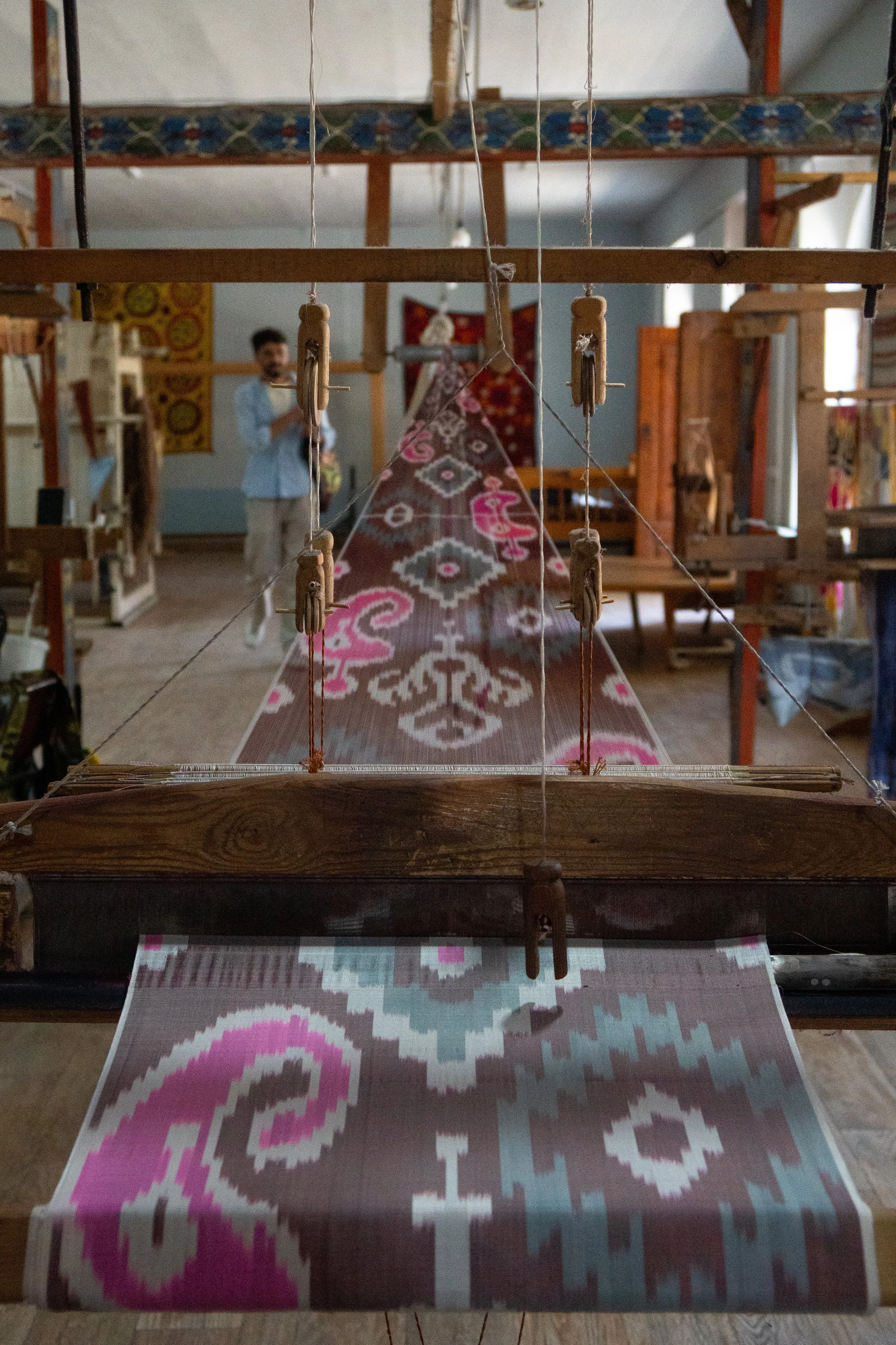
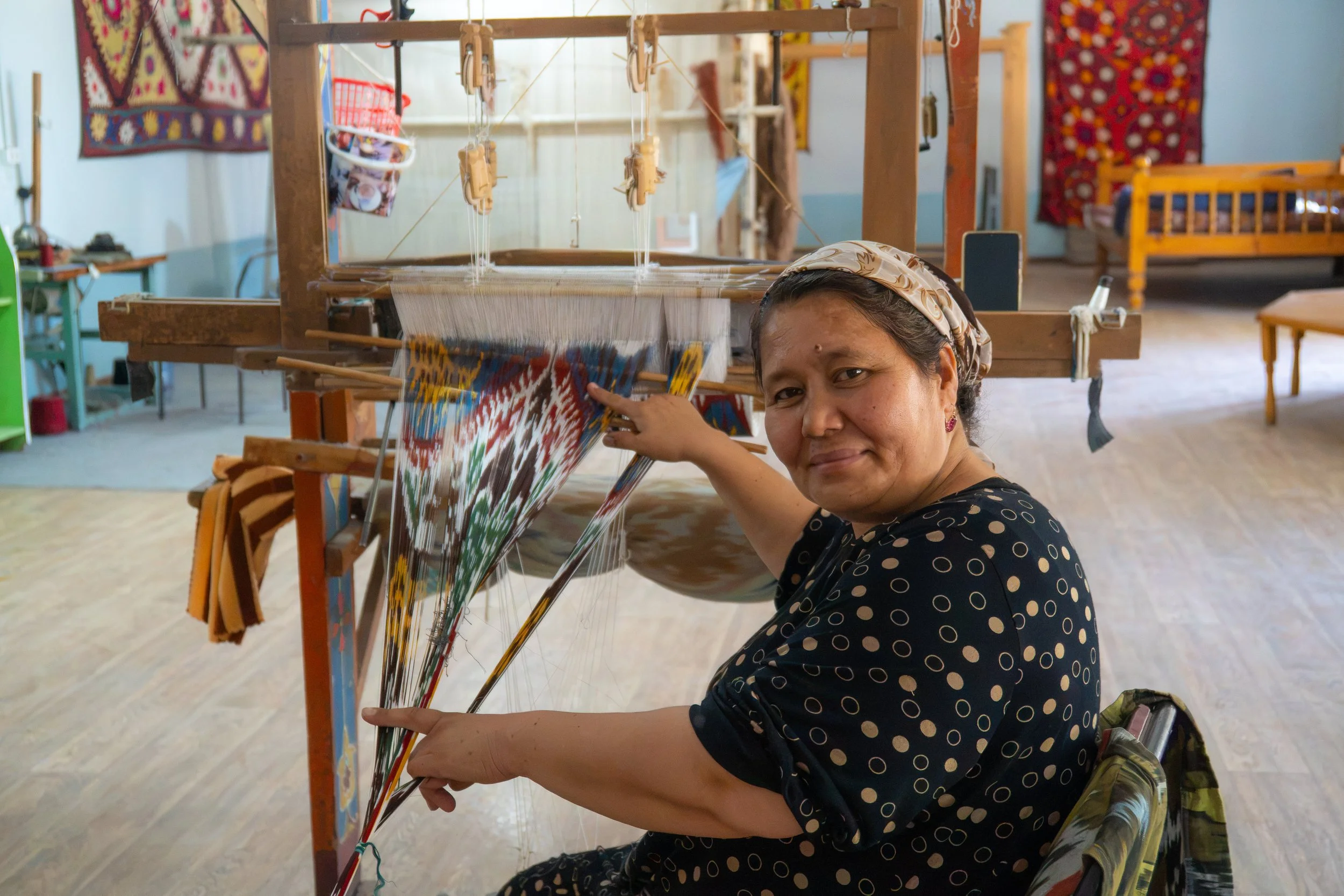
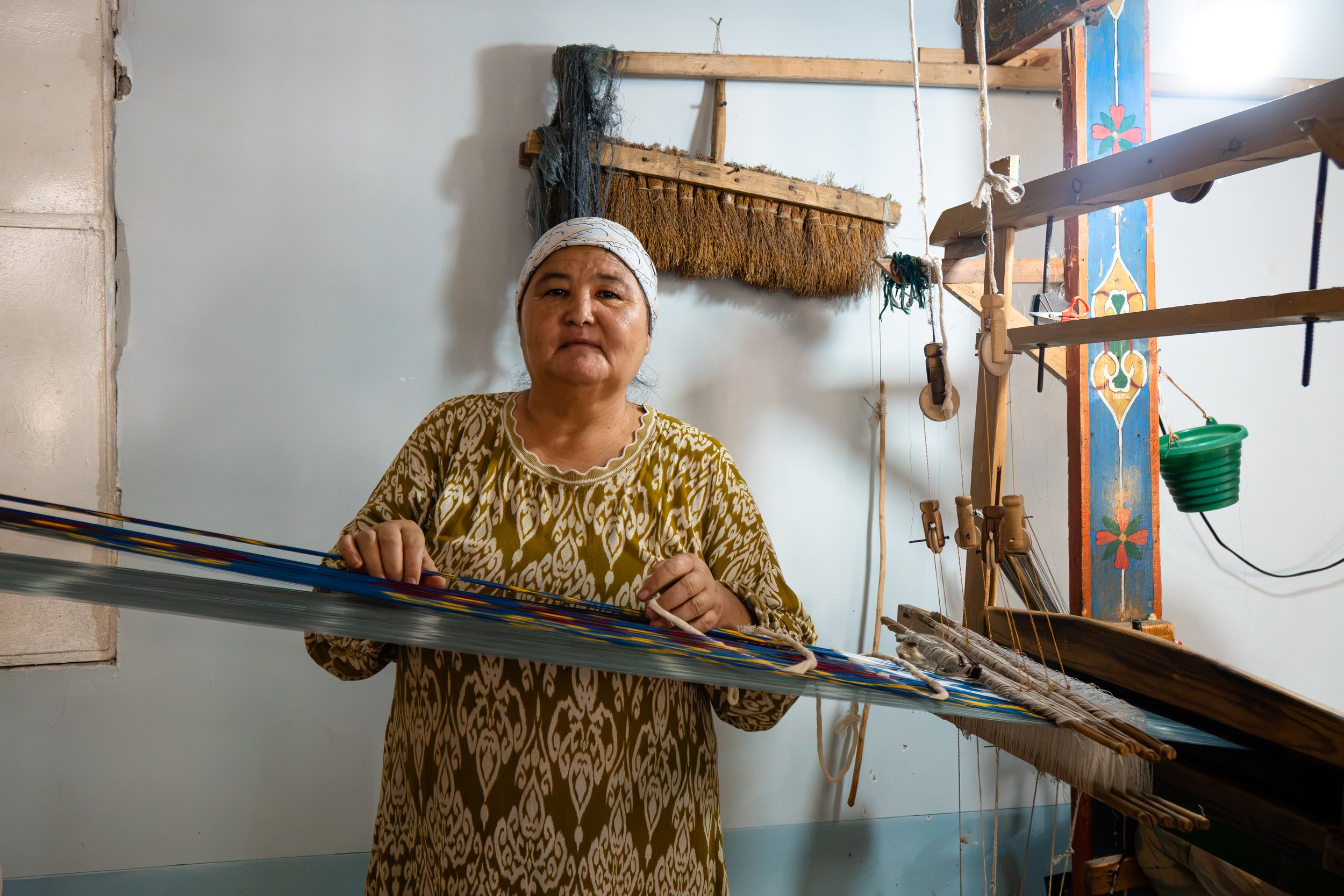
Coloured yarn is then carefully spread out and woven into its final form– this may be Atlas, Adras or other fabrics (see a brief glossary below). Traditionally, this was done by hand, using a wooden loom.
You can witness first hand the magic behind this process at various centres around Margilan/Fergana, through guided tours, walk-throughs, or workshops. Master weavers at Yodgorlik silk factory have shared that within a work day, they can weave up to 5-6 metres of traditional Atlas fabric, whilst more luxurious fabrics such as Bahmal may require up to eight hours to weave just one metre!
Conserving Traditional Atlas Craftsmanship Techniques
Traditional Atlas weaving is complex, meticulous and requires incredible skill, with techniques passed down between families, and generations of masters. Though most Atlas production in Uzbekistan maintains traditional Ikat/Abrbandi dyeing techniques, nowadays, the majority of Atlas fabrics are produced using machine-looms. That is, if the fabric is genuine Atlas. Mass produced imitation fabrics, made from synthetic materials such as polyester, also threaten the preservation and economic survival of authentic Atlas. When low-cost, imported replicas oversaturate the market, demand and opportunities for traditional weavers are reduced.
Margilan, and the Fergana region contain the highest concentration of traditional Ikat weavers in Uzbekistan, with many factories and family workshops continuing to use historical wooden looms, preserving heritage Atlas techniques.
The Impact of the Atlas Bayrami Festival
Atlas Bayrami not only celebrates traditional Atlas techniques, but also creates opportunities to share the craft with the world. Through its vibrant atmosphere and engaging schedule, the festival supports regional tourism, conservation, and the livelihoods of local artisans, safeguarding traditional crafts and culture. Incorporating traditional textiles in contemporary fashion continues to promote Atlas on a global scale, and supports exposure for local designers amongst an international audience.
Read more about Atlas Bayrami and its influence on contemporary fashion here
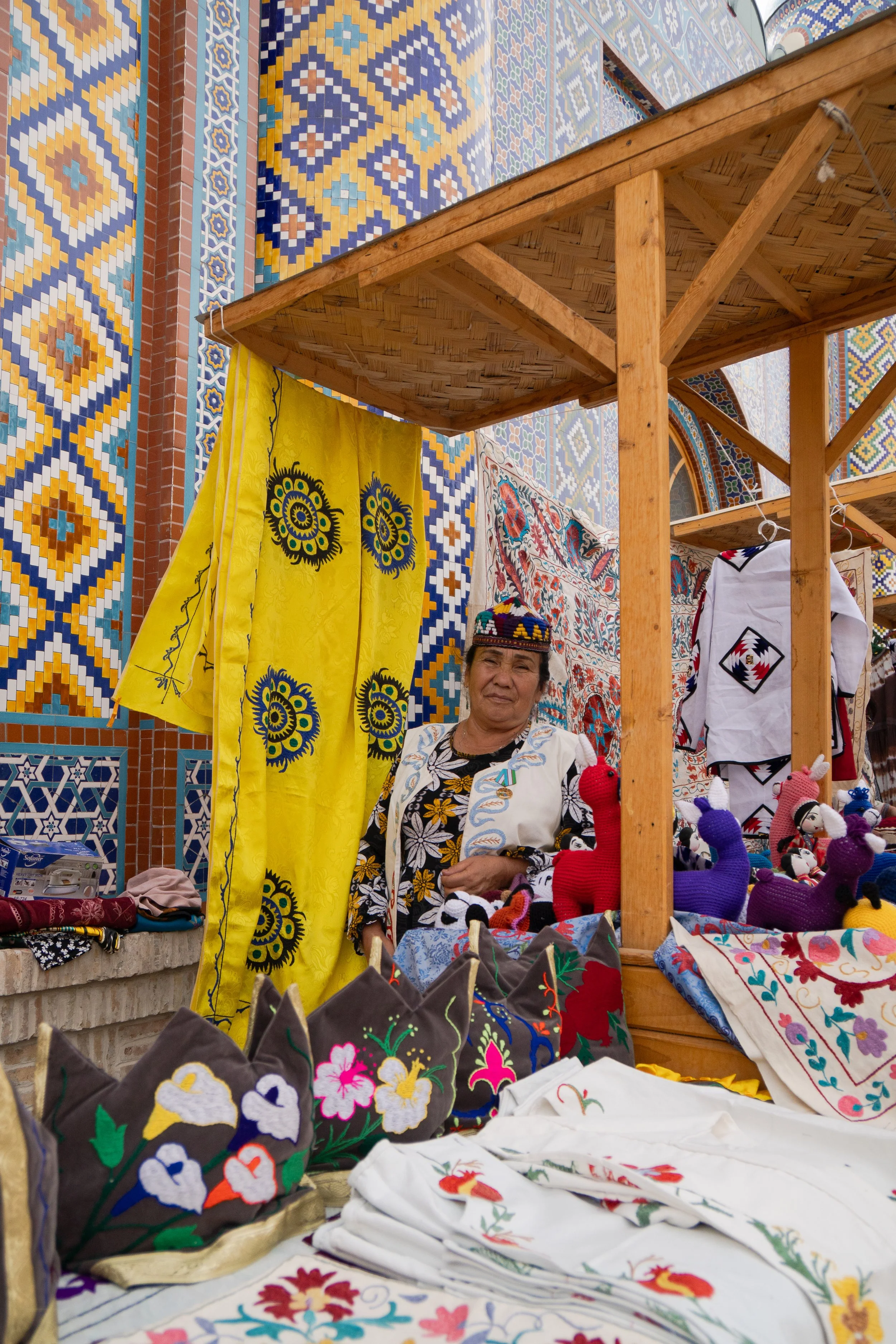
Atlas and Related Fabrics: glossary
Atlas: Made from 100% natural silk, using traditional Ikat dyeing and weaving techniques. Softer, shinier and more luxurious, usually reserved for festive-wear or special occasions.
Khan-Atlas: Translating to “royal Atlas” – the highest quality of Atlas, made using an 8-pedal loom.
Adras: A blend of 50% silk, and 50% cotton, using traditional ikat dyeing and weaving techniques. Takes on a matte texture, and is more breathable, versatile and affordable, making the fabric more suitable for daily wear.
Shoyi: A finer, delicate, more lightweight fabric, made from handwoven natural silk. Usually used to create scarves.
Bahmal (Bakhmal): A denser, more luxurious fabric resembling velvet. Made of a blend of primarily silk and cotton, usually used for interior decor, upholstery or high-end apparel.