Tucked into the fertile Fergana Valley of eastern Uzbekistan is Margilan, a Silk Road city known for its handicrafts. Margilan is ancient; the earliest written sources about it date to the 10th century, though its origins go much further back. Today, Margilan is in the throes of growth and change. Modern office buildings have been built alongside its historical monuments, which include the Pir Siddiq complex, the Khanaqah mosque, and the mausoleum of Hasti Maoz.
Located along the Silk Road, Margilan was an influential city, traditionally home to many artisans, particularly fabric and silk makers whose wares were traded up and down the Silk Road. Even today, the city remains particularly well known as being a center of silk weaving.
Sages and Poets
Margilan was mentioned by 19th century Uzbek historian Iskhoqhon Ibrat in his book History of Fergana, as well as in The Memoirs of Babur (Baburnama). And it was in the Fergana Valley that an urbanized, Indo-European speaking culture (the Dayuan) encountered Chinese civilization for the first time. This exchange eventually led to the opening of the Silk Road from the 1st century BC onwards.
According to Russian/Soviet historian Vasily Barthold, Margilan was the capital of the Fergana Valley in the Karakhanid period (9th to 13th centuries). The city is also sometimes referred to as the ‘Sanduk ul-Arifin’ (‘Box of the Arifs’– in Arabic, ‘arif’ means smart, knowledgeable and wise), because many scientists and sages grew up here, including Burkhaniddin al-Margilani, Uwais, and Khazin Margilani.
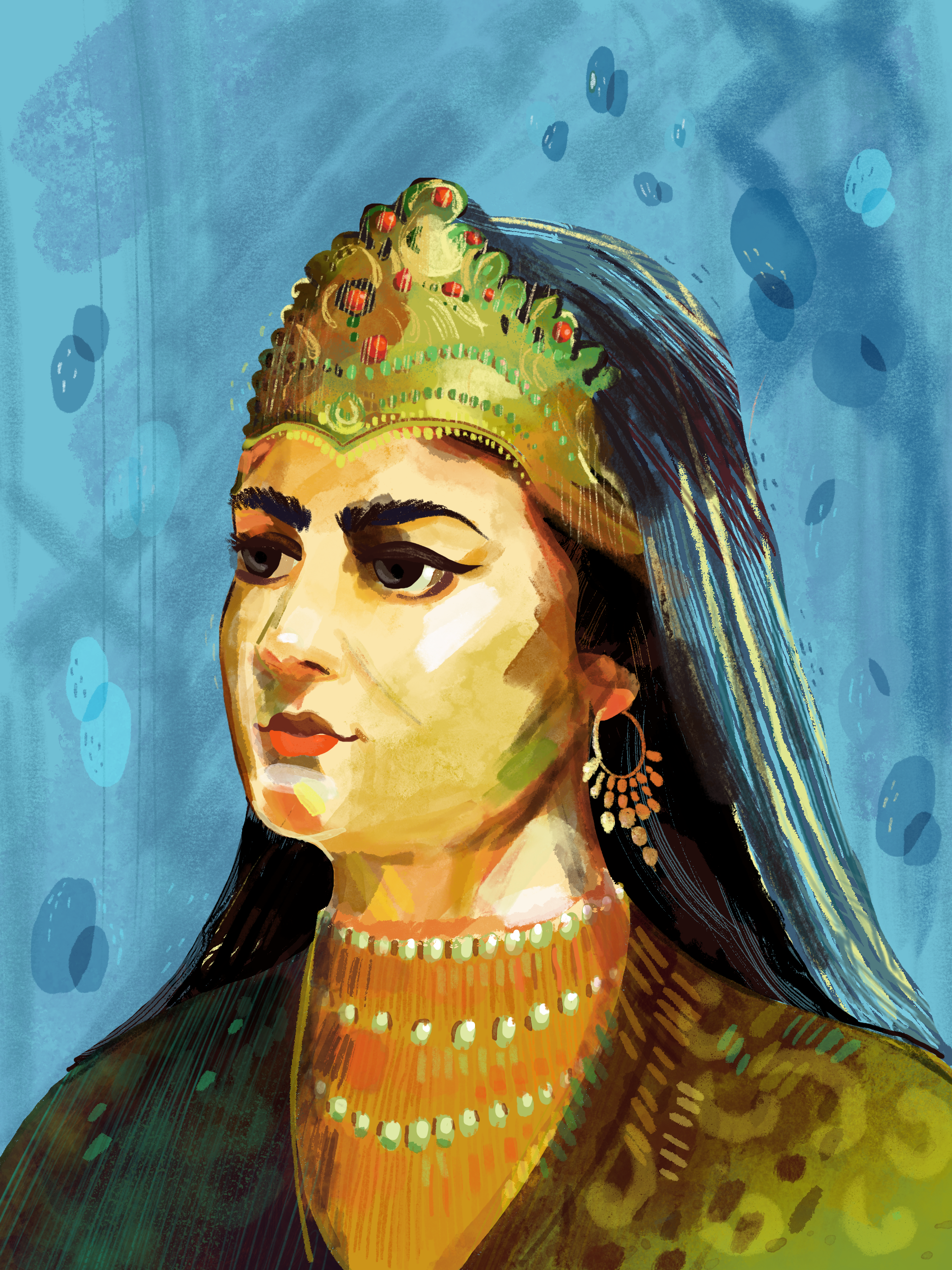
Margilan was also the hometown of Sufi poet Jahon Otin Uvaysiy (1780–1845), who was an otine (female scholar of Islam). Uvaysiy wrote some 15,000 lines of verse (hemistiches).
Silks and Fabrics
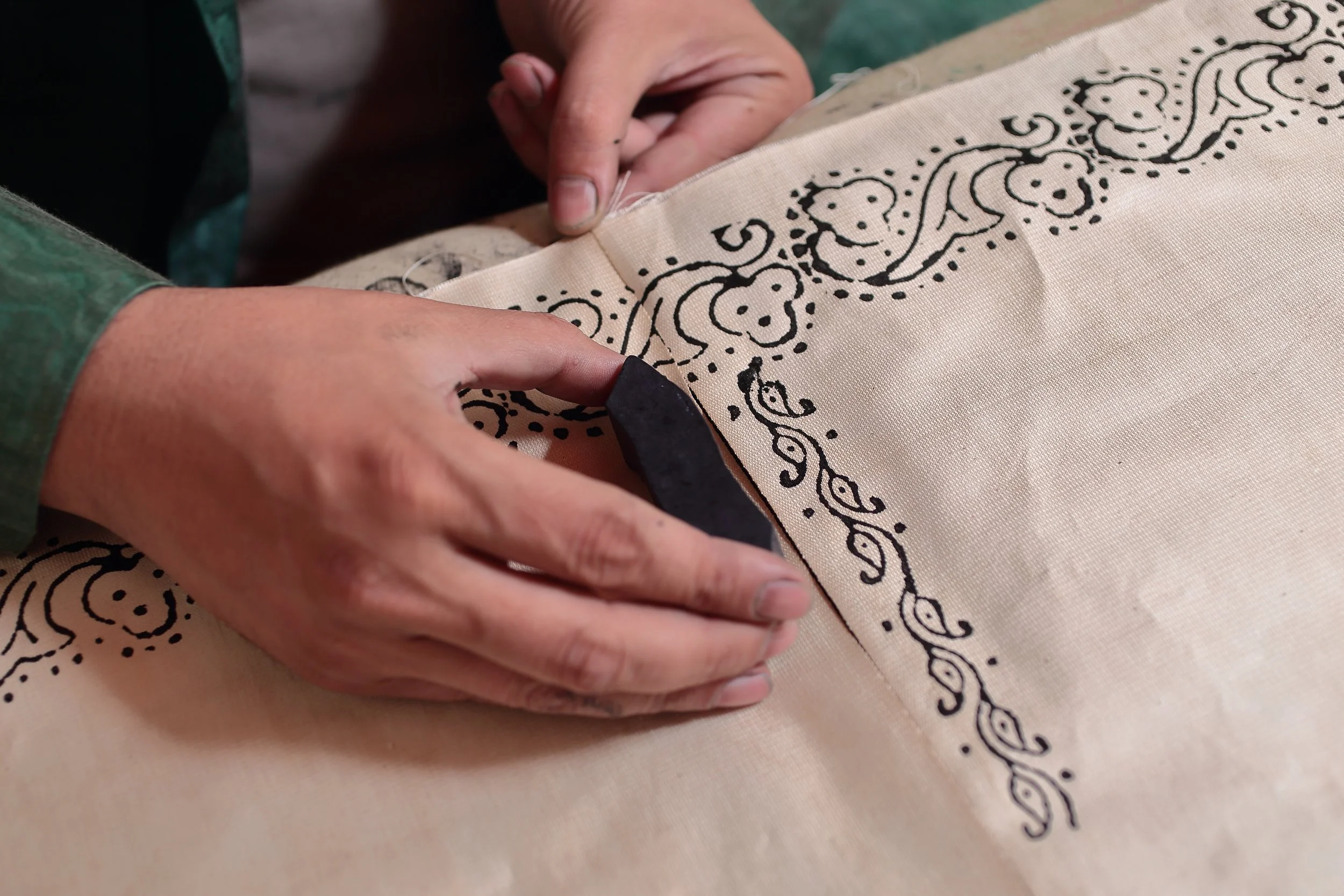
Margilan’s best-known contribution to Uzbek culture is its production of traditional silks and fabrics. The city is home to the largest silk producers in Uzbekistan, the Yodgorlik Shoyi Korkhonasi and Turon Shoyisi factories, as well as some 600 small, private fabric workshops.
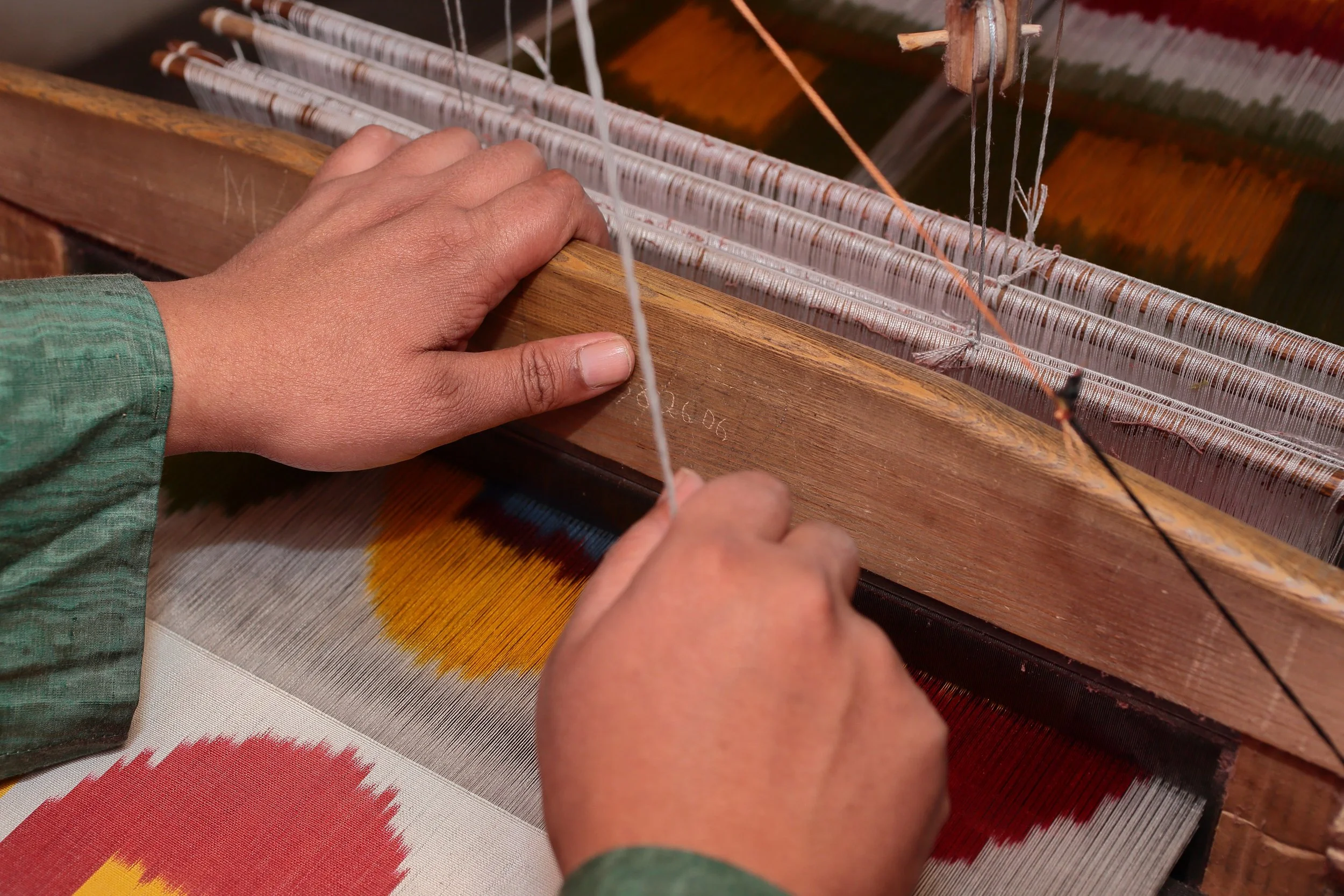
In recent years, the demand for Margilan ikat fabrics (atlas, adras, shoiy, beqasam) has increased dramatically, with orders coming from across Uzbekistan and around the world. The city owes its reputation for high-quality silk to the fact that all aspects of fabric production happen in one place, starting with the rearing of silk worms, all the way down to preparing natural dyes with traditional methods.
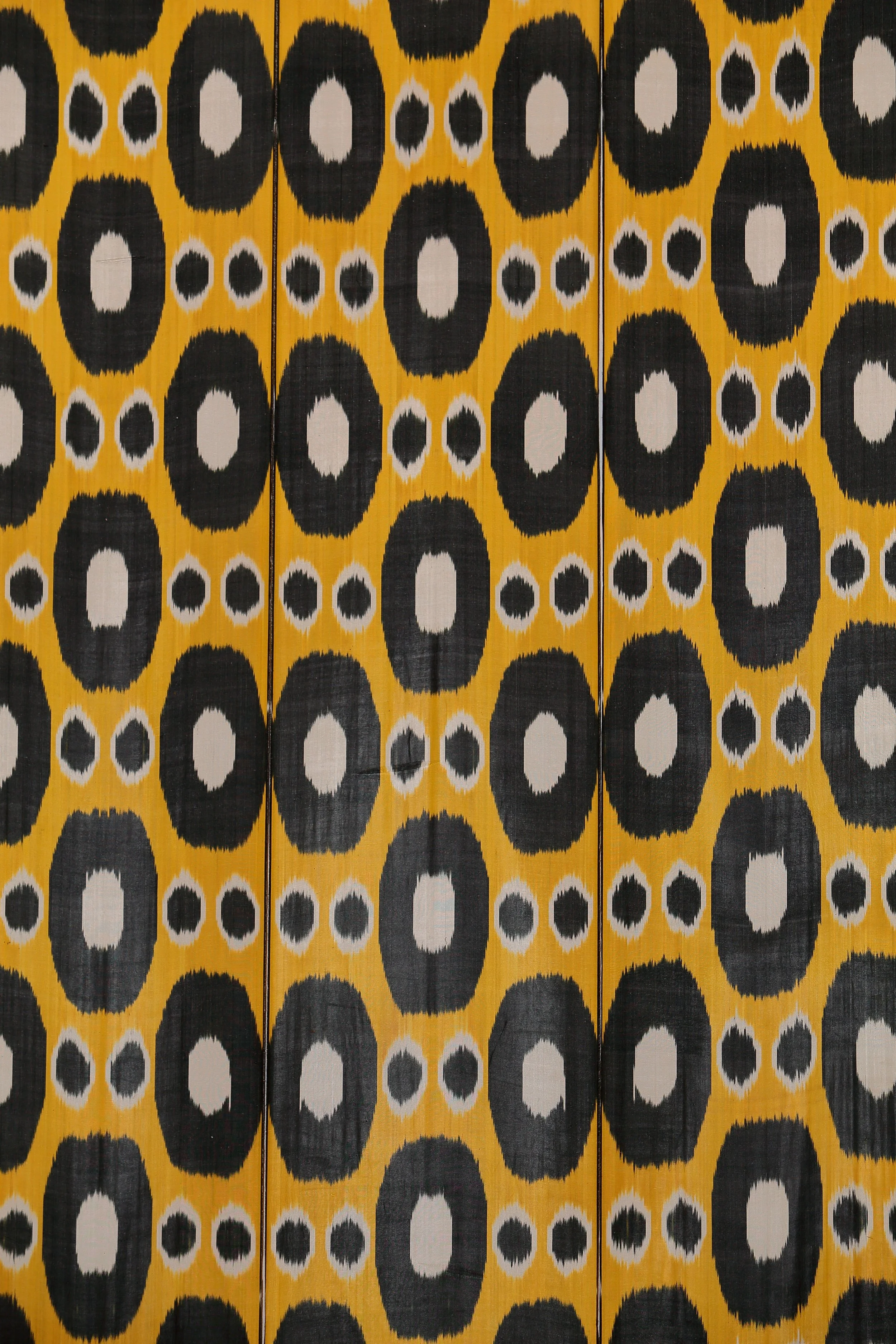
What are abr-ikat fabrics?
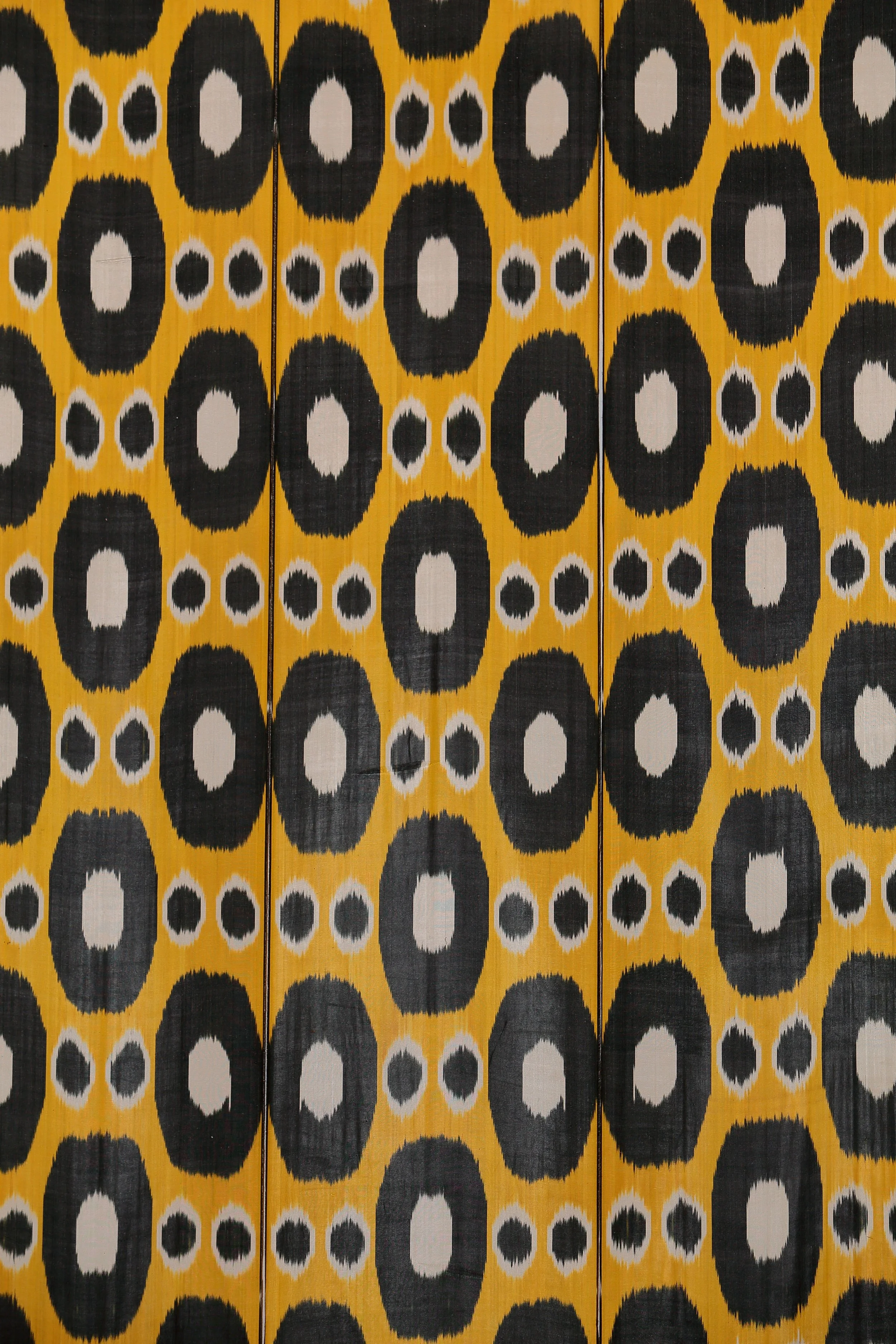
The local name for ikat is abr (‘cloud’ in Persian), as the traditional patterns are said to resemble clouds floating in the sky or reflected on water. The abr-ikat fabrics of the Fergana Valley generally come in four varieties: adras, atlas, shoiy-bahmal, and beqasam. These fabrics are made using ikat, a technique of bundle-dyeing thread before it is woven, resulting in unusual patterns, such as classic Uzbek floral and geometric designs. Traditionally woven with a glossy silk warp, adras is a mix of silk and cotton, while atlas is made of pure silk. Shoiy is the finest (and thus most expensive) type of silk velvet fabric. Beqasam is a silk-cotton striped fabric used for chapan robes and other men’s attire, but now seen only rarely. Each of these fabrics also has subtypes. For example, khon-atlas features golden threads and more vivid red-yellow patterns, while a’lo-bahmal is a rare bahmal velvet.
Color plays a critical role in the symbolism of abr-ikat fabrics. Brilliantly hued, these textiles generally incorporate bright pinks, warm yellows, dark blues, rich reds, and so on. Traditional dyes are created from various natural plants or the peels of certain fruits. The beauty and bright colors of adr-ikat fabrics make them a favorite souvenir for many visitors.