Text and photos by Leena Bahtiyarova
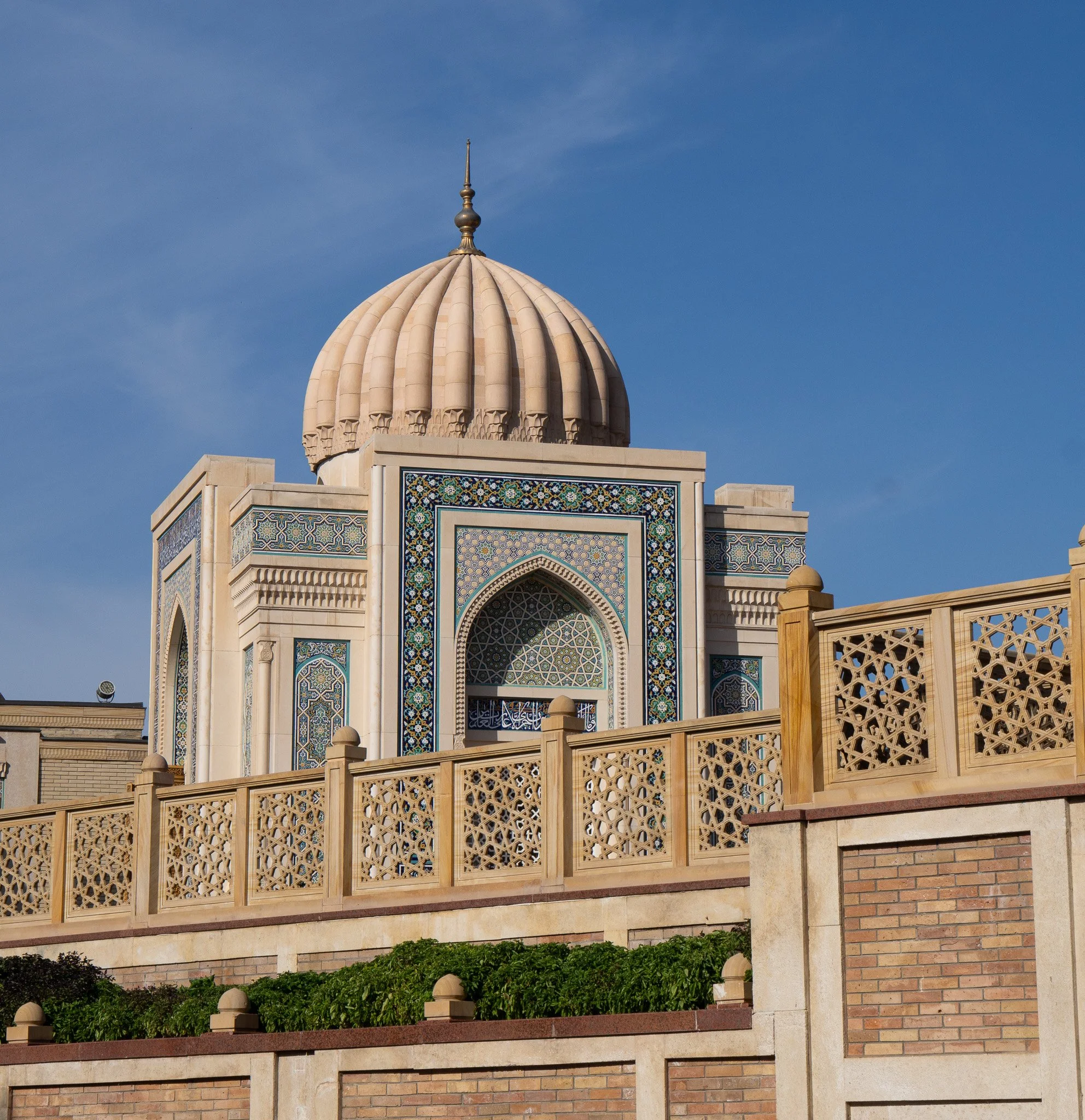
Second to Tashkent, Samarkand is the most visited city in Uzbekistan, and for good reason! Samarkand’s rich history, in areas of science, craft, culture and of course, as a major Silk Road trading hub, makes the city incredibly unique.
As my time in Uzbekistan was coming to an end, I knew I couldn’t miss out on the opportunity to visit Samarkand. Here’s how I immersed myself in the city, all within the span of 28 hours!
Day one
Travelling to Samarkand
Leaving in the morning from Tashkent, I was able to reach Samarkand by train in around 3.5 hours. Various trains leave multiple times per day from Tashkent, but the Afrosiyob high-speed train will get you to Samarkand the fastest, in just under 2.5 hours. But be sure to book ahead of time if you can! Afrosiyob seats are often booked quickly, at times up to weeks ahead of schedule during peak travel periods.
Checking in: The “City Within the City”
Yandex Go, Uzbekistan’s most popular app for taxi transport, readily operates in Samarkand, and I was easily able to book a ride from the Railway Station my accommodation at Silk Road Samarkand.
“We’re going to the city?” The Yandex driver asked me.
Confused, I replied, “Oh no, just to the hotel first,” and reiterated the address I had put into the app.
Soon I discovered that my accommodation was in fact, in ‘the city’. The driver shared that locals sometimes referred to the Silk Road Samarkand centre as “the city within the city”, and as we approached, I began to see why.
Around 15-20 minutes out from Samarkand’s Old Town lies a 260-hectare complex that blends the traditional allure of the city, with a sense of modern luxury. Spread around a long, pristine rowing canal were various hotels, wellness centres, an amphitheater and large congress centre. Unknown to me at the time, Silk Road Samarkand is also home to The Eternal City: an ethnographic park capturing the heart, and diversity of Uzbekistan’s cultural history, craft, cuisine and architecture, inspired by city streets from all over the country.
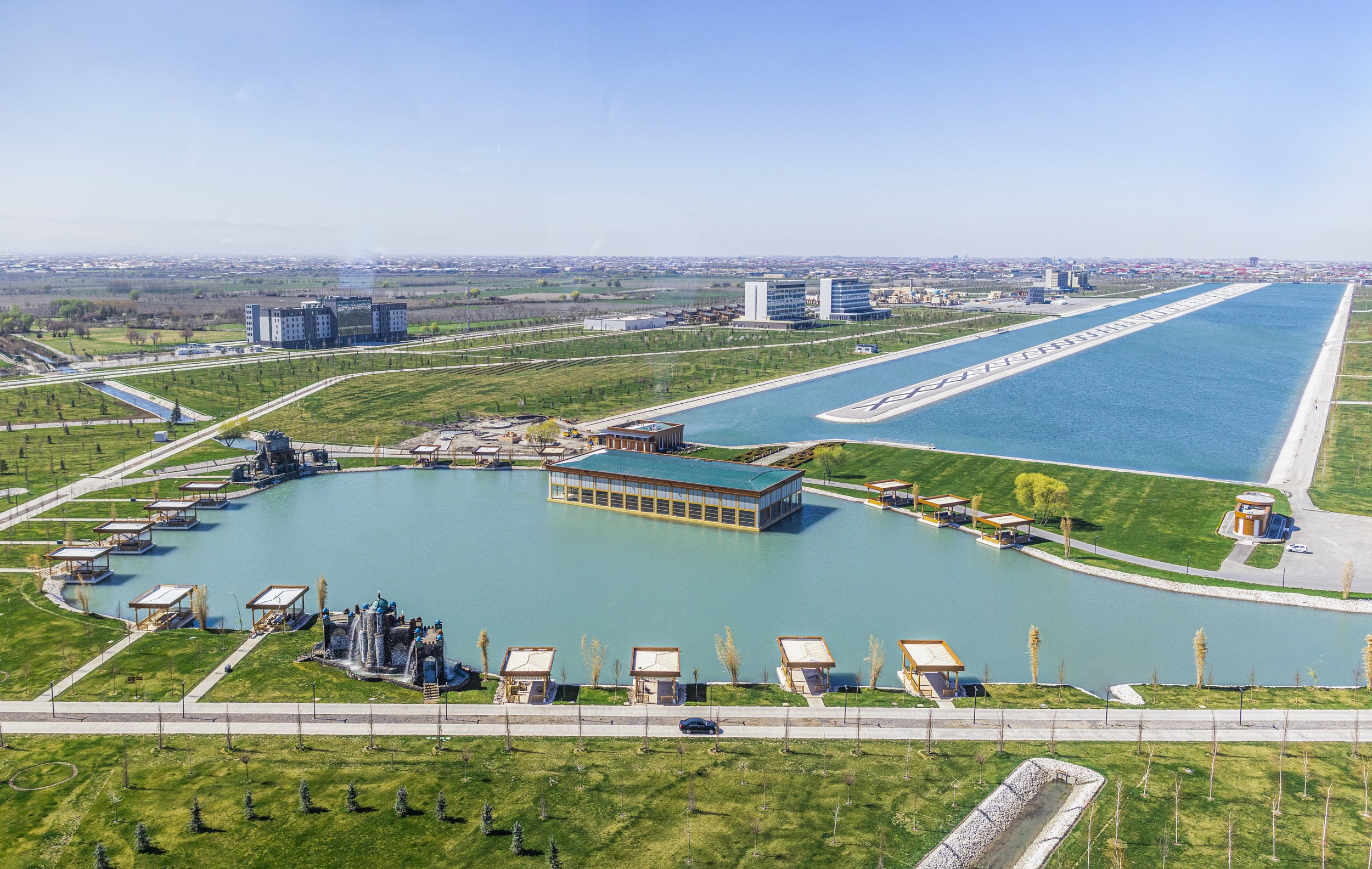
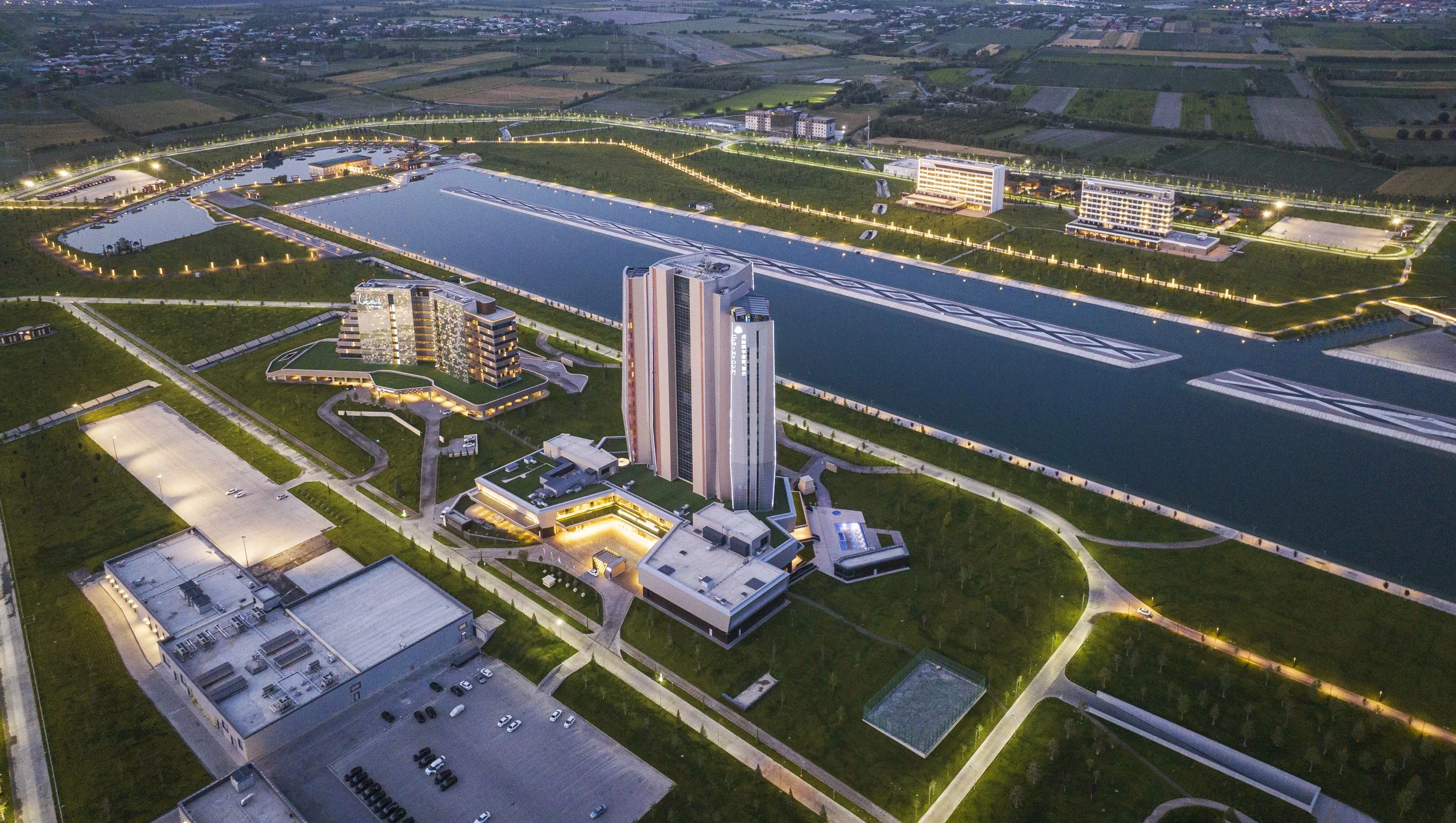
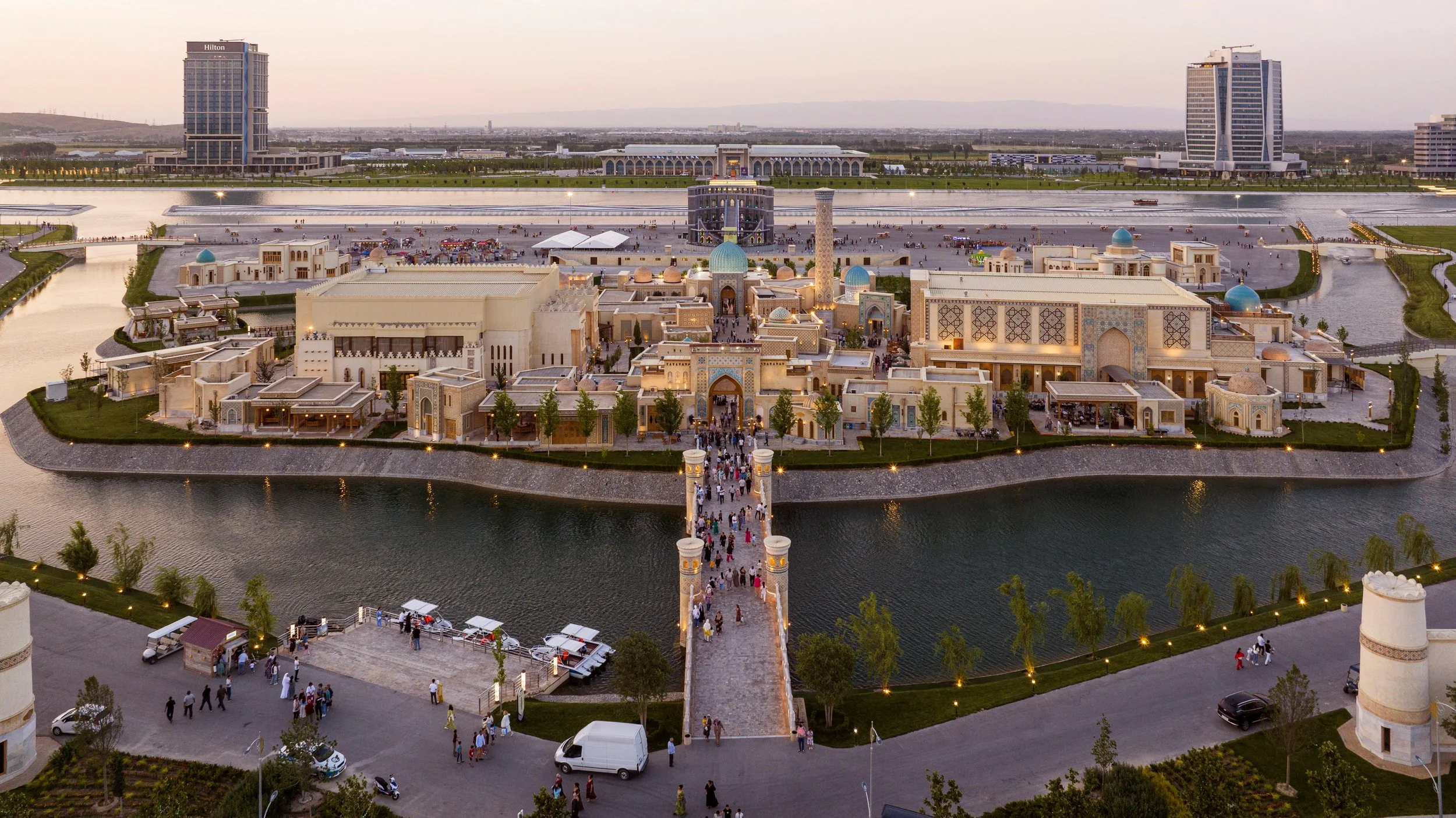
(Photos from Silk Road Samarkand - read more here!)
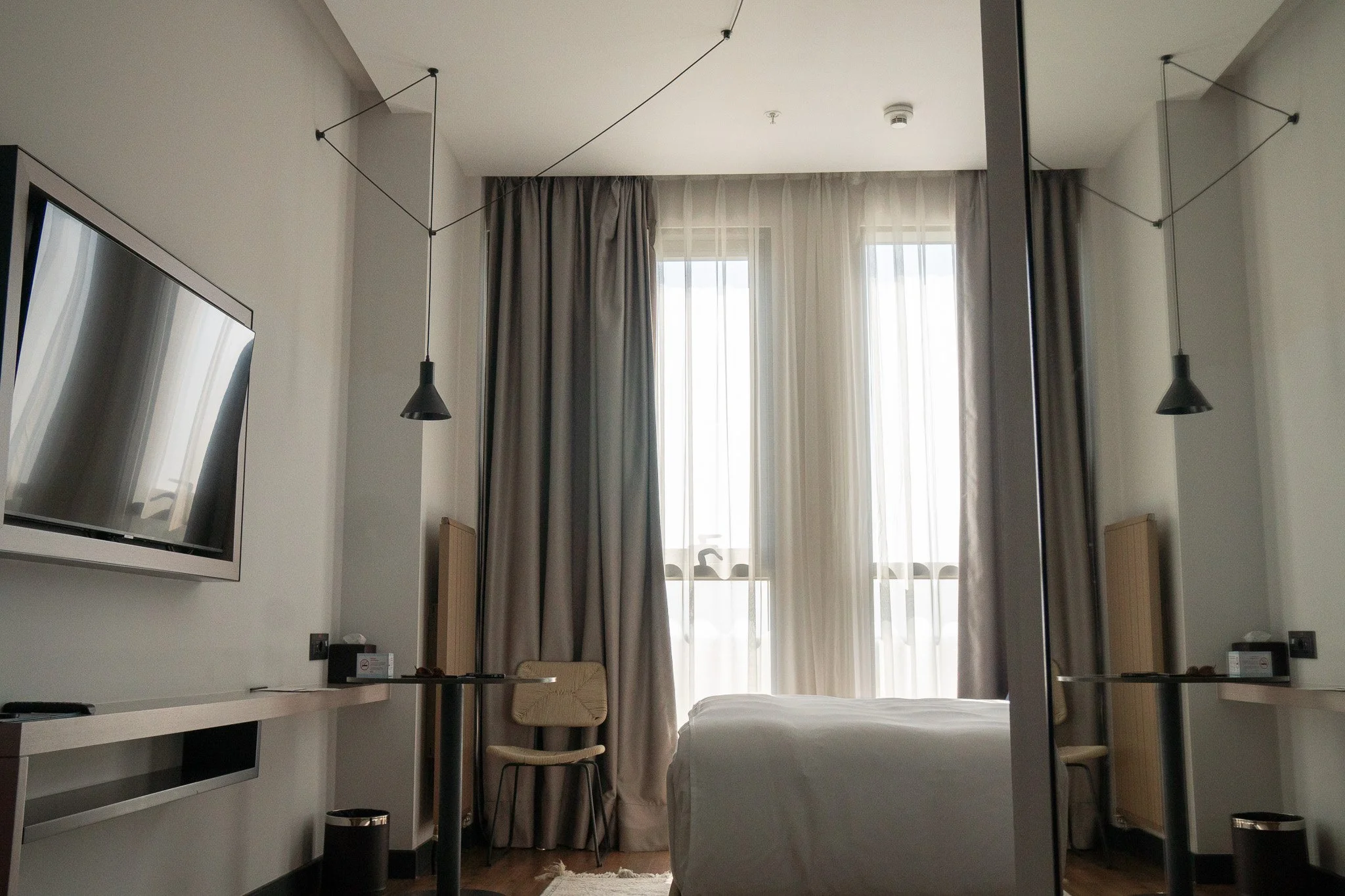
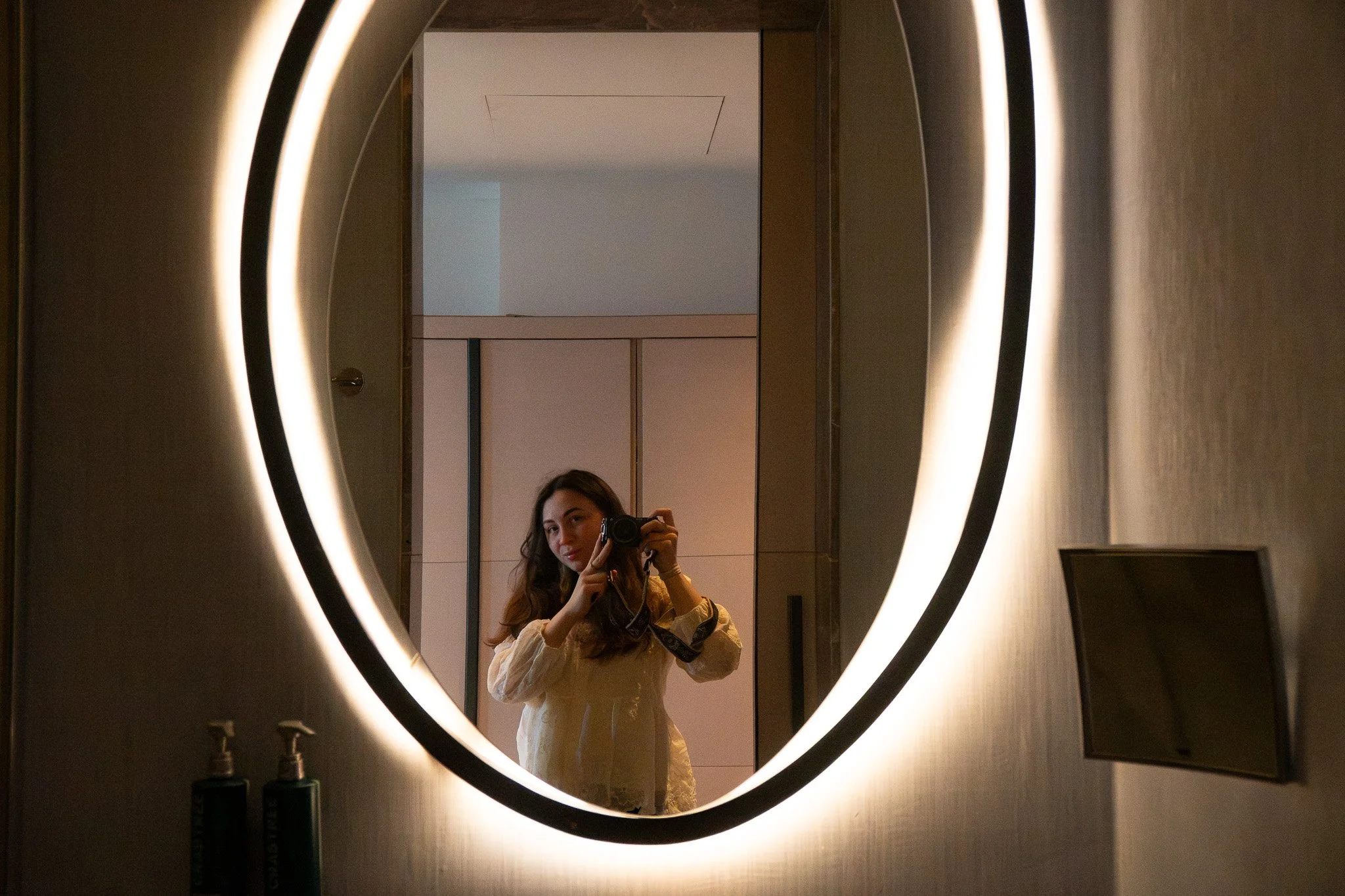
I checked into my hotel, the Hilton Garden Inn, and allowed myself a moment to relax, refresh and enjoy a coffee/packed lunch in my well-considered room, before heading out for the afternoon.
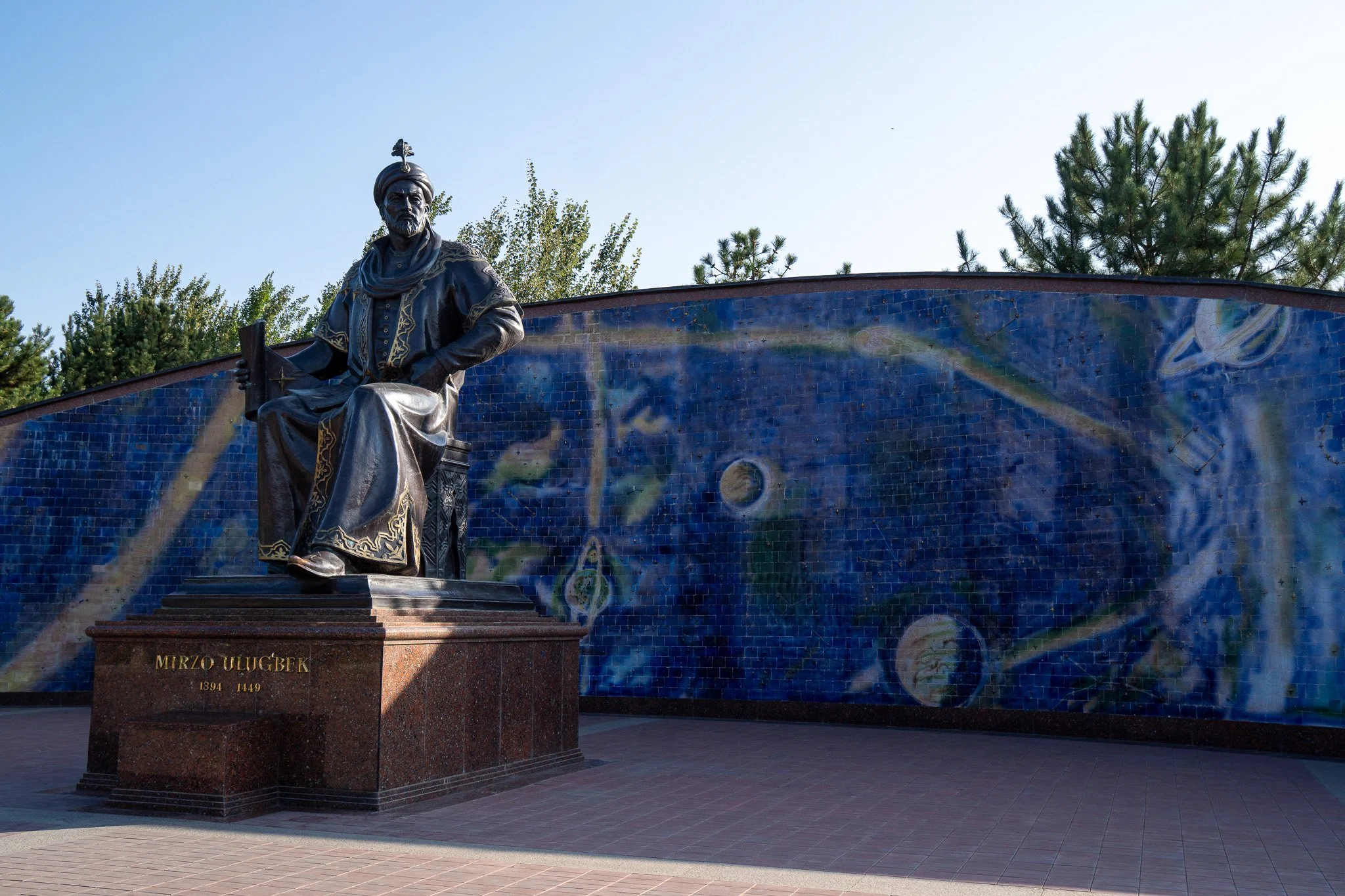
Observatory of Ulug’bek
As someone who is fascinated by science, I was eager to learn more about Samarkand’s contributions to astronomy, most notably those that came from the Ulug’bek Observatory. Since much of the external observatory was destroyed in 1449, only part of the original arc structure remains. My visit to the Ulug’bek observatory was shorter than expected, but I enjoyed going through the small museum and discovering how Ulug’bek’s findings, star charts and hypotheses impacted astronomy on a global level.
Walking Toward the Old Town
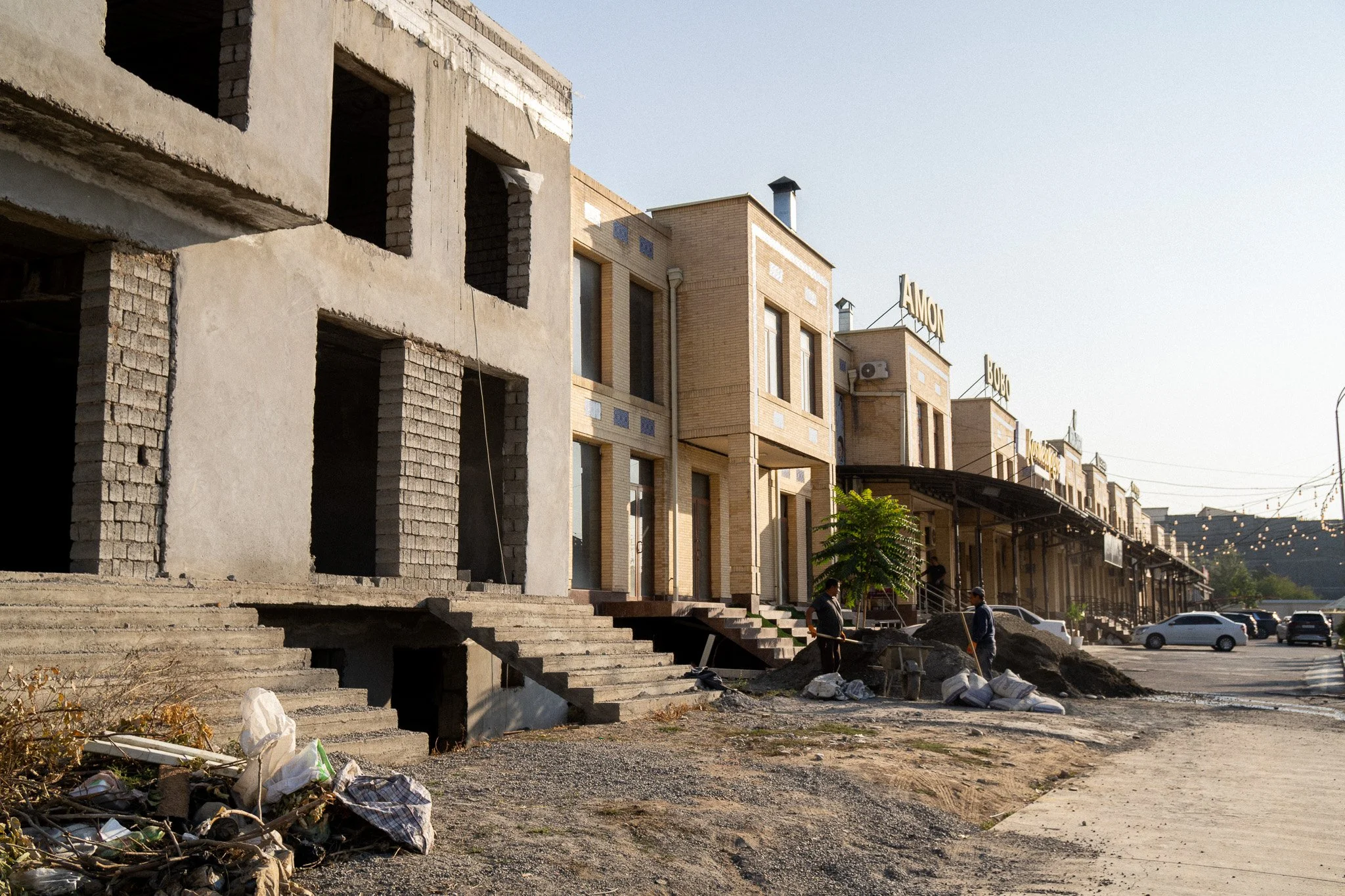
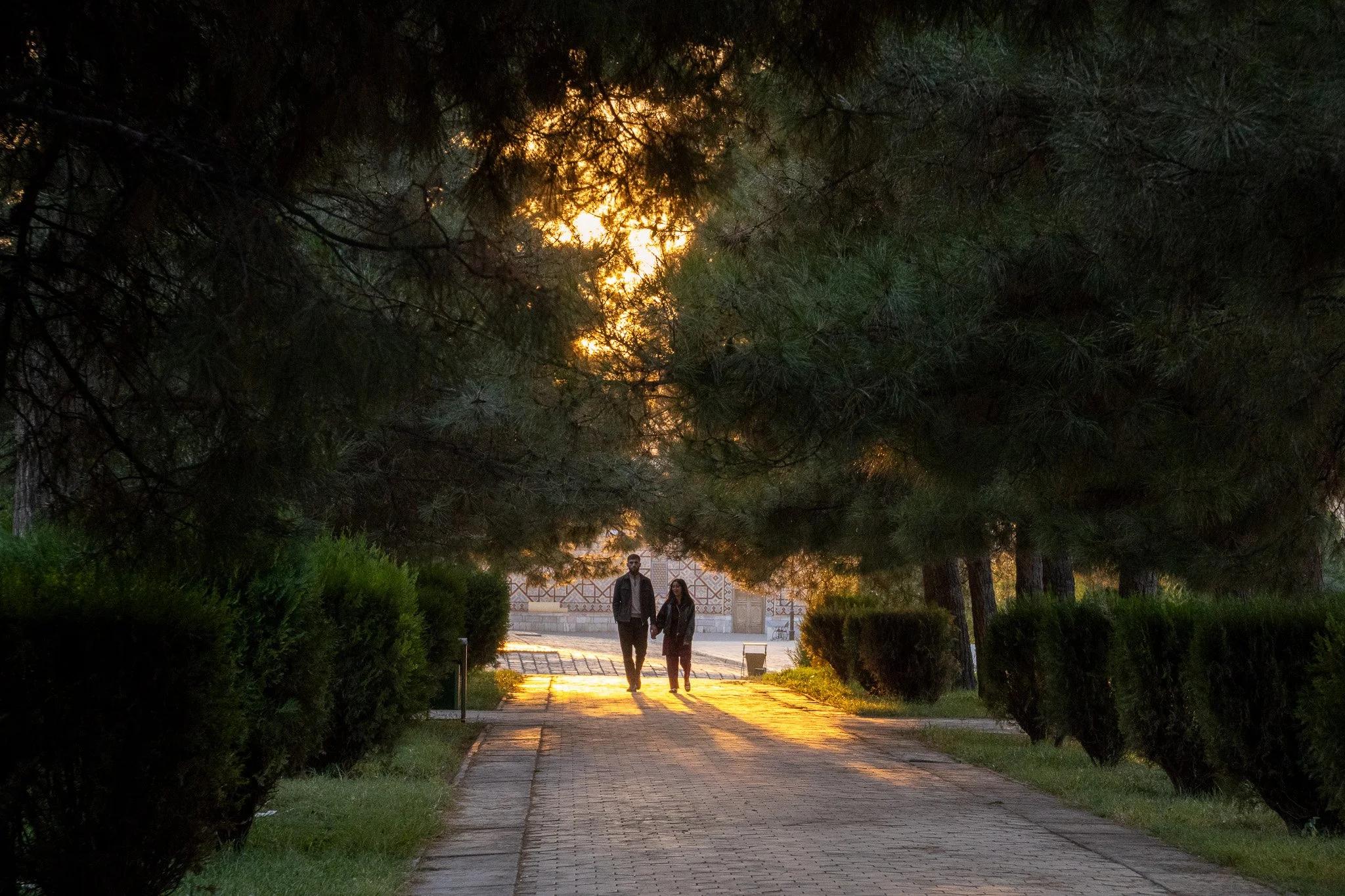
My favourite way to explore a new city is simply to walk. Instead of taking a Yandex into Samarkand’s Old Town, I took the longer route by foot, and got to see glimpses of locals’ daily lives as the sun began to set.
Uzbekistan’s (currently!) Only Fully Plant-based/Vegan Cafe
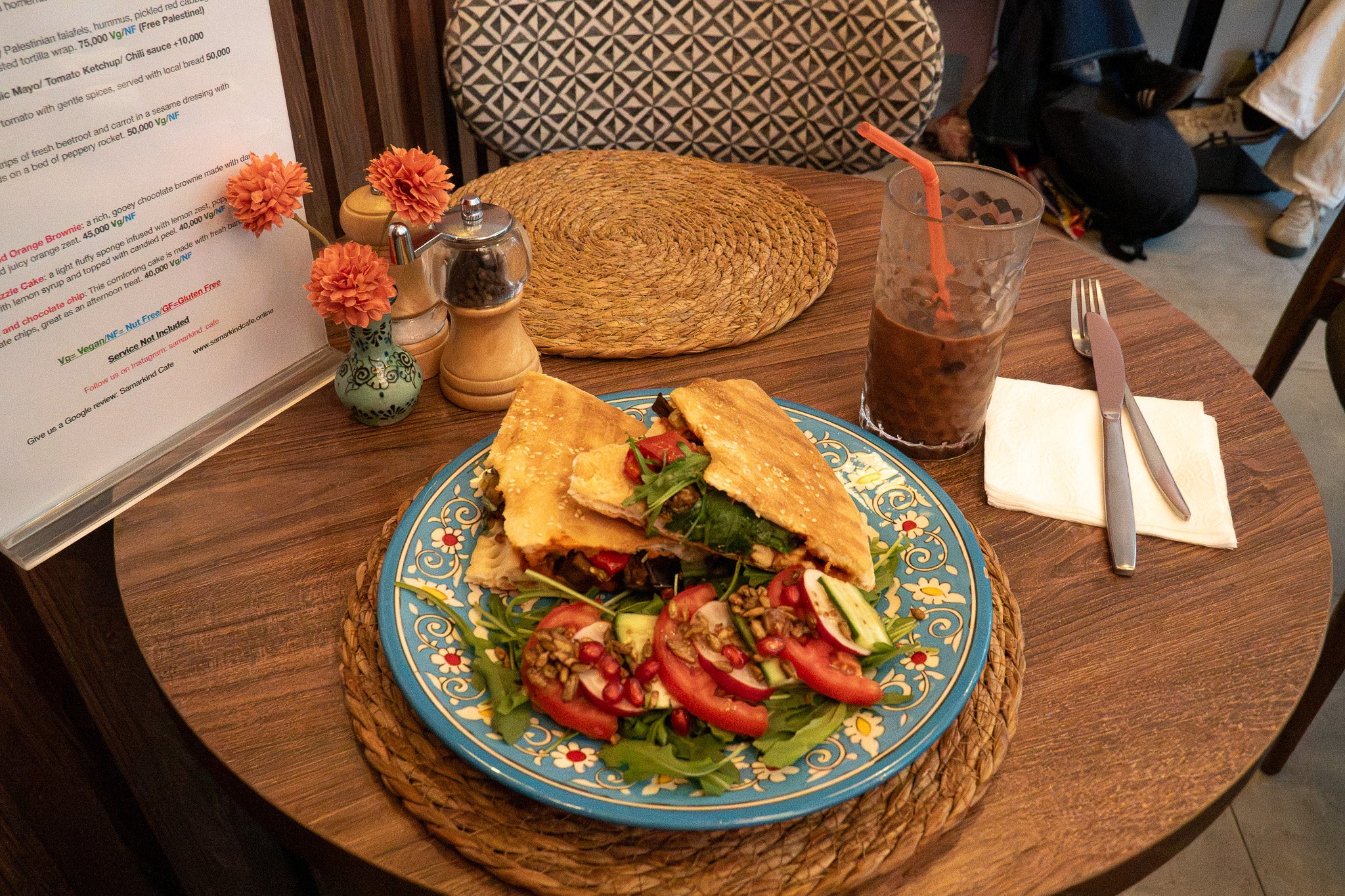
Coming into town, I was pleased to find Samarkind, a fully plant-based/vegan cafe! Here I enjoyed an iced chocolate and a veggie toastie, made on traditional Samarkand bread.
Registan at Sunset
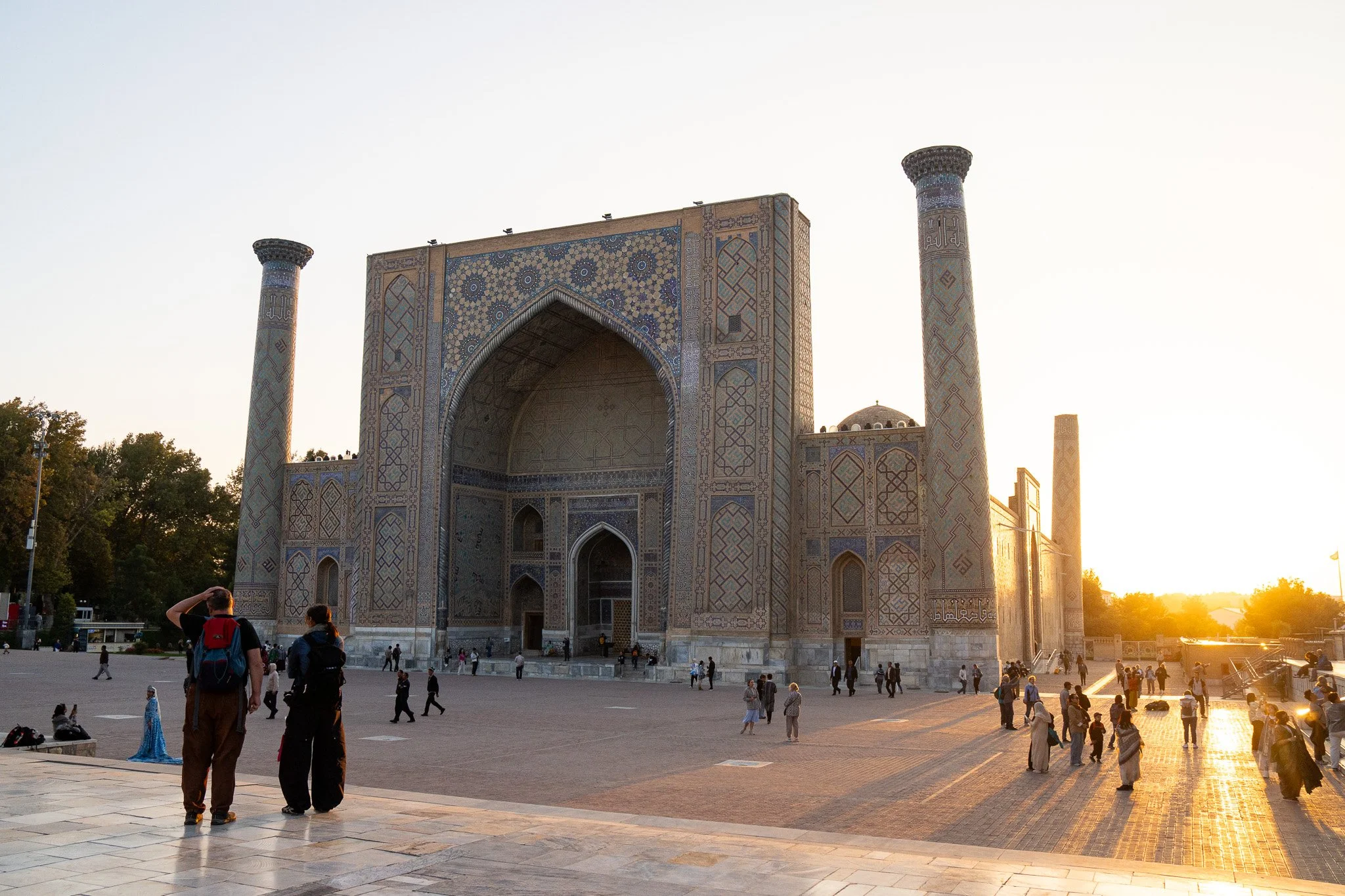
The Registan is Samarkand’s most prominent landmark, and certainly a must-visit. The three madrasas (Islamic schools) that surround the public square are heavily influenced by Persian architecture and traditions, providing a beautiful example of how cultural exchange along the Silk Road shaped cities along the route.
The last rays of sunlight made the Registan walls glow, and the structures cast magnificent shadows upon each other. Later in the evening, the Registan becomes a canvas for a colourful projection light show, running nightly from April to October.
Samarkand’s Centre of Craftsmen
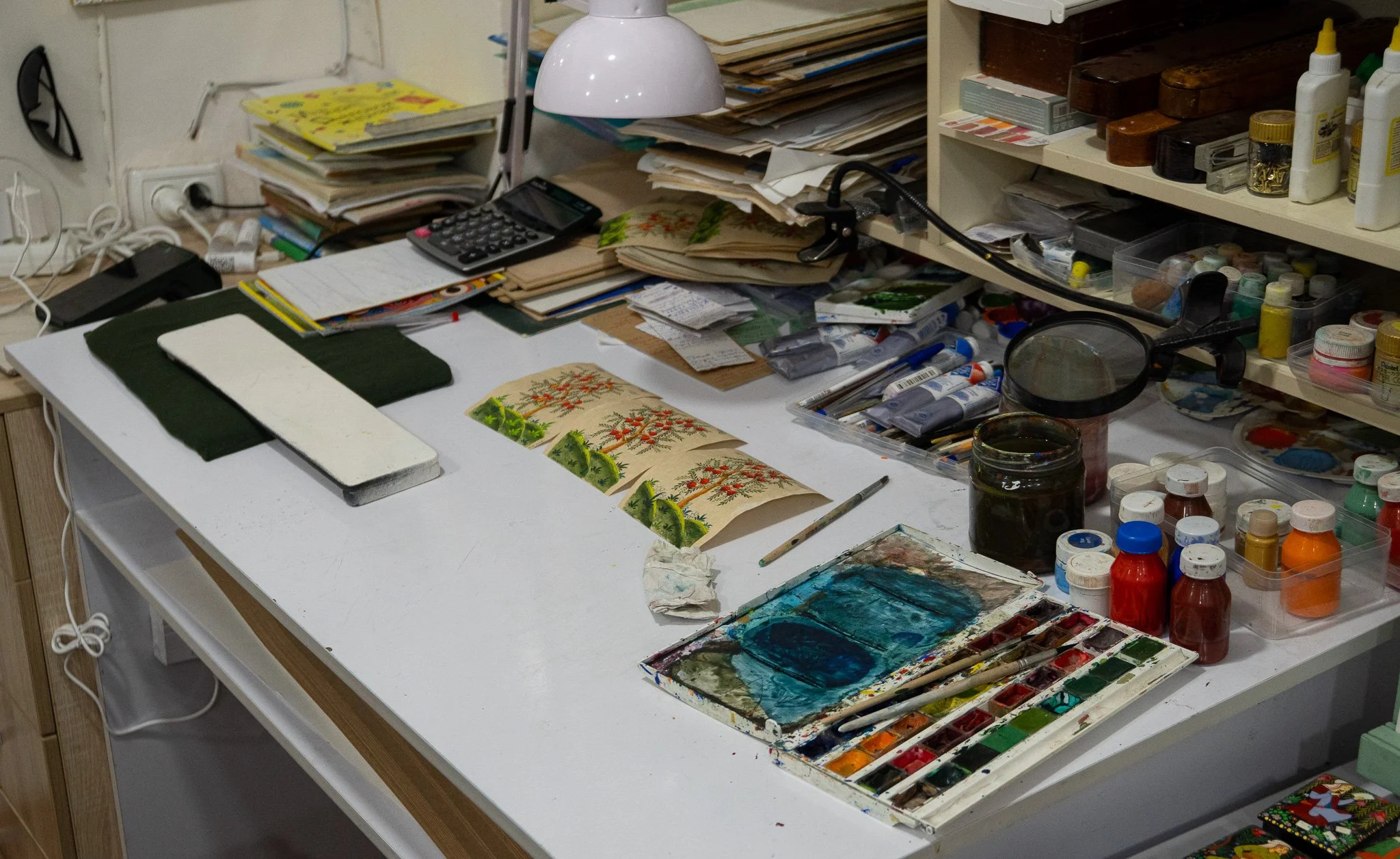
As it got darker, I made my way to Samarkand’s Centre of Craftsmen. This felt like a mix between a marketplace and workshop, where various different artists create, and sell their work. Here you might find handcrafted souvenirs, clothing, jewellery, silk products, pottery and my personal favourite, miniature paintings.
Traditional Uzbek Food in Samarkand
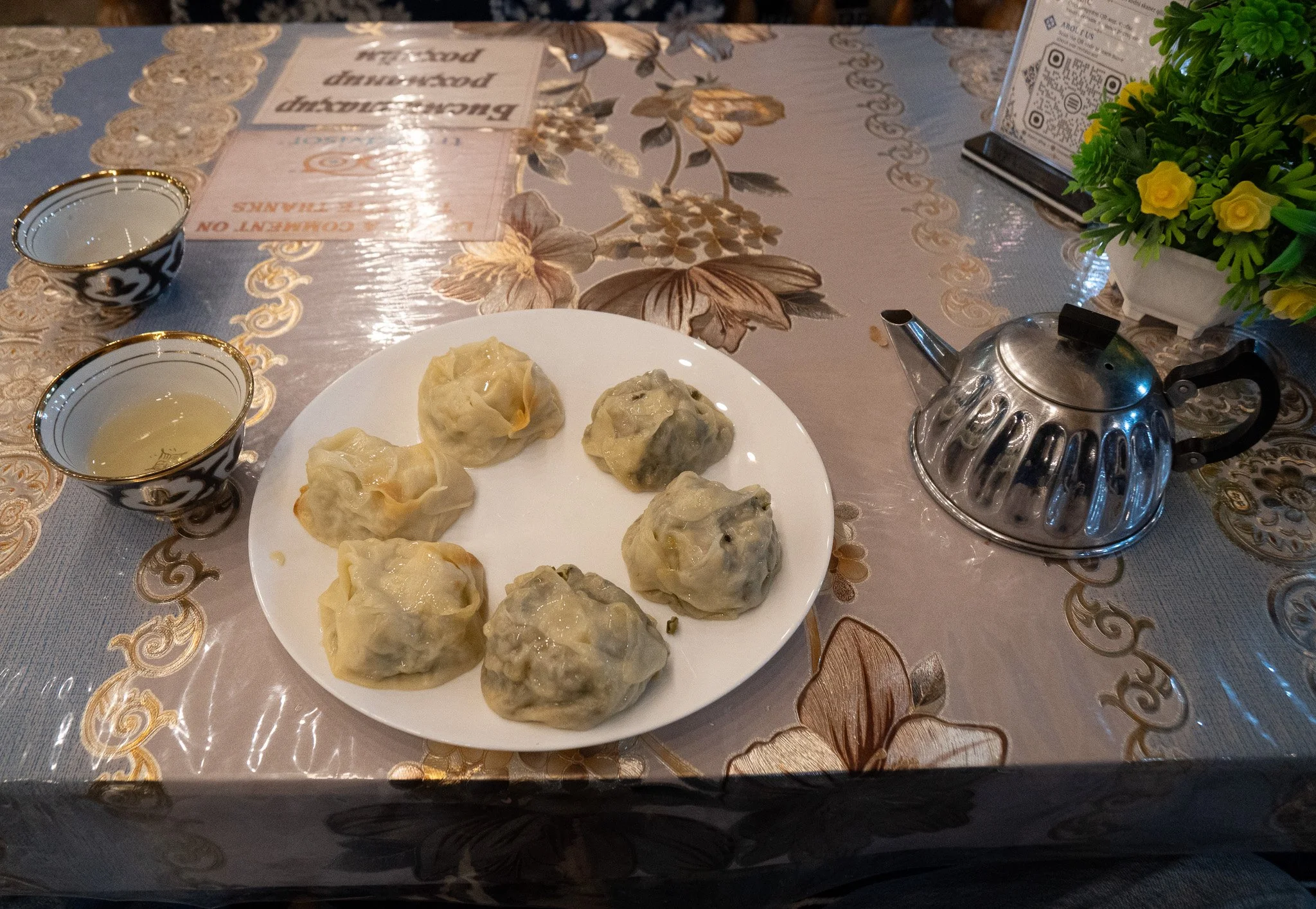
The temperature dropped quickly, making me crave something warm and comforting for dinner. I chose to try traditional vegetable and pumpkin manti at Bibikhanum Teahouse, paired with a steaming teapot of mint tea (choy). Samarkand offers its own unique take on Uzbek cuisine, where favourites such as plov, are cooked with different techniques than in other regions.
Day two
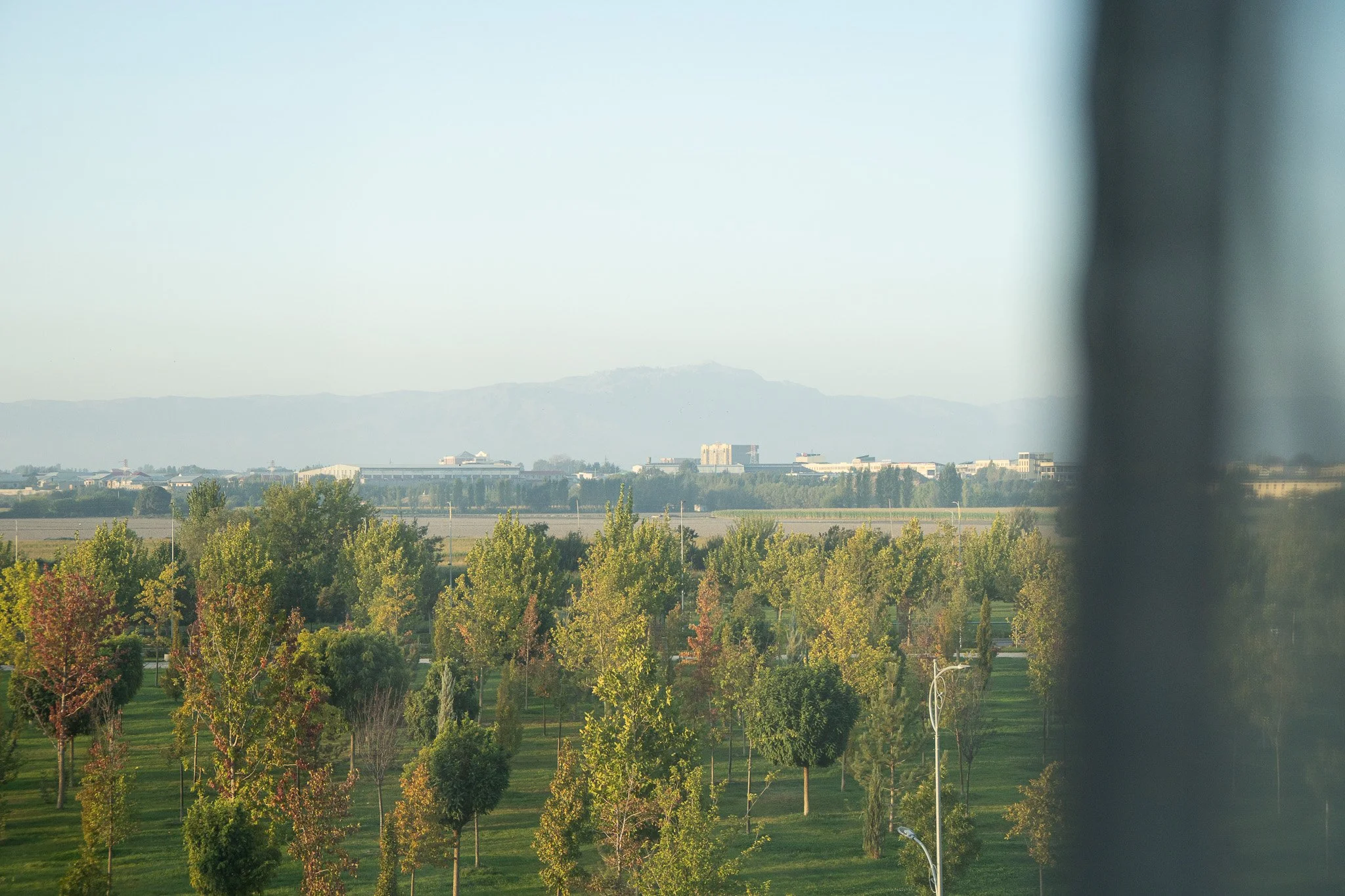
I woke up with the sun on my second day. After a restful sleep, and a slow, easeful morning, I was eager to see more of the city before my train ride home.
Shah-i-Zinda Necropolis
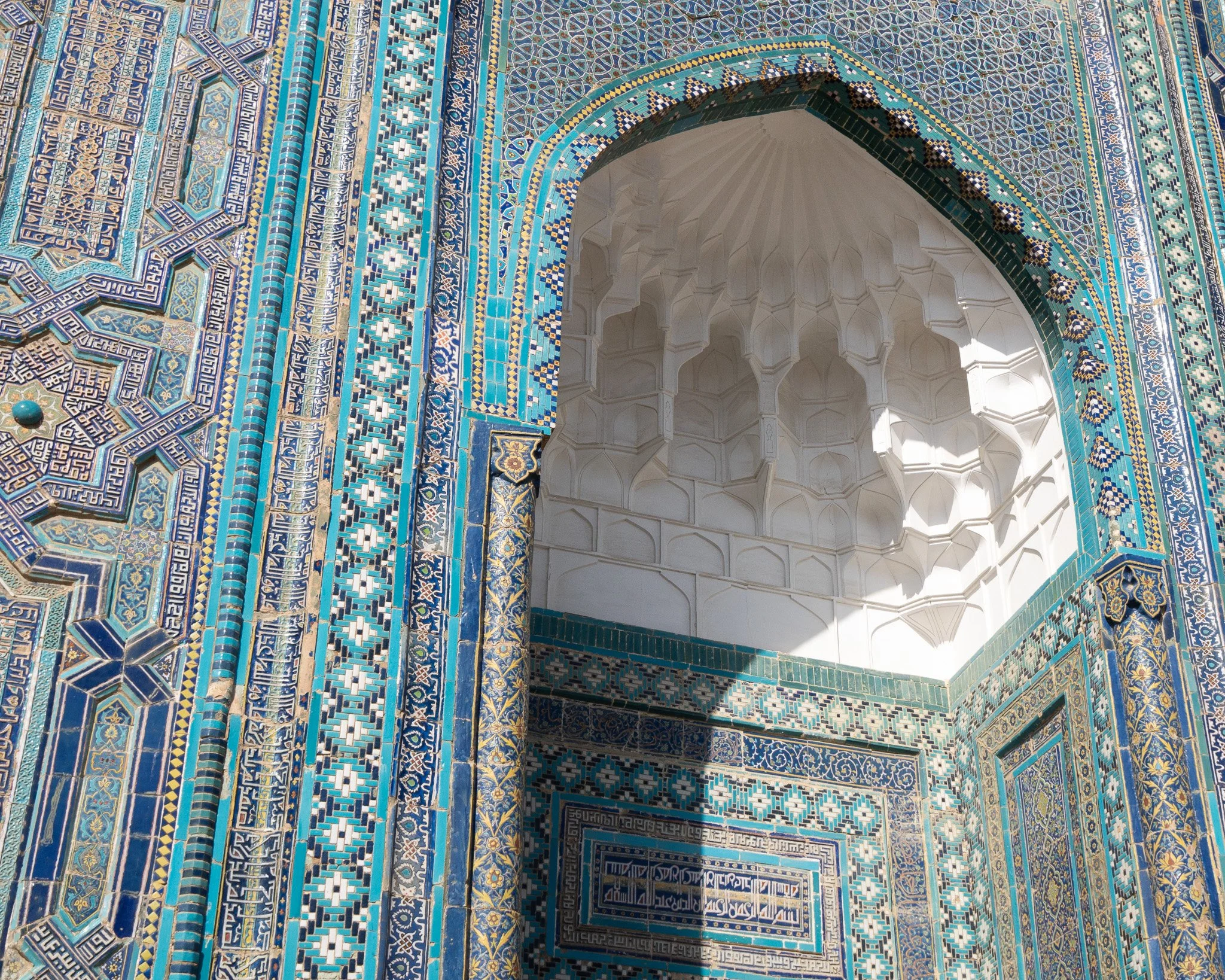
The architecture of the Shah-i-Zinda necropolis was mesmerising, and I spent a lot of time admiring just how blue, and beautifully placed the tiles were on the mausoleums. I give the same advice as many do– if you’re looking to avoid the crowds and have a more authentic experience of the necropolis’ spiritual atmosphere, it is certainly best to visit at sunrise, or as early as possible!
Siyob Bazaar
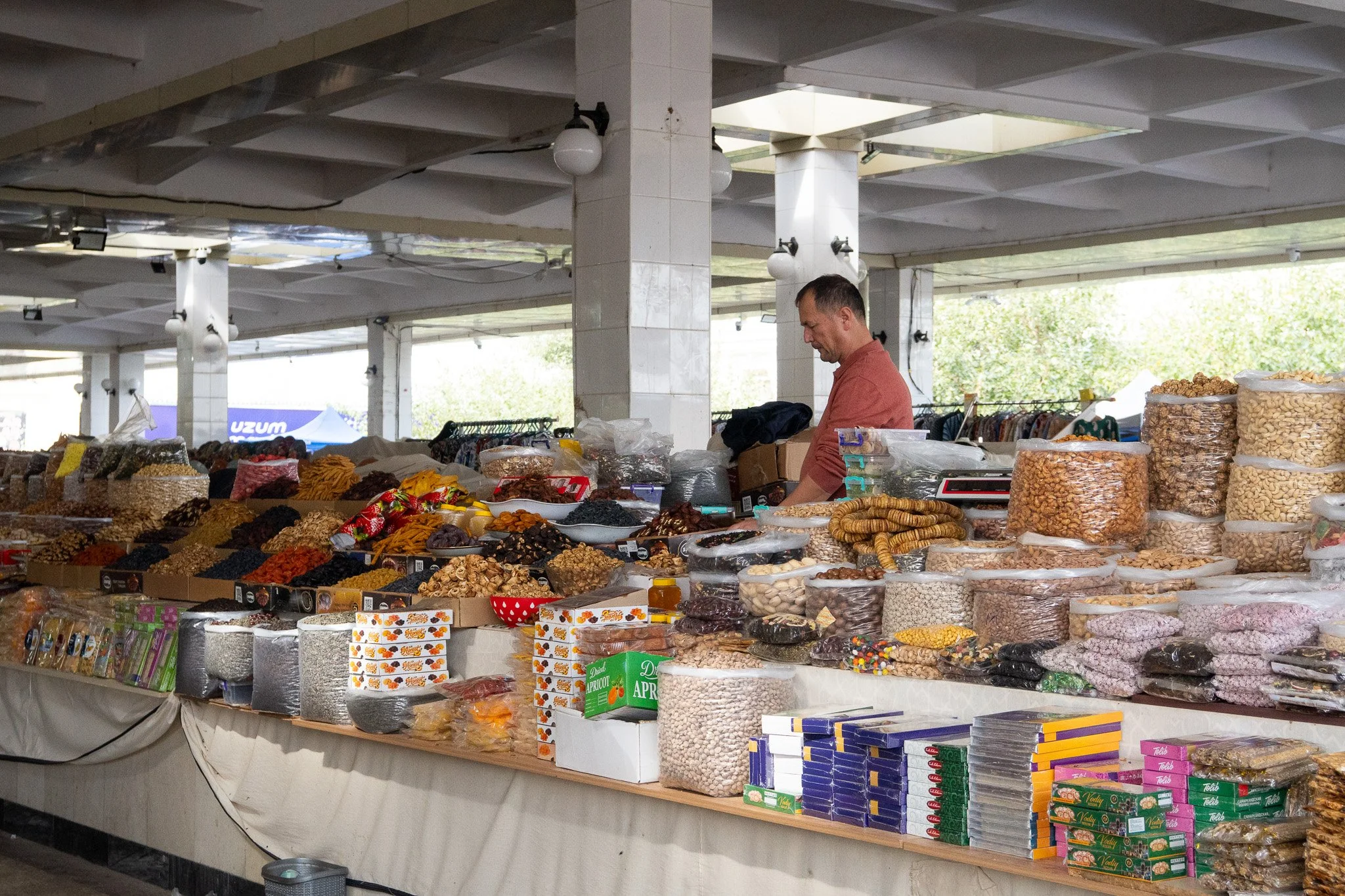
One of my favourite things about Uzbekistan is its bazaar’s (markets). With a freshly-squeezed pomegranate juice in hand, I wandered through the Siyob Bazaar, conveniently located a short walk between Samarkand’s most impressive architectural sights.
Kongil Meros Paper Mill
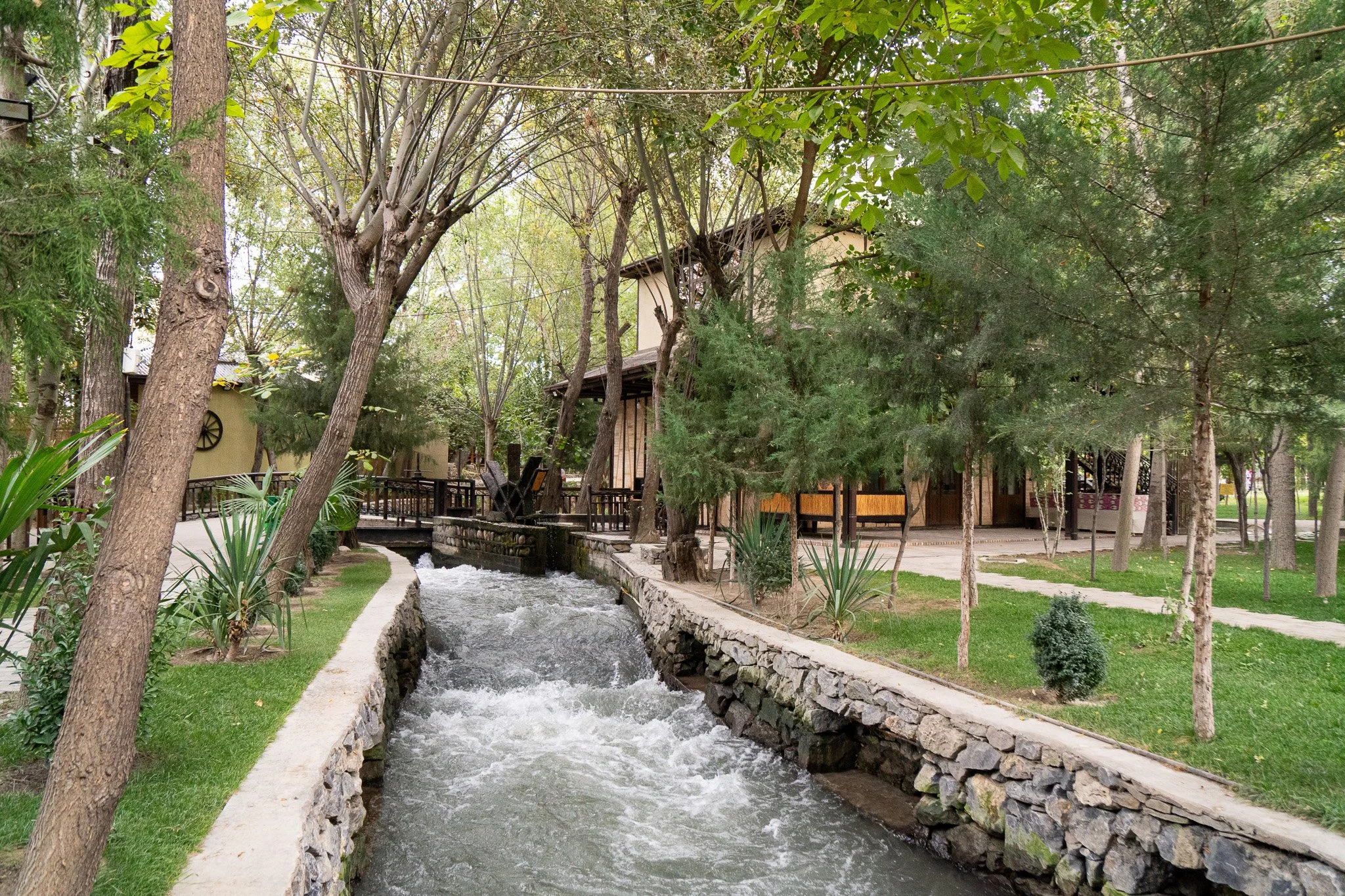
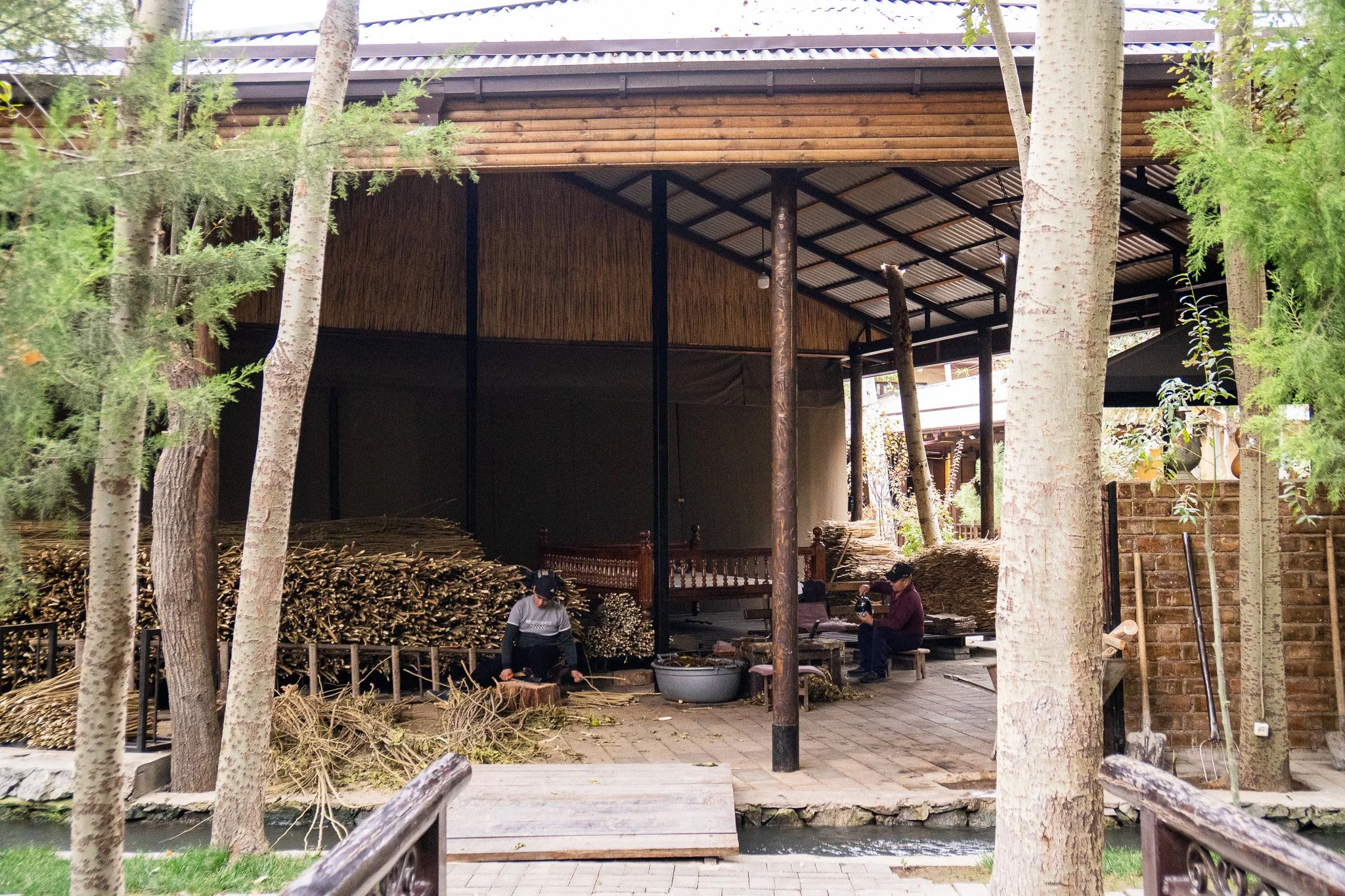
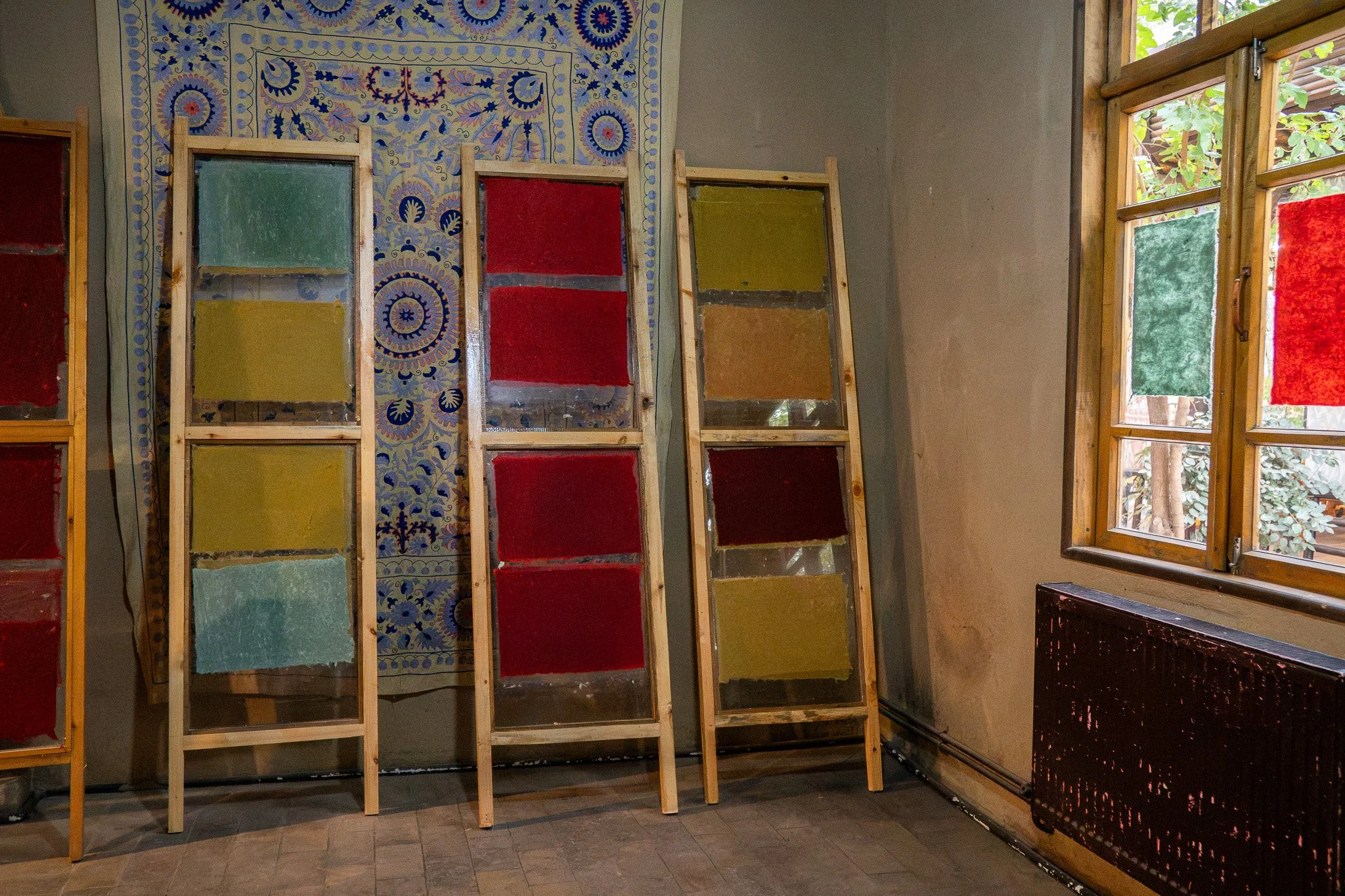
After a delicious breakfast at Samarkind Cafe (once again!), I arrived at the Meros Paper Mill, an artisan workshop aiming to revive, and continue traditional Samarkand paper-making techniques. Here you can see the process of traditional papermaking, from mulberry branch, to pulp to finished product. The area itself is beautiful, and stretches on to reveal gardens, local teahouses and a craft village, with the workshops of other artisans, such as potters.
A Final Moment of Relaxation
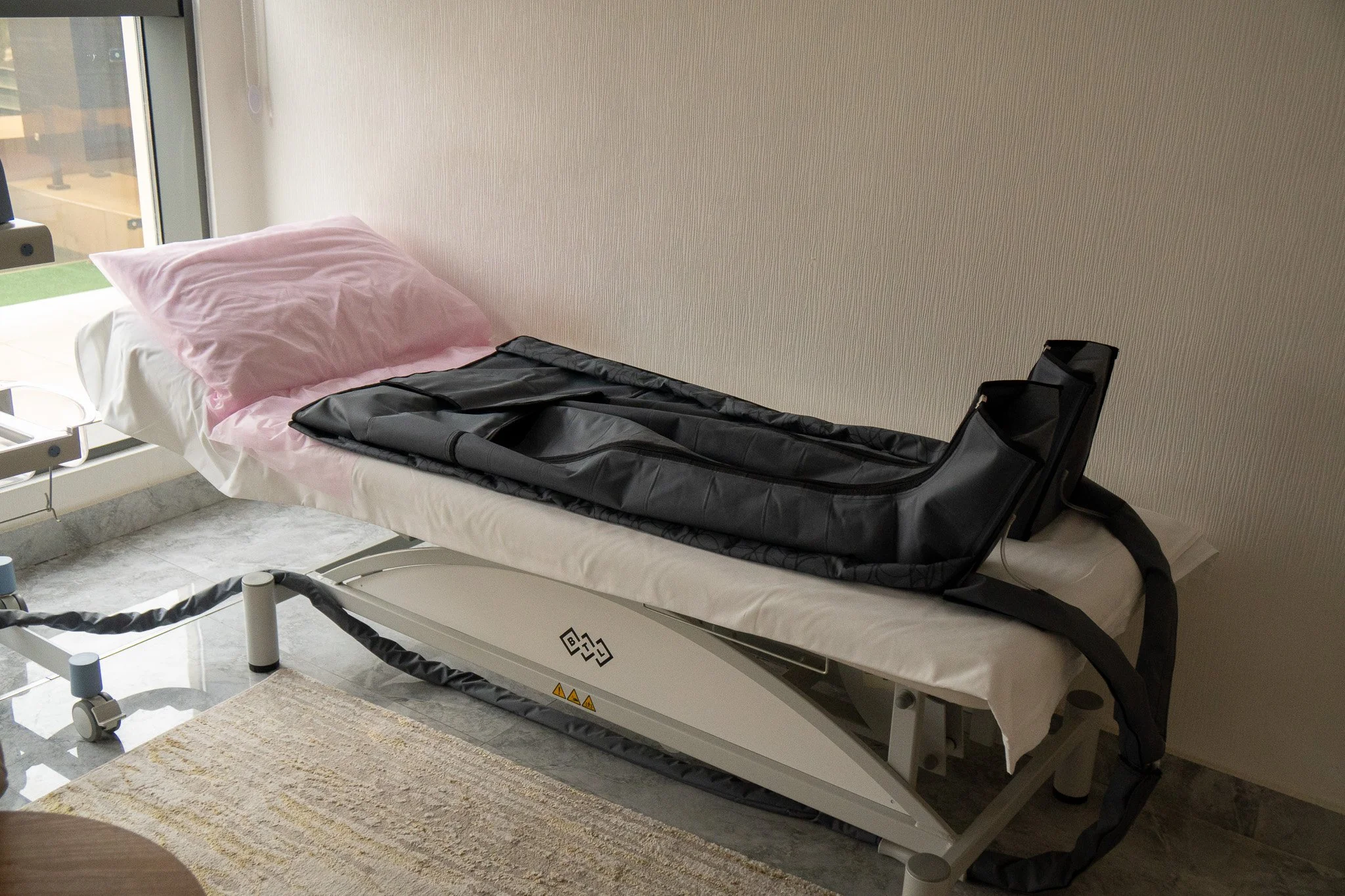
On my second, and last afternoon, I arrived back at the Hilton Garden Inn to pick up my bag. Luckily, I had just enough time to use my complimentary wellness treatment pass, a perk of staying within the Silk Road Samarkand complex. After many weeks of many steps, I picked the pressotherapy treatment, a unique compression experience using specialised boots. This felt almost like a massage for my tired legs, and left me feeling refreshed and ready for my train journey back to Tashkent.