The Art of Perceiving Art
One of Central Asia's most quietly radical art gatherings returns to Uzbekistan's capital this May. Details are still emerging — but if the series' history is any guide, it will be worth the trip.
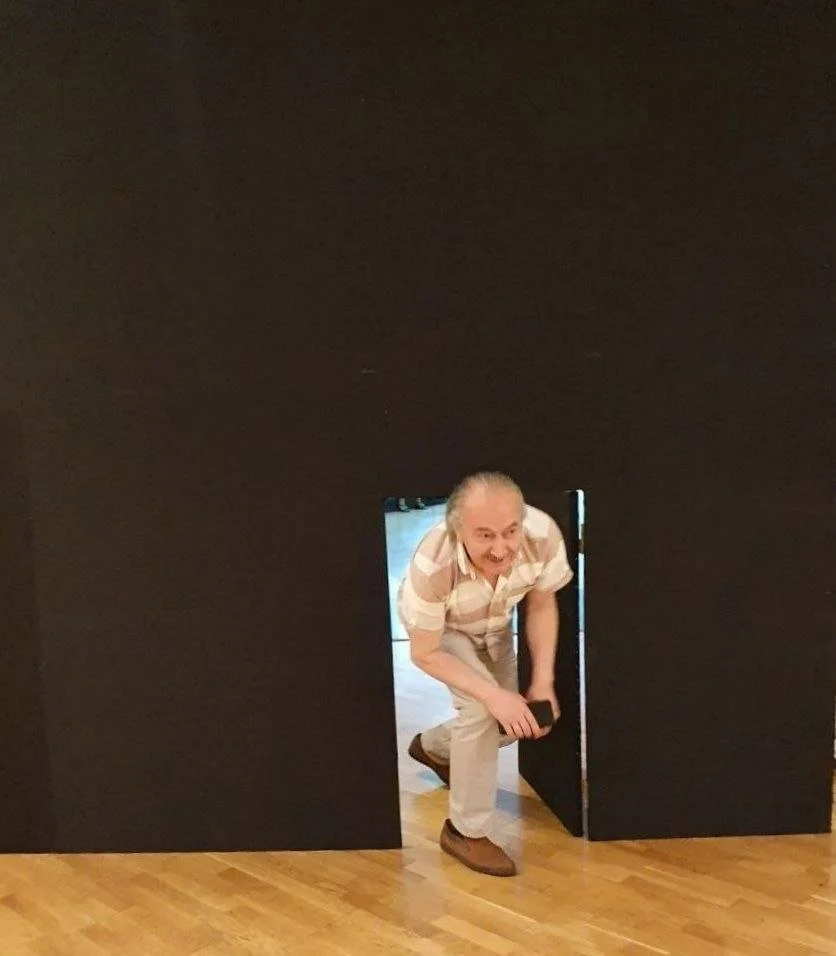
There is a moment, standing at the entrance to The Art of Perceiving Art, when you are stopped short by something that shouldn't work — and yet does, completely. At the inaugural 2022 edition, a full-scale black square loomed before visitors, its surface matte and absolute. But where Kazimir Malevich gave the world a sealed surface in 1915, this version had been modified: a small doorway cut into it, just large enough to pass through. It was at once an act of audacity and an act of invitation — and it set the tone for everything that followed.
That installation, created by artist Vasily Khapov and exhibited at the International Caravan-Saray of Culture at the Academy of Arts of Uzbekistan, became the defining image of what is now a recurring annual series. The message it carried was both simple and profound: the Black Square is not an ending. It is a beginning — a threshold, not a wall.
"They opened a door because everyone needs continuation. The Black Square is not the end of the road."
The vision behind the show
The person who has shaped this project from its very first edition is Manushak Arushanova, the exhibition's curator and the driving creative intelligence behind its concept. It was Arushanova who formulated the guiding principle — art for art's sake — and who has assembled each year's rotating cast of painters, sculptors, and art historians that give the project its character. Her curatorial vision is not passive: she builds the show as a structured conversation, with each participating artist asked not just to exhibit, but to articulate their understanding of what art is and what it demands of the person standing in front of it.
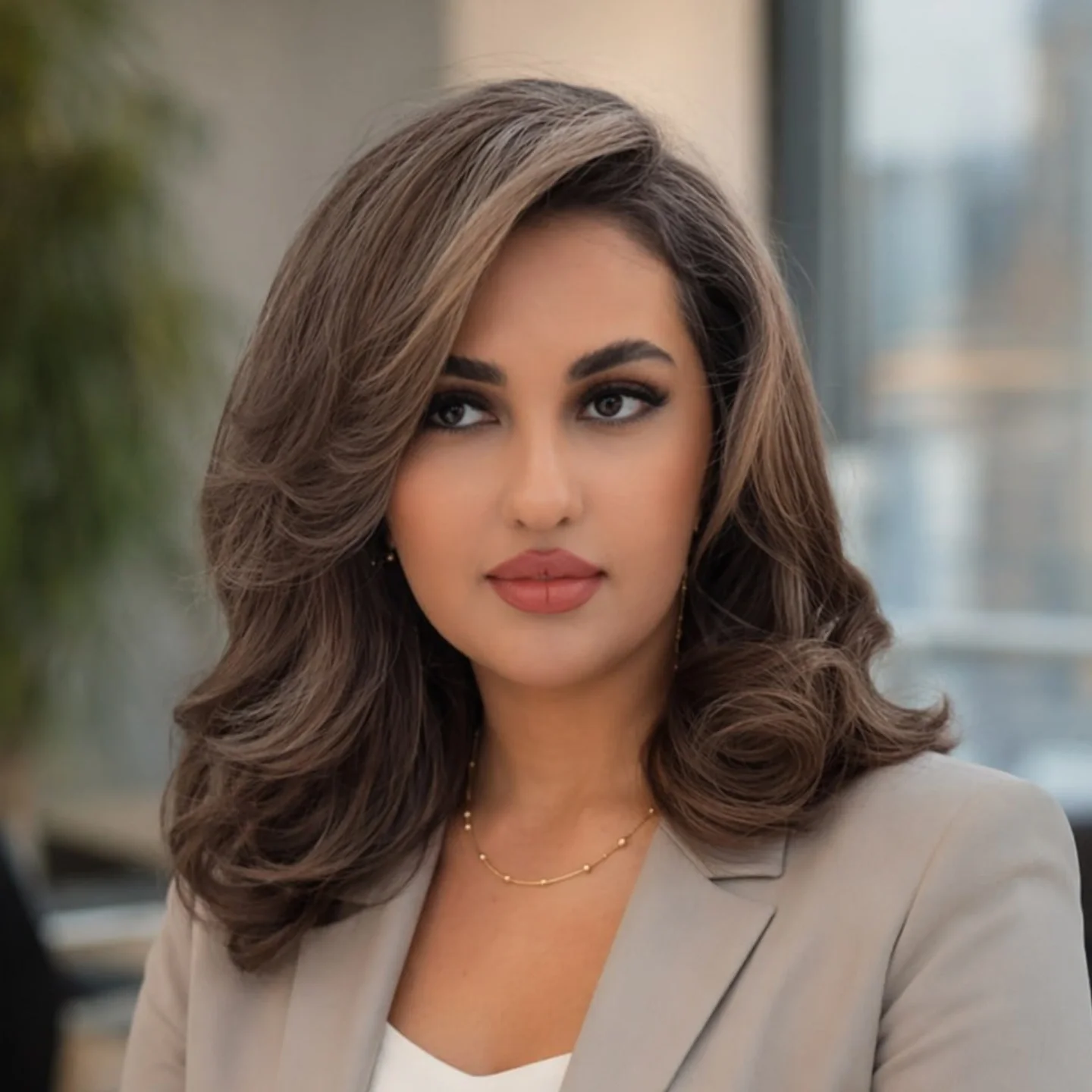
Manushak Arushanova
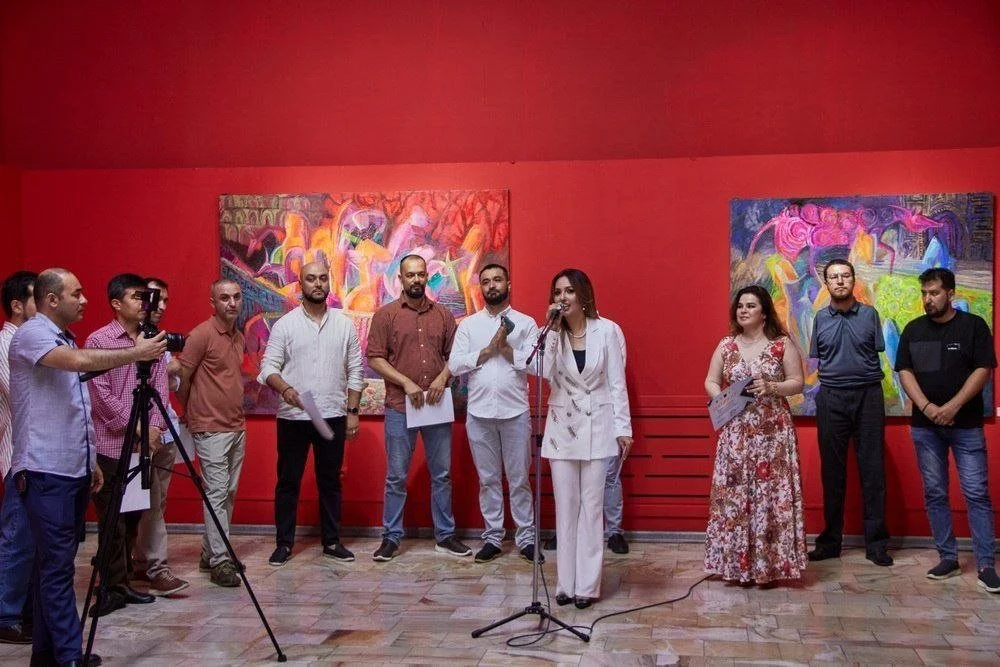
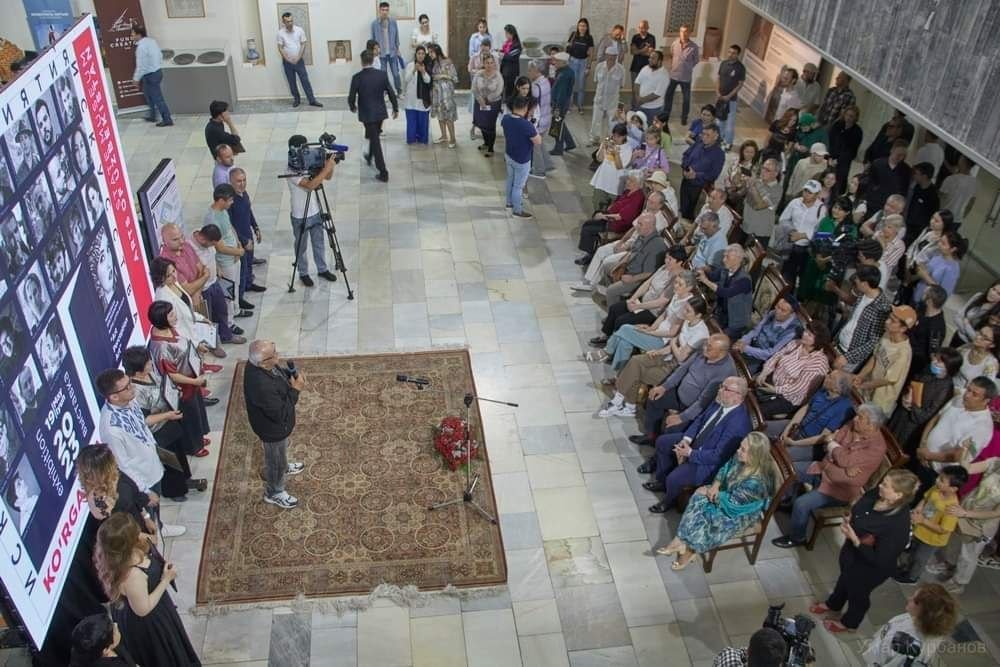
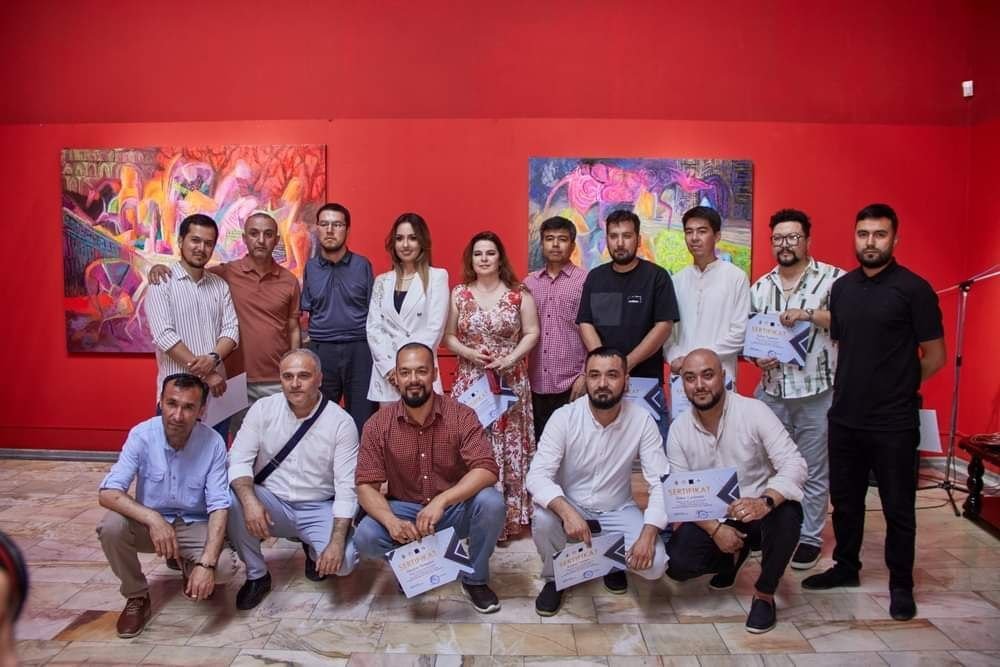
Arushanova founded the Art of Perceiving Art series in 2022 at the International Caravan-Saray of Culture, Academy of Arts of Uzbekistan. Under her leadership, the project has grown into a Central Asian dialogue — by 2025, it was drawing artists from Uzbekistan, Tajikistan, and Kyrgyzstan to Tashkent's House of Photography for its sixth edition.
"Only when an artist consciously grasps the goals of their practice," Arushanova has said of the project, "can they create work that genuinely speaks to a viewer." That philosophy — that consciousness precedes communication — runs through every edition of the show, including this one.
How the series works
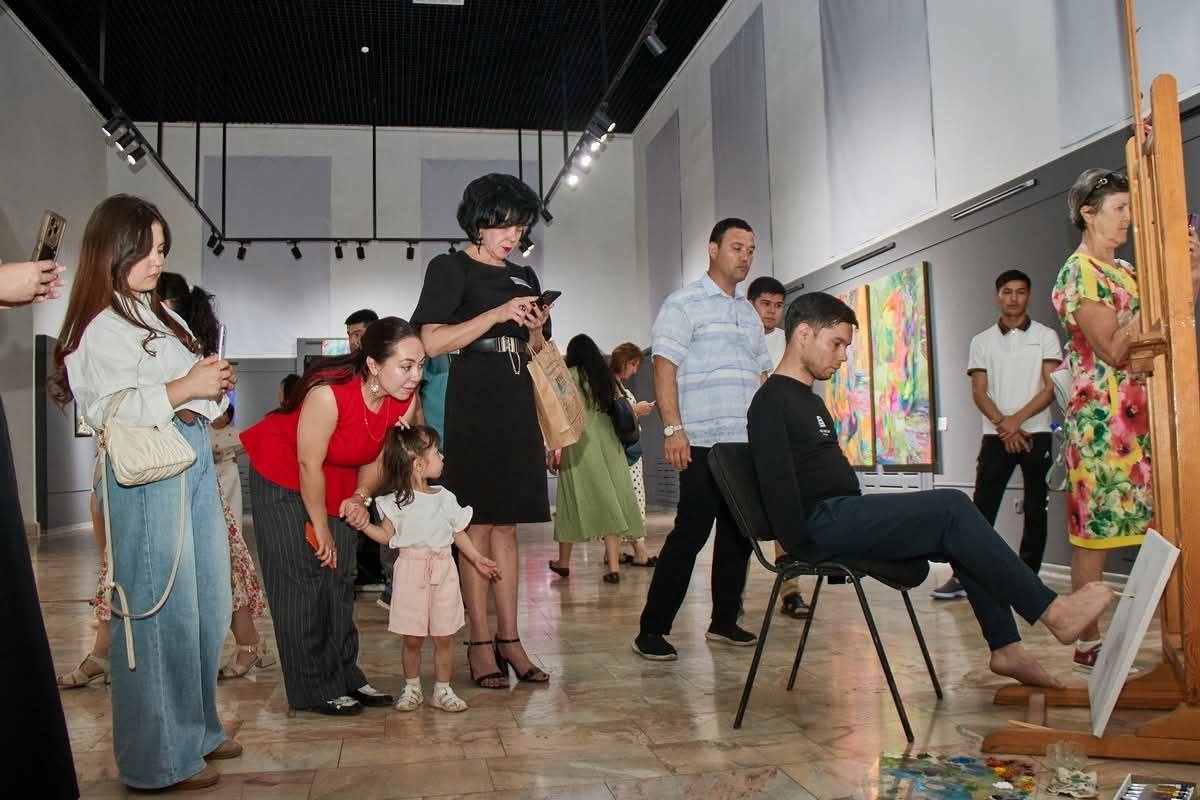
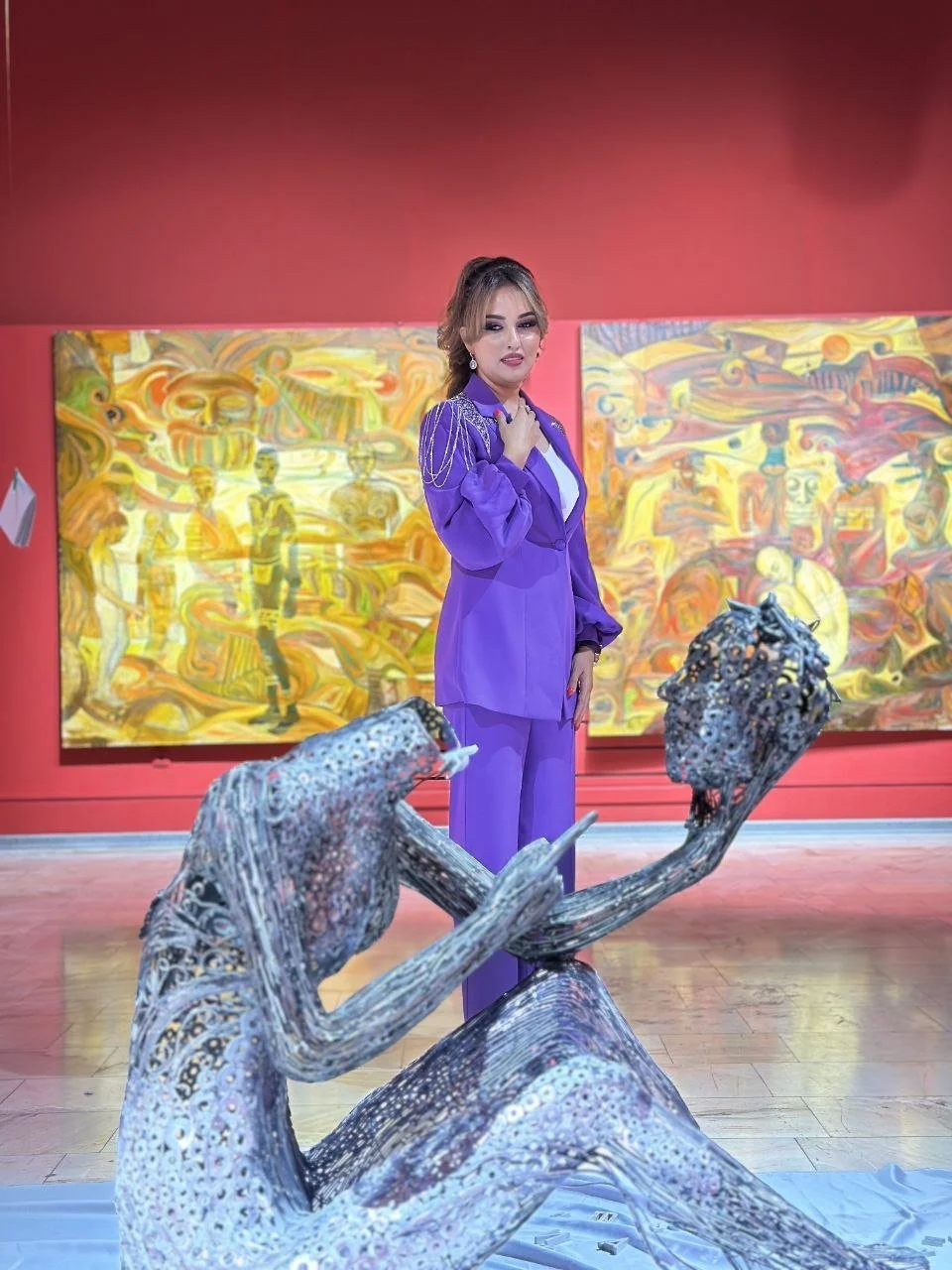
Each edition gathers a group of artists — the 2022 debut brought together 18 painters and one sculptor — and asks them to respond collectively to the central question of how we perceive art and how art perceives us. Works span the full range from careful realism to untethered abstraction, unified not by style but by intent. Past editions have featured master classes held on opening day, live sculpture performances, and interactive installations that blur the line between artwork and architecture.
A recurring feature Arushanova introduced from the start is the exhibition's refusal to treat the audience as passive. Visitors are given notebooks and invited to record their responses as they move through the space — reactions that are fed back to the artists, creating a loop designed to genuinely shift how participants understand their own work. The viewer, here, is a co-author.
What to expect in 2026
Specific artists, venue, and programming for this year's edition have yet to be announced — Arushanova's process has always been deliberate, assembling the right voices rather than moving fast. What past editions make clear is that the show rewards the curious and patient visitor: one who is willing to not just look, but to genuinely engage. Come ready to write in a notebook, to watch something being made, and possibly to walk through a door you didn't expect to find.
Mark your calendars.
May 18, 2026
Tashkent — the door will be open again.