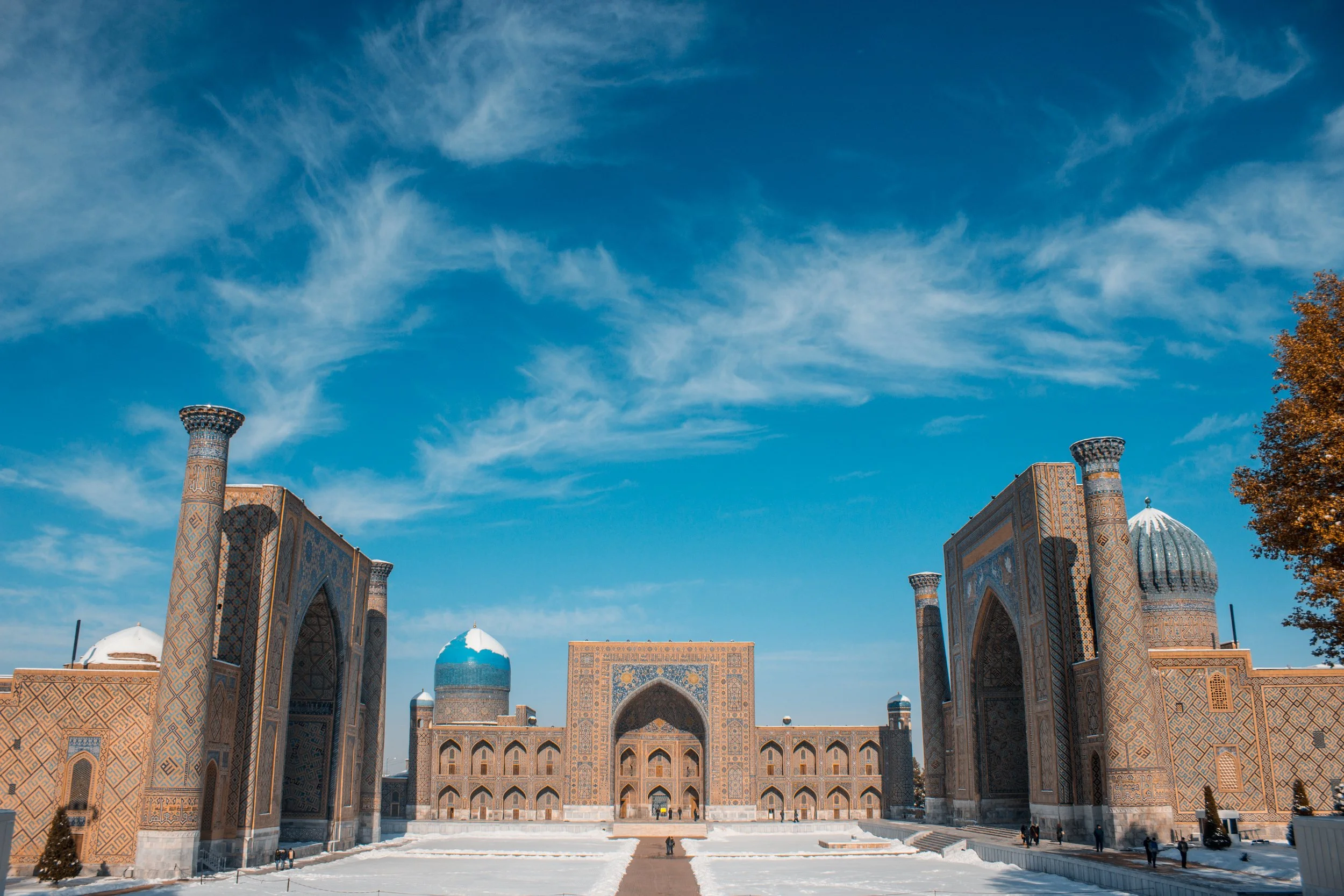
Samarkand is where Uzbekistan’s history feels tangible: gilded domes, mosaic-lined courtyards, and architecture that seems to glow at every hour. Beyond the iconic Registan, this guide explores the quieter corners and lesser-known sites that make the city feel even more alive.
Beyond the Iconic Silk Road Cities
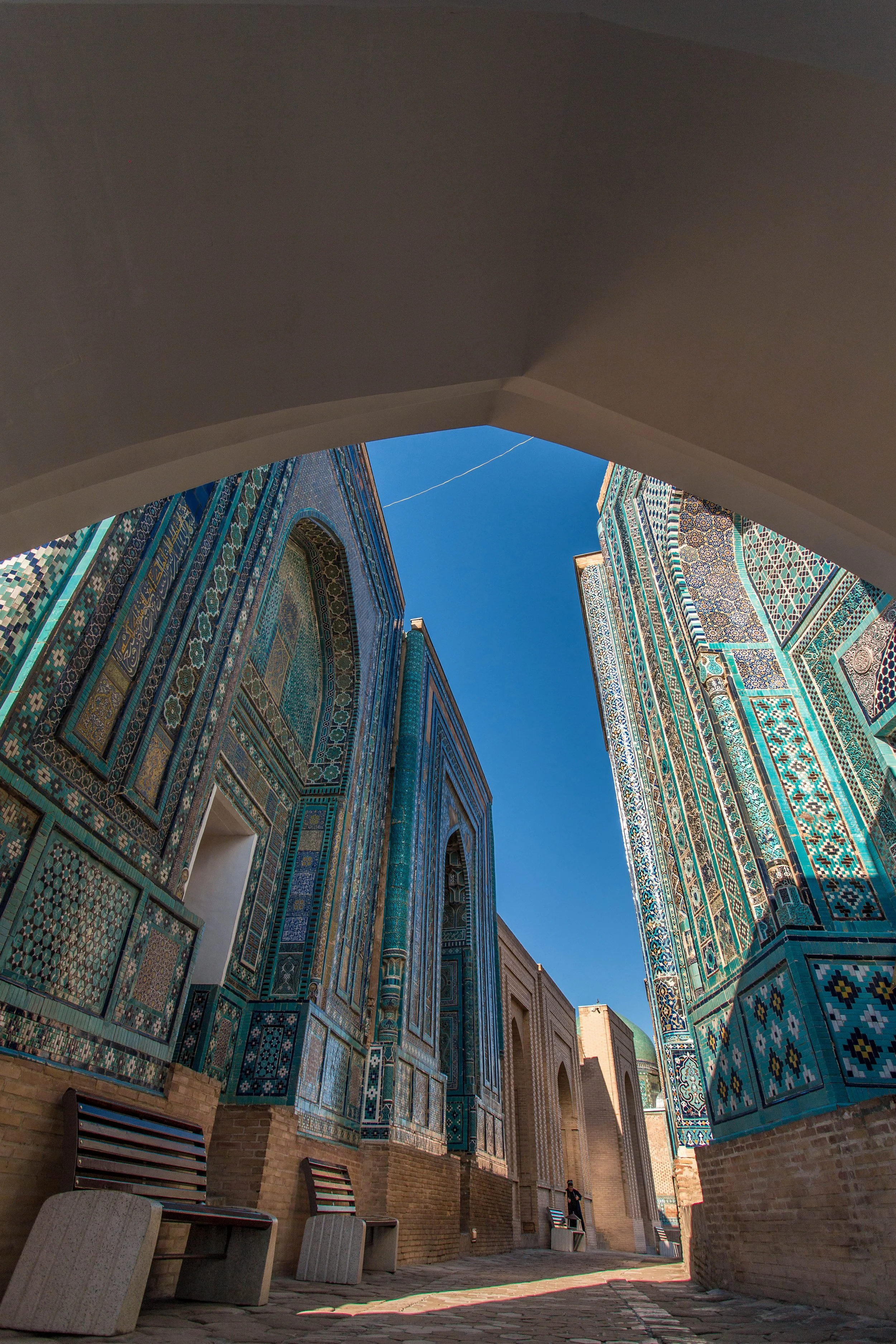
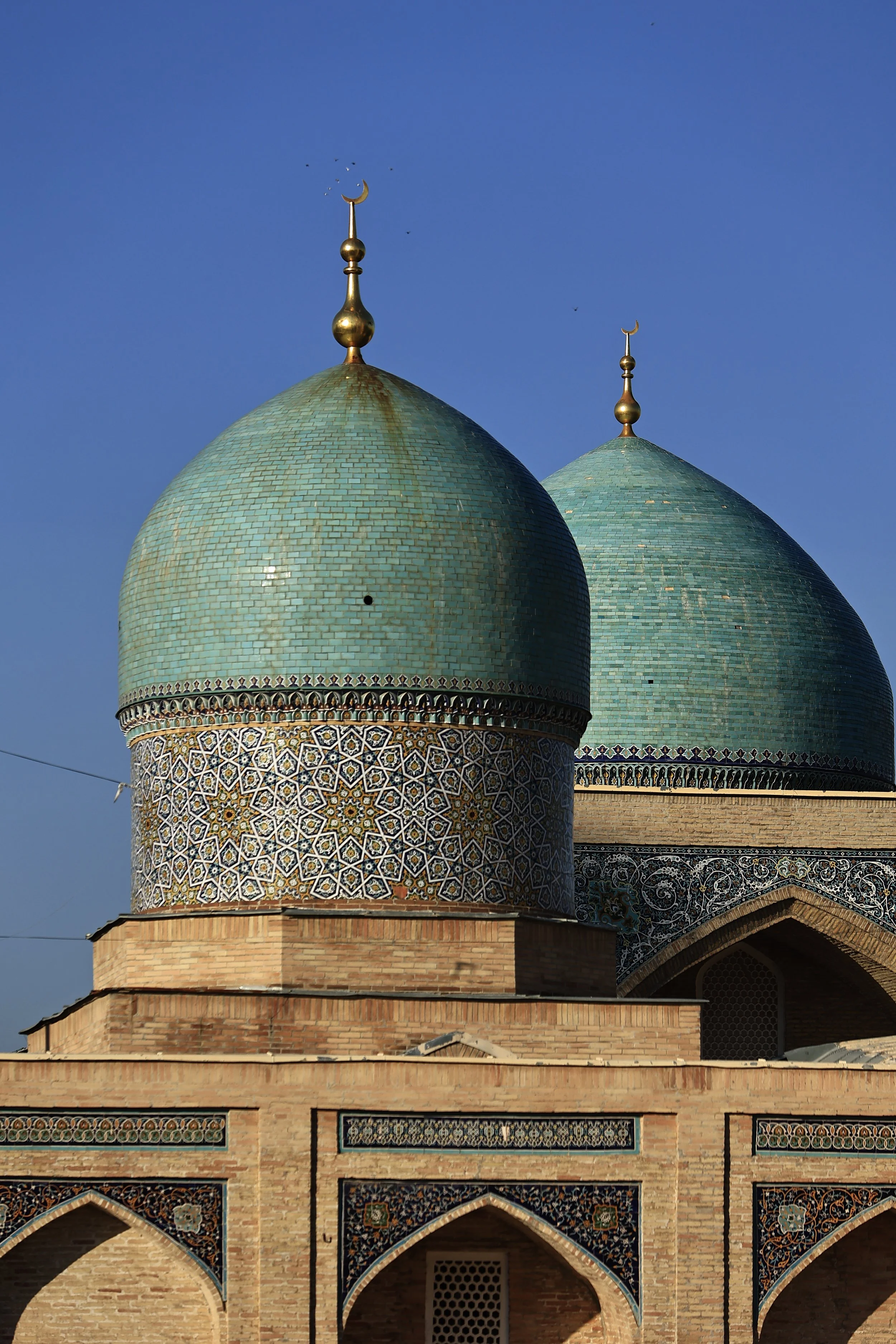
Millennia of travellers have journeyed along the golden road to Samarkand, gazing upon the glittering turquoise and lapis tiles of the Shah-i-Zinda, the massive dome of the Bibi Khanym Mosque, and the gilded interior of the Tilya Kori Madrasah in the Registan. These historic sights remain just as mesmerizing today as they were when the great emperor Timur made Samarkand his capital and home. However, in their haste to check off official UNESCO World Heritage Sites, most tourists tend to overlook Uzbekistan's other hidden treasures. While a trip to the country would certainly be incomplete without experiencing Samarkand, Bukhara, and Khiva, every single corner of Uzbekistan holds distinct wonders that warrant thorough exploration. Travelers are encouraged to take as much time as possible and travel as far as they can to truly gain deep insight into this beautiful, nuanced country.
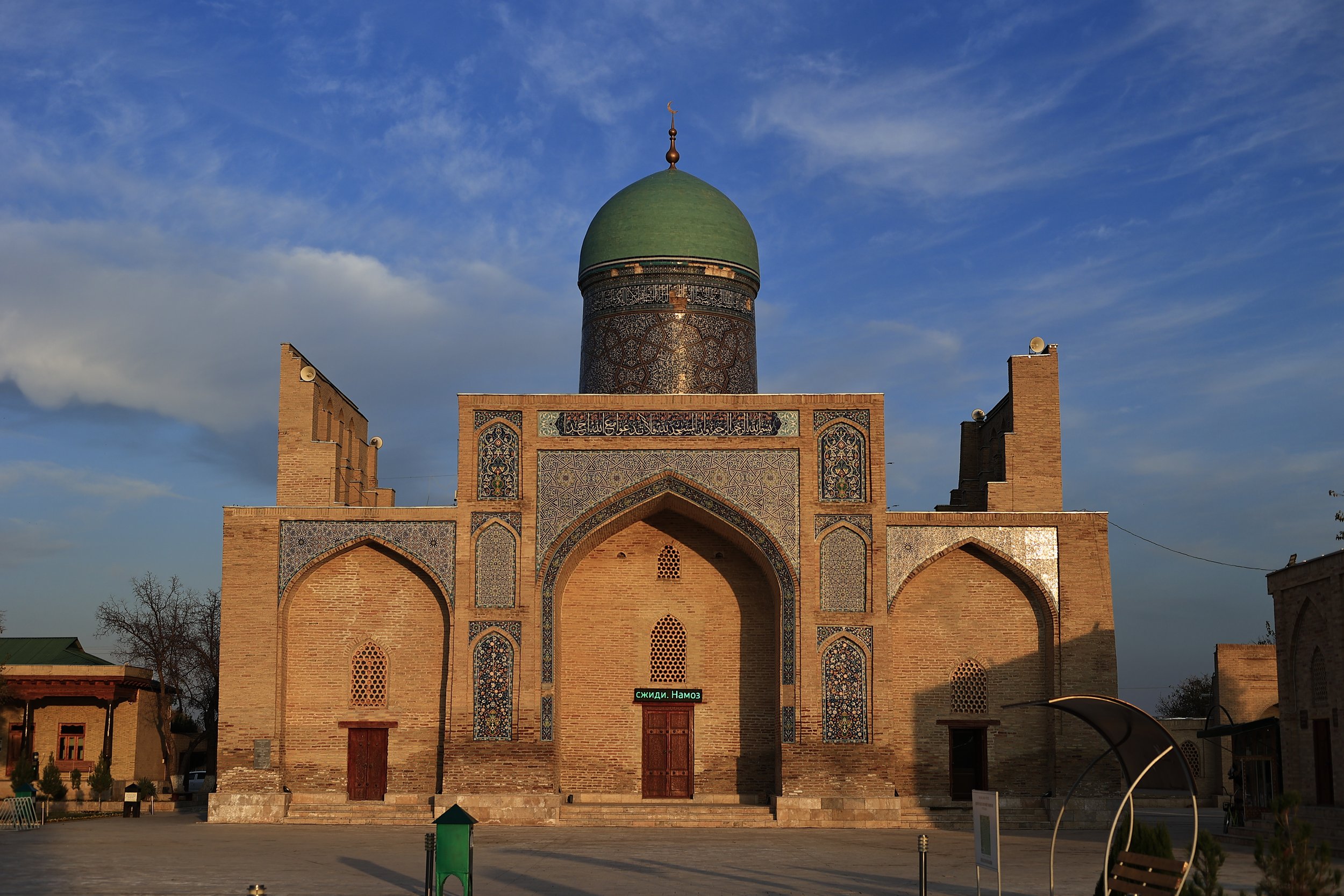
Exploring the Golden Ring of Khorezm
Beginning in the west and surrounded by the vast expanses of the Kyzylkum and Karakum Deserts lies Karakalpakstan. Rising dramatically from the dusty dunes are fifty mud-brick fortresses known collectively as the Golden Ring of Khorezm. Blended with and partially reclaimed by the surrounding earth, these massive historical structures stand as a testament to the might and power of armies from the past. Atop the weather and time worn battlements of Ayaz Qala, visitors can look out for miles and miles. Additionally, about one hundred rooms of Toprak Kala remain partially preserved, allowing travelers to wander through ancient streets, peek into old homes, and imagine what daily life felt like during the height of the Silk Road. During the low season and at smaller fortresses, visitors will likely have the entire historical site completely to themselves.
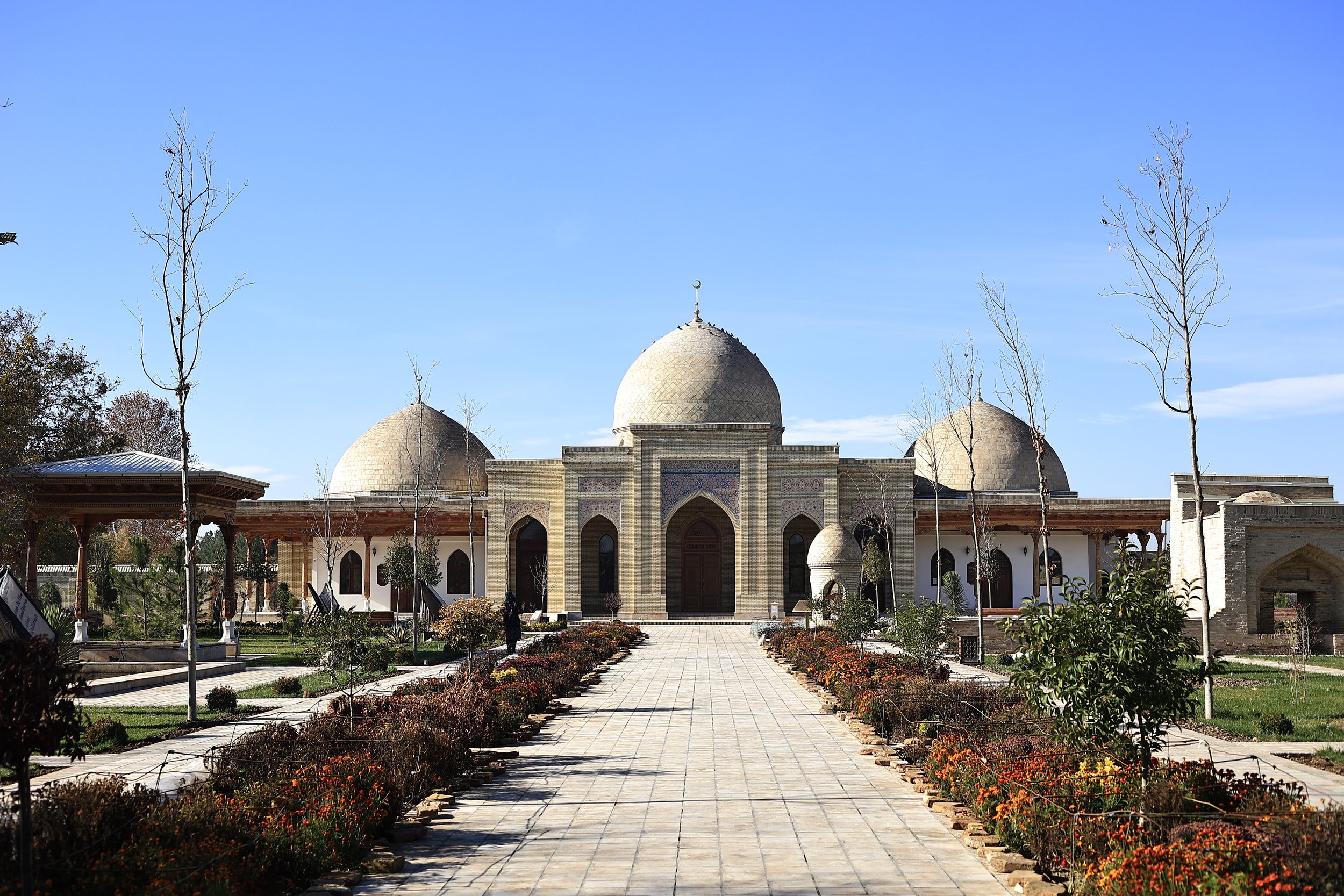
Uncovering Art and Palaces in Nukus and Bukhara
While visiting Nukus, the city itself might appear unremarkable, but it hides an absolute gem known as The Savitsky Museum, which Le Télérama magazine famously dubbed "Le Louvre des steppes". The curator and founder, Igor Savitsky, was a passionate painter, archaeologist, and dedicated collector who acquired thousands of artworks from across the Soviet Union when the artists who produced them were out of favor. By secretly tucking away these masterpieces in remote Karakalpakstan, he successfully preserved them for later generations to enjoy. Meanwhile, when traveling in Bukhara, visitors should make time to venture outside the city to see the magnificent Sitorai Mokhi Khosa, meaning "the palace of moon-like stars". Built between 1912 and 1918, this former official residence of the last emir intricately combines Islamic heritage with imperial Russian architecture, featuring white stucco facades, Venetian mirrors, and Japanese porcelains.
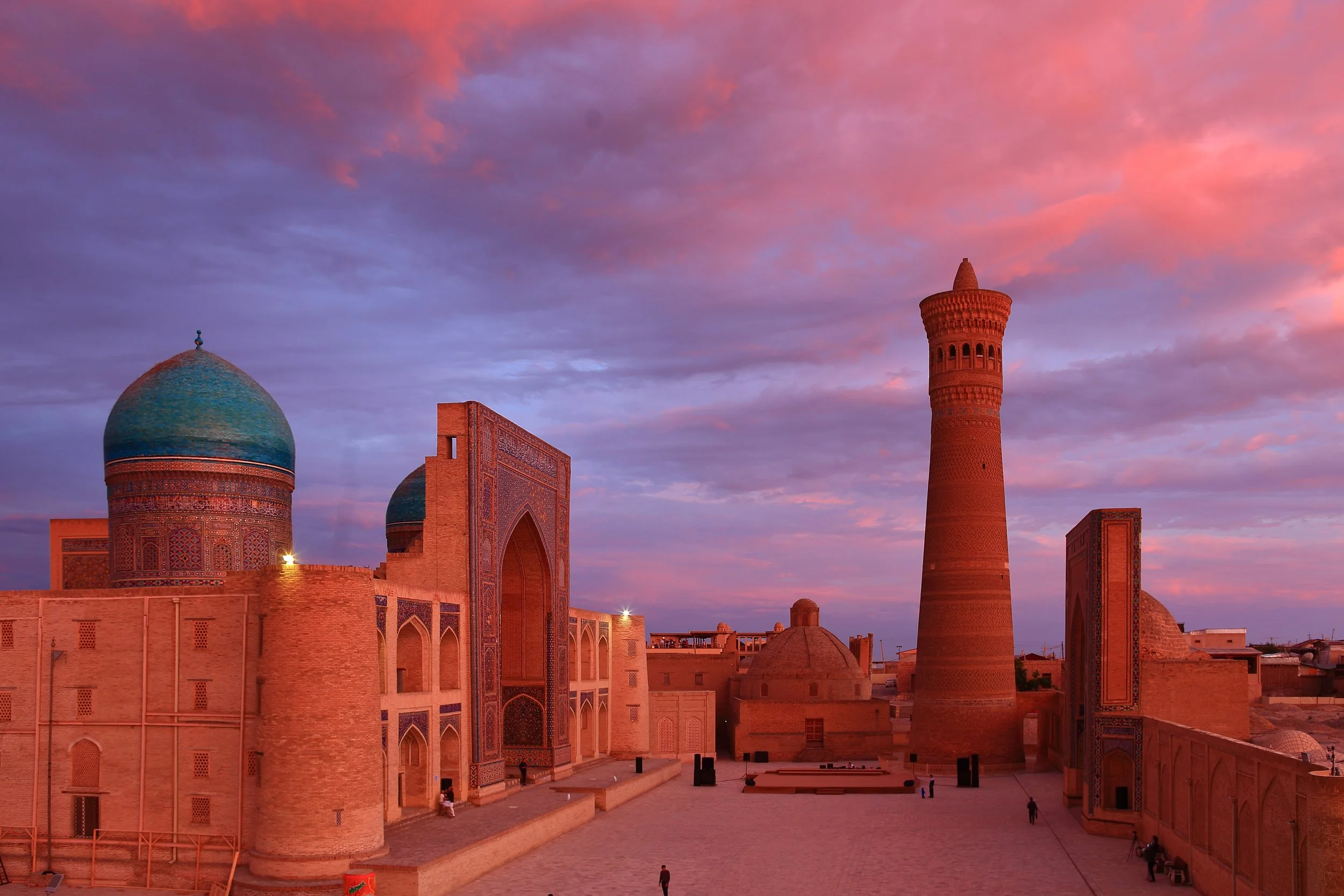
Sacred Spaces and Natural Oases
Travelers can easily combine a visit to the palace with a trip to the Memorial Complex of Naqshbandi, one of the most sacred pilgrimage sites in the entire country. Naqshbandi was a revered Sufi theologian and the spiritual guide of Emperor Amir Timur. Sitting quietly in the courtyards while looking up at the finely carved woodwork and intricate tile mosaics offers an oasis of calm, accompanied only by the murmuring of Muslims in prayer. For those seeking natural beauty, Aydarkul provides a striking exception to man-made highlights, standing out as one of the most idyllic lakes in Central Asia near Nurata. After spending a warm afternoon swimming and splashing in the clean waters, travelers can head to a nearby Kazakh yurt camp to spend the night like nomads. Around a glowing campfire under a clear canopy of stars, a local musician plays and sings, creating the most magical memories.