A new identity
How Uzbek Designers Are Reimagining National Style
Text by Irina Perova
National style is becoming a space for dialogue between history and the present, craft and form, local context and global perspective.
Uzbek designers are increasingly working with cultural heritage not literally, but conceptually. They are moving away from direct quotation and surface decoration, choosing instead the language of form, silhouette, and meaning. This is not an attempt to preserve tradition unchanged; it is a desire to give it new life, relevance, and honesty.
There is no folkloric nostalgia in this fashion. Instead, there is intention, a search for identity, and a desire to speak to the world as equals. This is precisely how national style stops being an archive and becomes a novel statement
Turon Couture: Decorative Expression and Form
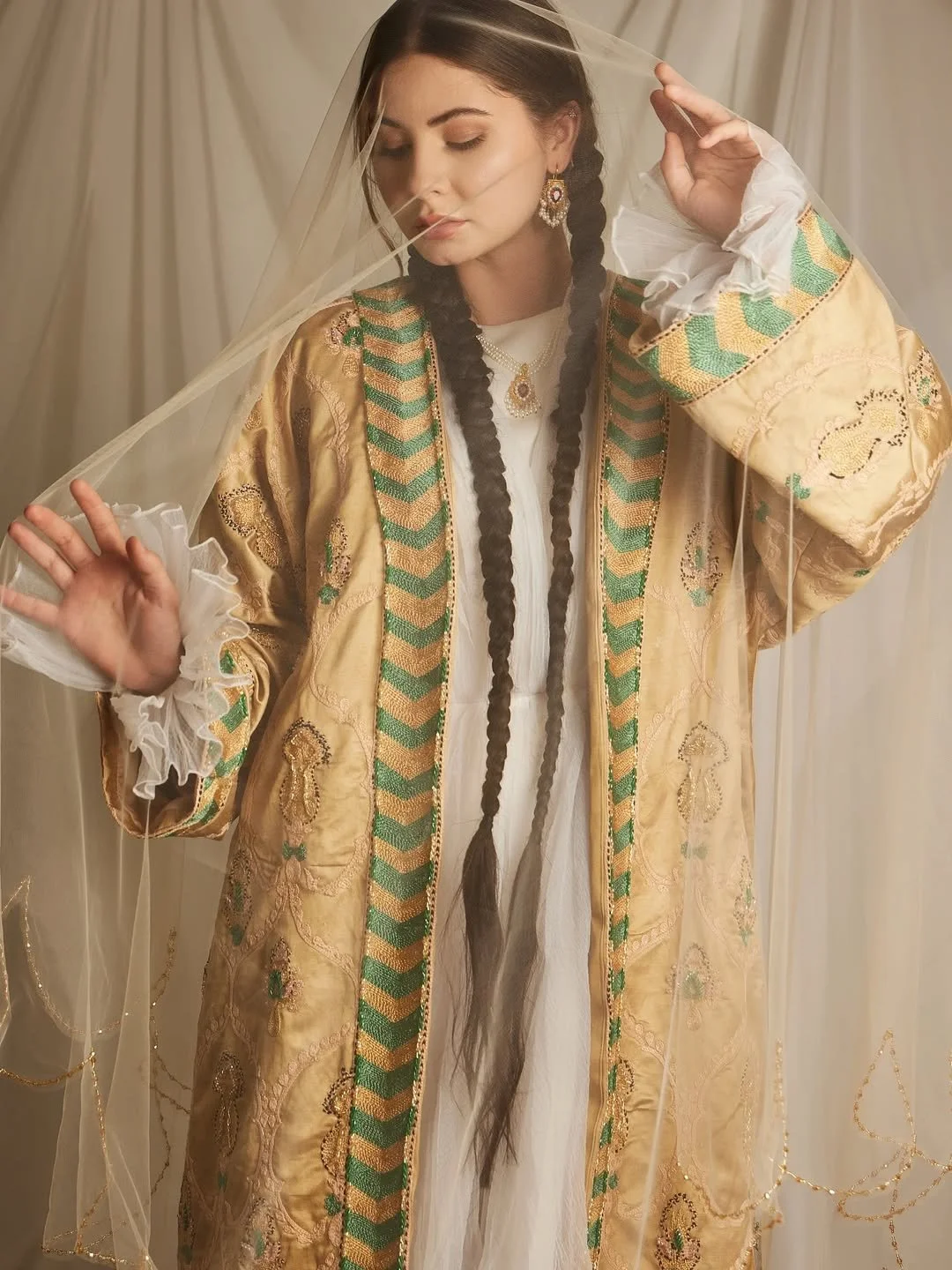
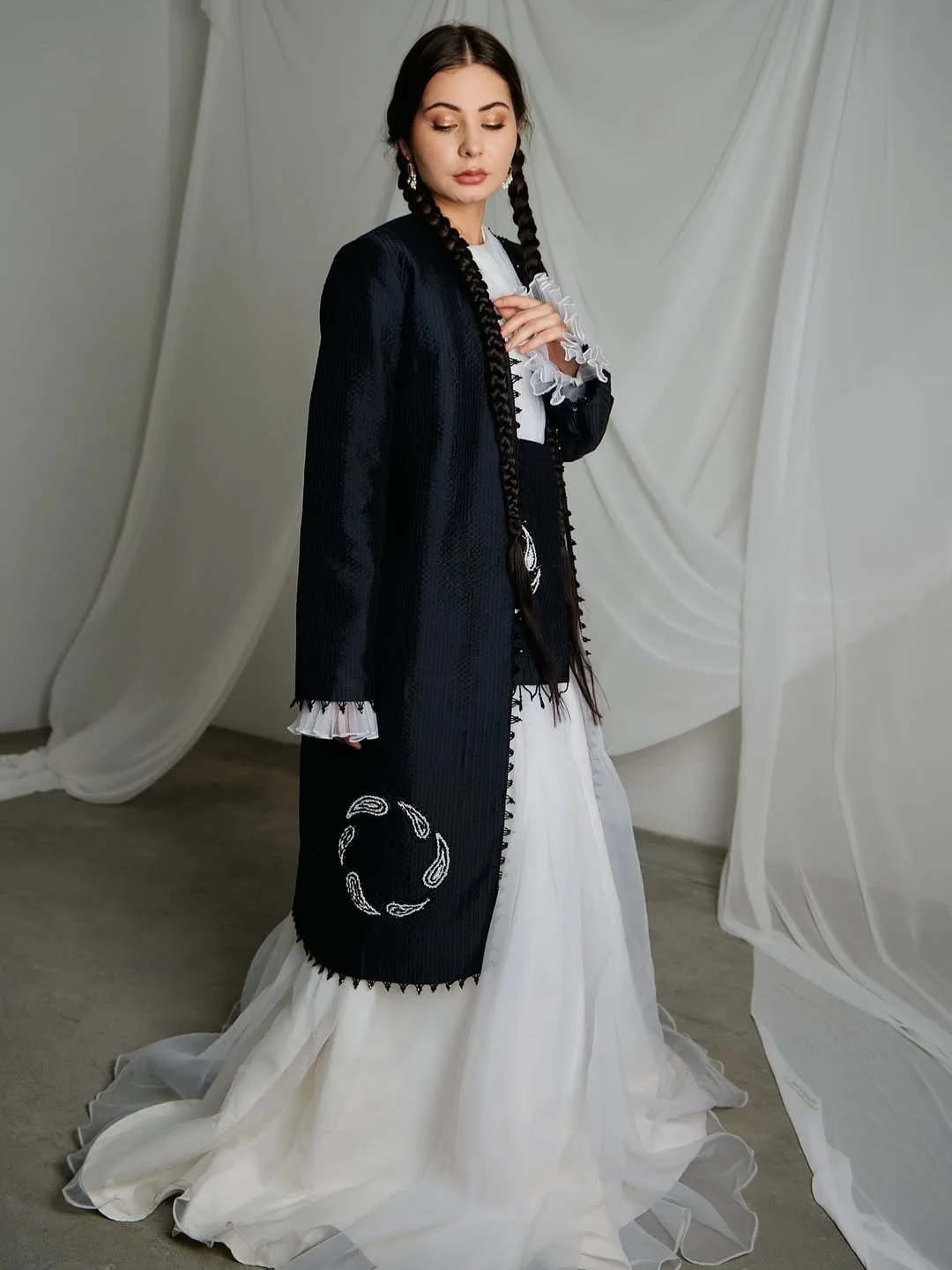
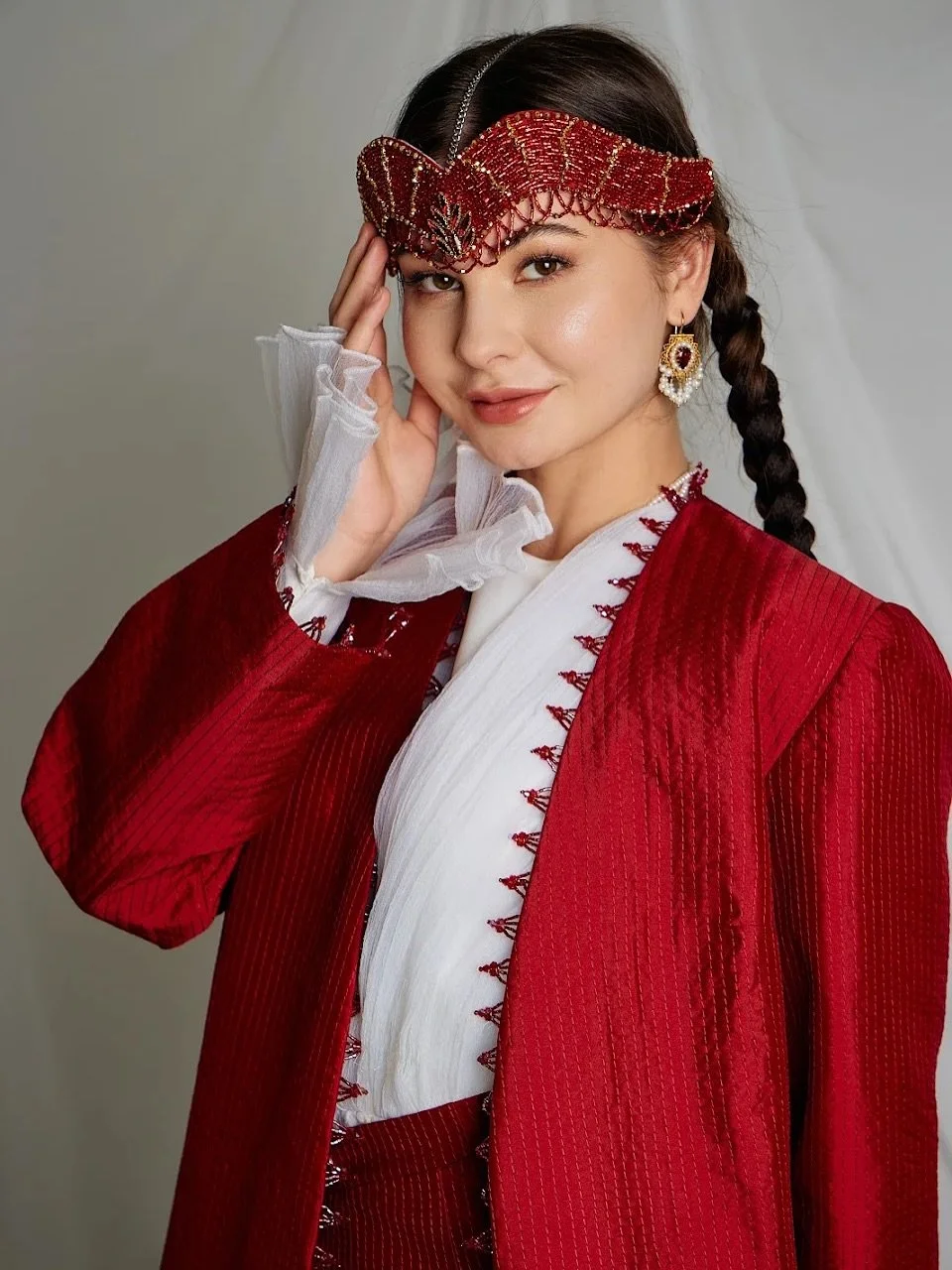
Turon Couture works in an expressive, celebratory visual language. Their aesthetic embraces peplum jackets, lavish embroidery, and meticulous attention to detail and texture. Not everyday wear, but image-making.
Turon Couture balances tradition with contemporary femininity: recognizable elements of national costume are reinterpreted into forms legible to the modern eye. These are the pieces that often become visual markers of culture, the ones you want to study, try on, and remember.
Instagram: @turon_couture
Nigora Hashimova: Ikat as the Architecture of Tomorrow
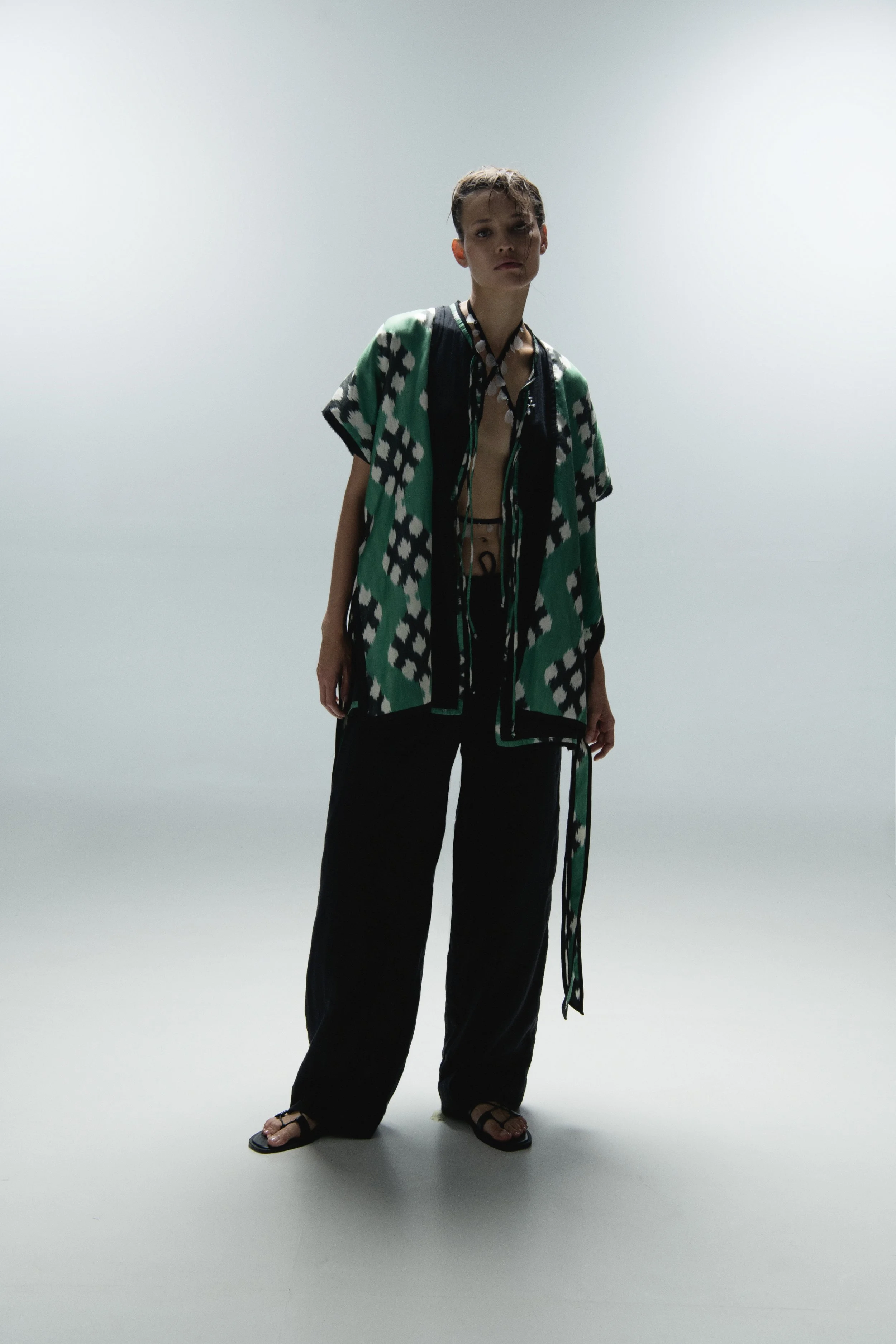
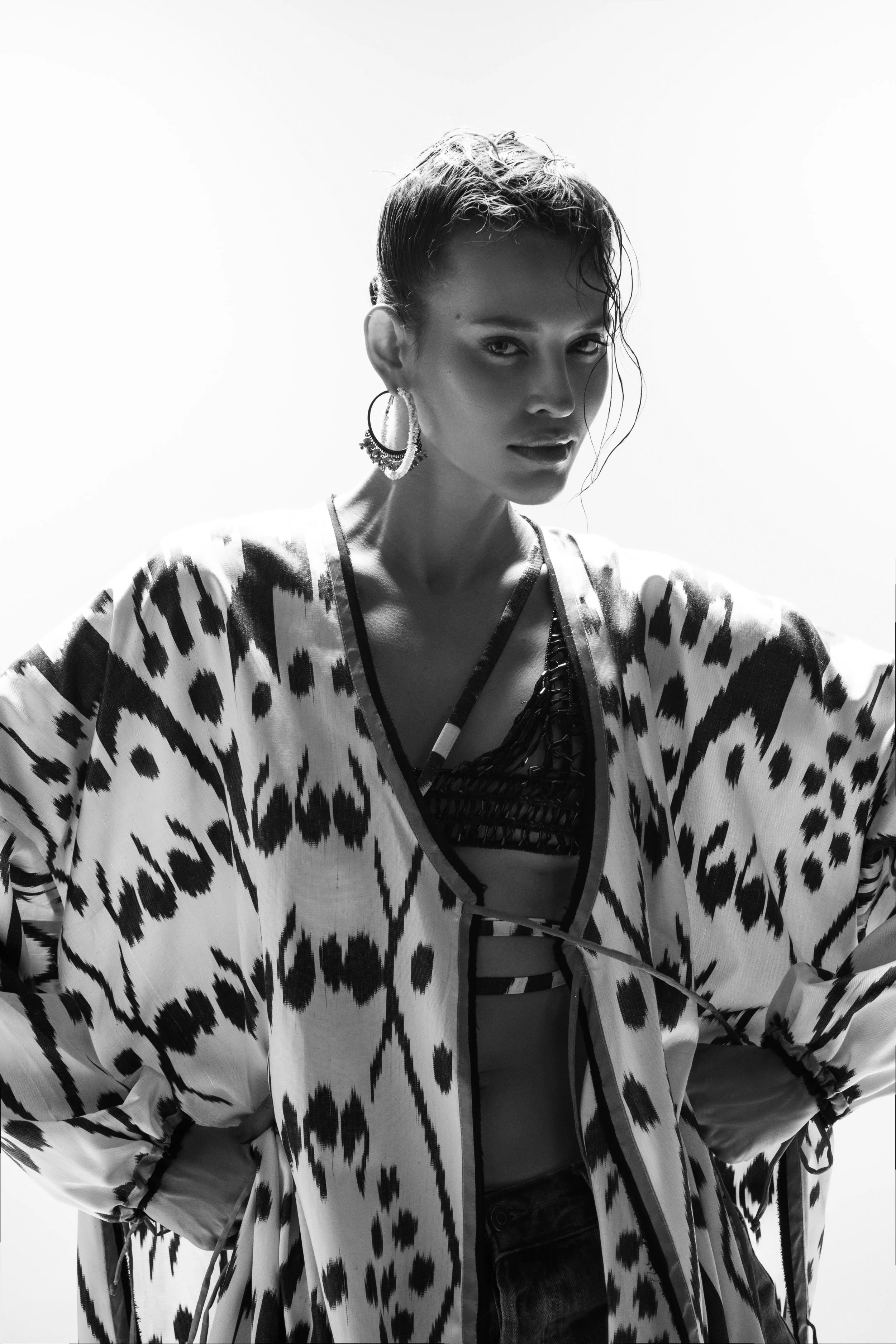
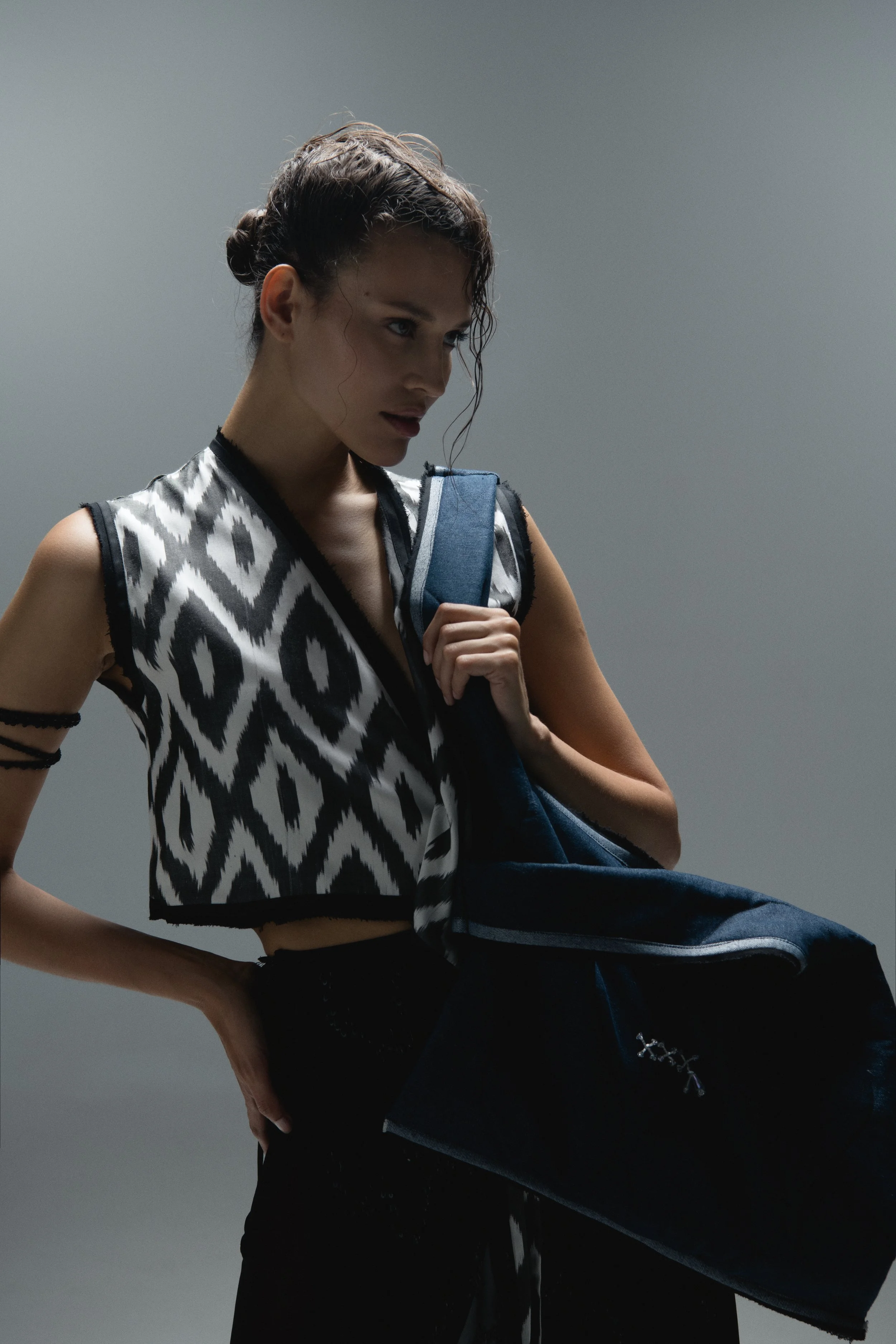
Nigora Hashimova approaches ikat not as a symbol, but as architecture. Her signature bombers demonstrate how a traditional fabric can serve as the foundation for modern, even avant-garde design.
Particularly noteworthy are her hussar-style ikat jackets, a striking reinterpretation of one of 2026's defining global trends through the lens of Uzbek heritage. A precise silhouette, considered form, and traditional fabric create a rare combination that no other designer is currently exploring in quite this way.
Instagram: @nigorahashimova.dsgn
Anor Couture: Silence as Statement
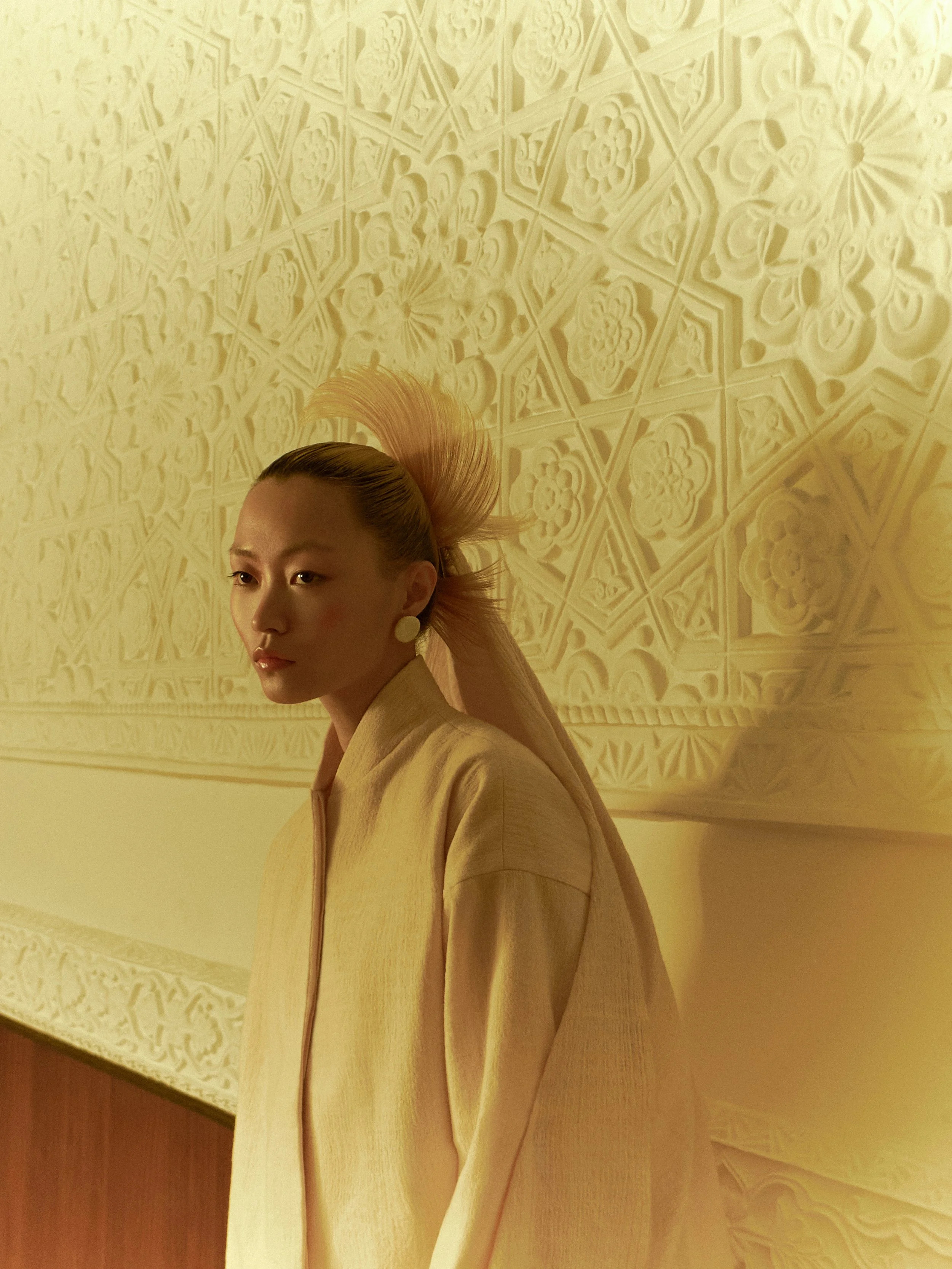
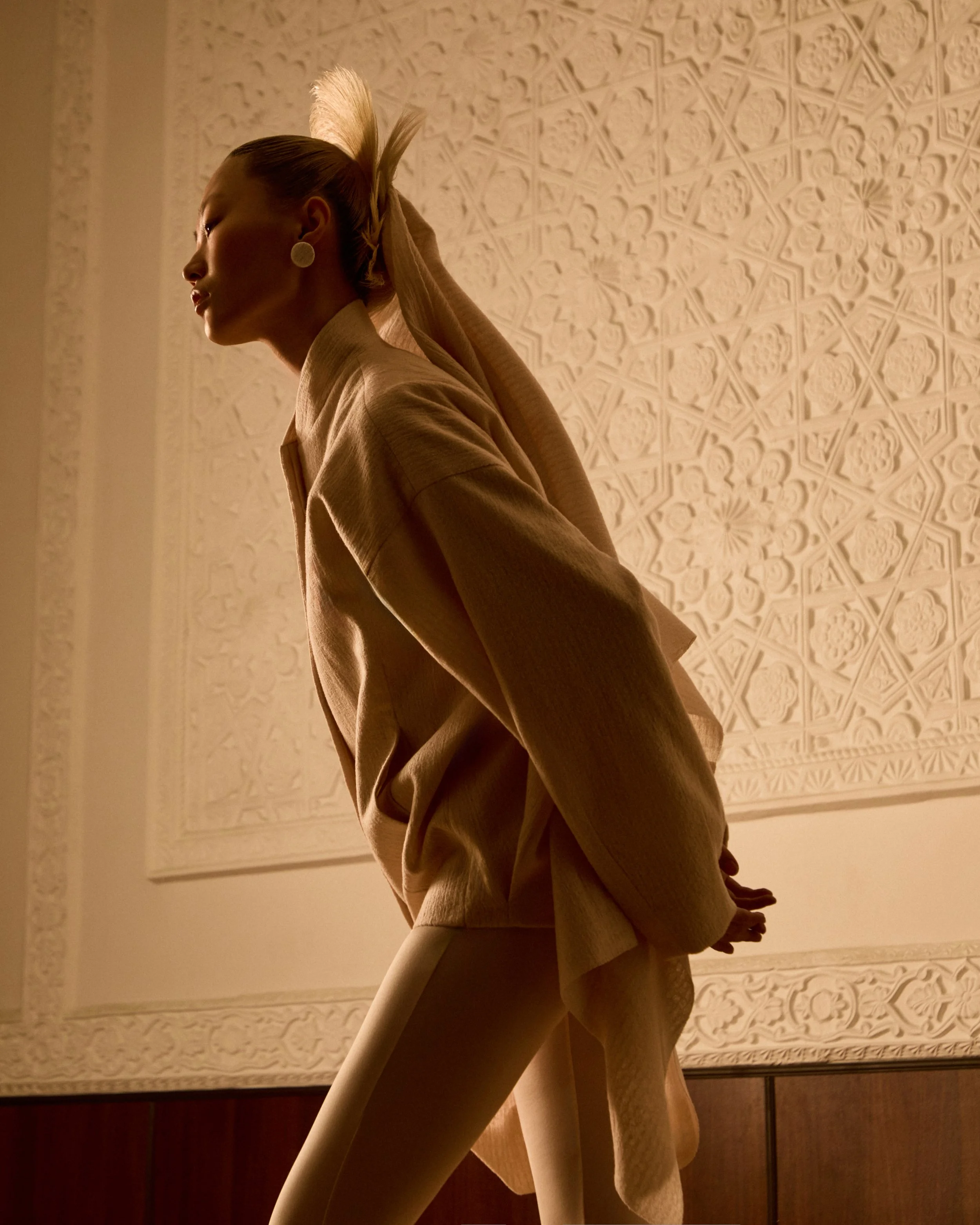
Anor Couture is the antithesis of expressive, visually loud interpretations of national heritage. There is no pursuit of visual noise here. In its place are calmness, precision of line, and a deep attentiveness to texture.
The national code in Anor Couture's collections is never declared outright. It is felt in rhythm, in the structure of a silhouette, in a conscious and elegant restraint. This is fashion with depth, modesty, and refinement – qualities that speak with conviction today.
Instagram: @anor_couturee
LALI: When the Past Looks Toward the Present
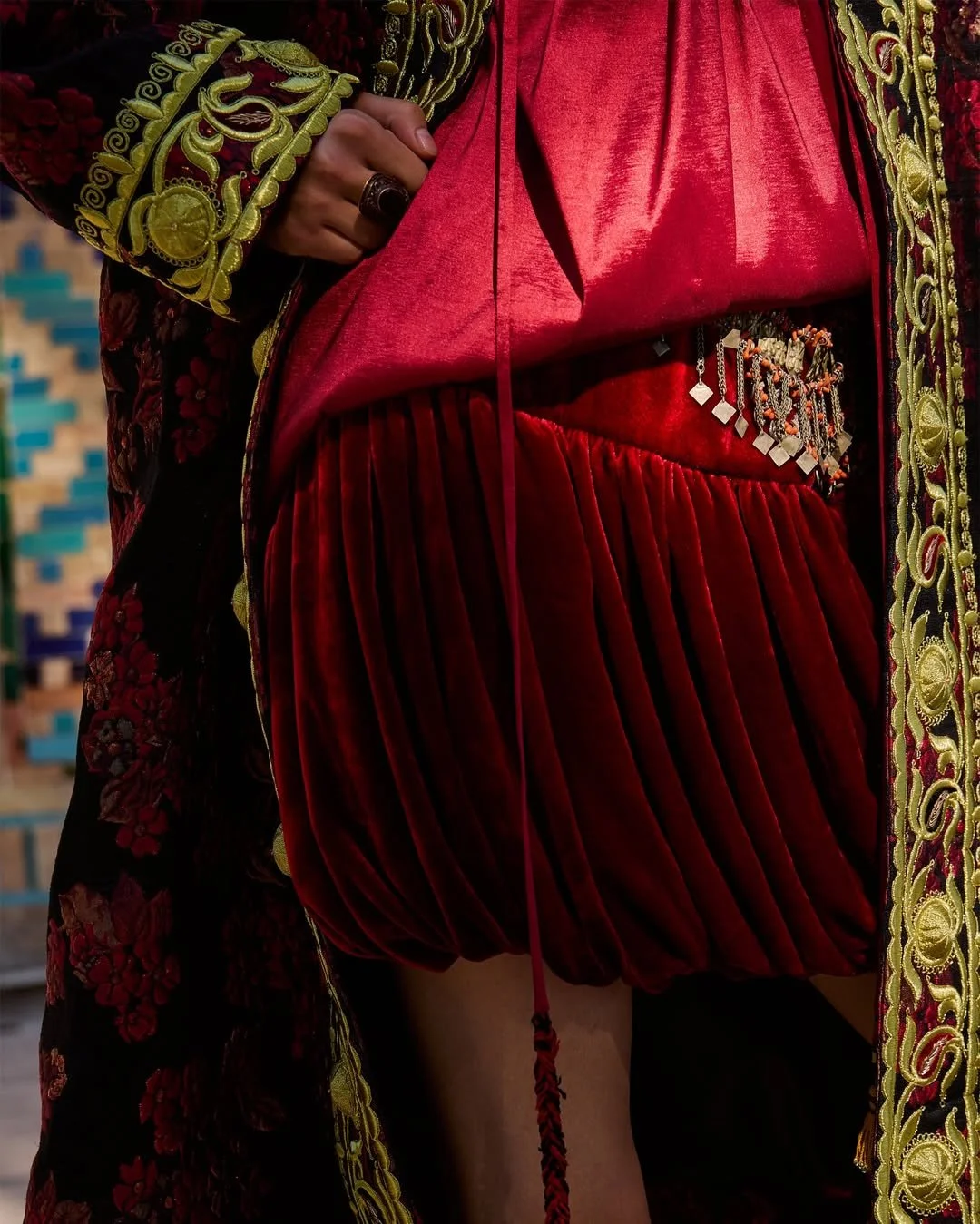
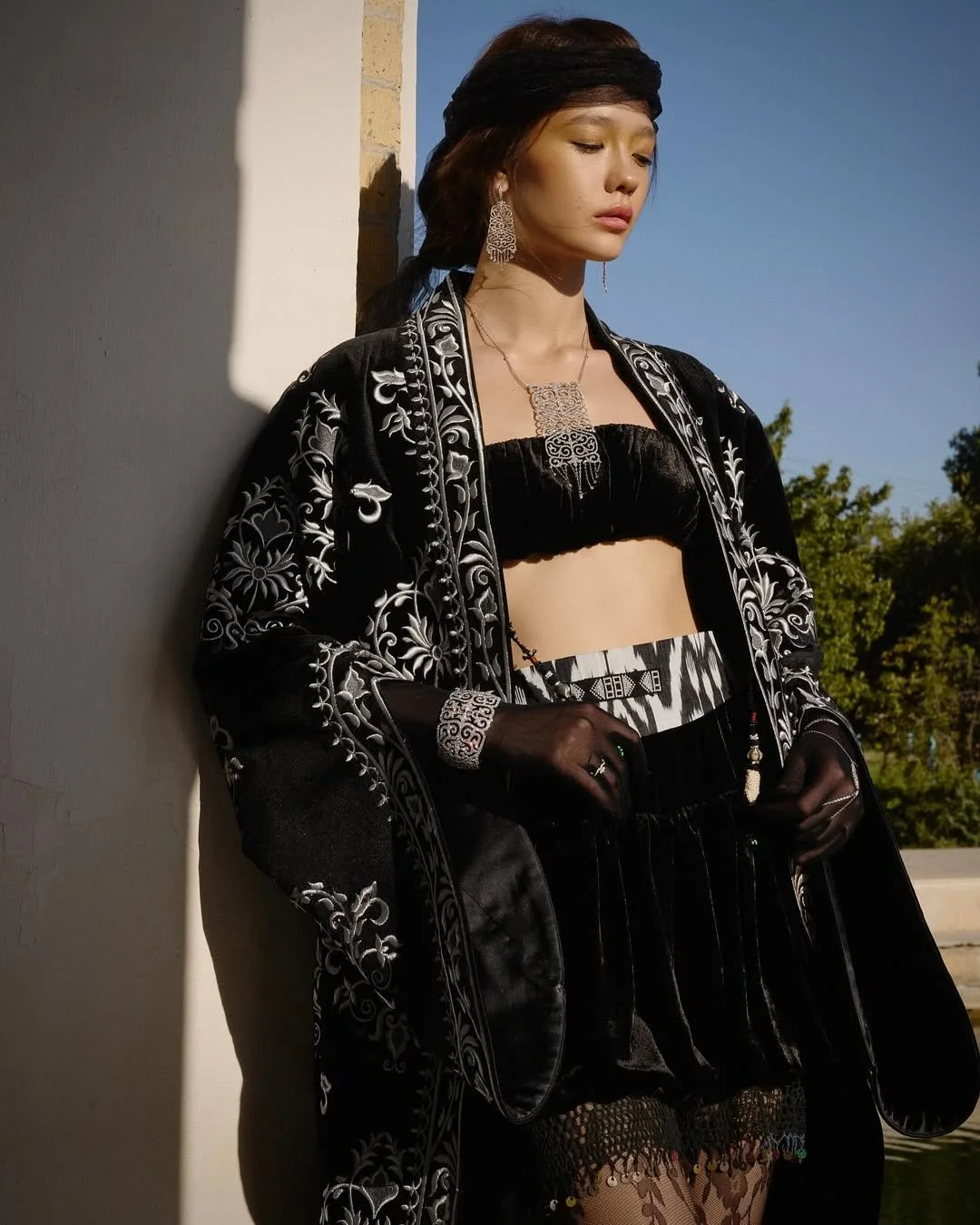
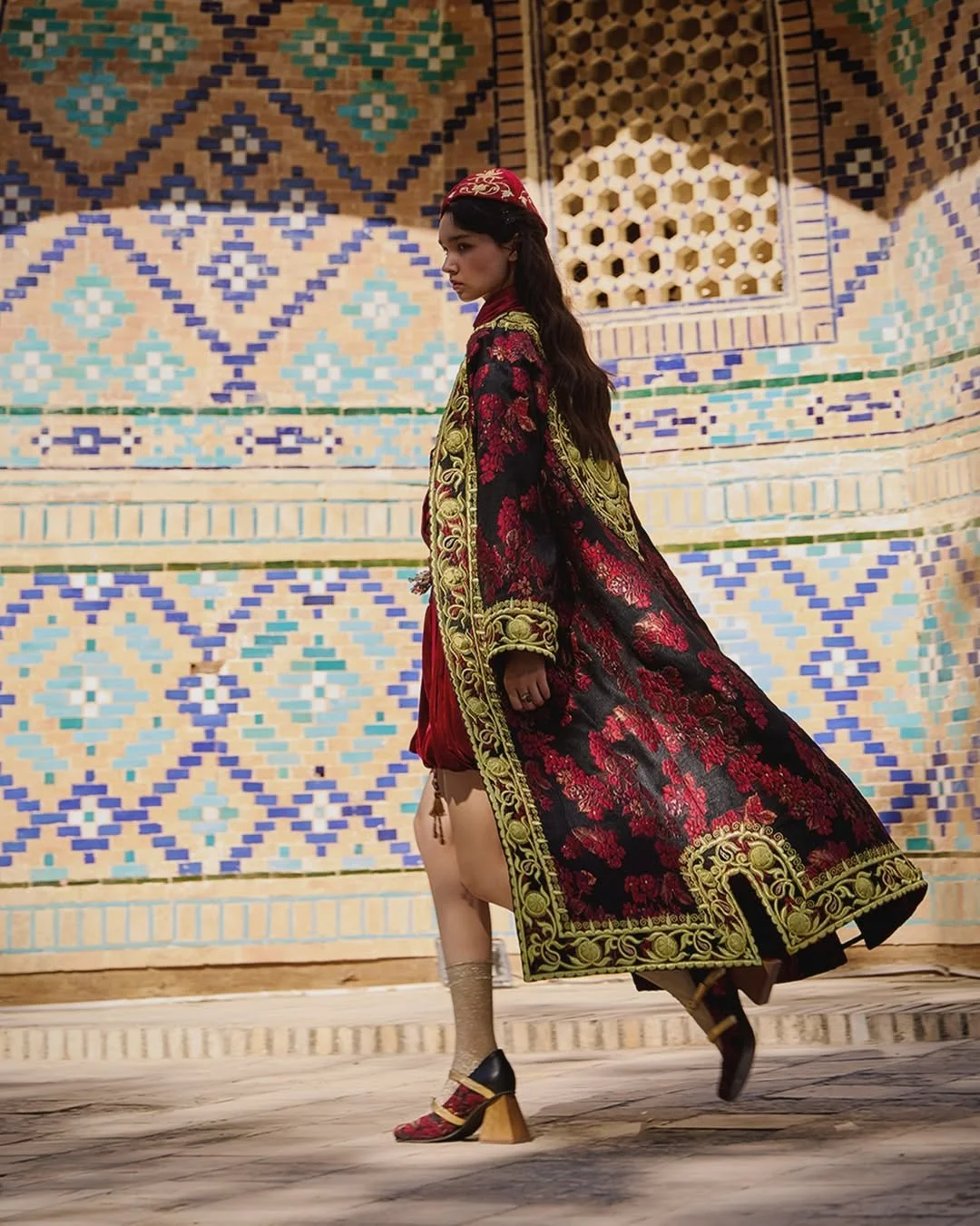
In LALI's work, the past is not recreated; it continues. Archival imagery and historical silhouettes are transformed into living form, becoming a movement forward rather than a glance backward.
The brand draws from the archives and history of Uzbekistan, reviving forgotten images and meanings. A particular source of inspiration are portraits of Turkmen women. They serve as a starting point for designer Lali Akramovna, whose relationship with history flows through every piece she creates.
Instagram: @lalifashion
Morobulsin: The Voice of a Generation
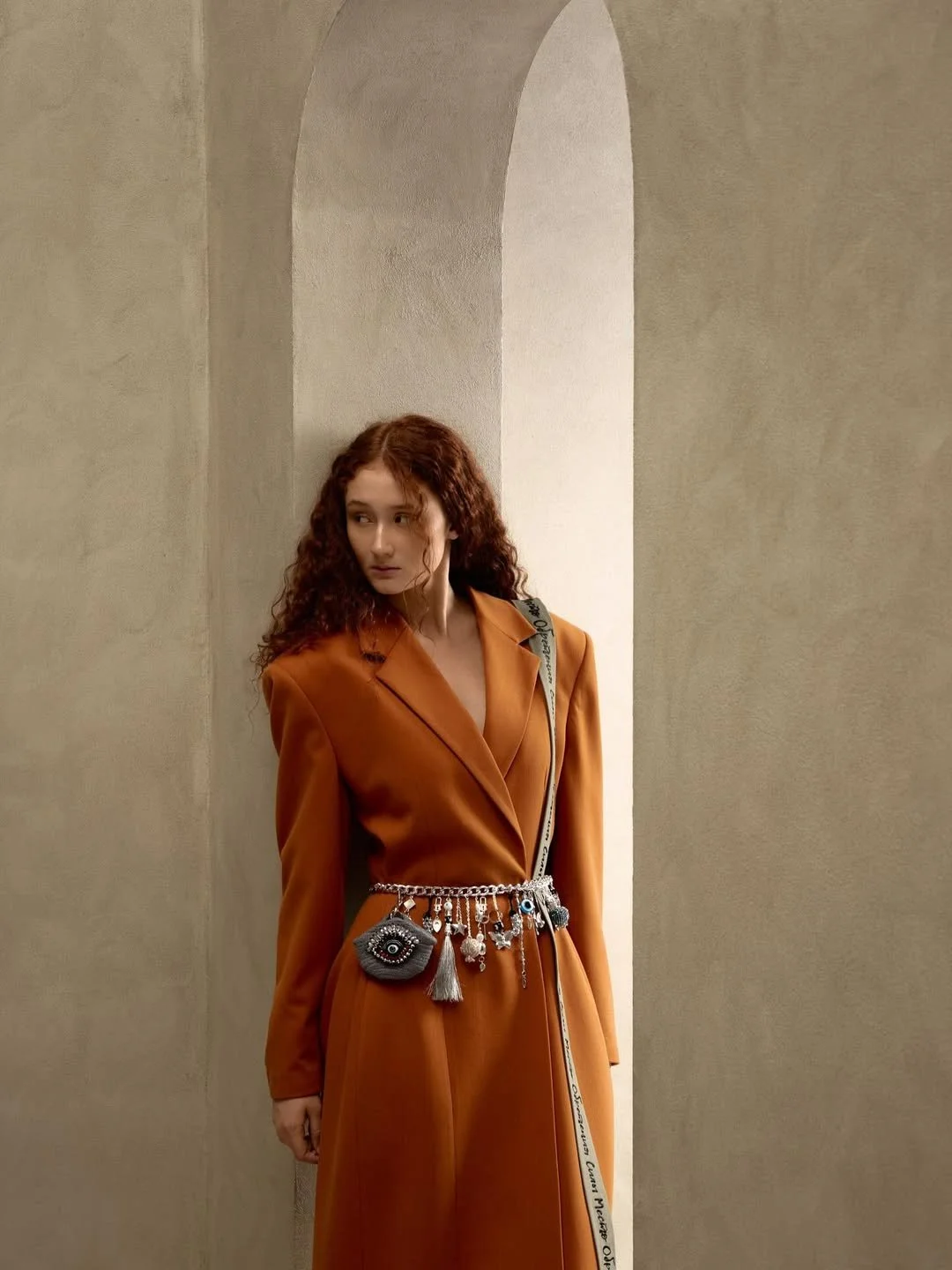
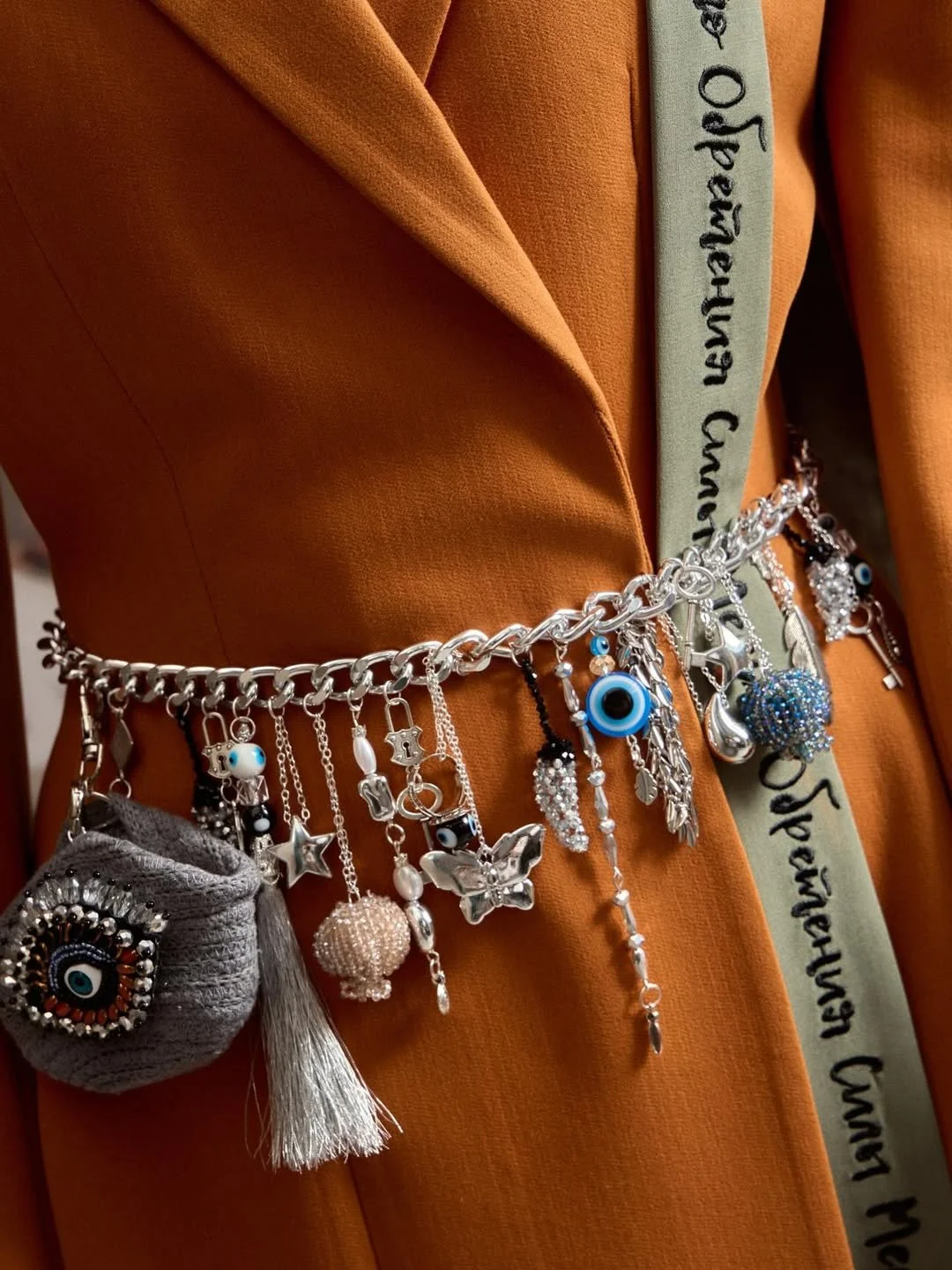
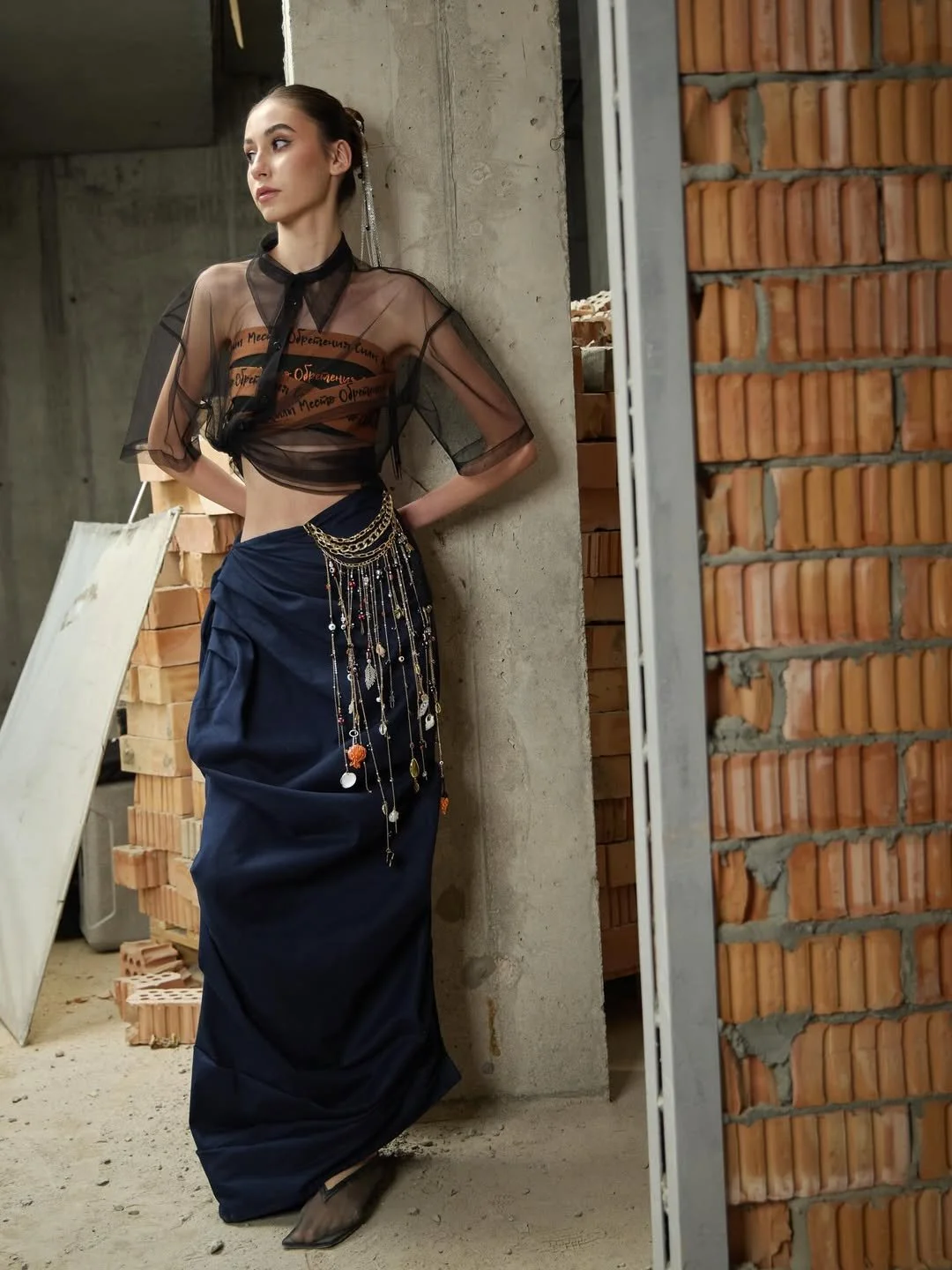
Morobulsin – a brand created by designers Klara and Rukha – has swept through the fashion world, from influencer feeds to runway shows and street style captures.
Their signature belts adorned with chilis, eyes, feathers, denim, and national motifs are not merely decorative details, they are a visual language. The national code is embedded subtly yet powerfully: it doesn't dominate a look, it amplifies it.
Instagram: @morobulsin
Azukar Moreno: A Story Told Through Material
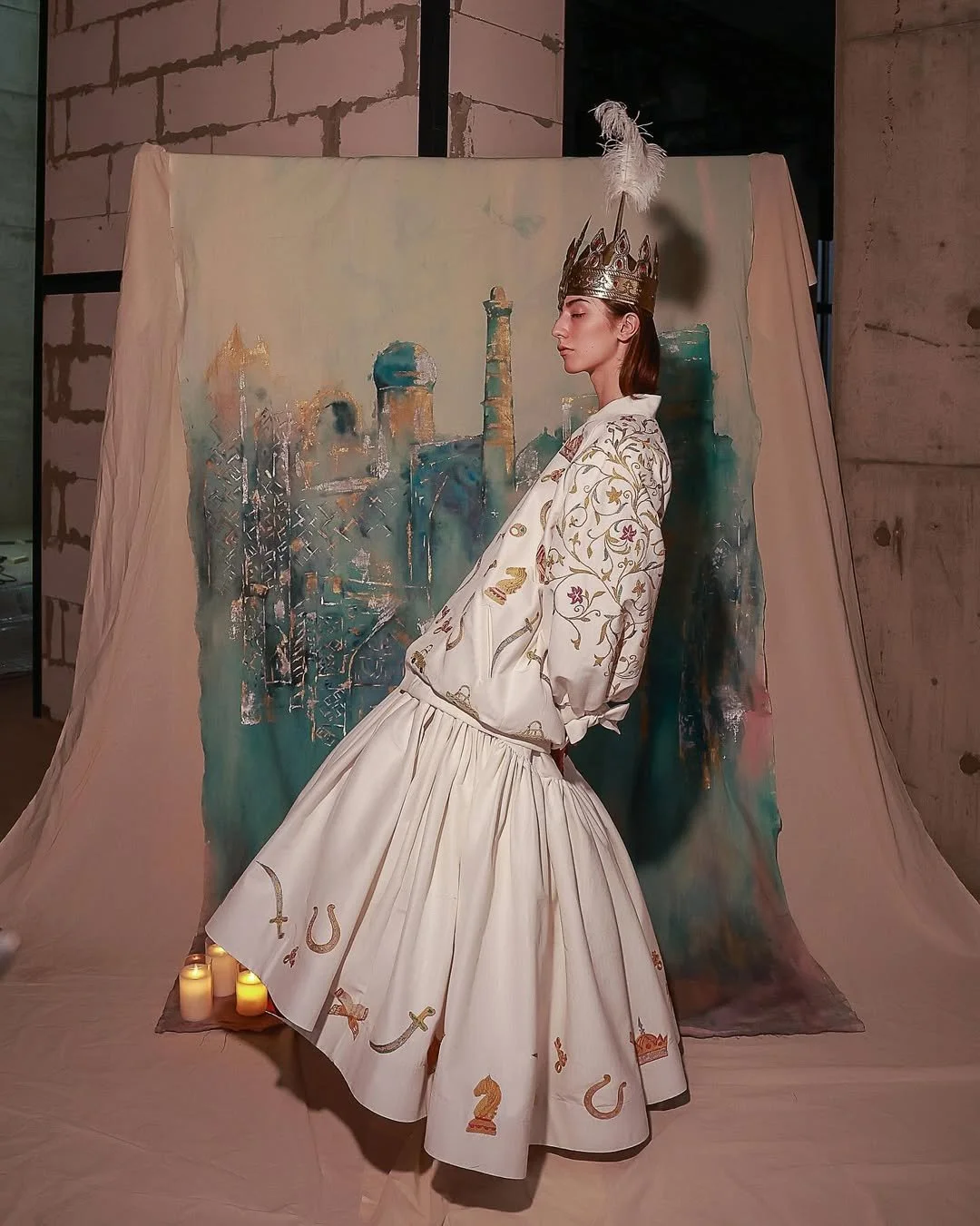
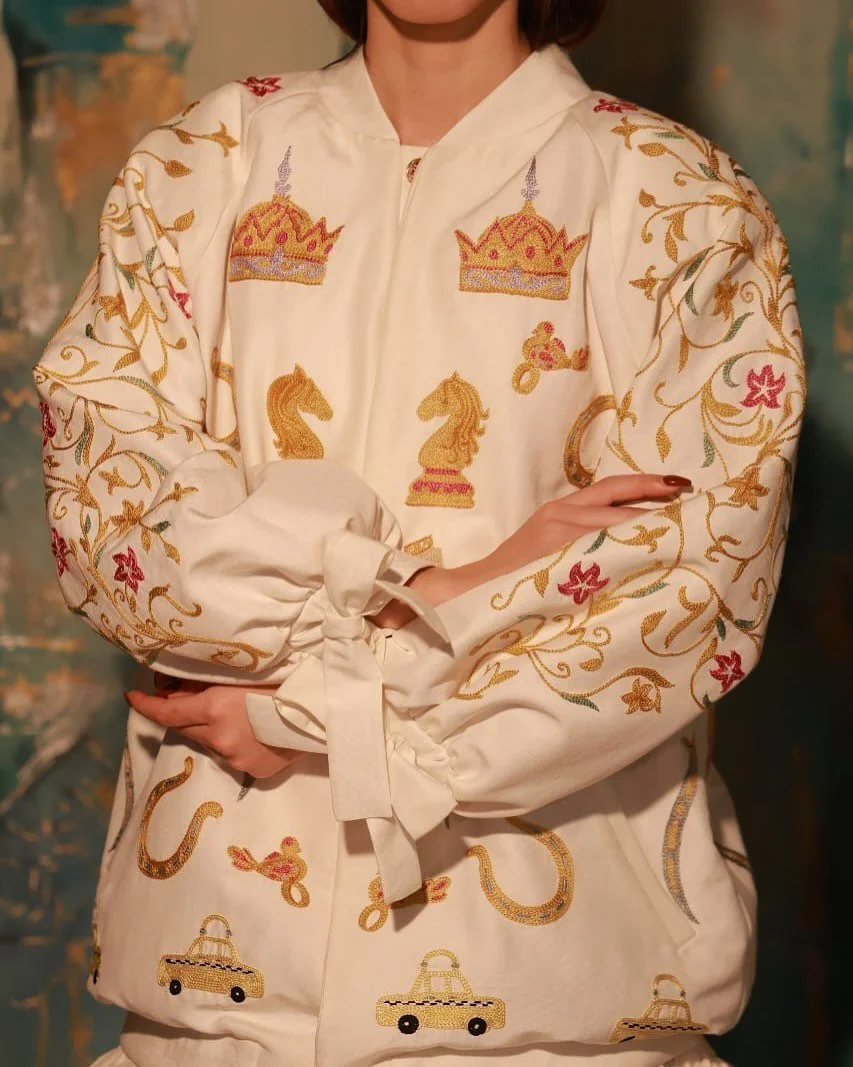
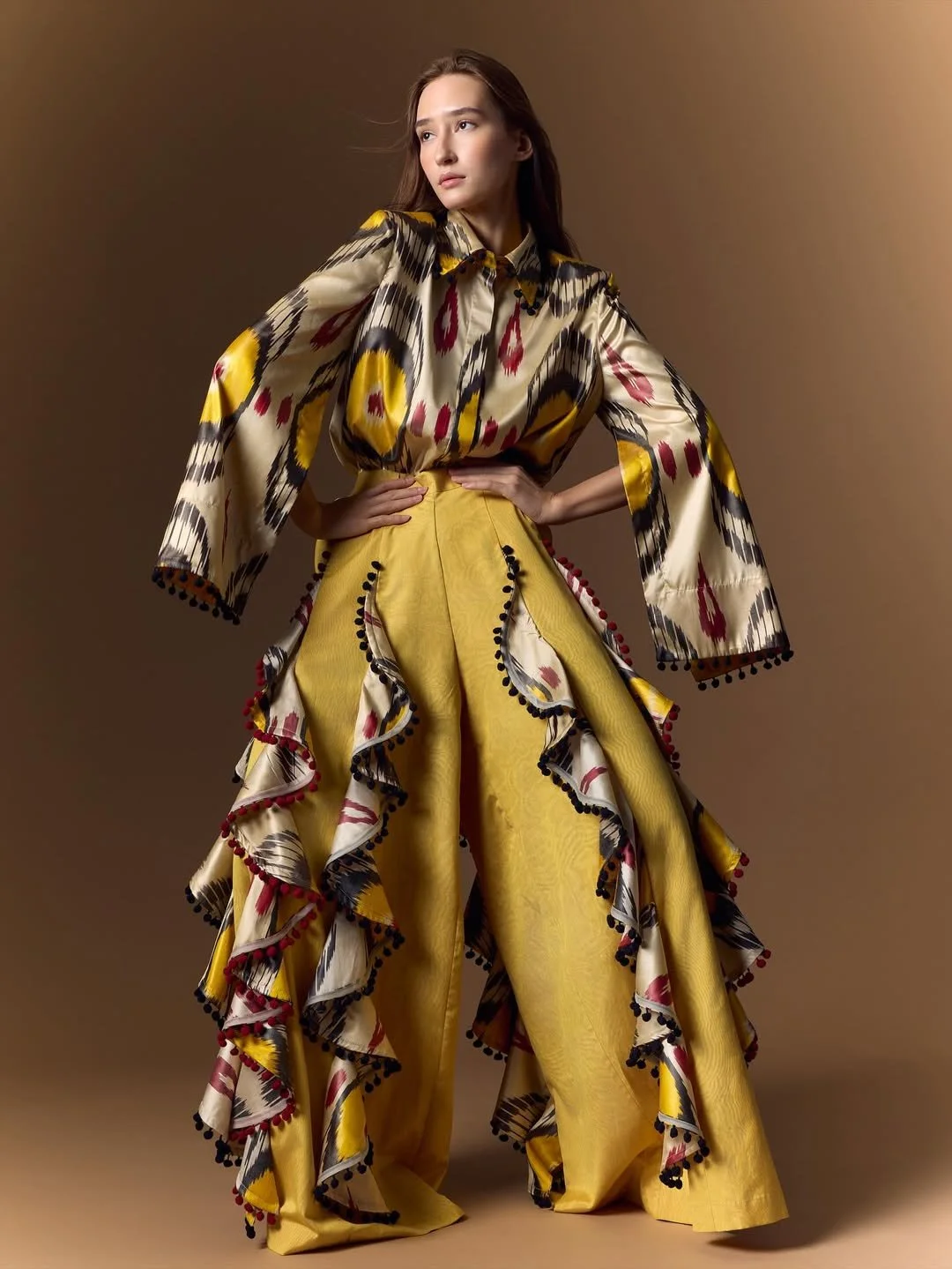
Azukar Moreno is a conversation between fashion, ecology, and history. Designer Kamola Rustamova works with recycled materials and traditional craft, reimagining national textiles and their cultural meanings within a contemporary design context.
The brand's philosophy is captured in a simple yet powerful statement:
"Fashion and ecology can live in harmony. Everything is in our hands and our awareness."
In Azukar Moreno's work, the past becomes a raw material for the future. National style is not reproduced literally, it is transformed and transcends its local origins. The brand has presented Uzbek craftsmanship on the world stage, including at New York Fashion Week, proving that a local story can have universal resonance.
Instagram: @azukar_moreno_
Uzbek fashion today is not about the past. It is about identity, intention, and a confident conversation with the world. And from all appearances, that conversation is only just beginning.