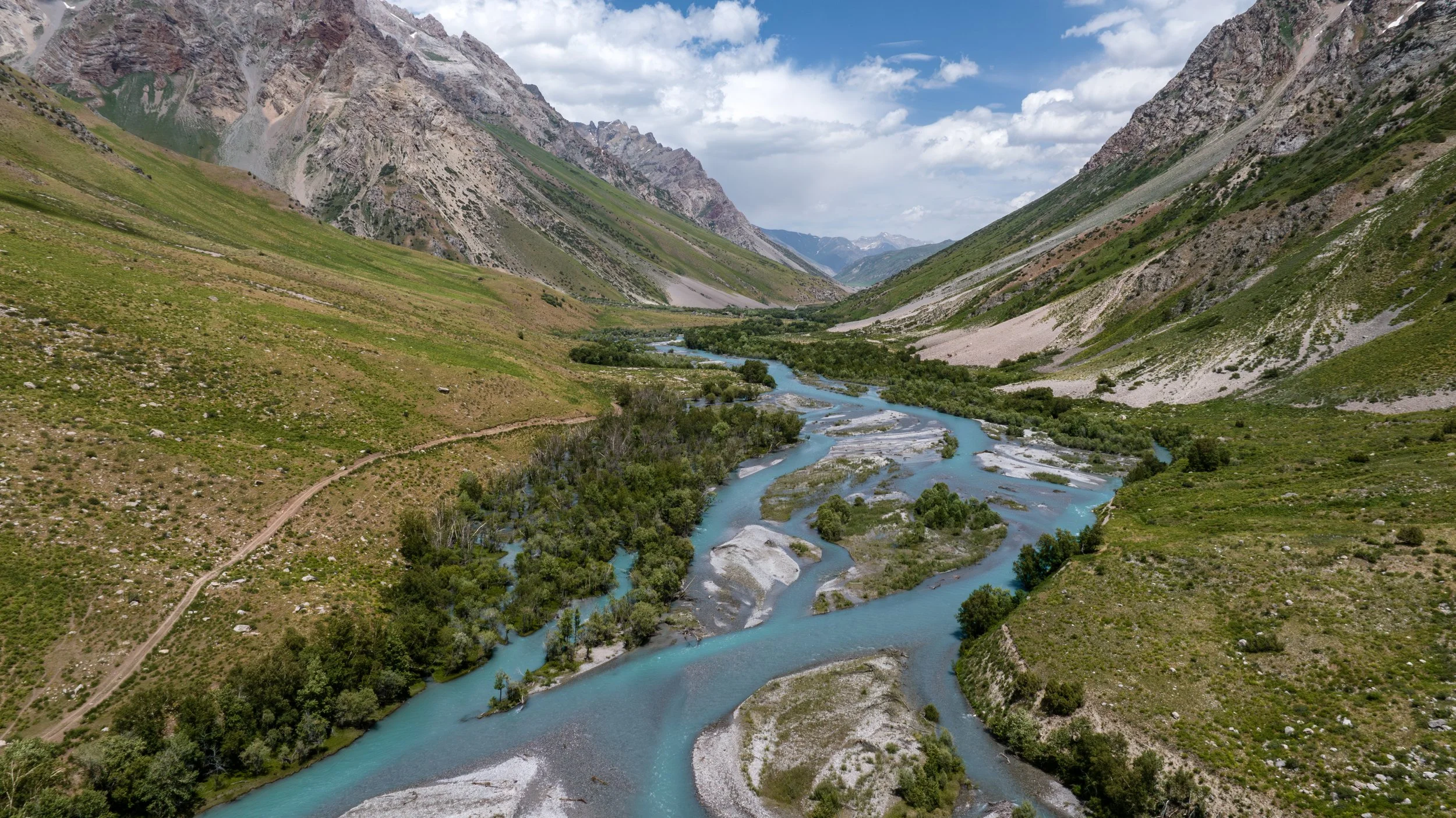
The Oygaing is a mountain river in the Bostanlyk district of Tashkent region; it is the left tributary of the Pskem river. Marat Nadjibaev shares his experience of reaching this almost unreachable destination.
Text: Umida Qodirova
Photos: Marat Nadjibaev
Planning the Adventure
Trips to Oygaing require careful preparation. The best time to visit is between late June and late September, when mountain conditions are most stable. Even then, travelers should be ready for rapidly changing weather, with warm daytime temperatures giving way to freezing nights.
The destination is best suited to experienced hikers and outdoor enthusiasts. Visitors need proper equipment, including a backpack, tent, sleeping gear, warm clothing, and a well-stocked first-aid kit. Since the area lies close to the border, special permission from border authorities is required before visiting.
Into the Mountains
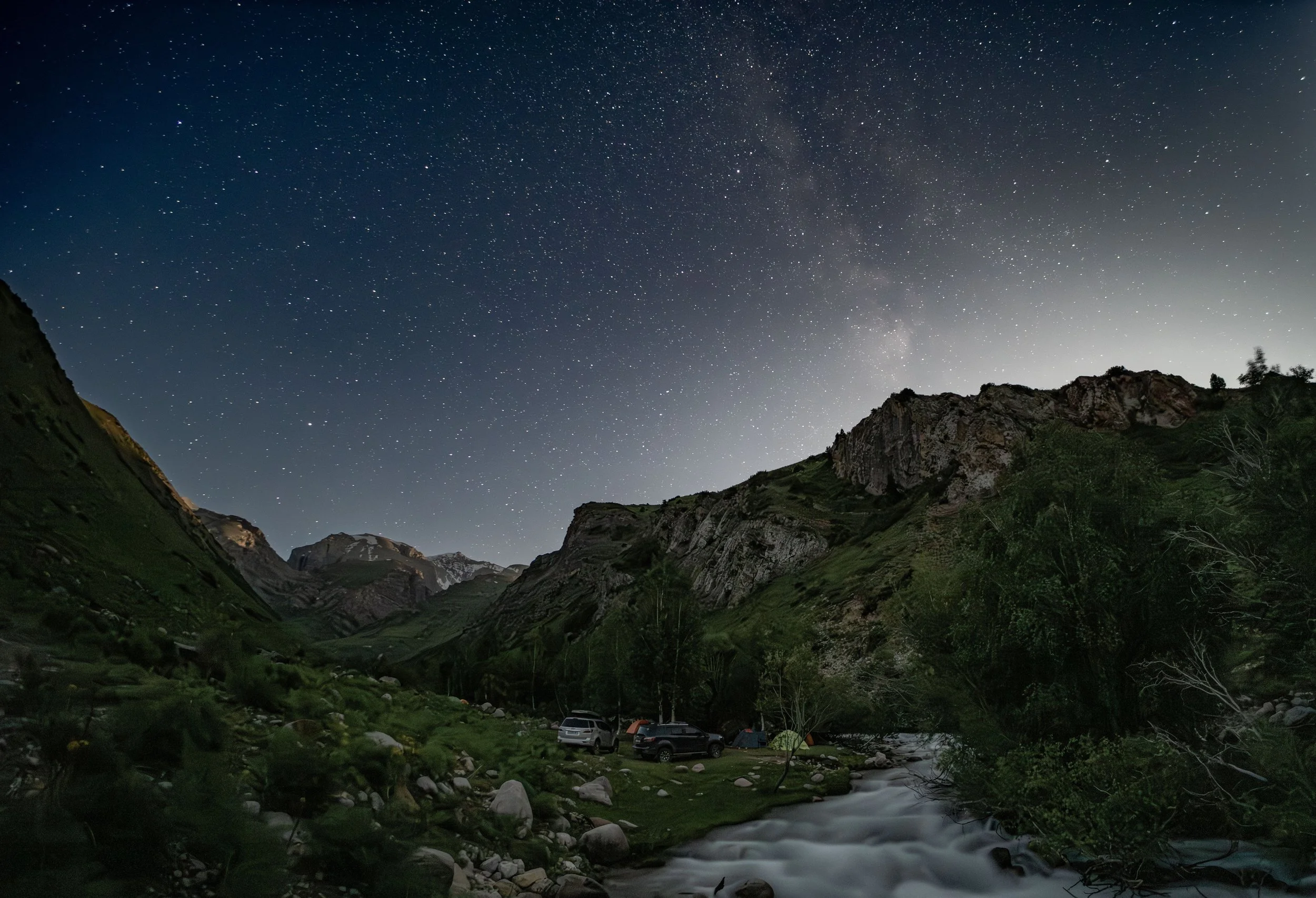
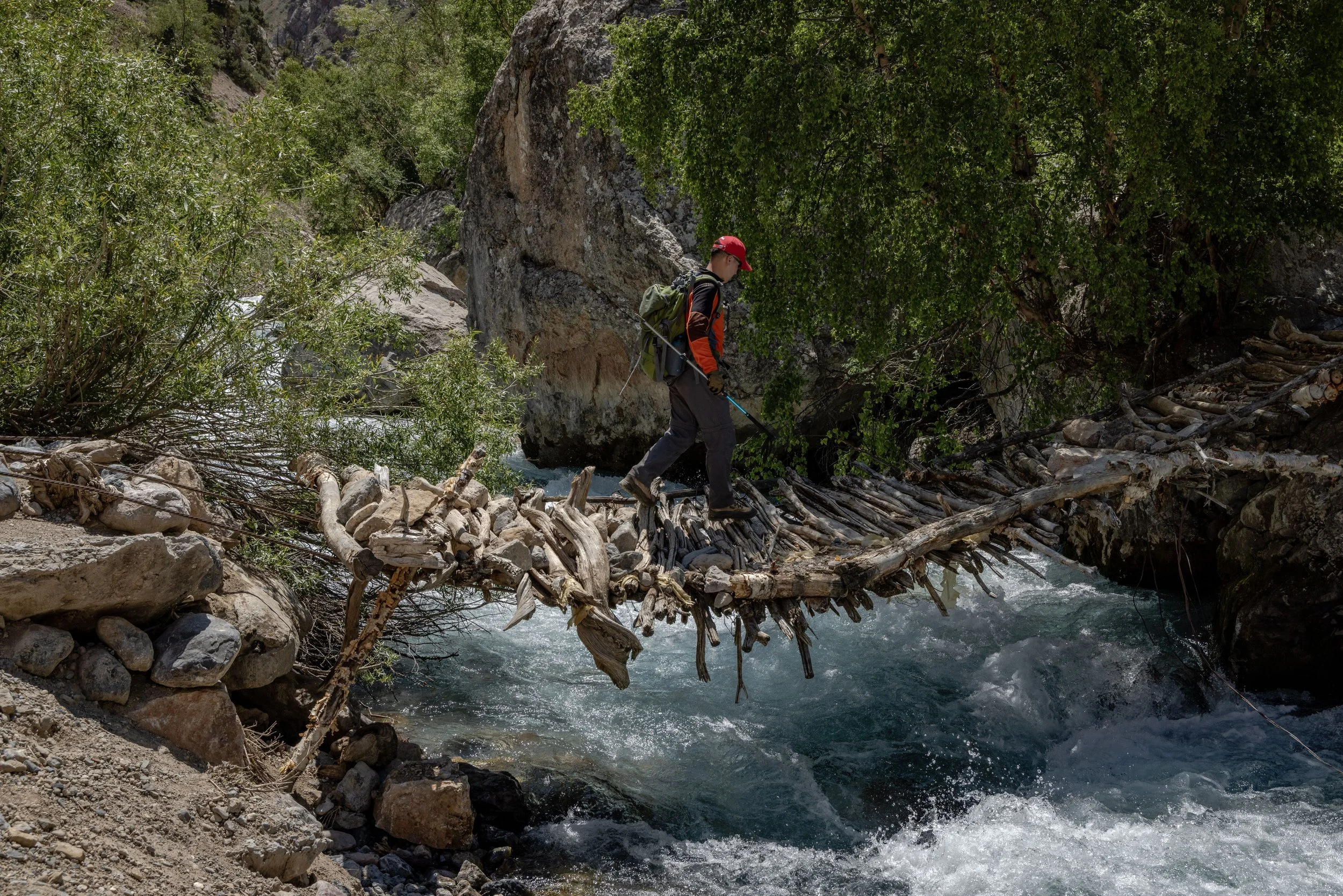
Reaching Oygaing is an adventure in itself: there are no conventional roads, only rugged mountain tracks, river crossings, and rocky terrain accessible exclusively by off-road vehicles.
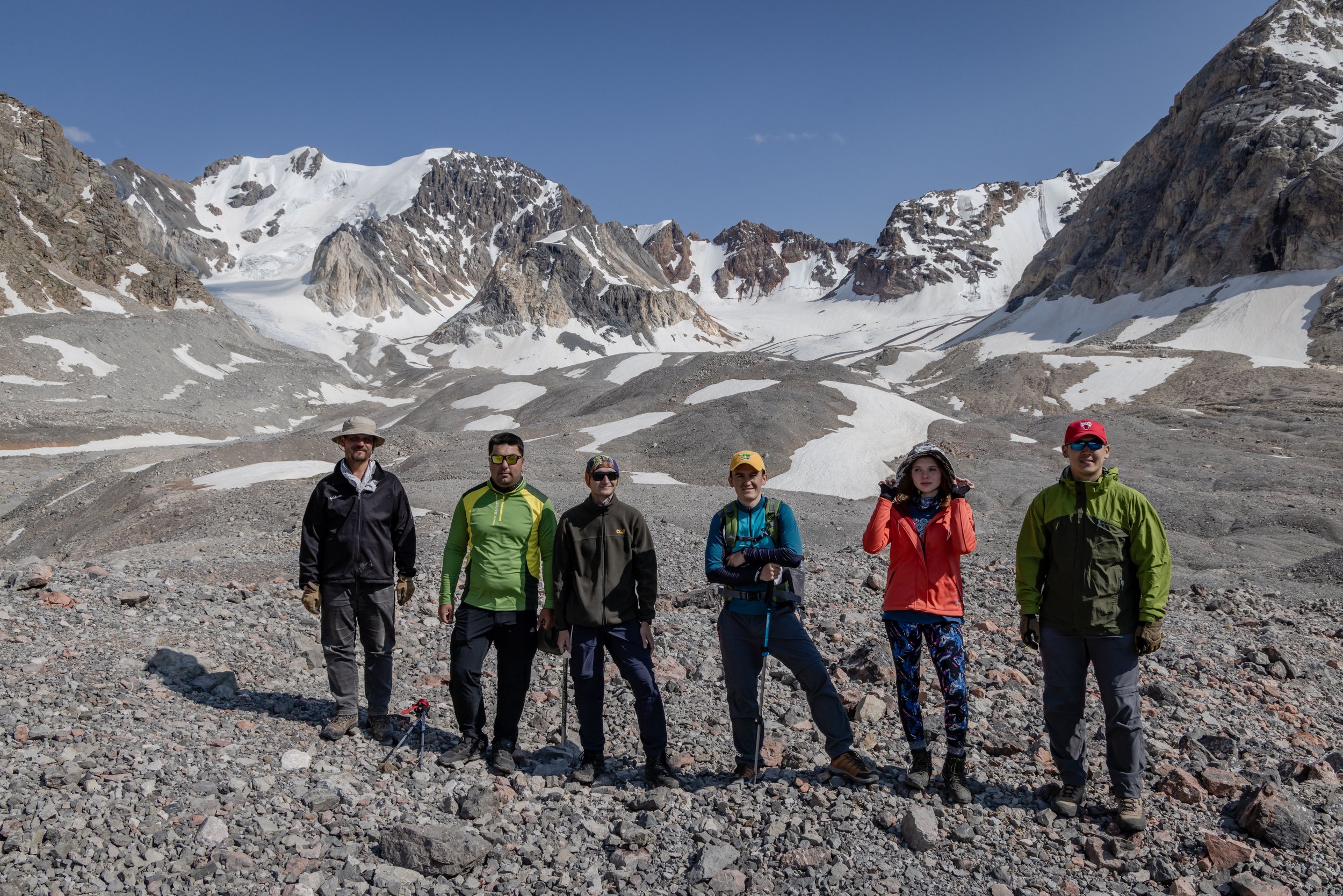
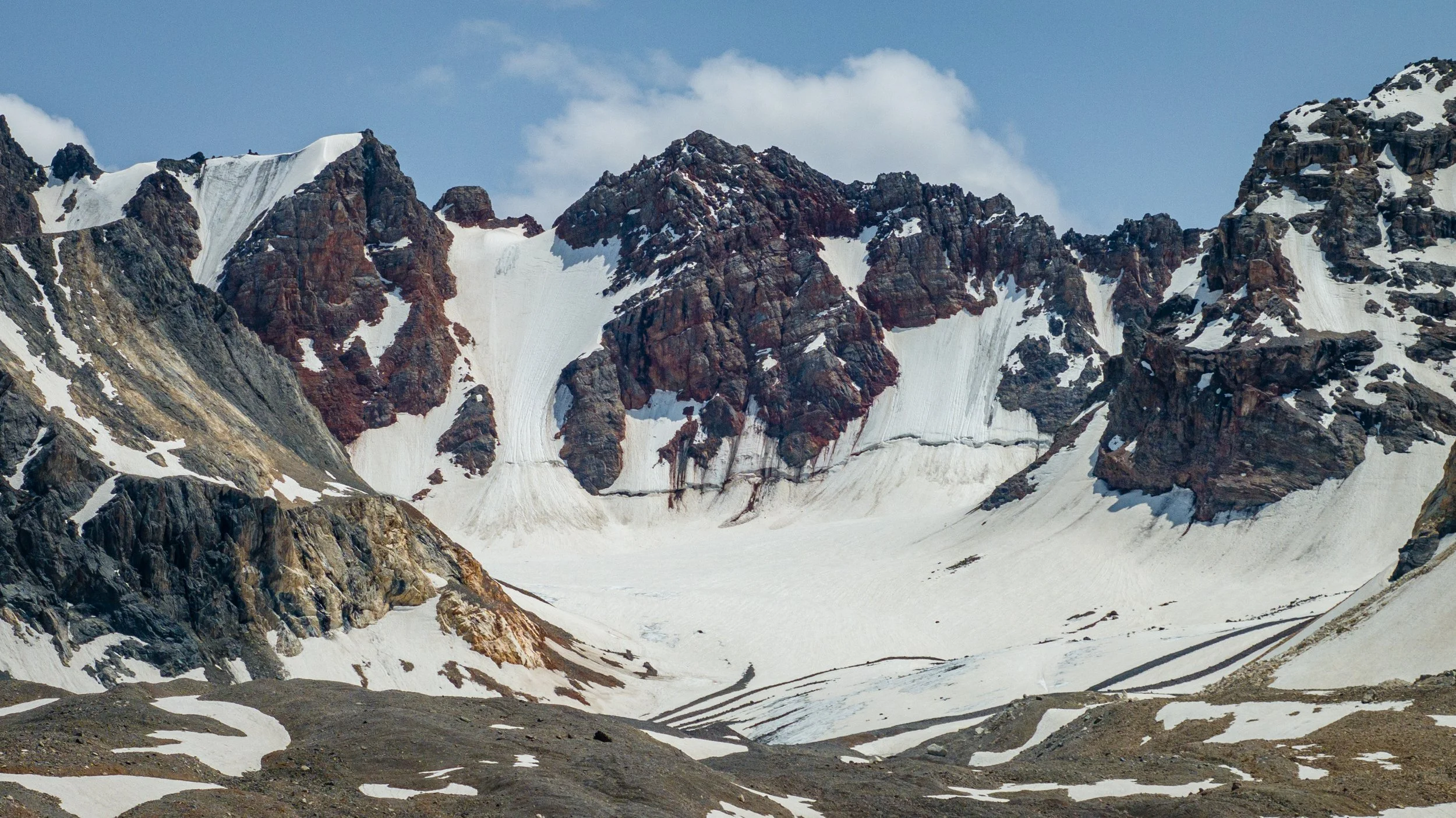
The journey leads to some of the region’s most remarkable natural landmarks. Among them is the Barkrak Glacier, one of the few glaciers in Uzbekistan that can still be reached by determined travelers. For experienced climbers, the nearby Adelunga Peak rises to an impressive 4,302 metres above sea level.
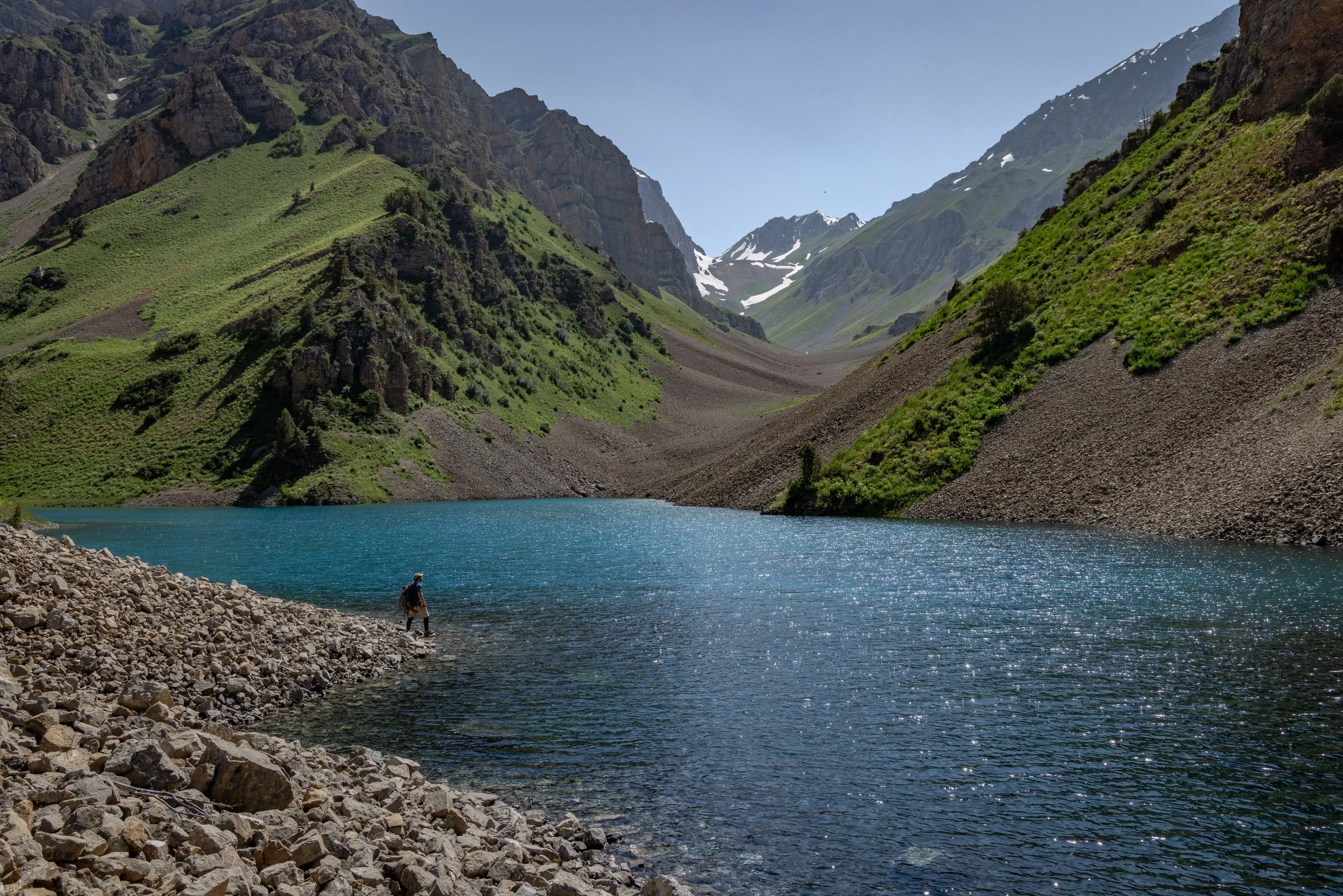
Visitors also encounter the spectacular lakes of the Koksu River, including Termetash and Karakush, whose striking jade-green waters are among the highlights of the region. Surrounded by towering peaks and complete silence, these alpine lakes offer an atmosphere unlike anywhere else in the country.
Nature at Its Most Untamed
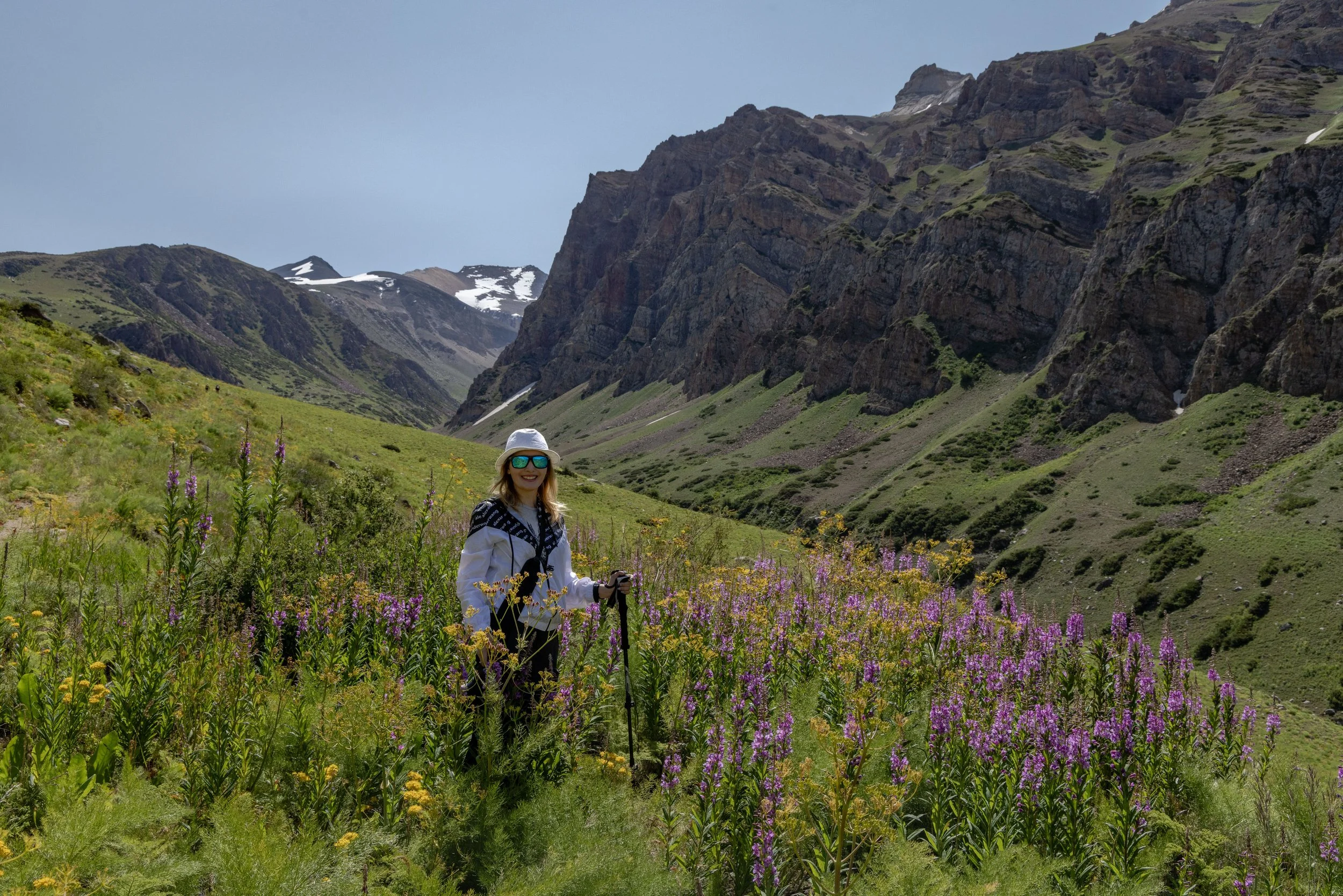
Oygaing’s landscape is home to a surprising variety of mountain flora and fauna. Wildflowers cover the slopes during summer, while lucky visitors may spot mountain goats, bears, eagles, griffons, and other rare species adapted to life at high altitude.
What makes the area truly special is its sense of isolation. The nearest settlement is around 80 kilometres away, and mobile communication is limited. Here, nature remains largely untouched, offering visitors a glimpse of Uzbekistan’s wild side.
Challenges and Rewards
The expedition is far from easy. Drivers navigate difficult terrain for over 150 kilometres, carrying extra fuel due to the absence of service stations. Travelers deal with freezing nights, intense sun exposure, rough glacier conditions, and even unexpected encounters with mountain ticks.
Yet these challenges are precisely what make the experience unforgettable.
“To see a real glacier for the first time is a dream for many,”as one traveler reflects. “The place is harsh, beautiful and dangerous. This is where life begins, where pure water comes from.”
Preserving a Hidden Treasure
Despite its growing appeal among adventure seekers, Oygaing remains protected from mass tourism due to its remote location and permit requirements. For those willing to make the effort, it offers some of the most spectacular mountain scenery in Uzbekistan.
Visitors are encouraged to travel responsibly, respect the fragile environment, and leave no trace behind. Preserving Oygaing’s untouched beauty will ensure that future generations can continue to experience one of the country’s last true wilderness areas.