To immerse yourself authentically in the cultures of Uzbekistan, it is not enough to go on excursions in Tashkent, Samarkand, or Bukhara. To really feel like a local, it is worth staying for a few days in a remote village or in yurts, getting to know the villagers, enjoying local celebrations, riding horses and camels on a desert safari, and learning to cook Uzbek cuisine.
The great appeal of villages in Uzbekistan is that they have preserved their authenticity and identity. In this article, I would like to take you on a short tour of three of the most famous tourist villages in Uzbekistan, Konigil near Samarkand and Sentob in Navoi Region, and also introduce you to the Bogi Baland.
Text: Fatima Abdieva
Konigil Village
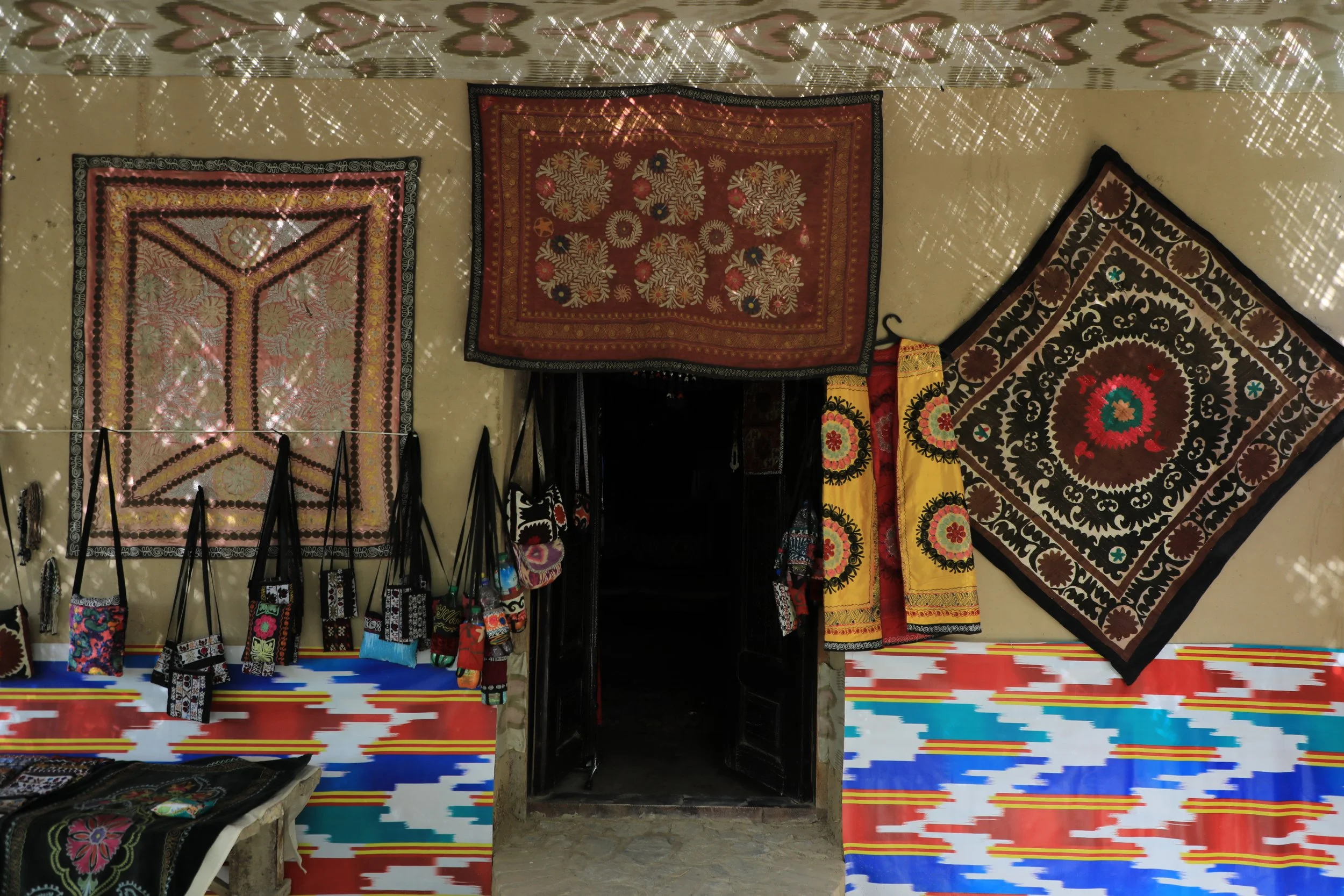
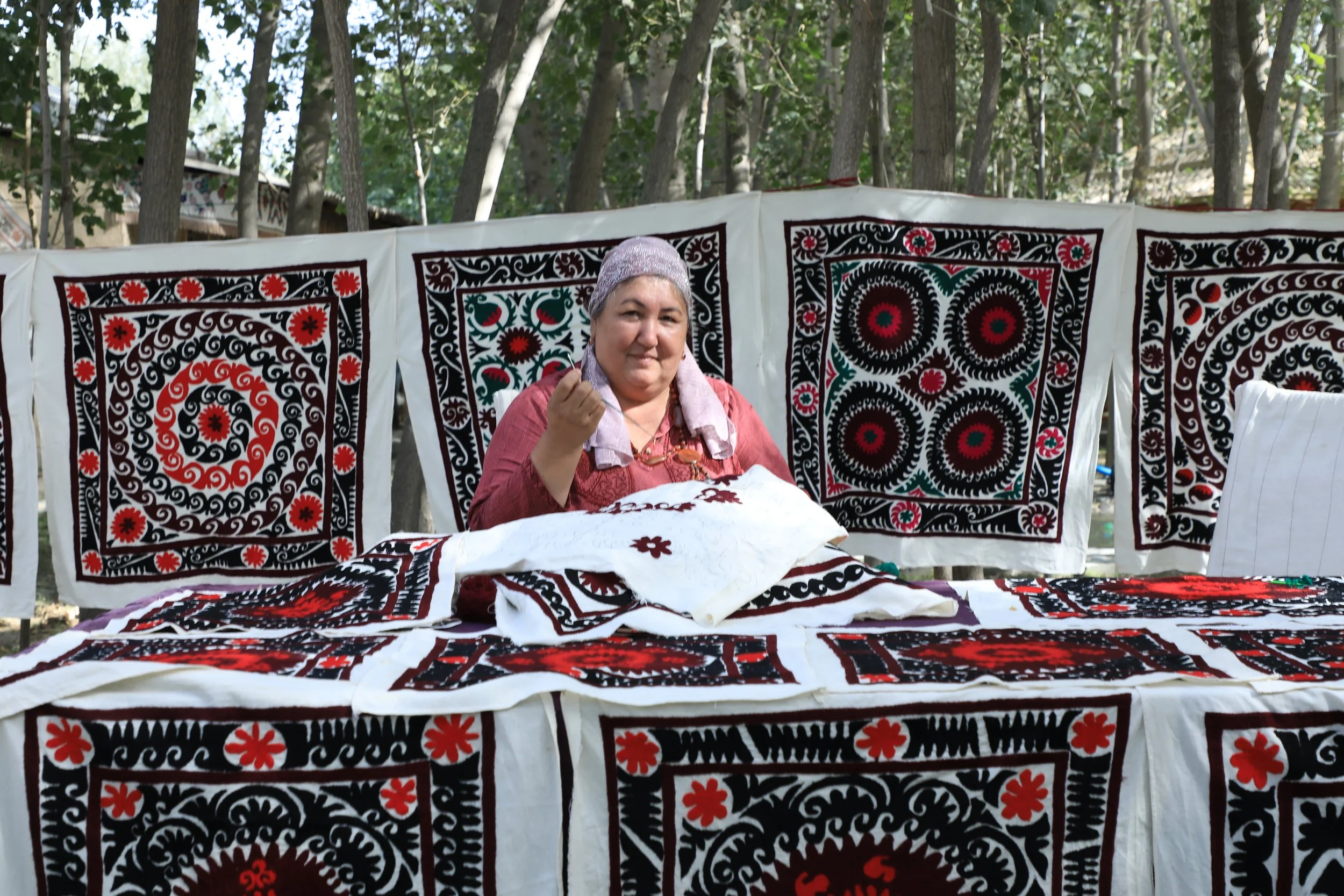
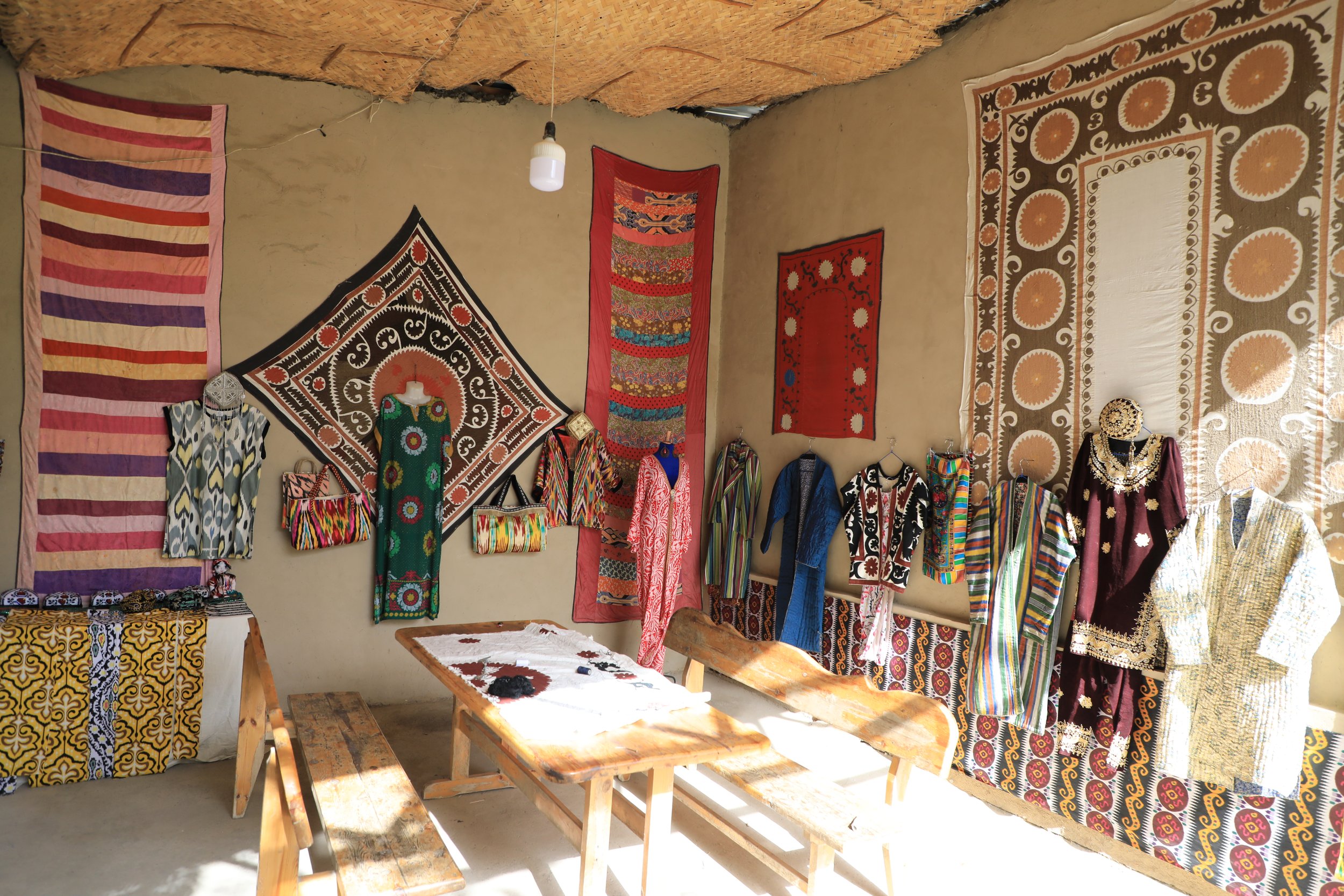
Konigil sits in an ecologically pristine area on the banks of the ancient Siyab canal. The traditional rural houses have been preserved, and inside the village you can witness and experience all aspects of local life, from vernacular architecture to domestic duties and crafts. It is fascinating to watch embroidery and carpet weaving, to smell and then taste the tortillas cooking in the tandoor. Konigil has its own water mill for grinding grain, and the residents also produce various types of natural oils.
Konigil is located on the outskirts of Samarkand, not far from the Ulugbek Observatory. The highlight of the village is a workshop where traditional silk Samarkand paper is made using early mediaeval technology which has been revived. Here you can see and participate in the entire papermaking process, from cleaning the mulberry bark, to soaking and crushing it, to forming ready-made sheets of paper. You can of course buy the paper from the workshop, as well as attractive paper souvenirs.
Sentob Village
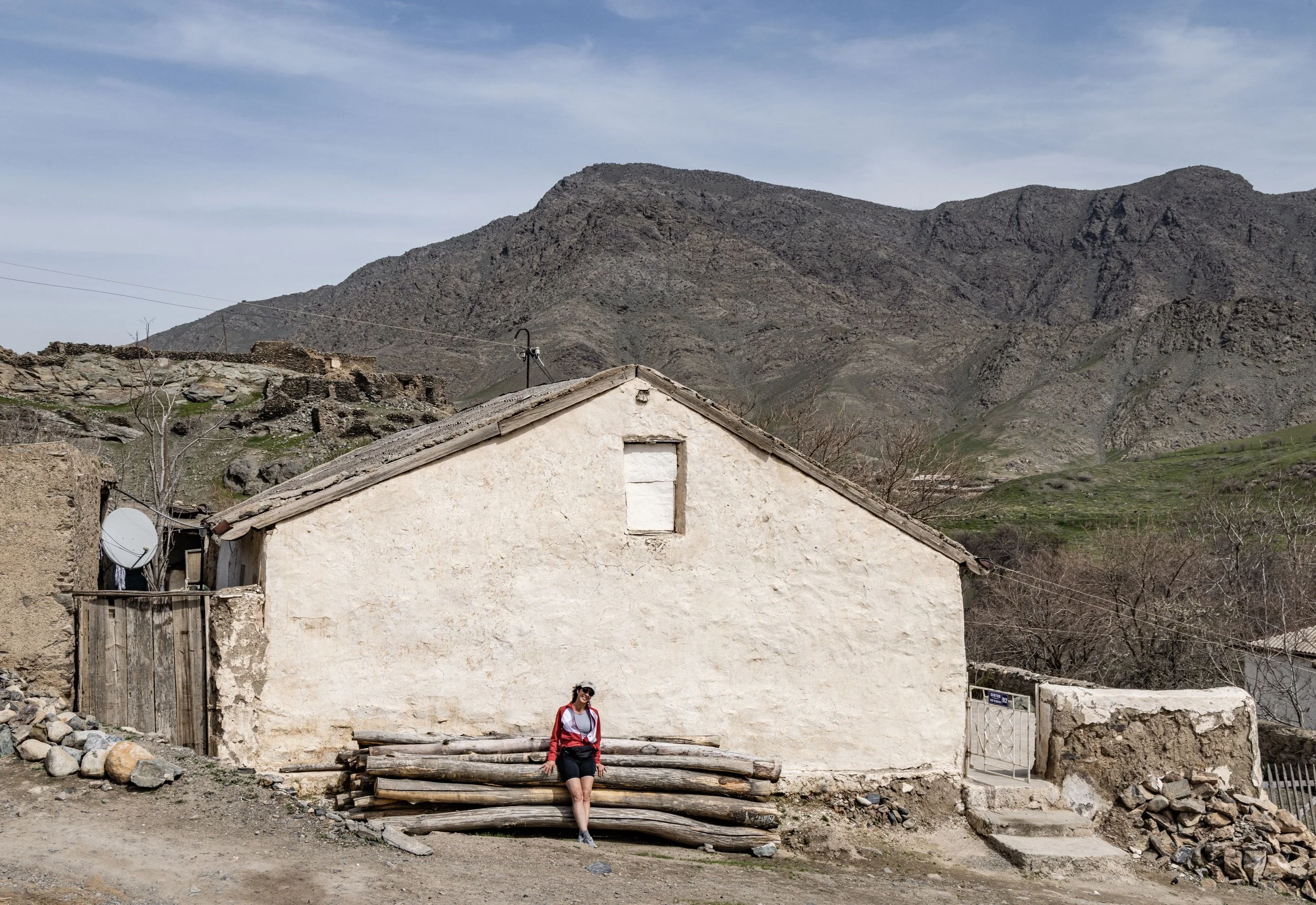
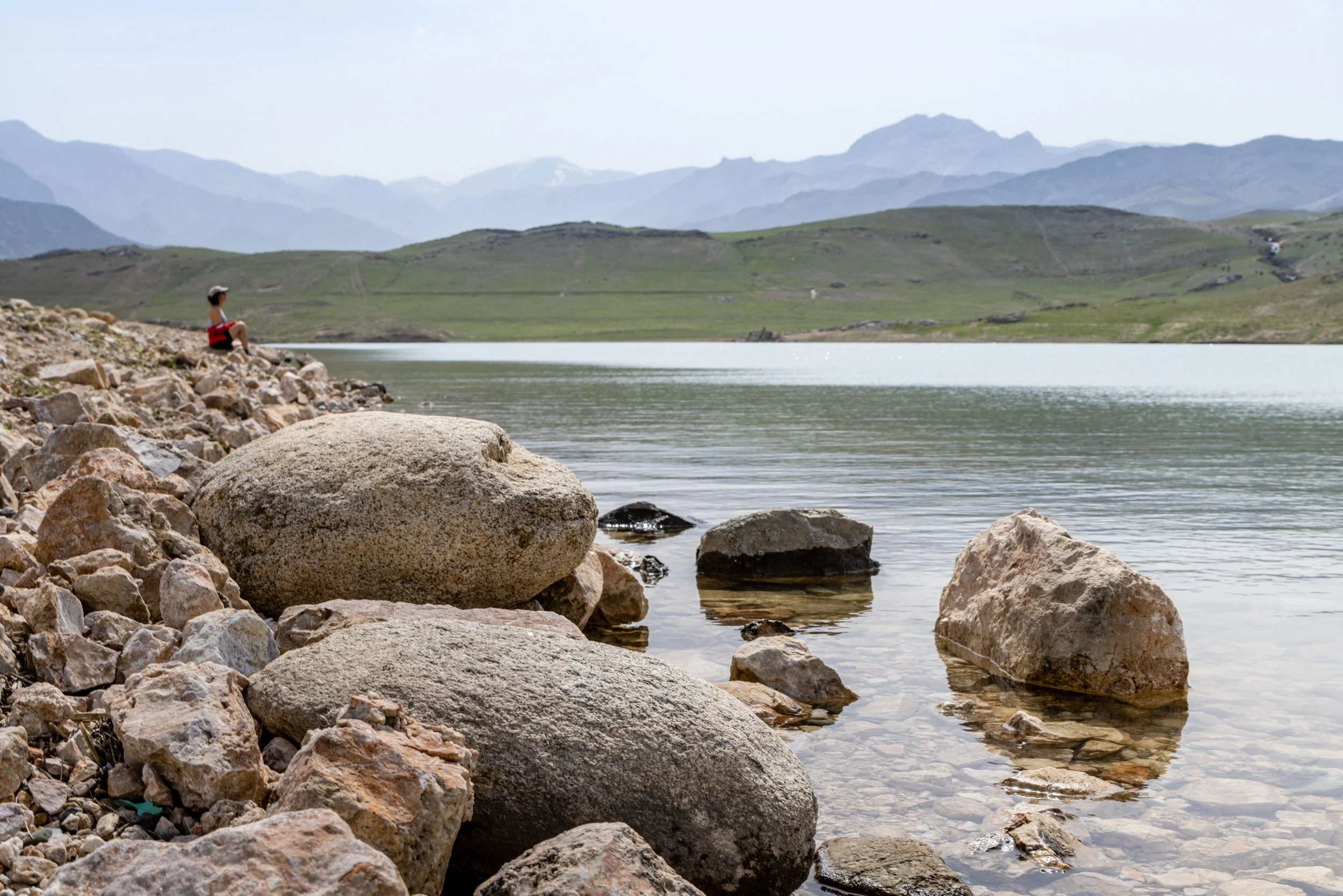
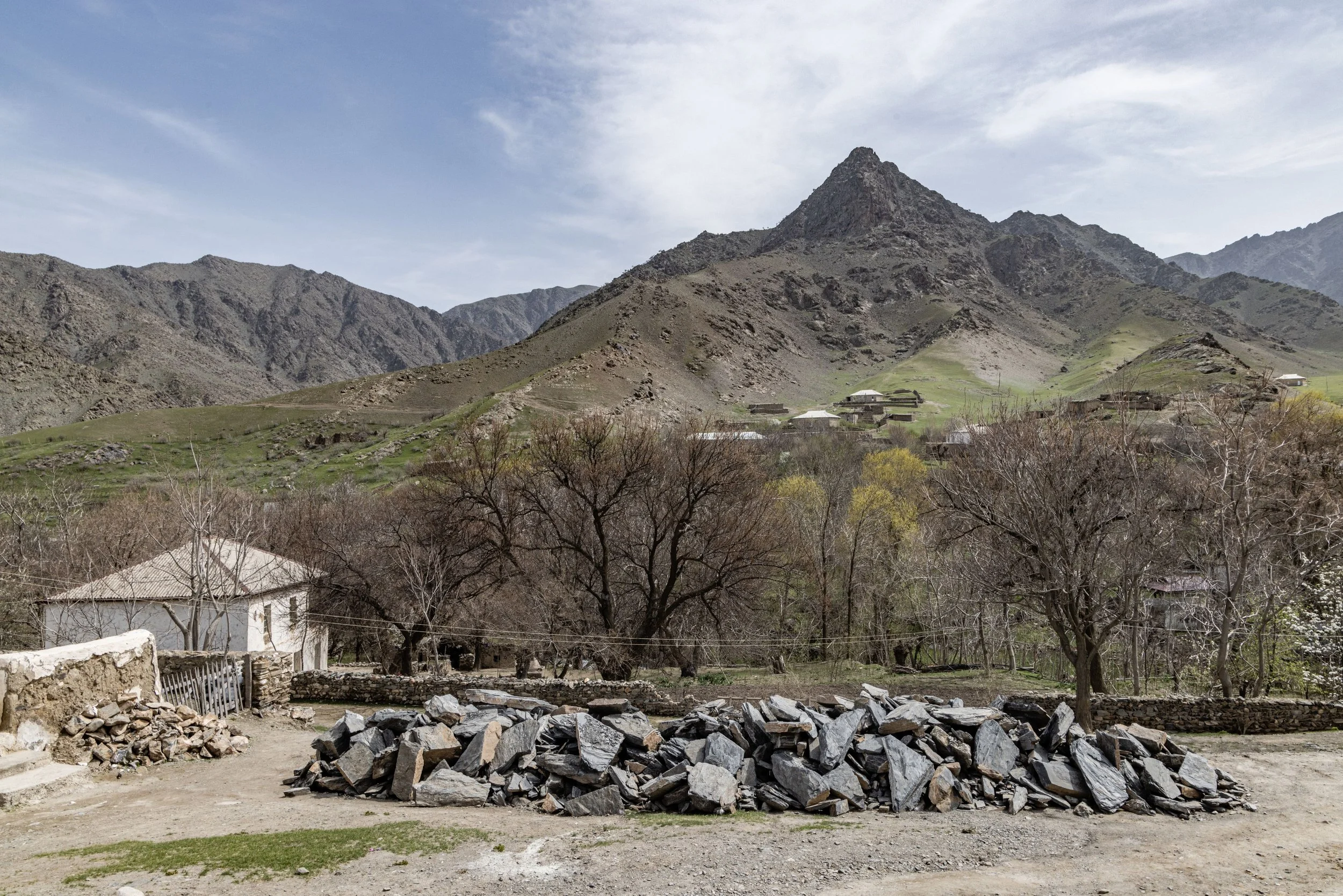
The small village of Sentob is located between the Nuratau Mountains and the Kyzylkum (Red Desert) in Navoi Region. Although Sentob is remote from major cities, life here is in full swing. The village is becoming more and more popular, with new guest houses and recreation areas opening. The guest houses are equipped with everything you’ll need for a comfortable stay, and as a guest you can taste national dishes made from locally-grown, organic products. Sentob is also close enough to Aydarkul, 30 km to the north, that you can take a daytrip to the lake to go fishing, swim, or just admire the soothing sight of the water and the flight of gulls.
Guests in Sentob can also watch and participate in the daily lives of residents. Sharing in the celebration of weddings is an unforgettable experience, as is watching the horseback game, kupkari. Of course, you don’t always have to be active: you can just enjoy the peaceful singing of birds while sitting in a garden with tea.
There are cultural attractions around Sentob, too. Nearby ruins include buildings which are more than 2,500 years old; and there are also well-preserved petroglyphs with images of ancient animals which once lived in this area.
Bogi Baland
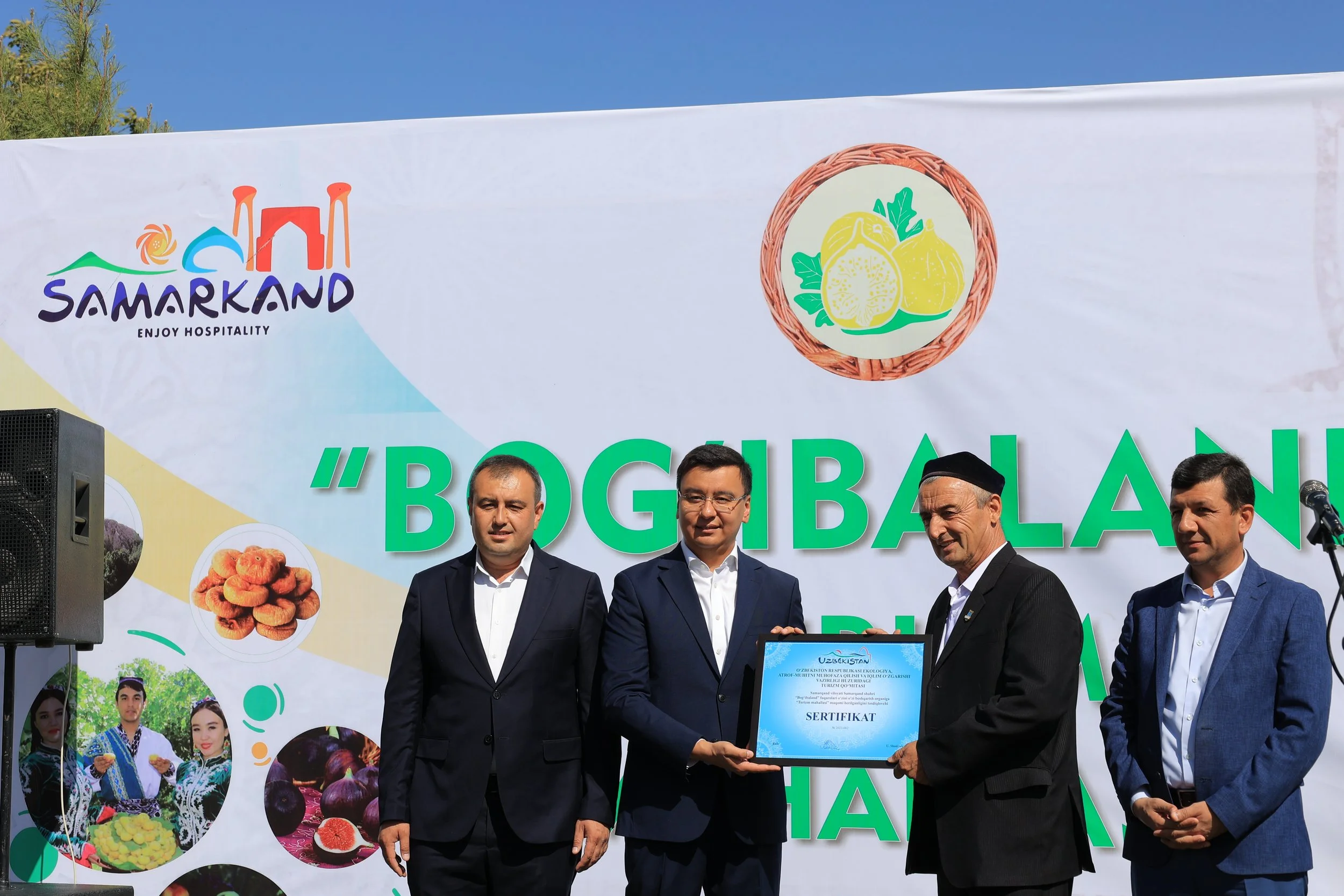
In Samarkand there is an Uzbek mahalla (residential district or neighbourhood) called Bogi Baland, which has become a popular tourist attraction area. There are 15 recreation areas in the mahalla, plus signage and maps to help tourists get around. The local people have planted various ornamental trees and fruit trees, plus flowers, which make the neighbourhood very beautiful.
Bogi Baland takes its name from a garden created by Amir Timur. The 40 hectare garden still exists; it has more than 10,000 yellow and black fig trees. Their fruits are organic, as the gardeners do not use any chemical fertilisers or pesticides.
In addition to Bogi Baland’s fig orchards, there are artisans' workshops, guest houses, Kizlar Teppa (an archaeological monument), and the mosque of Khoja Iskhaki Vali. This is not an artificially created tourist attraction but rather an authentic opportunity to see how the lives of our ancestors developed and left a mark on modern lives.