What to see in Karakalpakstan? Anyone who has been to this remote part of Uzbekistan will answer in their own way, but there are at least seven must-see places.
Text by Fatima Arifdjanova
The State Museum of Art named after Igor Savitsky in Nukus
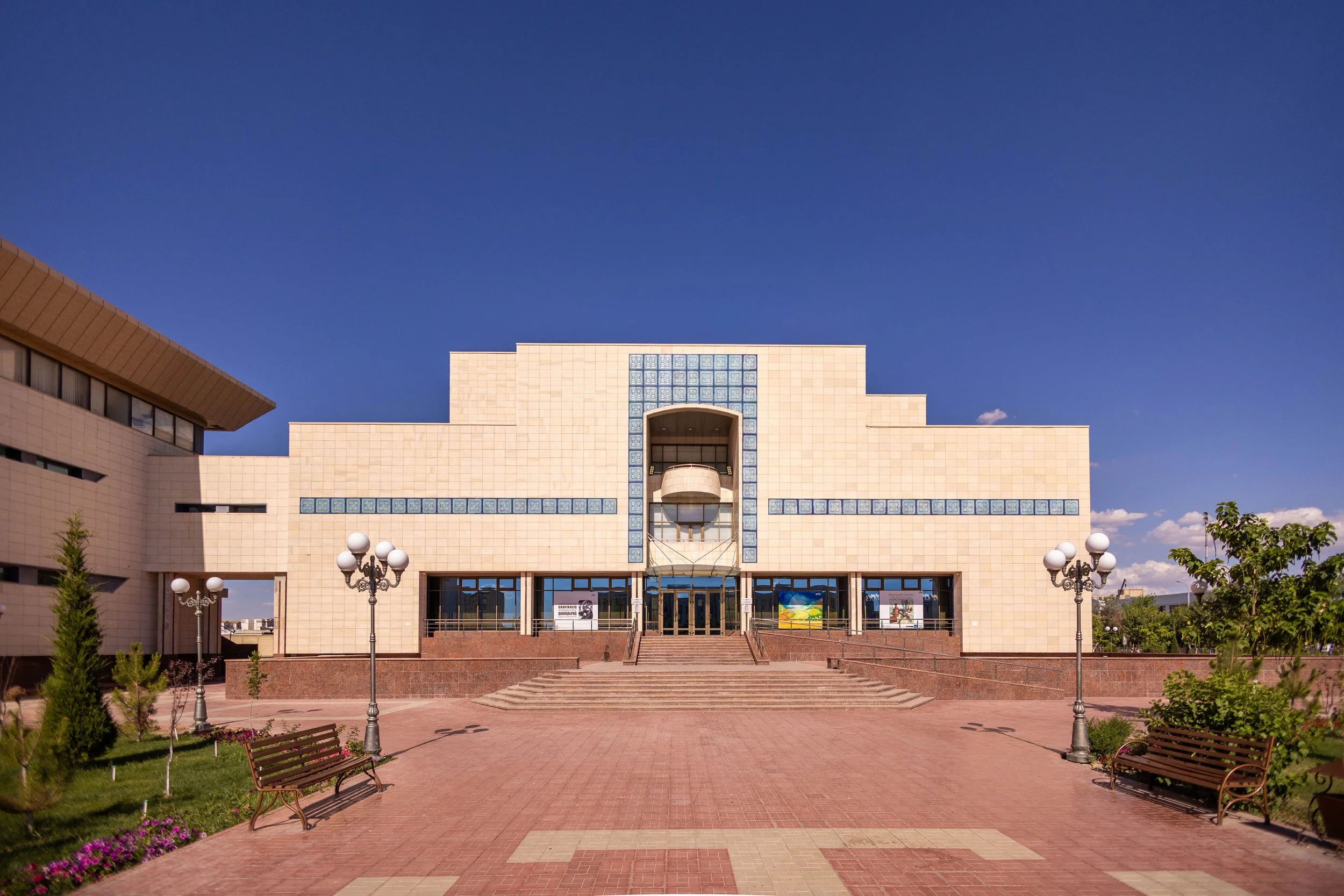
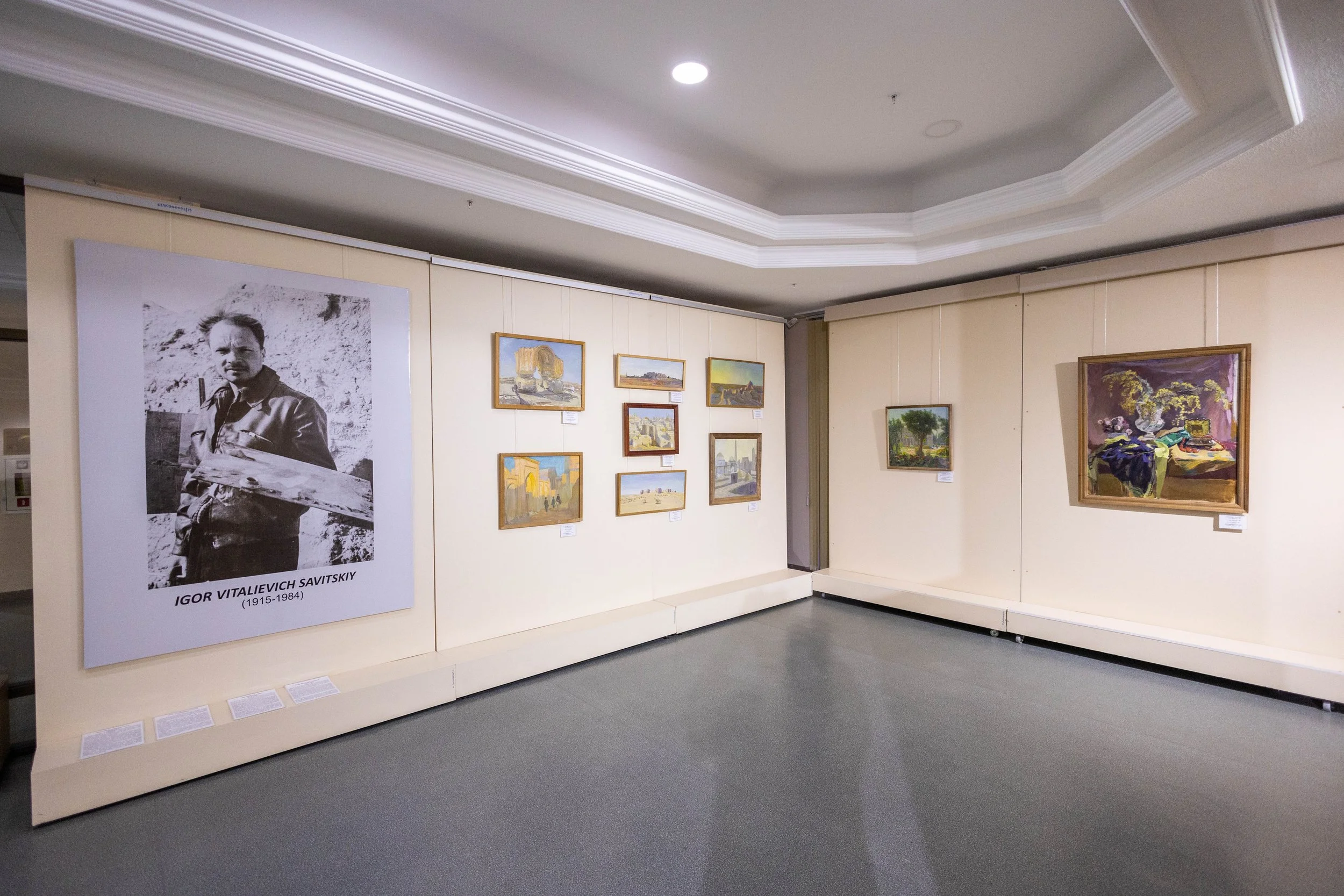
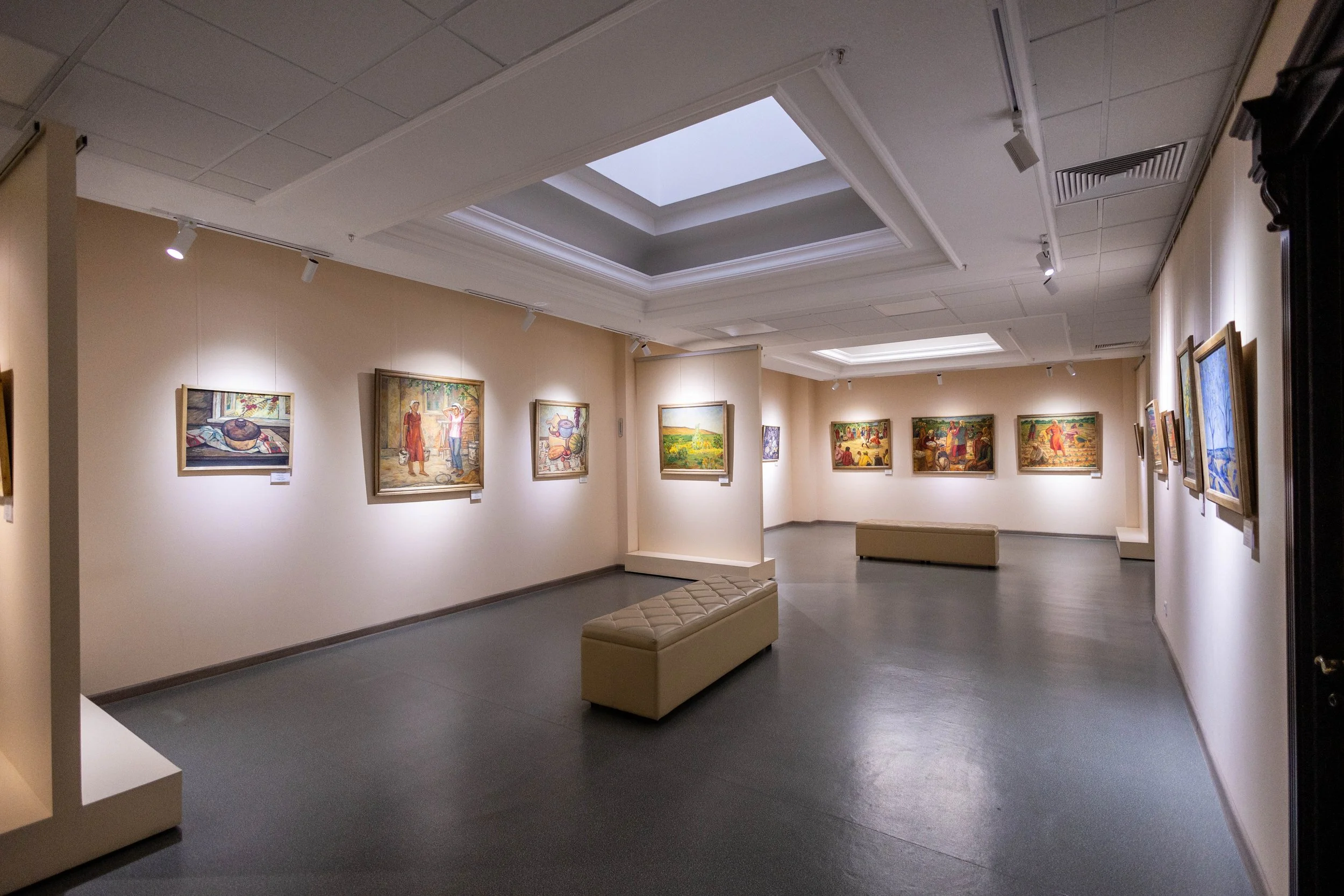
The Savitsky Museum is one of the largest museums in Uzbekistan and houses one of the finest collections of Russian art in the world, second only to that of the State Russian Museum in St. Petersburg. The Savitsky’s collection of avant-garde works, in particular, is very significant.
The collection began well before there was a museum. After moving from Moscow to Nukus in 1950, Igor Savitsky actively participated in archaeological research and formed an archaeological team, the purpose of which was to collect art objects from ancient Khorezm. At the same time, he began to acquire Russian fine art, especially avant-garde works prohibited in the Soviet Union, as well as applied art of Karakalpakstan. All these artworks became the basis for the Savitsky Museum’scollection.
Today, the Savitsky Museum is often called the "Louvre in the Desert," with its exhibits being displayed at various venues in Uzbekistan and beyond. The museum is visited by more than 70,000 tourists annually.
Graveyard of ships in Muynak
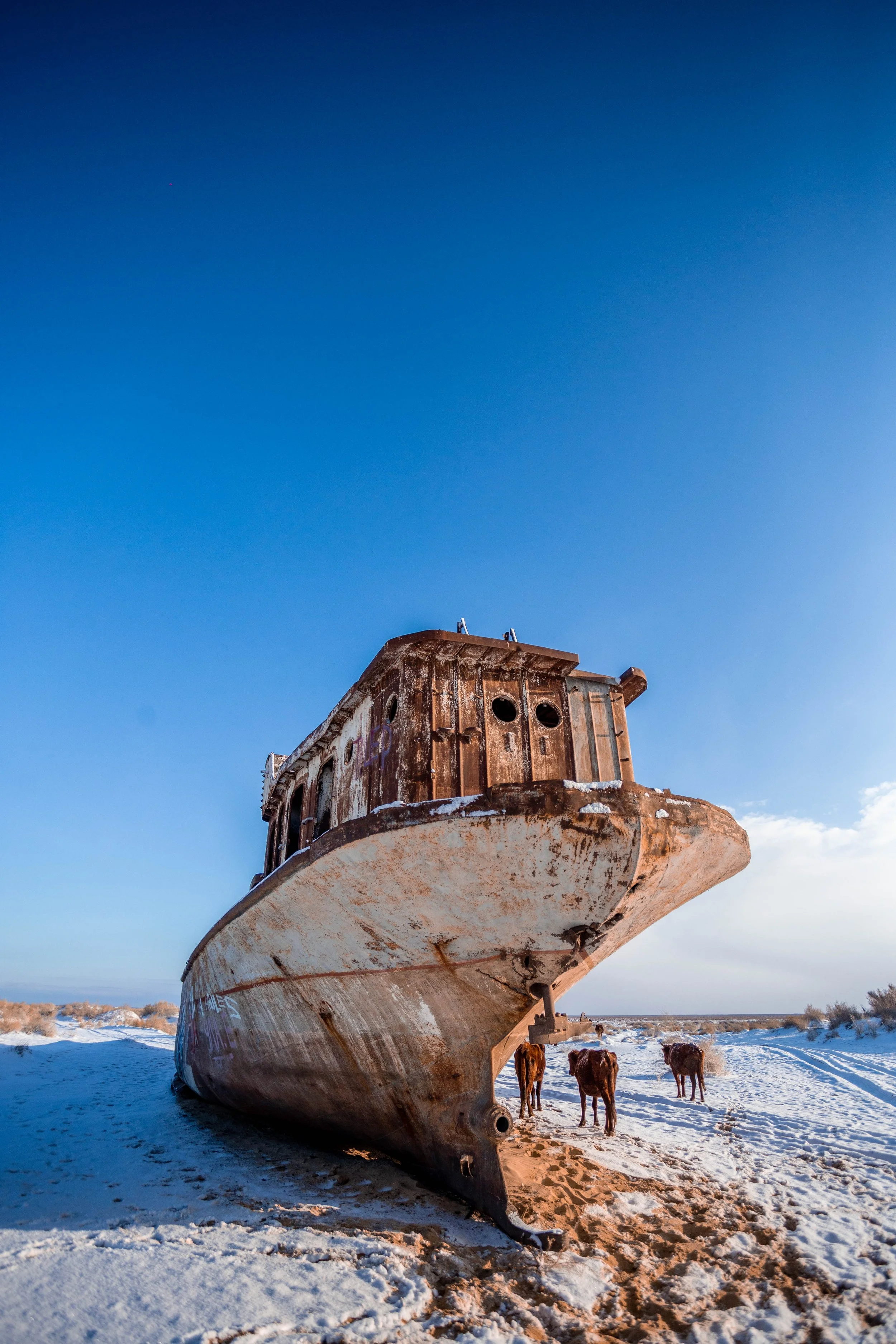
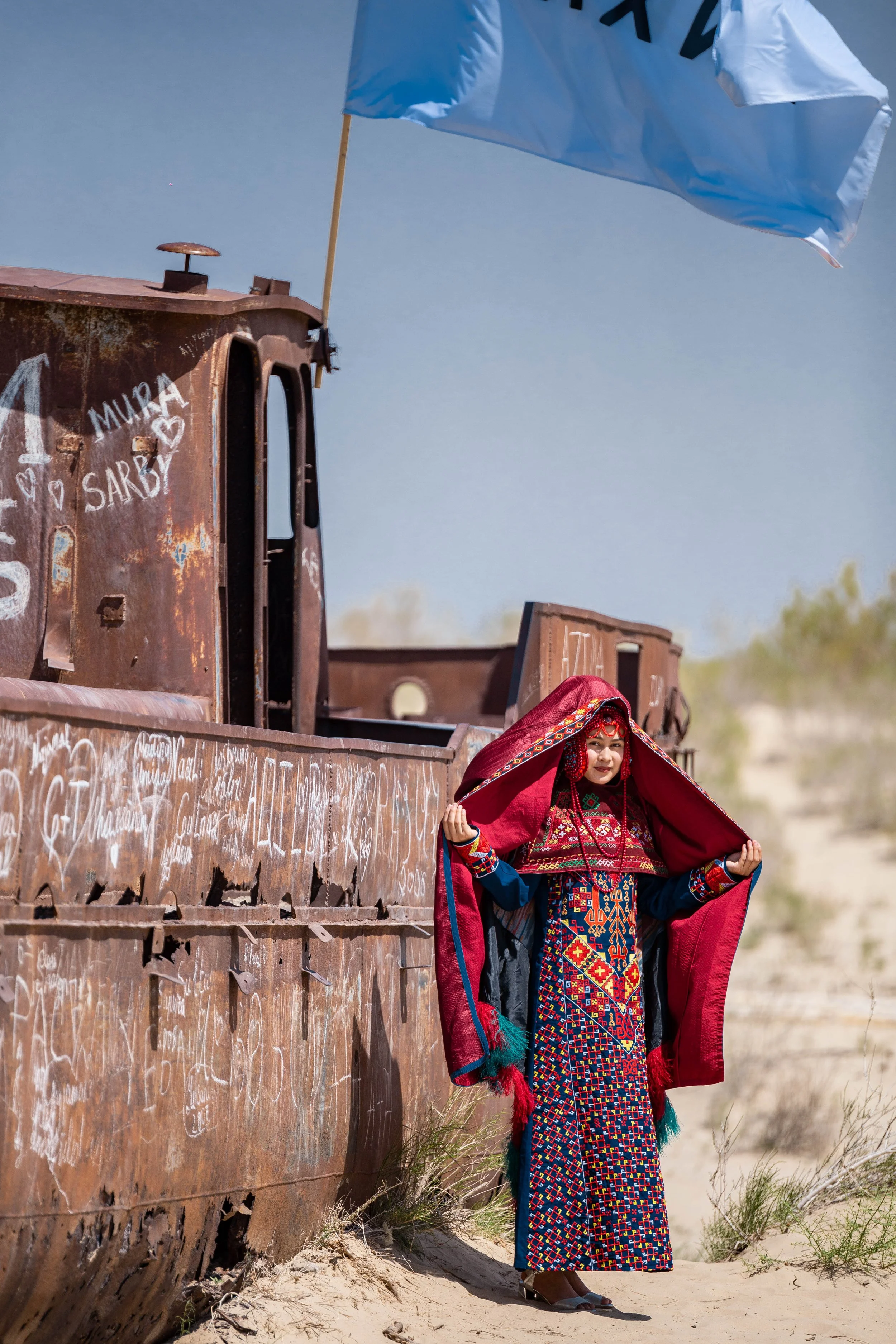
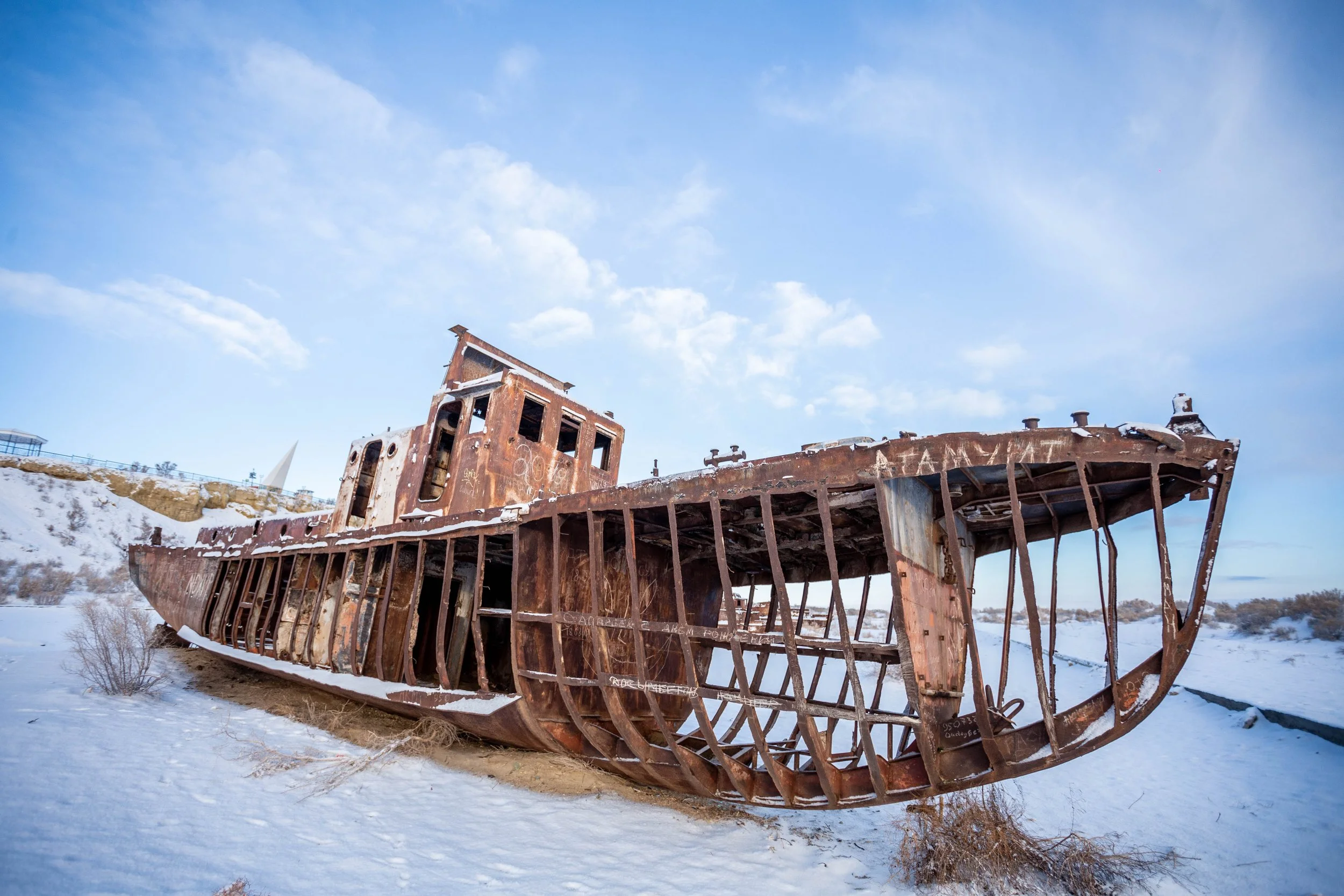
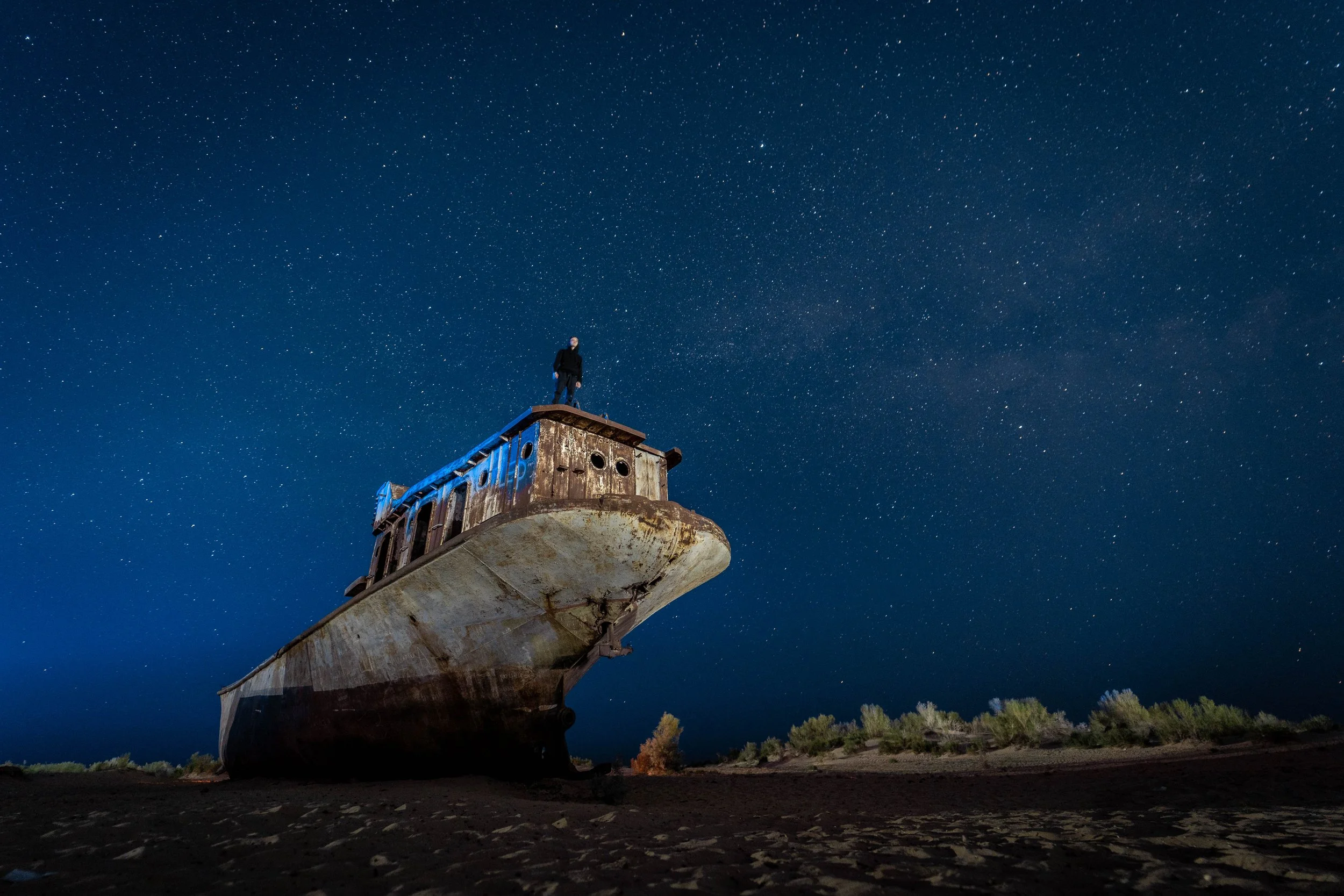
When you first arrive in this place, it may well seem like a strange, apocalyptic wasteland. Why are there ships here, scores of kilometers away from the nearest water? What unknown force brought them here and left them to whither in the hot sands of Karakalpakstan?
Seventy years ago, Muynak was a prosperous town on the shores of the Aral Sea. As late as the 1960s, fish were being caught by a fleet of 158 ships that employed 2,200 fishermen; the local fish cannery supplied the whole Soviet Union with tinned fish. The trouble began in 1950, when the plan to build the Karakum canal into Turkmenistan was first hatched. The canal eventually siphoned away much of the Amu Darya’s water that had fed the sea.
Thus, one of the four largest lakes in the world started to dry up. The Aral Sea was gradually replaced by the Aral desert – Aralkum – and the fishing boats were left stranded in the sand. The fish factory closed, but the city survived, adjusting to life in the desert. It is not for nothing that Muynak translates as “tenacious”.
You can get from Nukus to Muynak by bus or taxi. The bus runs only twice a day, so a taxi, though more expensive, may prove more reliable. After staying in a Muynak hotel for the night, you can hire a jeep (or rather two, as no one drives into the desert alone) and drive another 100 km north-east to the present-day shore of the Aral Sea, which has shrunk to about 10% of its original size.
The Aral Sea: A Vanished Horizon
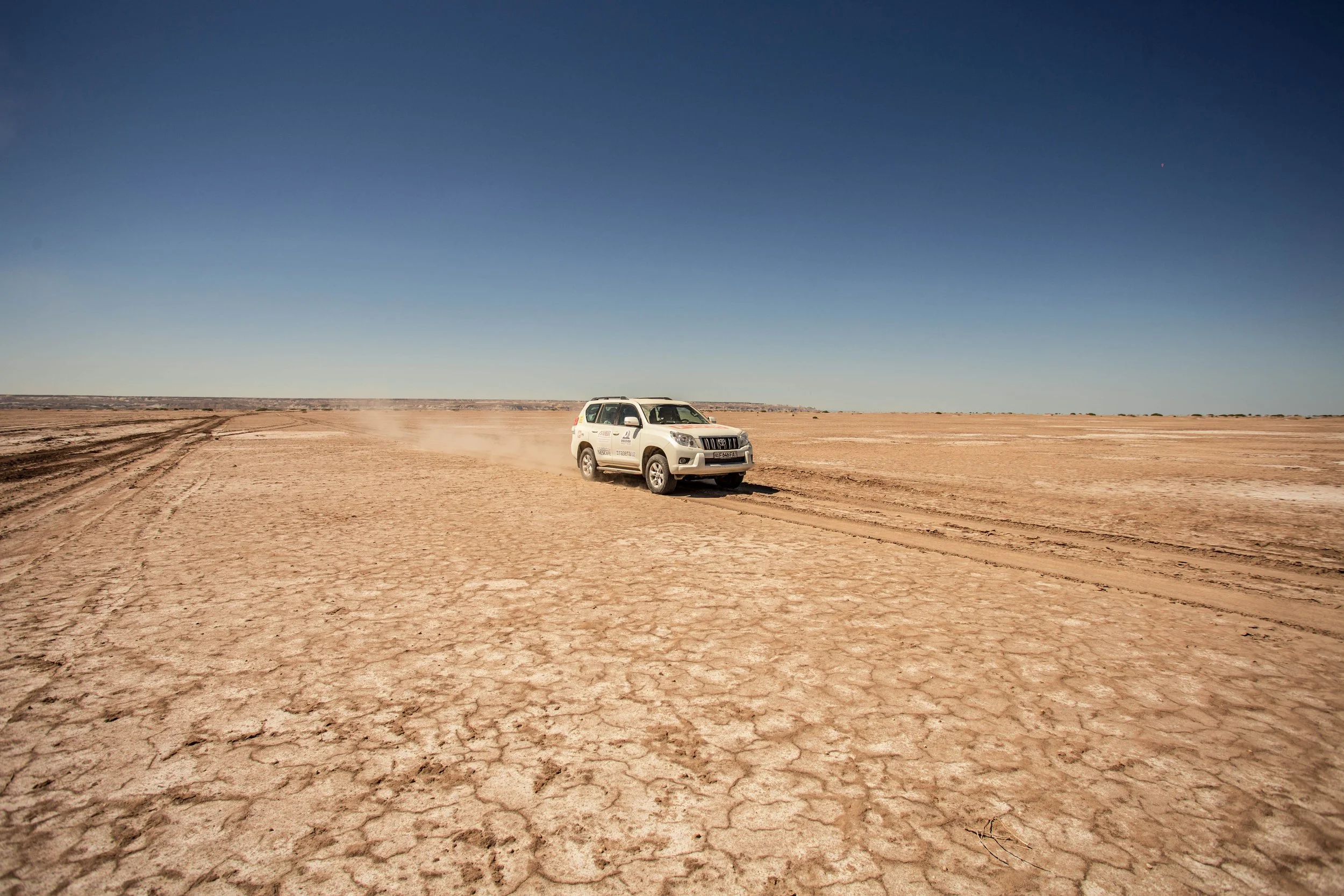
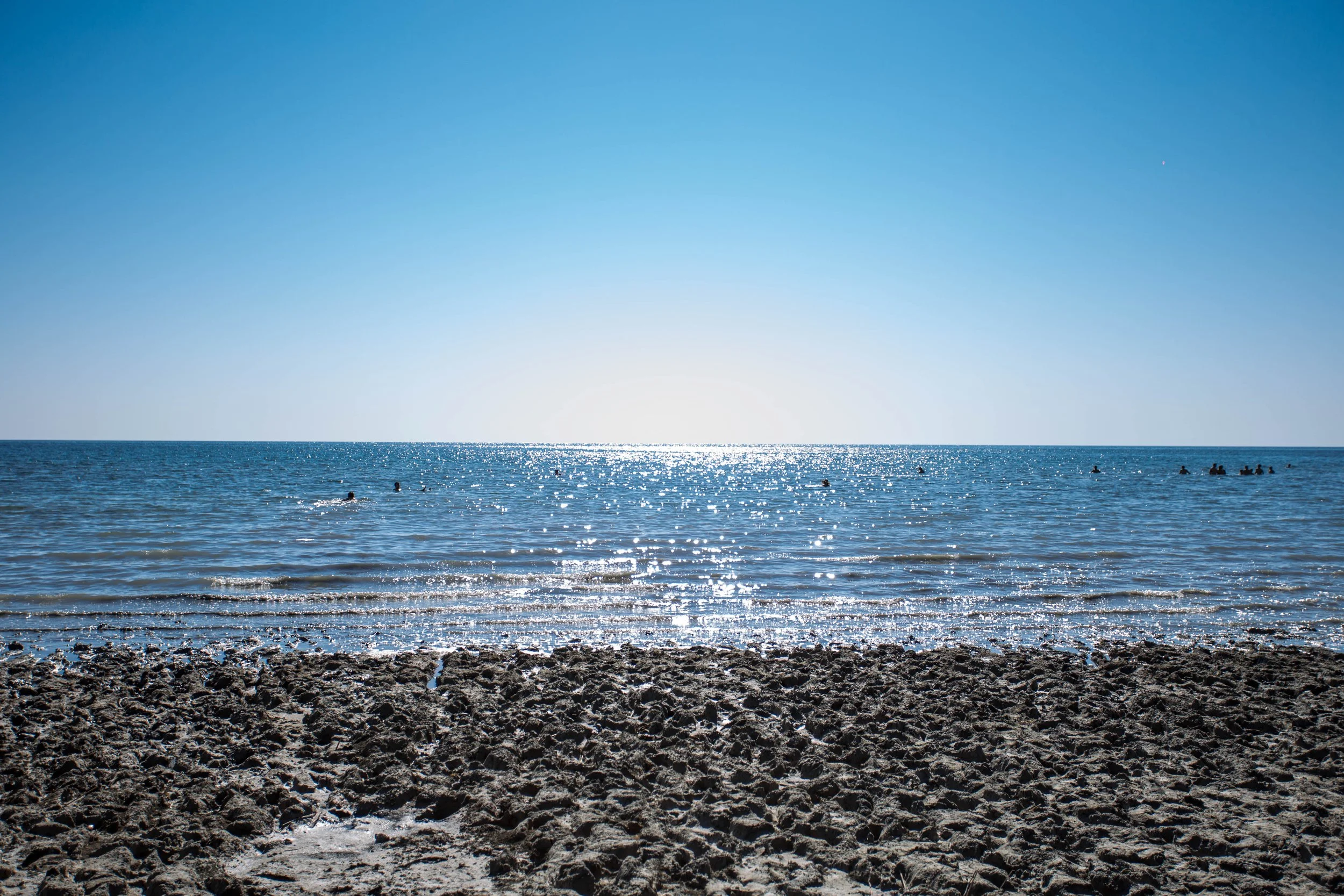
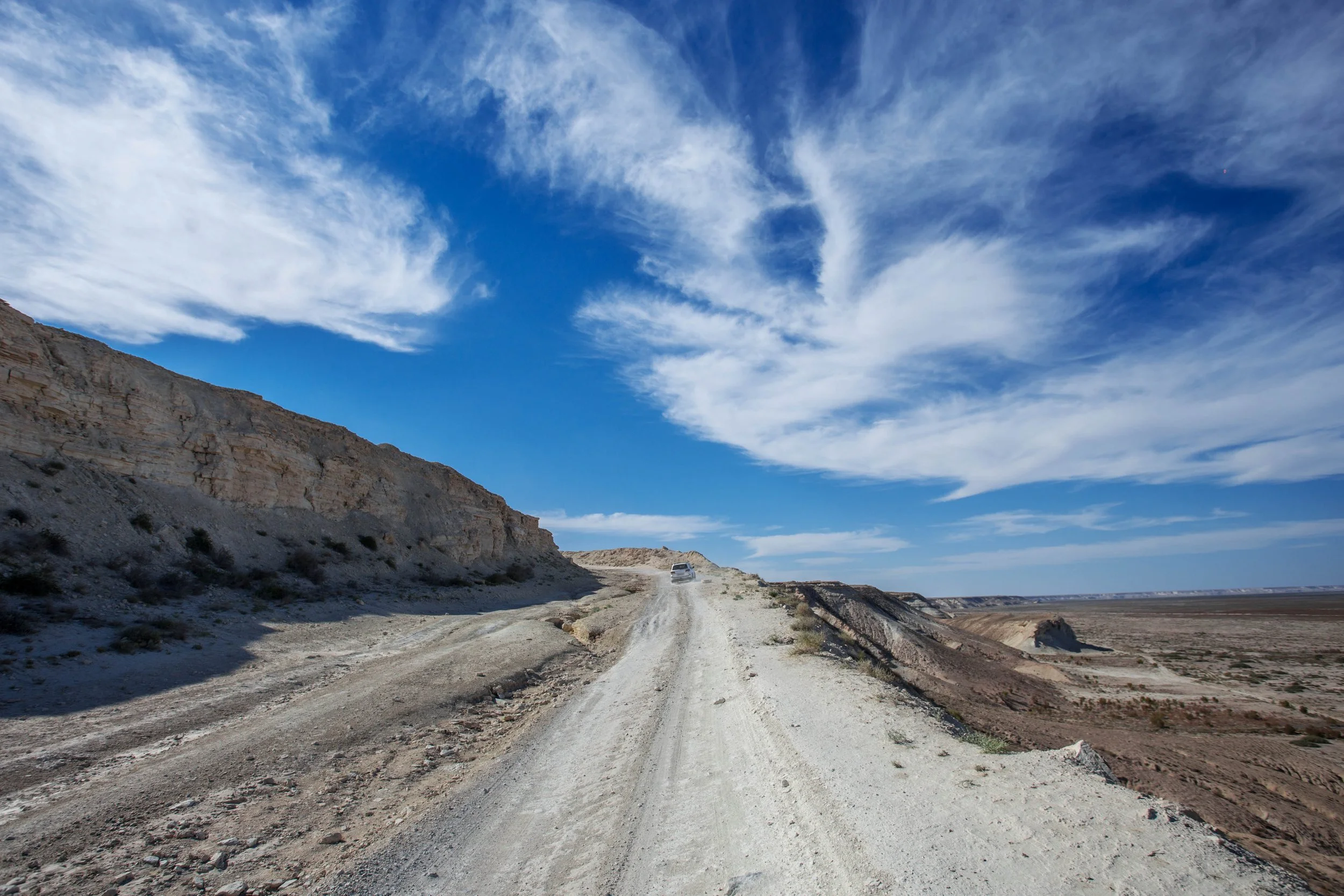
What was once the world’s fourth-largest inland sea has now become a powerful symbol of ecological transformation. To truly understand Karakalpakstan, one must travel beyond the rusted hulls of Muynak to the current shoreline of the Aral Sea. This is not merely a sightseeing trip, but a profound expedition across the Aralkum—the world’s youngest desert, born from the former seabed.
Because the water is now significantly saltier than the ocean, it possesses a crystalline clarity and a heavy, mirror-like stillness. Spending a night in a traditional yurt camp on the edge of the plateau is an unforgettable experience; far from any civilization, the sky reveals a density of stars rarely seen elsewhere on Earth. The Aral remains a place of haunting beauty—a silent, majestic landscape that forces every visitor to reflect on the fragile balance between humanity and nature.
Mizdakhan
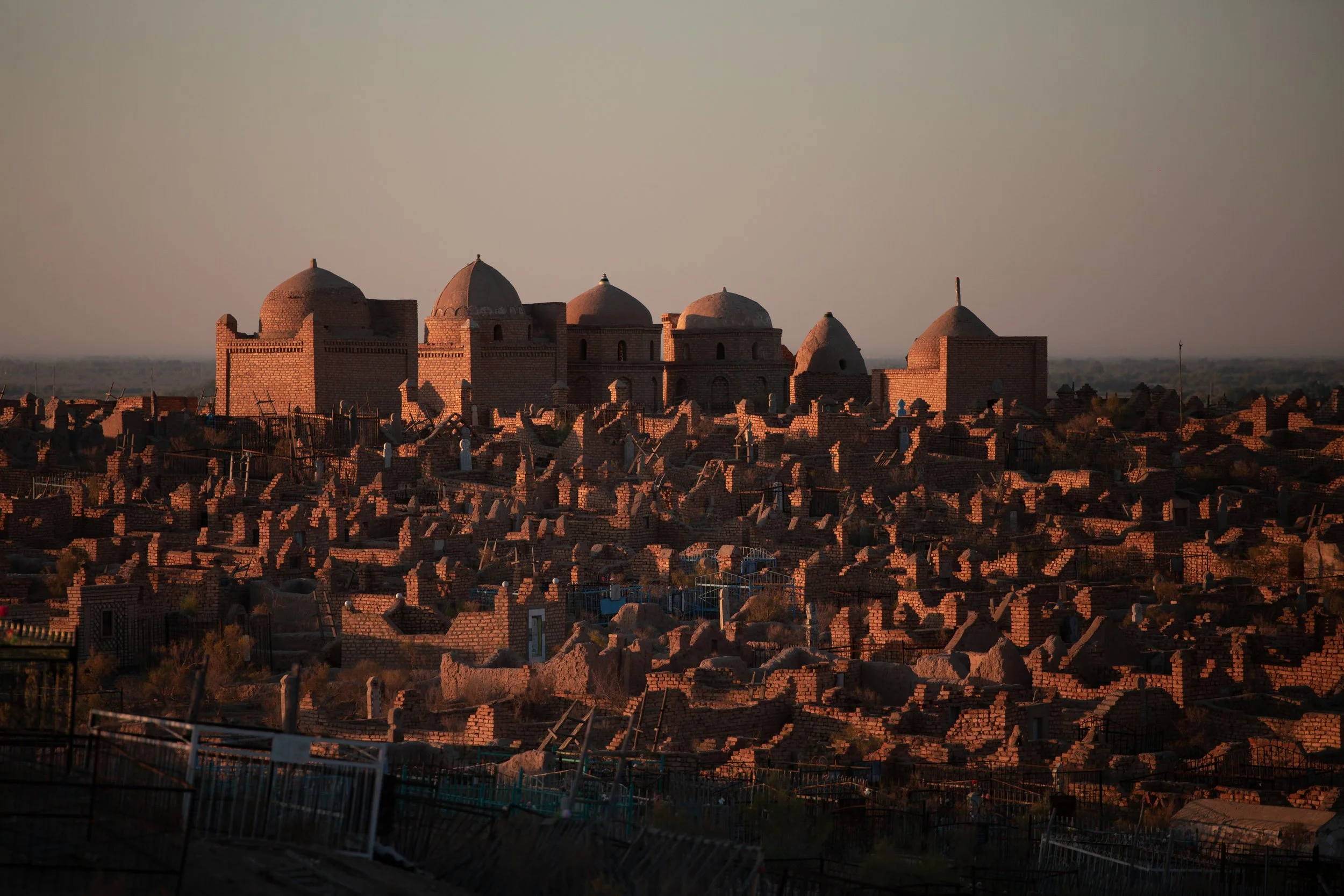
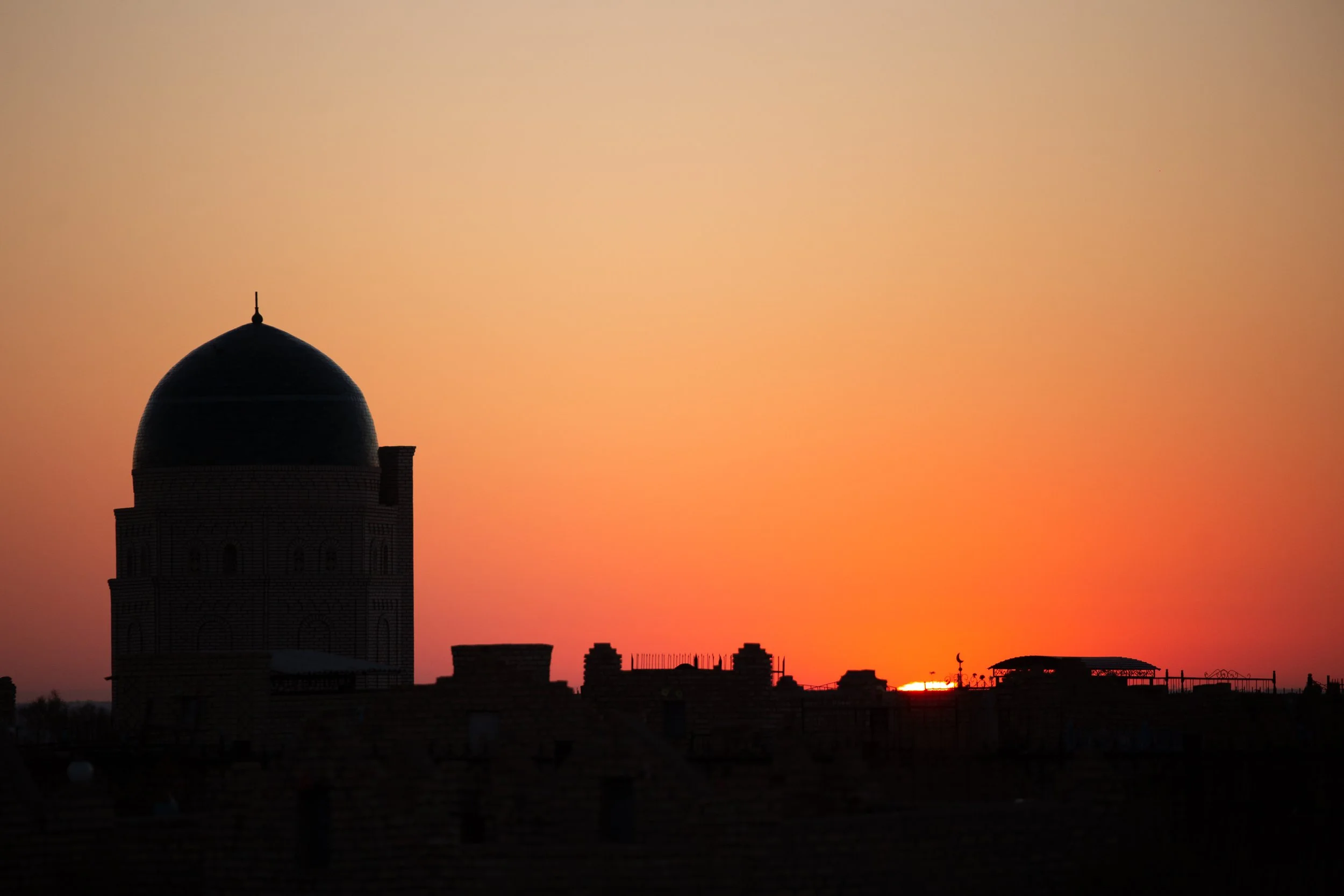
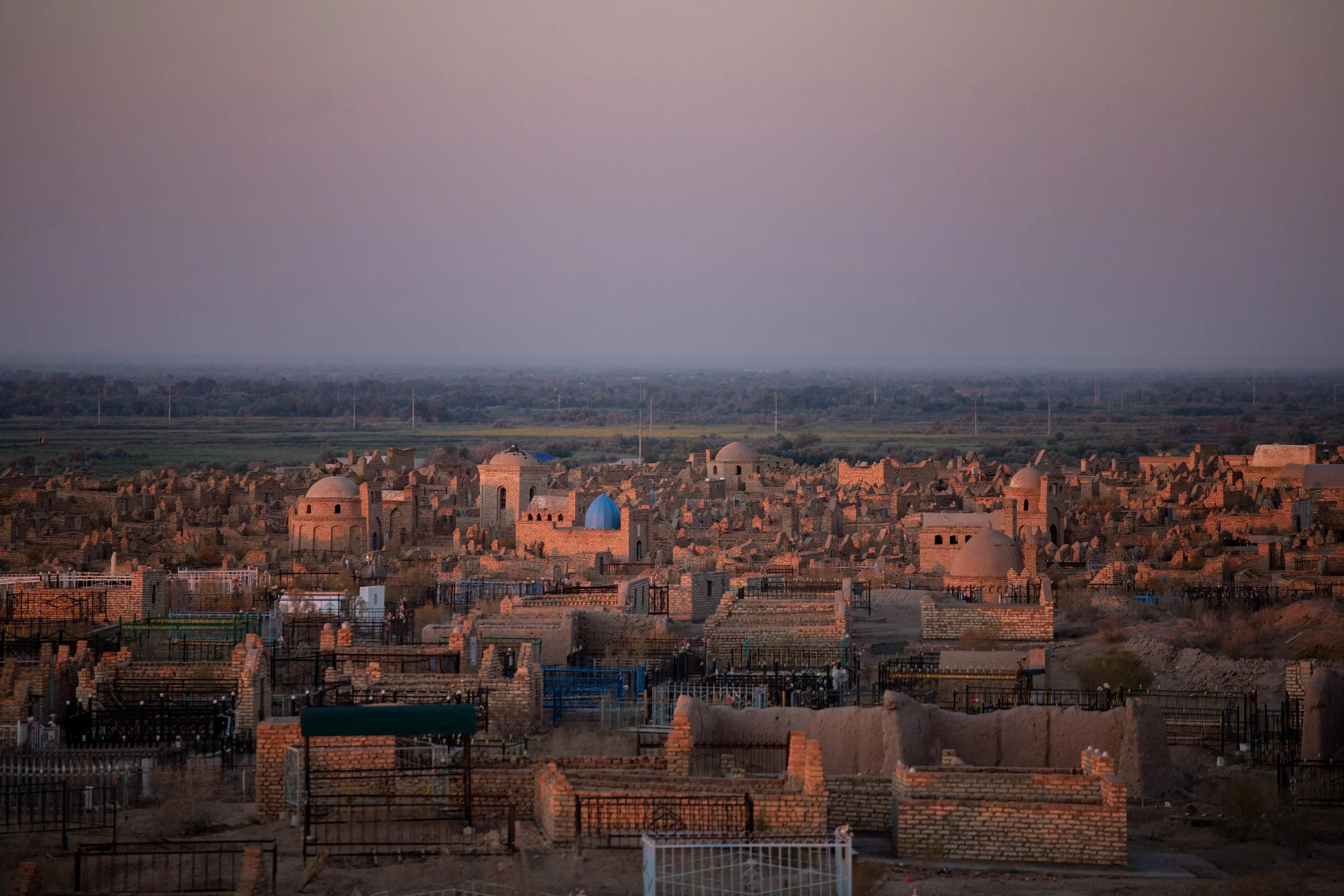
Mizdakhan is a two-thousand-year-old necropolis first built by Zoroastrian worshipers. The traditions of Zoroastrianism and Islam intertwine in these old burial grounds, ruins of medieval mausoleums and ancient buildings, of which only the very tops are visible, as many of them are hidden under layers of sand.
The most visited site in the necropolis is the 12th-century mausoleum of Khalifa Erezhep. According to local lore, it is the burial place of Erezhep, an early Muslim preacher in Central Asia. Another legend identifies it as the resting place of the biblical Adam, whereas in Zoroastrian belief it is the tomb of Gayomard, the progenitor of mankind, created by Ahura Mazda to aid in the fight against evil.
Pilgrims who come here believe that the mausoleum is a world clock counting down life on Earth. Every year one brick falls from the building, and as soon as the last stone has fallen, the world will end. To forestall this fate, visitors gather the fallen bricks and symbolically stack them into small pyramids of seven blocks, a number signifying completeness in Islam.
Sudochye Lake
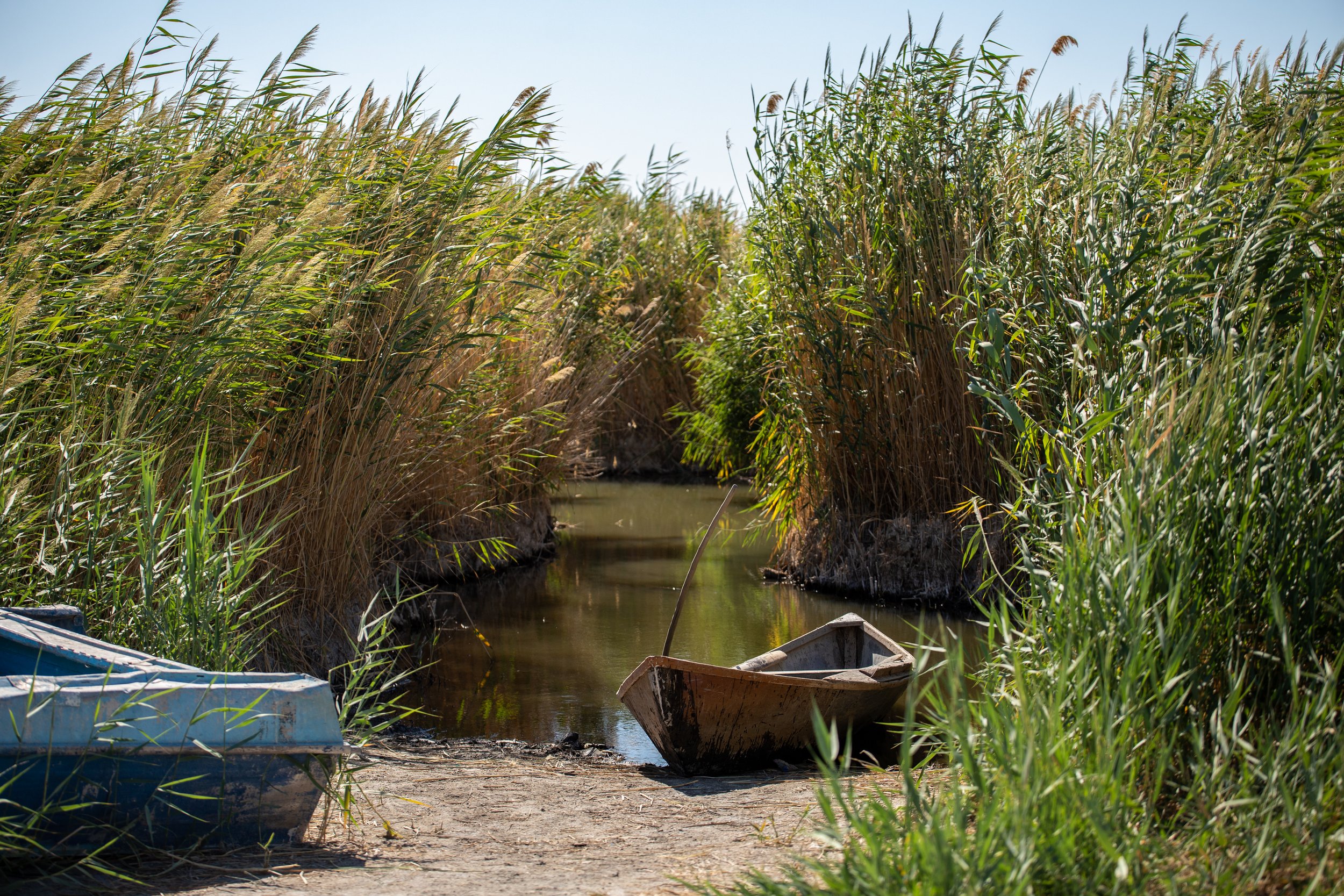
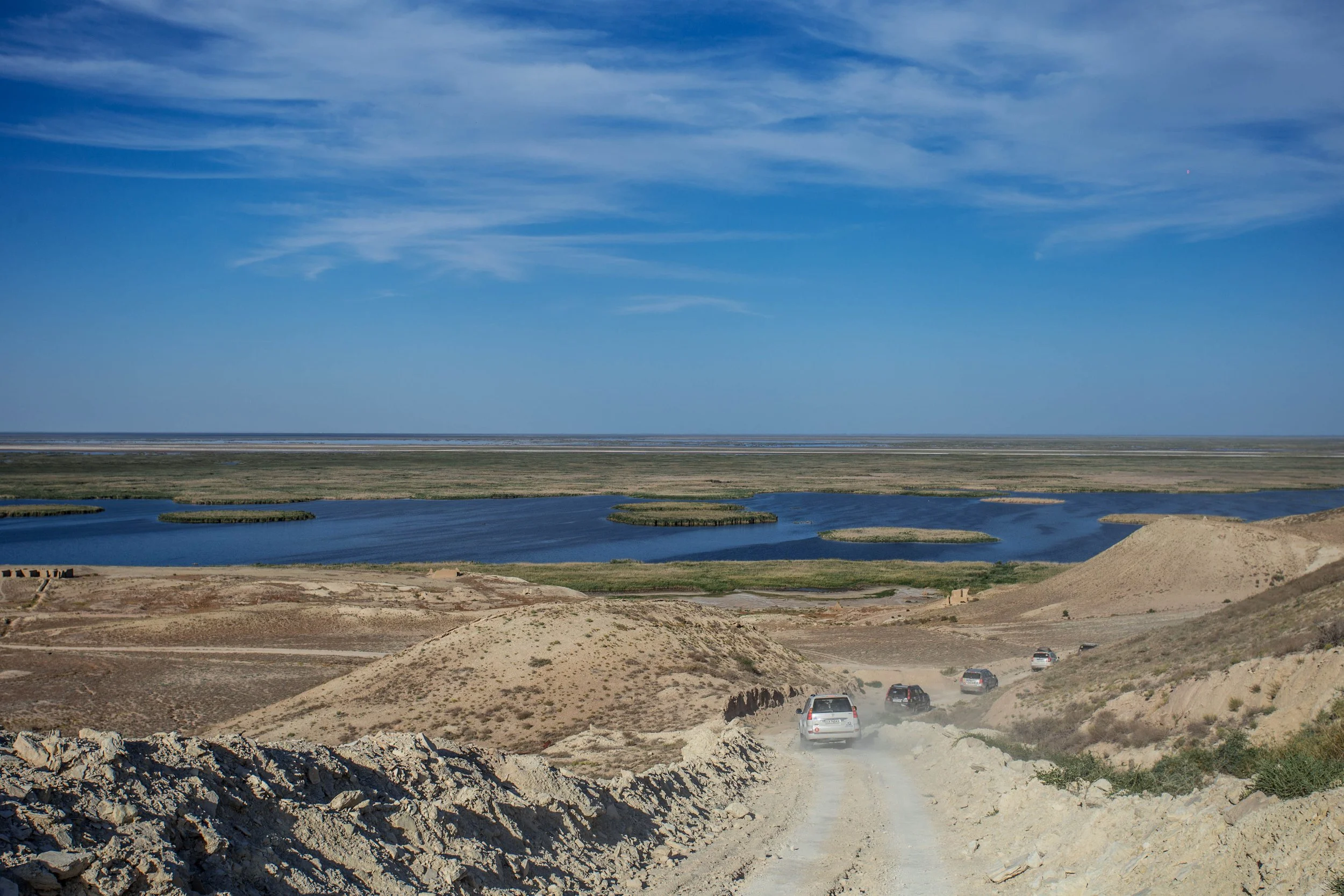
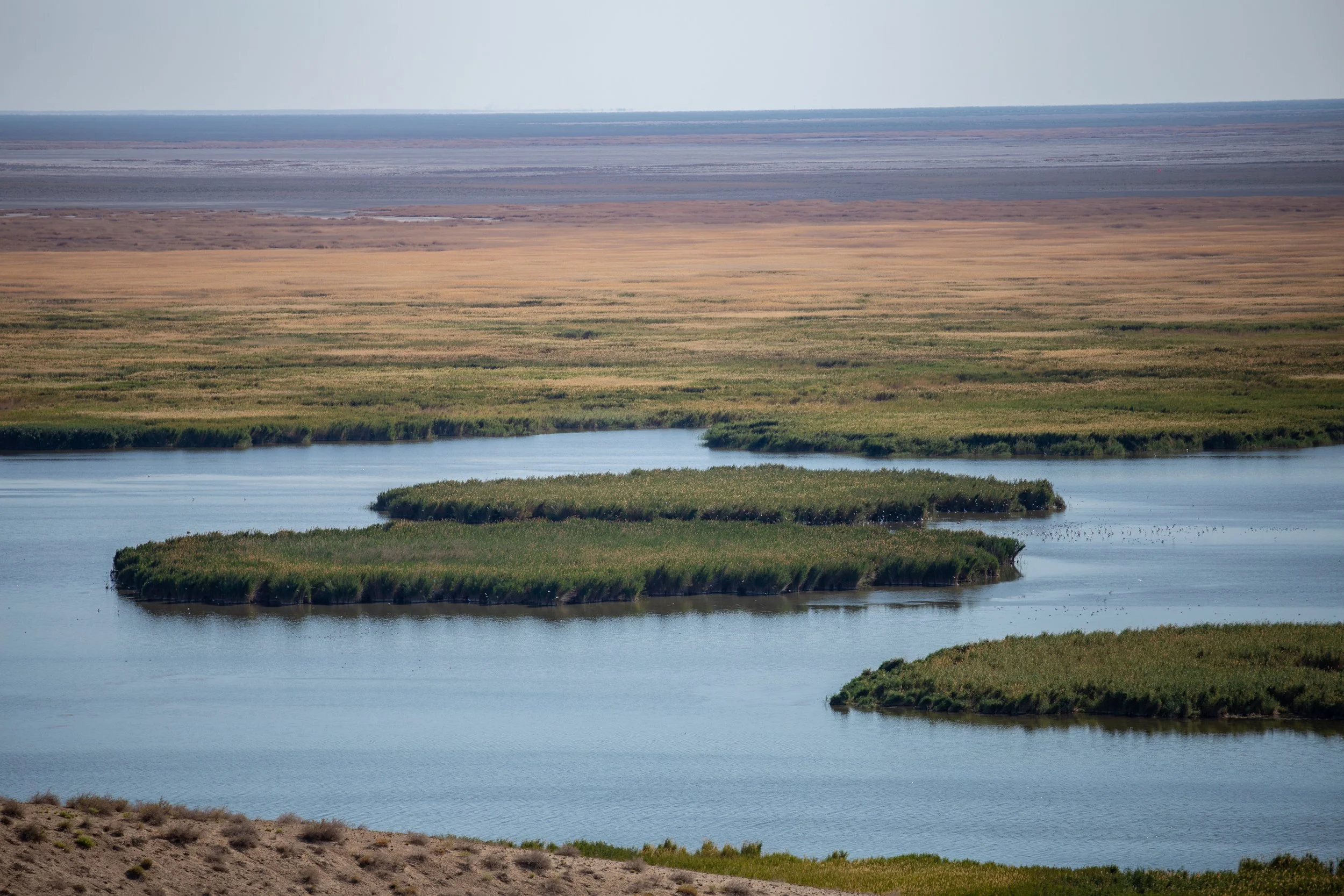
Sudochye Lake boasts the most diverse avifauna in Uzbekistan. Here you can see more than 200 species of birds, including flamingos, pink and curly pelicans, cormorants, herons, and golden eagles. It is a favorite spot for nature photographers and birdwatchers. In 1991 the Sudochye State Ornithological Reserve was created in order to protect avian wildlife, and in 2008 Lake Sudochye received the international status of Important Bird and Biodiversity Area (IBA).
Sudochye Lake was once a large, shallow water basin. There were fish factories on its shores, and up to 2,000 tons of fish were caught here annually. As the water level of the nearby Aral Sea fell, Sudochye Lake also began to dry up, as most of the water from its tributaries was diverted for irrigation. By the end of the 1960s, the lake had broken up into several smaller reservoirs: Akushpa, Bolshoi Sudochye, Karatereny, and Begdulla Aydin.
Ustyurt Plateau
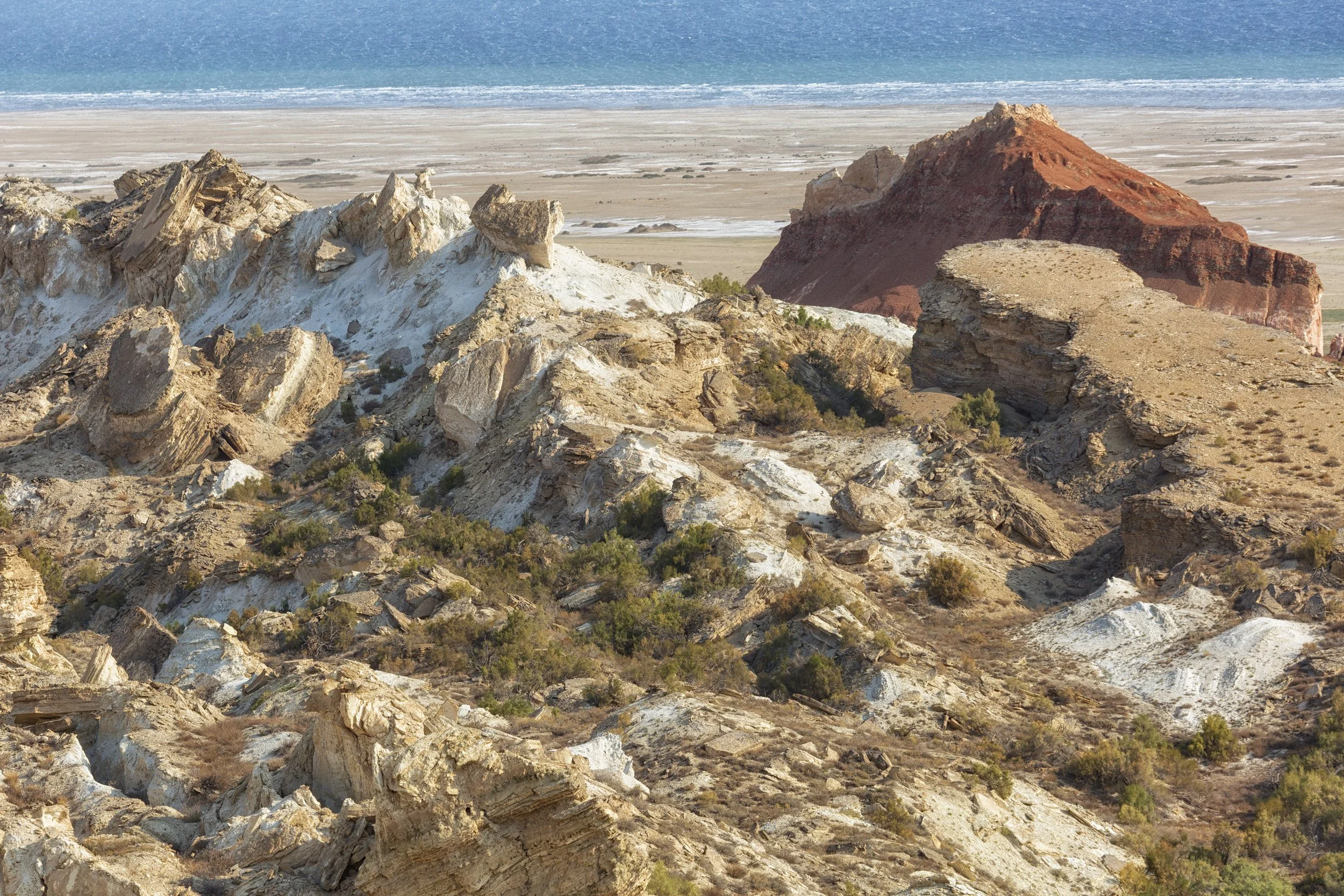
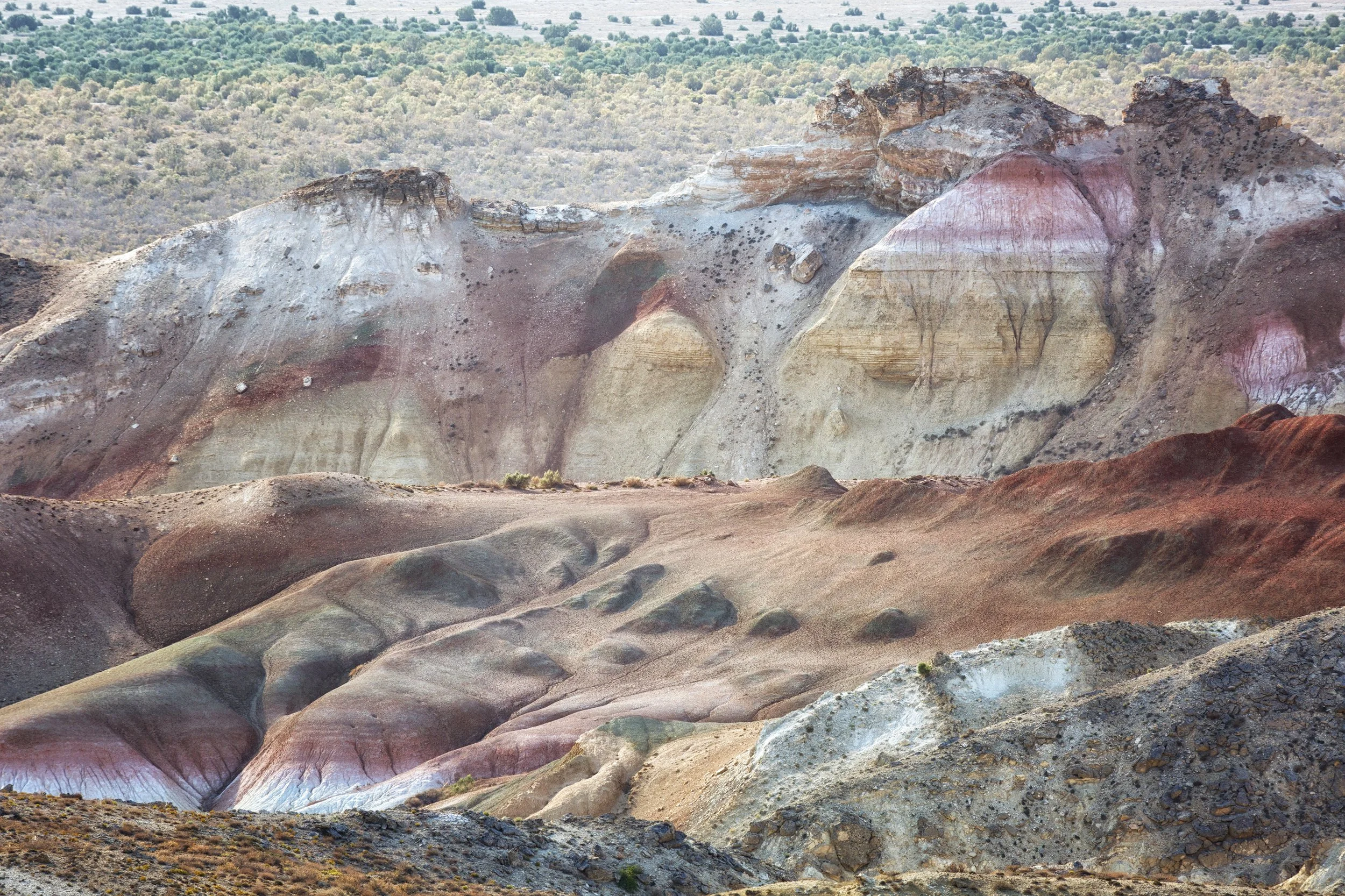
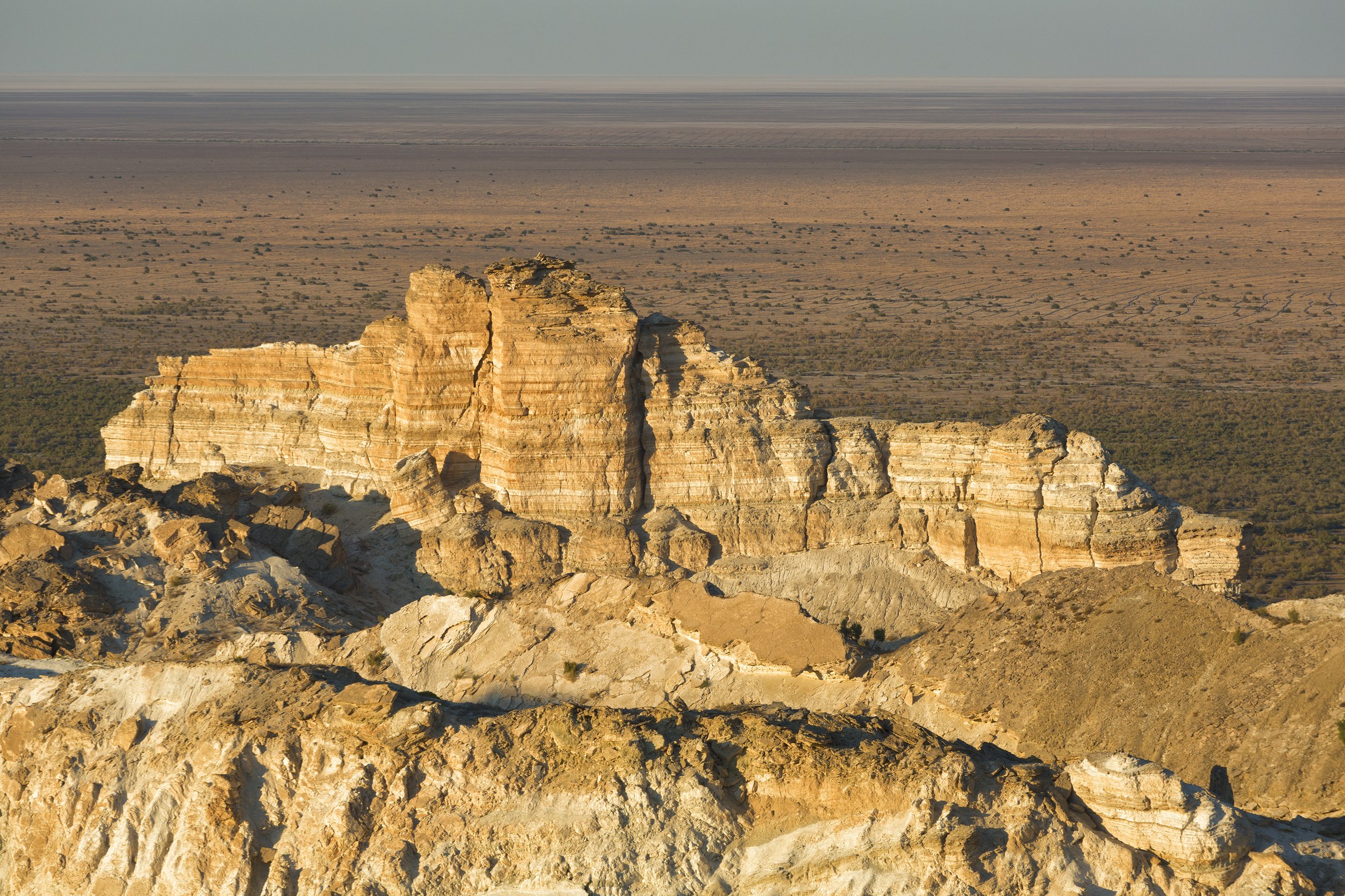
One of the most beautiful and unusual natural places of Karakalpakstan is the Ustyurt Plateau, an area of 200,000 km² divided between Kazakhstan, Turkmenistan, and Uzbekistan.
Sometimes Ustyurt is called an island, and for good reason. If you look at the plateau from a bird's eye view, you can see steep cliffs known as chinks, up to 300 meters high, towering above the desert. Propping up the plateau off the desert floor, these mighty walls are so steep that they can be climbed only in a few places.
The color of the chinks is striking; it shifts in gradients from white to pink, and from pink to red, yellow, and even blue.
Despite its inaccessibility, the Ustyurt Plateau was once inhabited. More than 60 sites from the Neolithic era have been discovered, and traces of Scythian and Mongol presence have been found. The Great Silk Road passed along Ustyurt as well. Unfortunately, only a few dilapidated monuments have survived to this day.
Barsakelmes
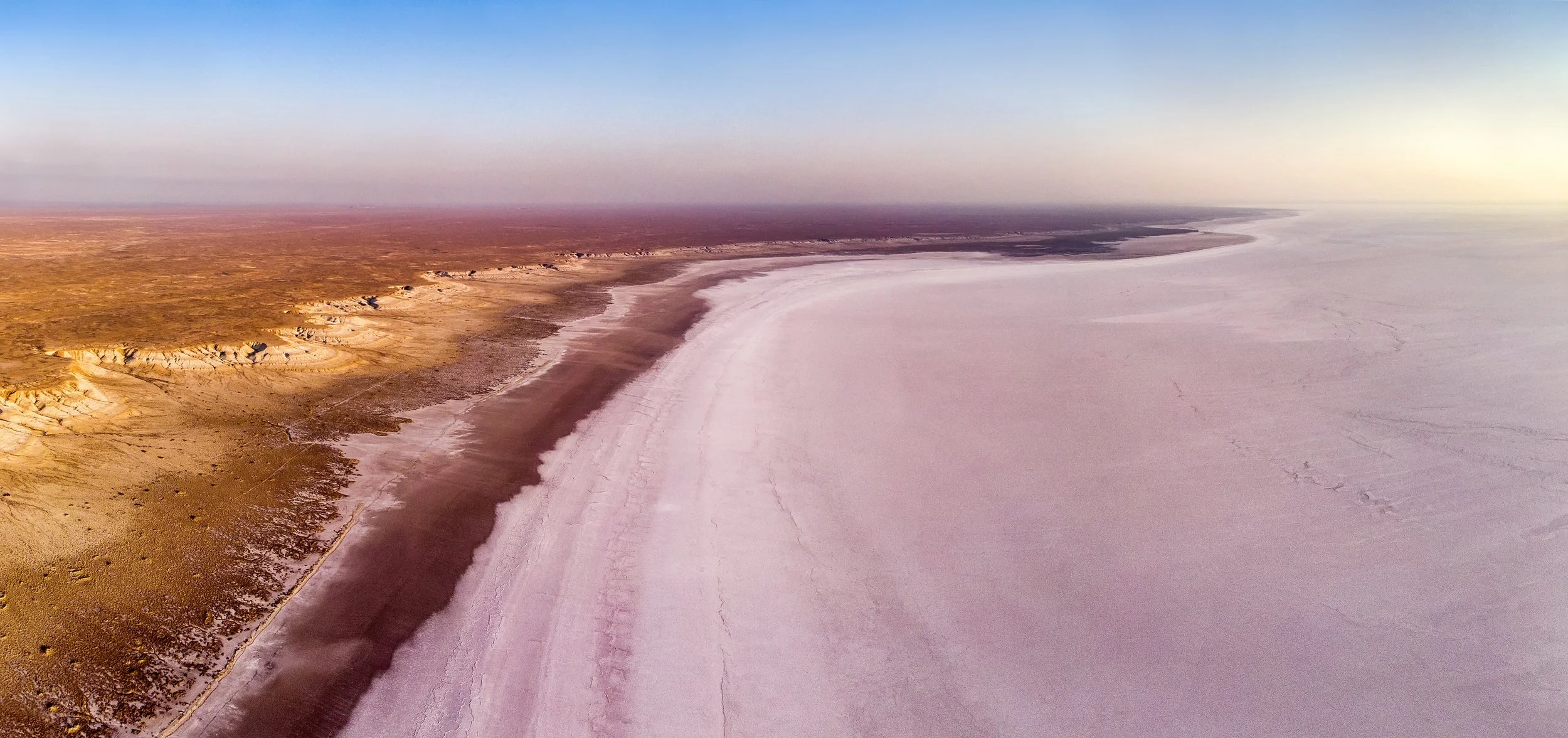
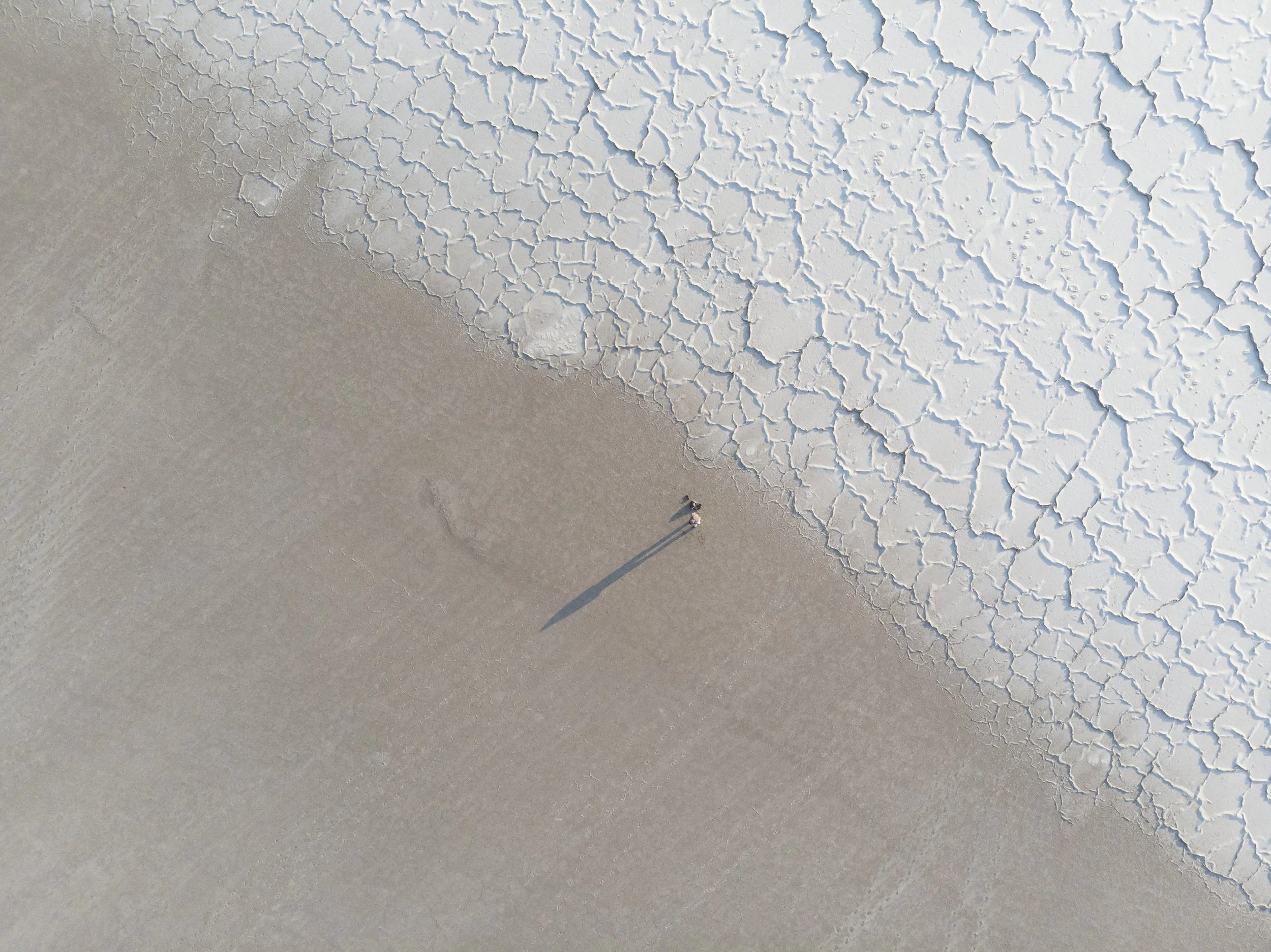
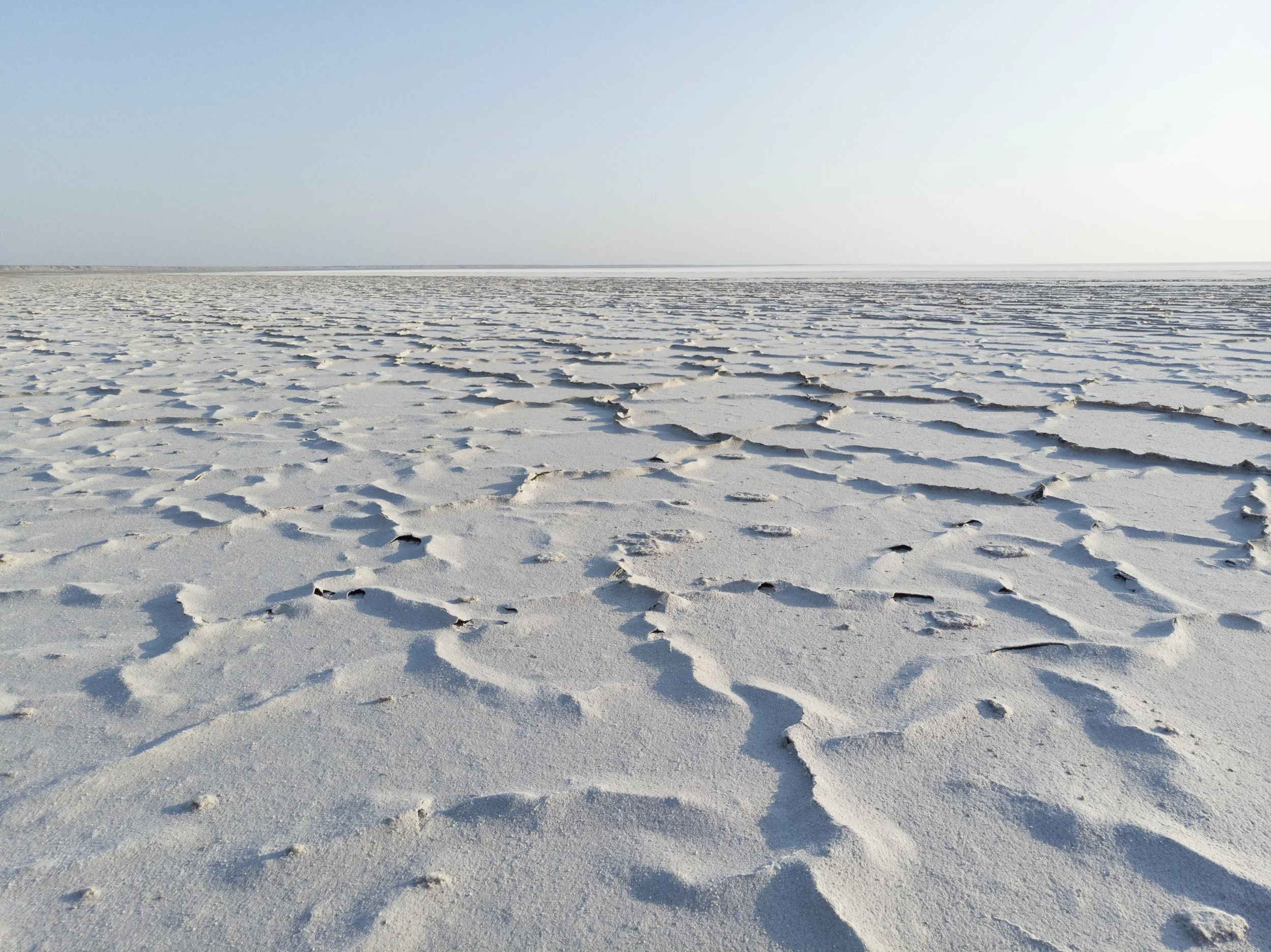
Barsakelmes is a salt lake located on the site of the former Tatis Sea, which dried up millions of years ago, its former expanse now taken up by the Karakum and Kyzylkum deserts. The label "lake" to describe Barsakelmes is misleading, as there is no water here. Only in the spring does a thin layer of brine (saturated saline solution) appear. In fact, Barsakelmes is a basin at the foot of the Ustyurt Plateau, filled with a huge quantity of salt formed in the days of the ancient sea.
Ominously, the name Barsakelmes means "if you go, you will not return," and indeed it is not safe to go far into the lake, as there are sinkholes of unknown depth under the thin salt crust, and treacherous patches of wet sludge. It’s best to visit at sunset and enjoy the view from the safety of the plateau as the setting sun disappears into the silent white vastness around you.