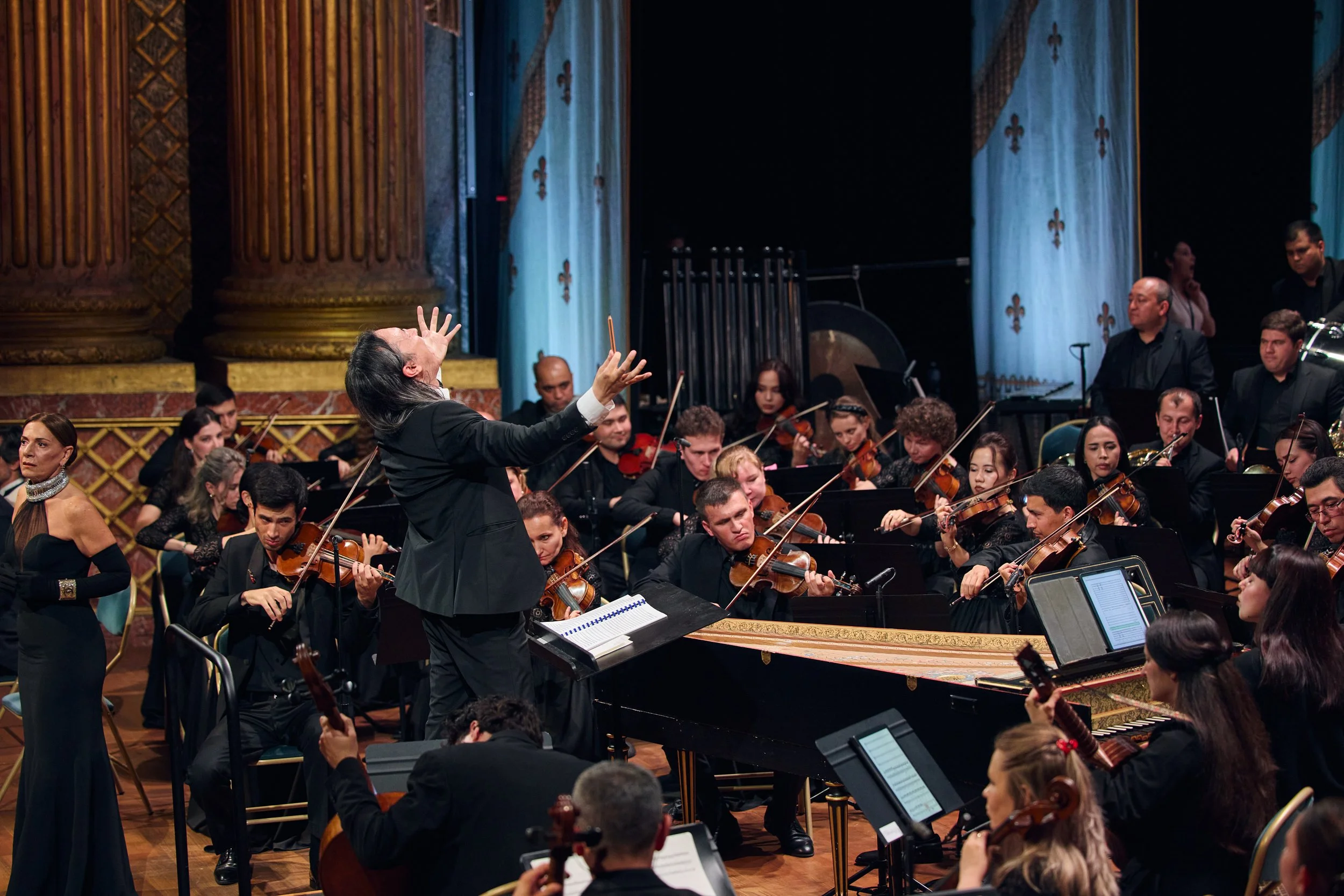
Audiences in New York City will have the opportunity to experience a meeting of European opera and Uzbek musical heritage on March 29, 2027, when a new interpretation of “Tamerlano,” the three-act opera by Georg Friedrich Handel, takes the stage of Carnegie Hall.
“Tamerlano,” considered one of the most tragic of Handel’s operas, takes place in the year 1402, shortly after the famous conqueror Tamerlane, born in what is now Uzbekistan, defeated the Ottomans at the Battle of Ankara. Handel, who wrote the opera in the summer of 1724, often drew upon epic histories for his fictional works.
“Tamerlano” picks up as Tamerlane, also known as Amir Timur, captures Ottoman sultan Bajazet and his daughter Asteria. The core of the story centers on Tamerlane’s intention to marry Asteria, despite her imprisoned father’s protestations and Asteria’s own secret romance with one of Tamerlane’s closest allies, the Greek prince Andronico. It is an opera of power, bargaining, misfortune, and love.
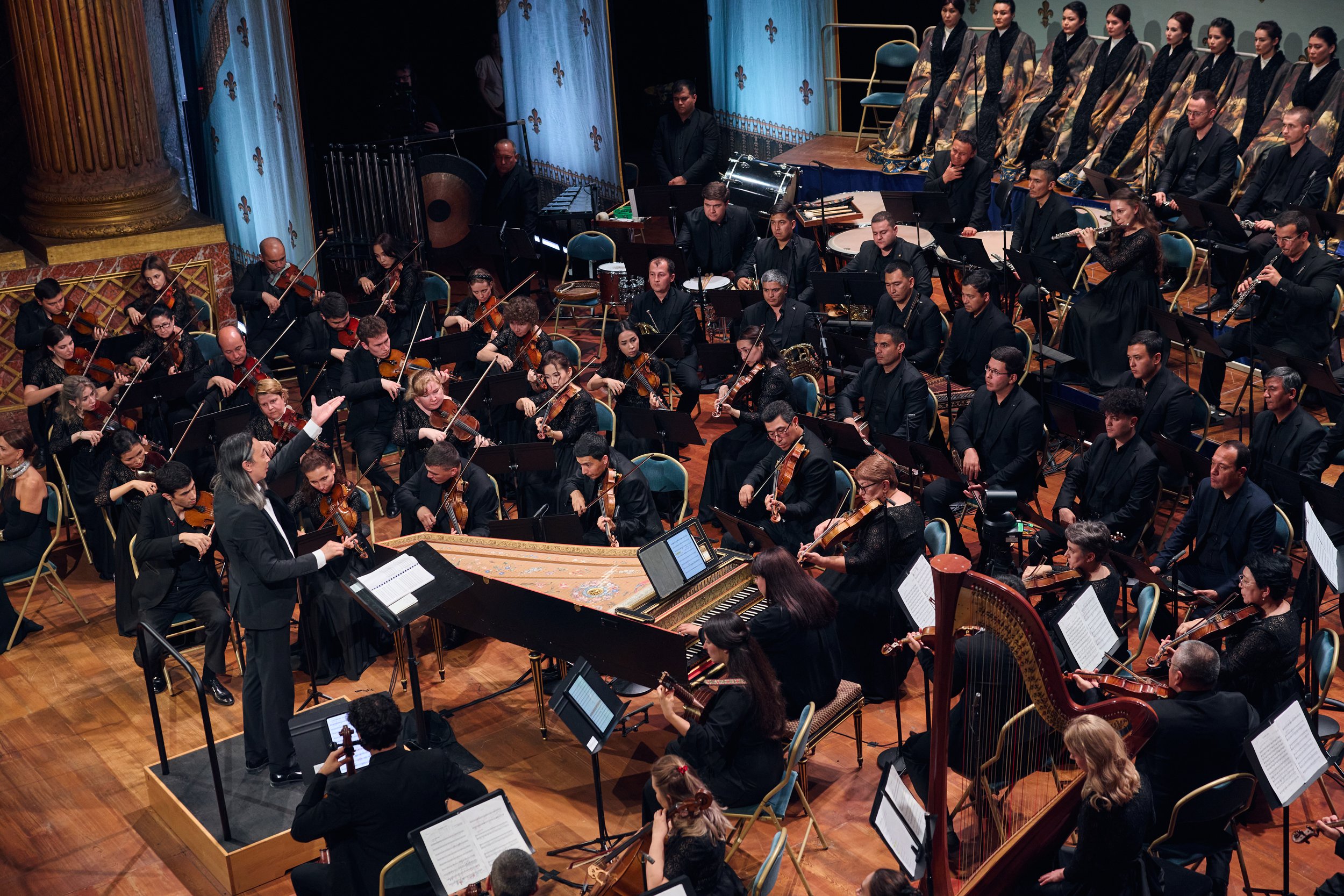
The iteration of “Tamerlano” to be shown at Carnegie Hall was created by Kirill Richter, a Russian composer who took Handel’s original score and incorporated traditional Uzbek instruments. The arrival of this version of the opera in the United States will provide an opportunity for new audiences to explore a significant piece of Central Asian history bolstered by the region’s musical heritage.
Amir Timur and the History Behind Handel’s “Tamerlano”
Those familiar with Eurasian history will know the name Amir Timur. In the late 14th and early 15th centuries, his conquests built an empire stretching from Central Asia into Persia, northern India, and Anatolia. Under Timur and his successors, the Timurid Empire became an important center of Islamic art, architecture, and scholarship.
Although Amir Timur’s military campaigns and methods for political control were often brutal, his legacy holds particular importance in Uzbekistan. He situated his empire’s capital in the city of Samarkand, about 80 kilometers from his birthplace, modern-day Shahrisabz, making the region home to some of the greatest scientists, artists, and religious leaders of the time. His grandson, Ulugh Beg, for example, built one of the finest astronomical observatories of the time, from which he mapped over a thousand stars.
Given the cultural renaissance that occurred under the Timurid Empire, it’s no wonder that its founder proved a source of inspiration for Handel centuries later. Besides Amir Timur, the “Tamerlano” character of Bajazet is also inspired by the real Ottoman sultan Bayezid, who was indeed imprisoned by Amir Timur following the Battle of Ankara. Though Bayezid did have at least five daughters, there is no evidence that any of them were taken captive alongside him. The love quadrangle that provides the core tension for “Tamerlano,” therefore, was imagined by Handel.
However, the theme of marriage intertwined with politics does reflect the reality of the time. Amir Timur had several wives during his lifetime, but the most politically significant was named Saray Mulk Khanum, widely known as Bibi Khanym. She was a direct descendent of Genghis Khan, the founder of the Mongol Empire. Timur’s marriage to Bibi Khanym legitimized his rule, giving him the royal lineage by marriage that he lacked by birth. So, while the Ottoman princess Asteria was most likely an operatic invention, the intricacies of strategic marriage, explored in “Tamerlano,” were not.
The Addition of Traditional Uzbek Instruments in “Tamerlano”
When Handel first brought “Tamerlano” to the stage at London’s King’s Theatre in 1724, it featured many of the Baroque instruments popular of the time. Though the story was inspired by Central Asian history, the sound was largely built for European audiences—including strings, oboes, recorders, a harpsichord, supported by basso continuo.
Richter’s version of the show brings elements into that soundscape that have long been a part of the Uzbek musical tradition. Some of the instruments incorporated into the music are the karnay, a long, cylindrical, metal trumpet, and the rubab, a plucking instrument that resembles a lute. The arrangement also includes the chang, a hammered dulcimer with a centuries-long history in Central Asian music, played by striking its strings with two slender sticks. The opera’s music will be performed by the National Symphony Orchestra of Uzbekistan, conducted by Uzbekistan’s Alibek Kabdurakhmanov.
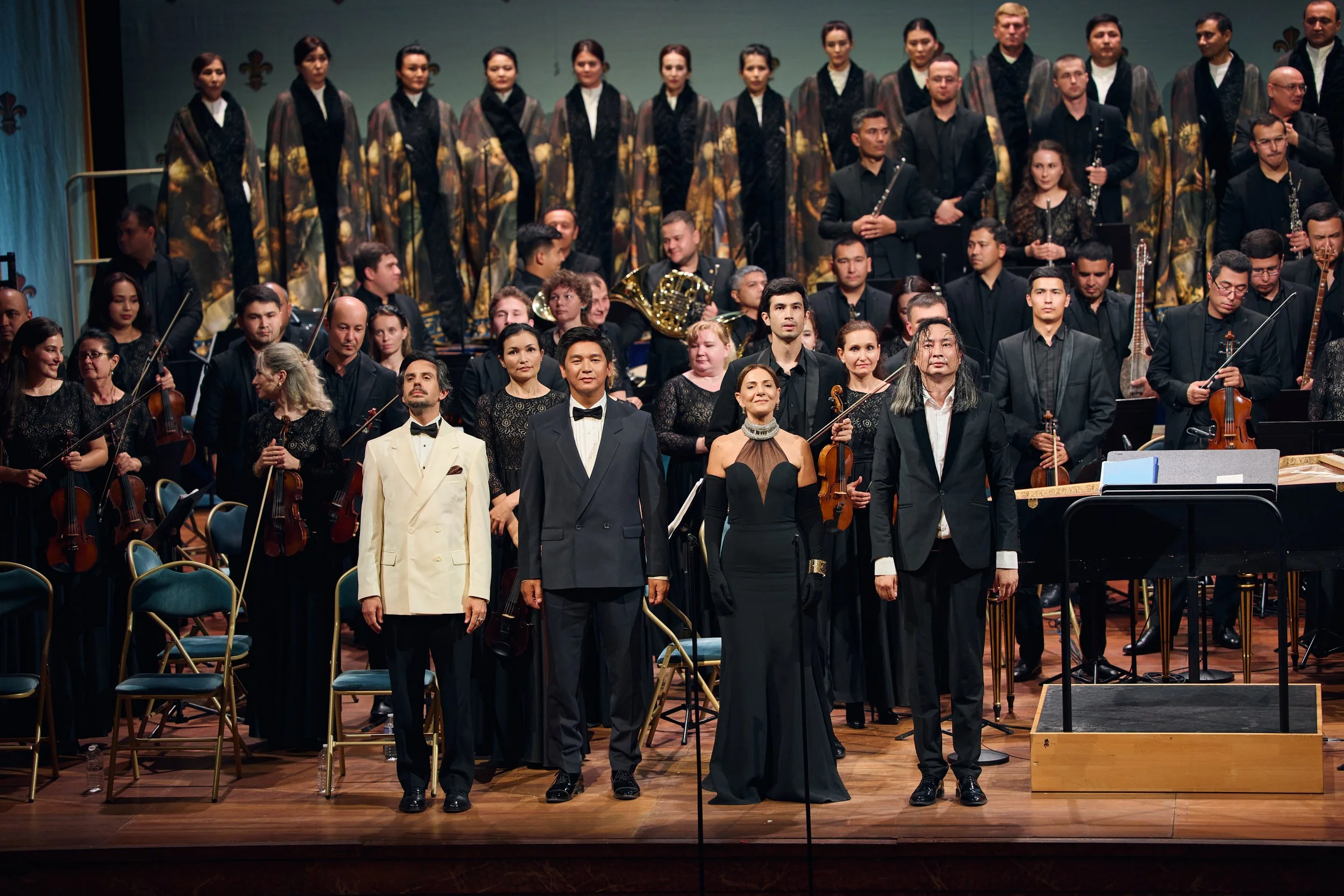
As is most common for the genre, “Tamerlano” will be performed in its original Italian. The cast includes members from a variety of countries, including Argentina and Spain, but the titular role of Tamerlano will be played by Jenisbek Piyazov, an Uzbek and Karakalpak opera singer born in the town of Nukus, Karakalpakstan. Piyazov has performed all over the world, including in Russia, Portugal, and Azerbaijan. The performance at Carnegie Hall, one of the most prestigious music venues in the United States, will mark the first time Richter’s iteration of “Tamerlano” is offered to American audiences.
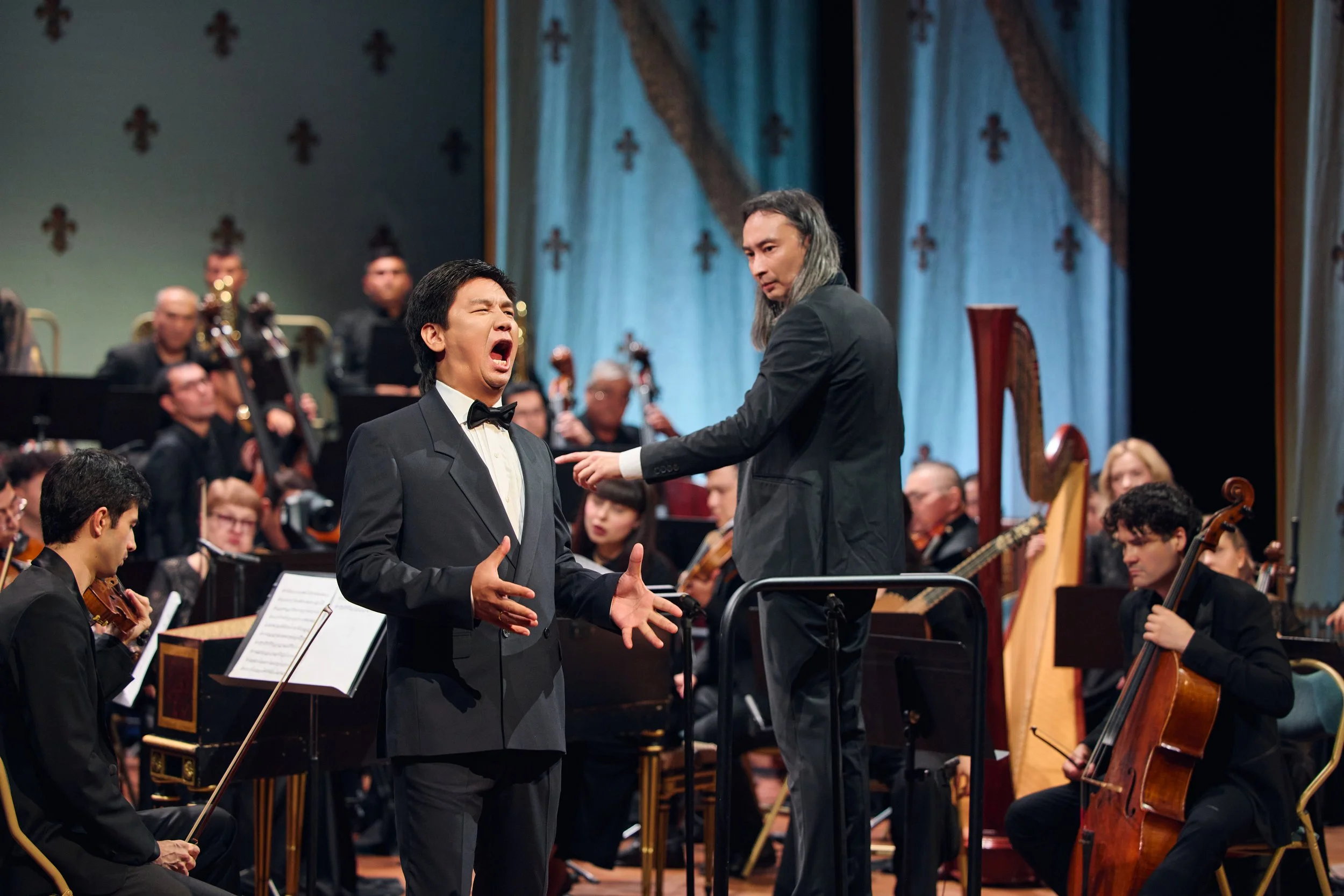
“Tamerlano” will be performed at New York’s Carnegie Hall on March 29, 2027. Tickets for the show have not yet been announced.