The Aural Sea
Uzbekistan’s national pavilion at the 61st Venice Biennale explores the story of the Aral Sea through contemporary art, mythology, and immersive installations. Bringing together emerging curators, international artists, and experimental architecture, The Aural Sea transforms ecological loss into a powerful reflection on memory, transformation, and imagined futures.
Echoes Of Water
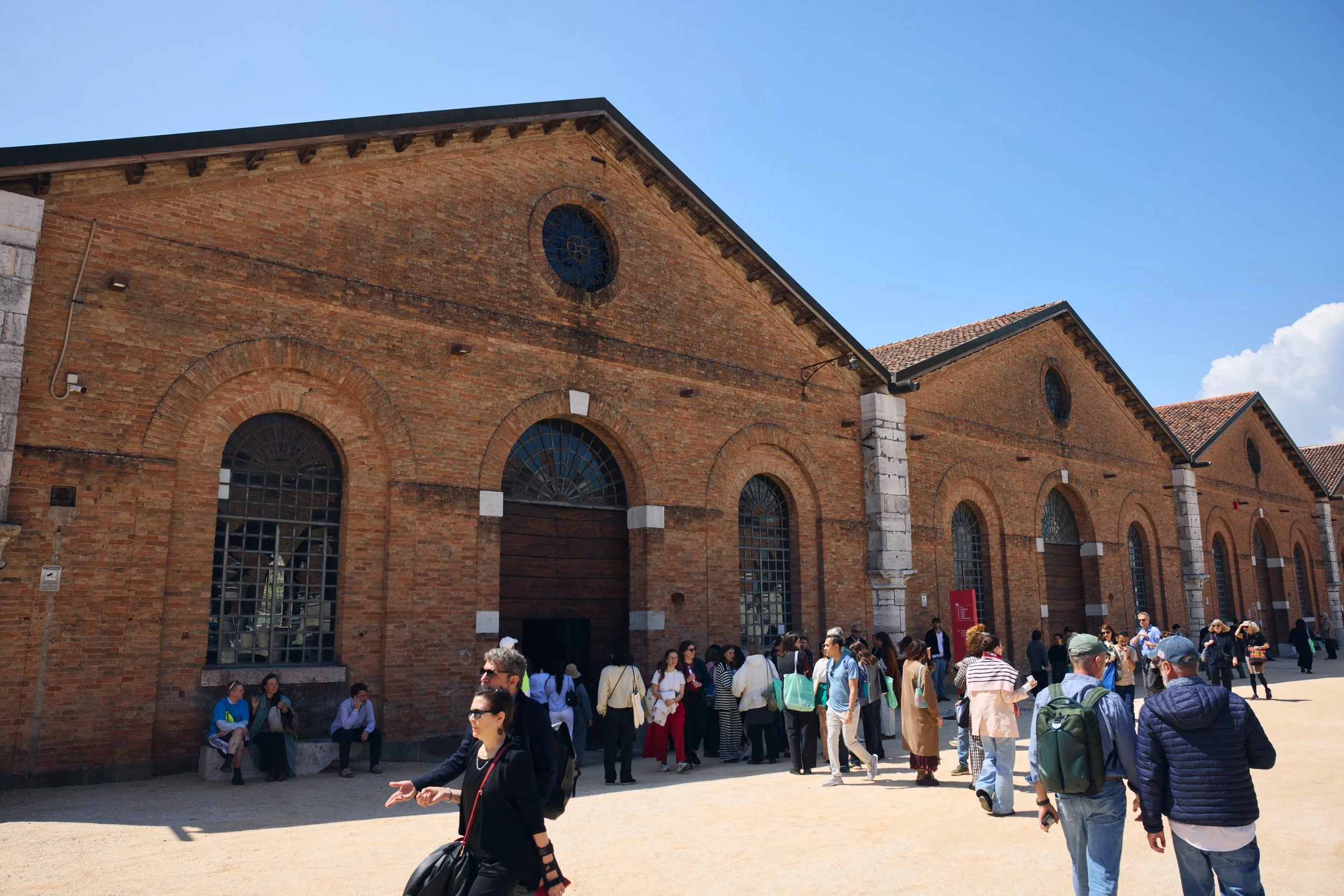
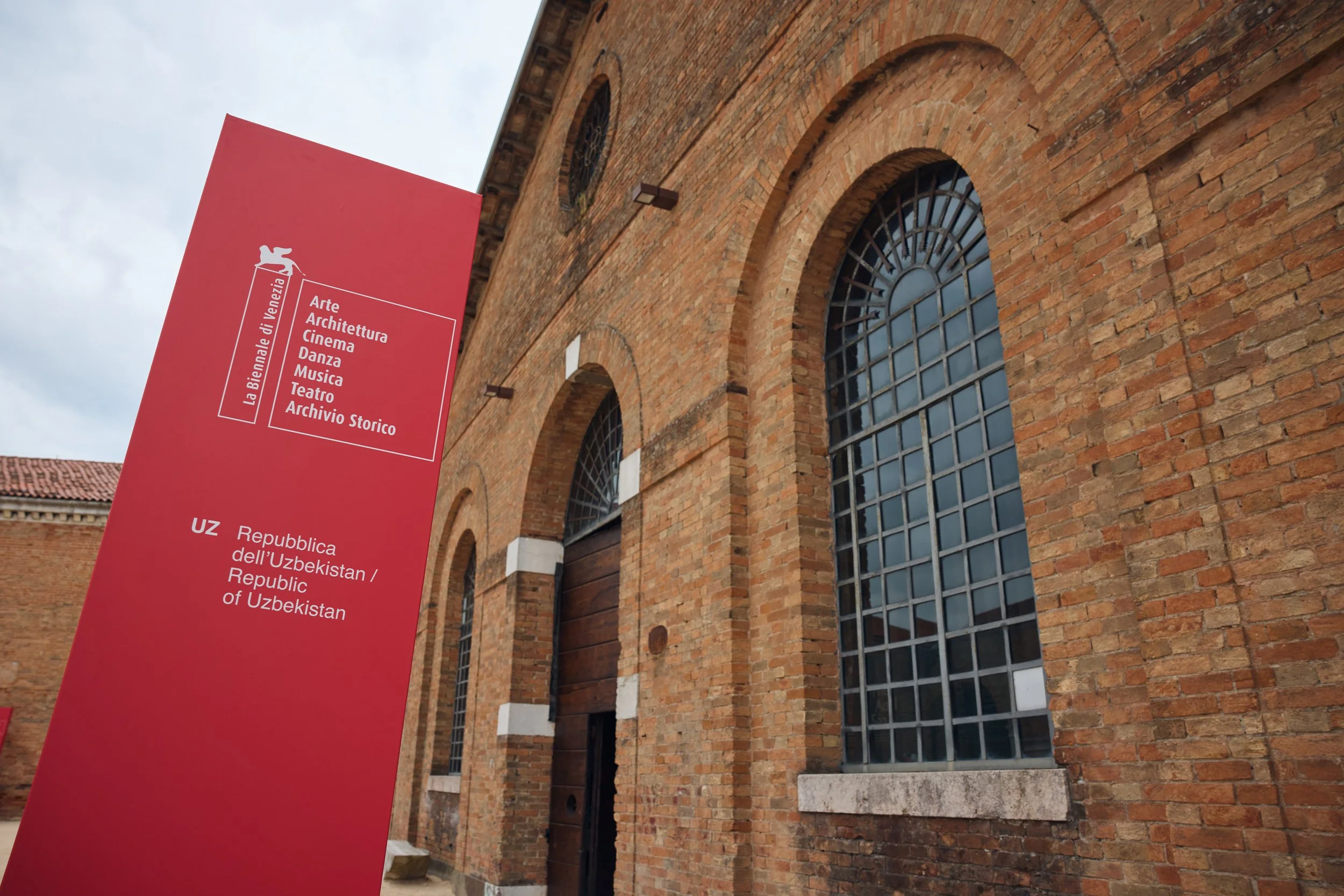
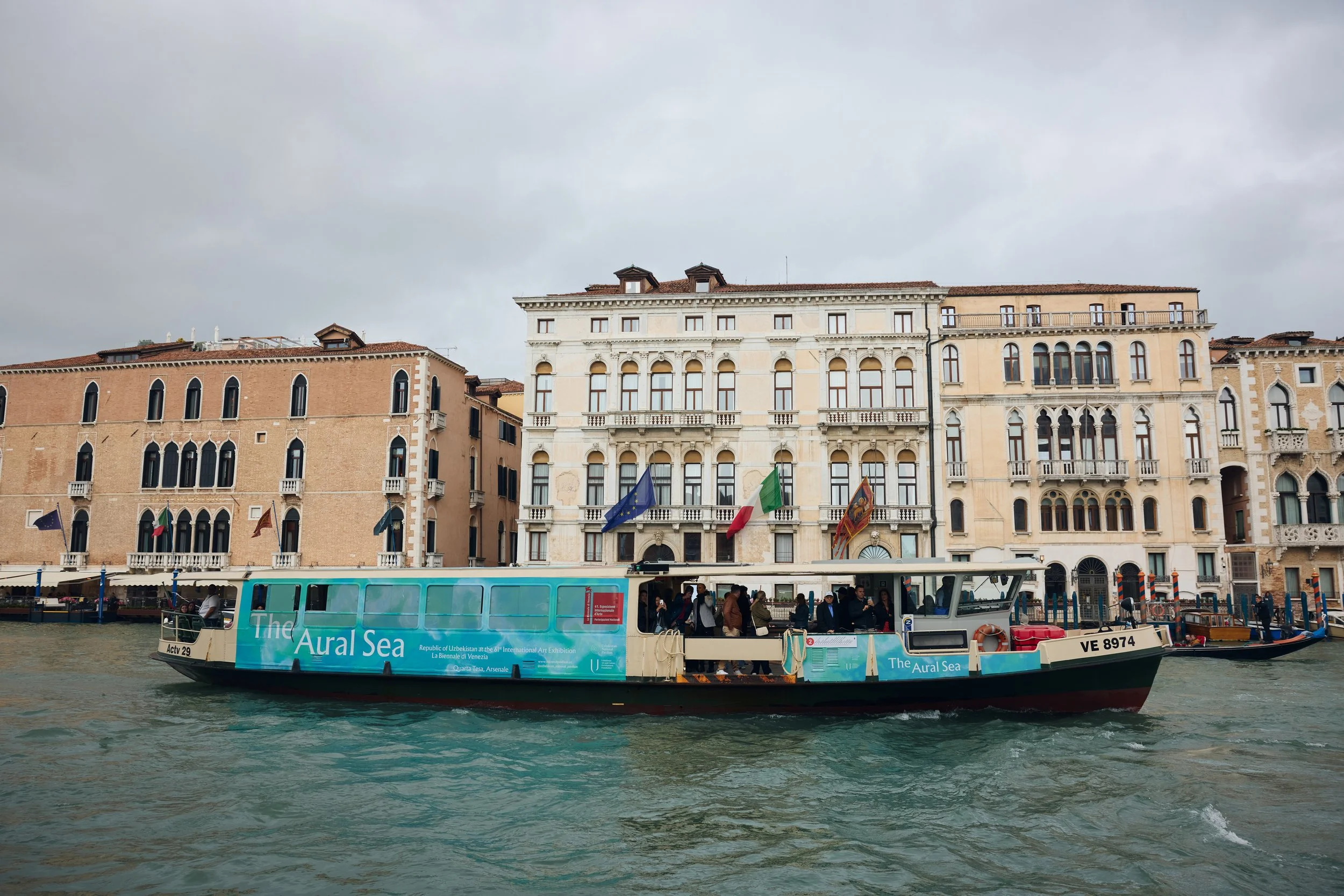
At the 61st edition of the Venice Biennale, Uzbekistan presents The Aural Sea, a thought-provoking national pavilion exploring the ecological and cultural legacy of the Aral Sea. Initiated by the Art and Culture Development Foundation of Uzbekistan (ACDF), the project transforms one of the world’s most devastating environmental crises into an immersive artistic experience centred on memory, mythology, and imagination.
Curatorial Voices
The pavilion is curated by the first graduating cohort of the Bukhara Biennial Curatorial School: Sophie Mayuko Arni, Aziza Izamova, Kamila Mukhitdinova, Nico Sun, and Thai Ha. Bringing together perspectives from Uzbekistan and across Asia, the curators approach storytelling as a method for understanding environmental transformation and imagining alternative futures beyond ecological loss.
Sea Disappearing
Since the 1960s, large-scale irrigation policies redirected the rivers feeding the Aral Sea, causing it to lose more than 90 percent of its water volume. Once considered one of the largest inland seas in the world, the region gradually transformed into an arid desert. Rather than presenting this history through scientific documentation alone, The Aural Sea explores how local communities continue to live with the emotional, cultural, and psychological consequences of disappearance.
Living Installations
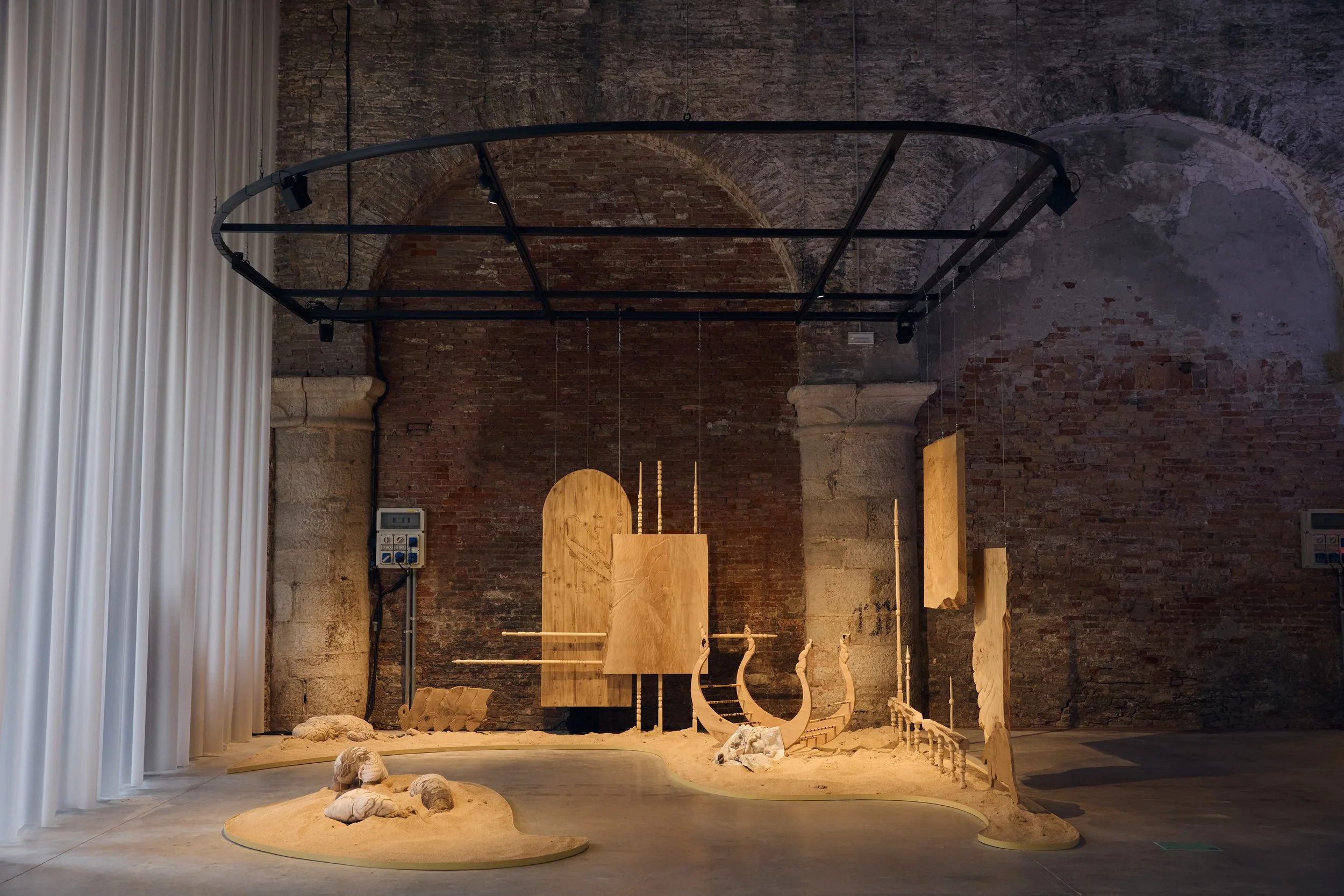
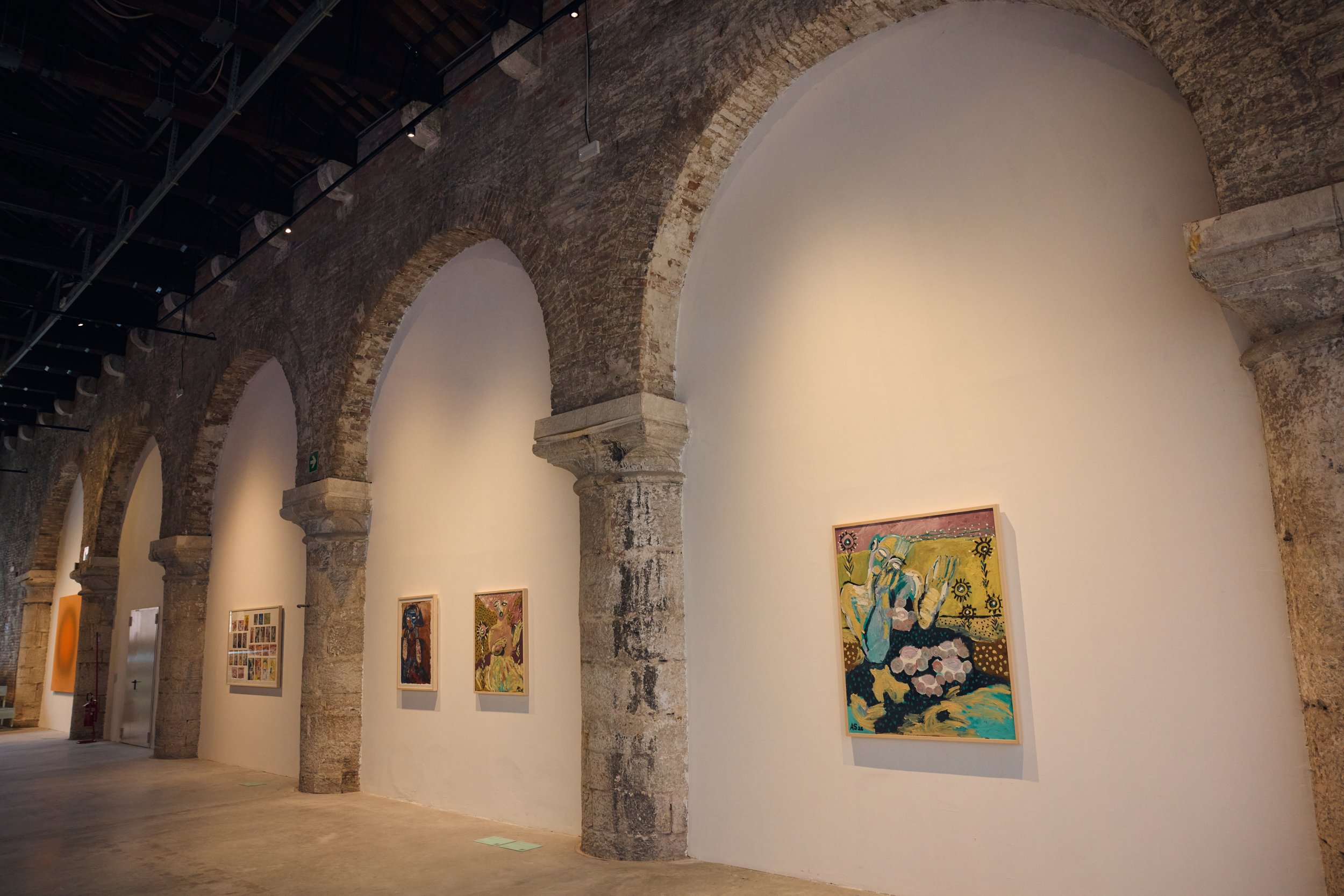
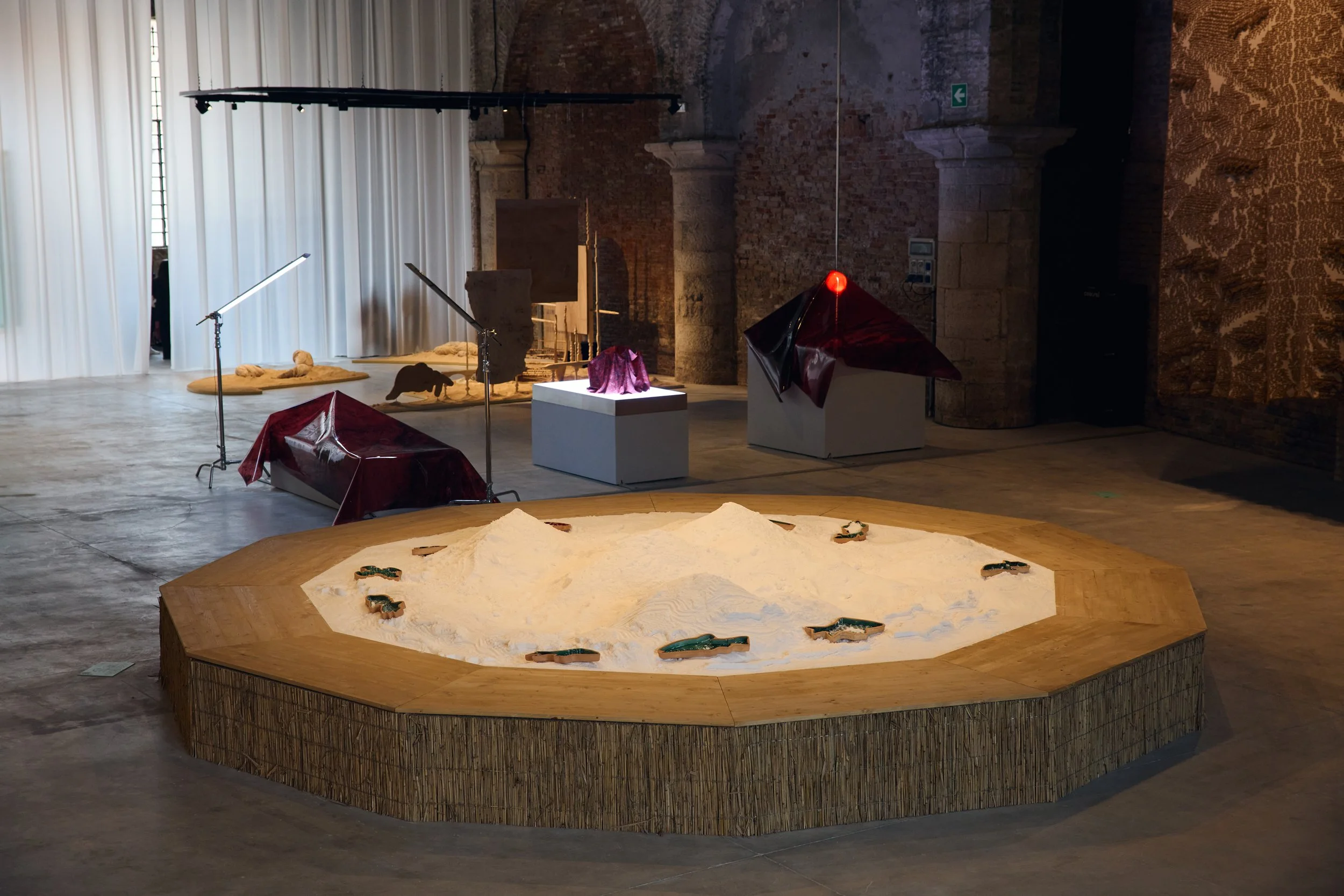
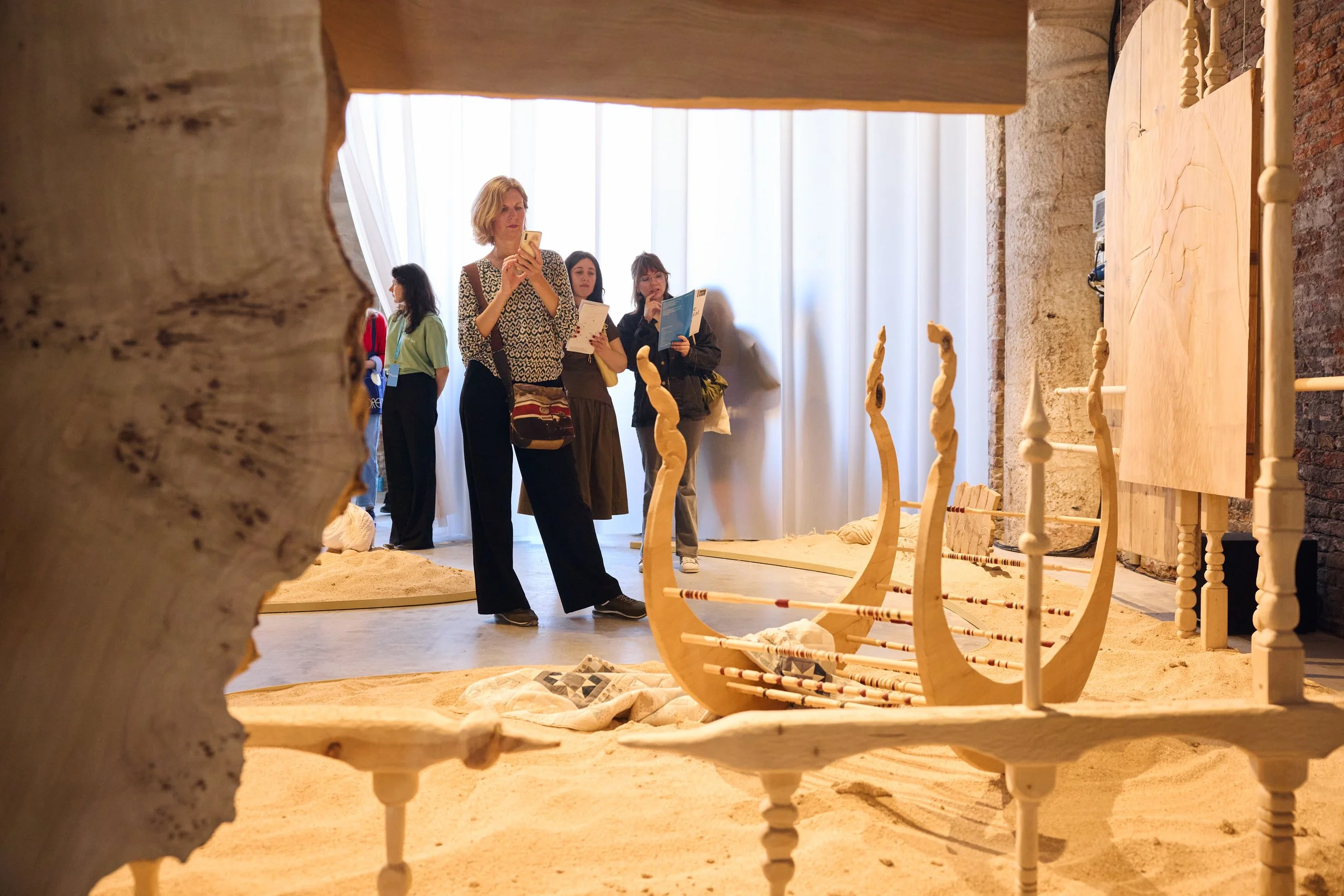
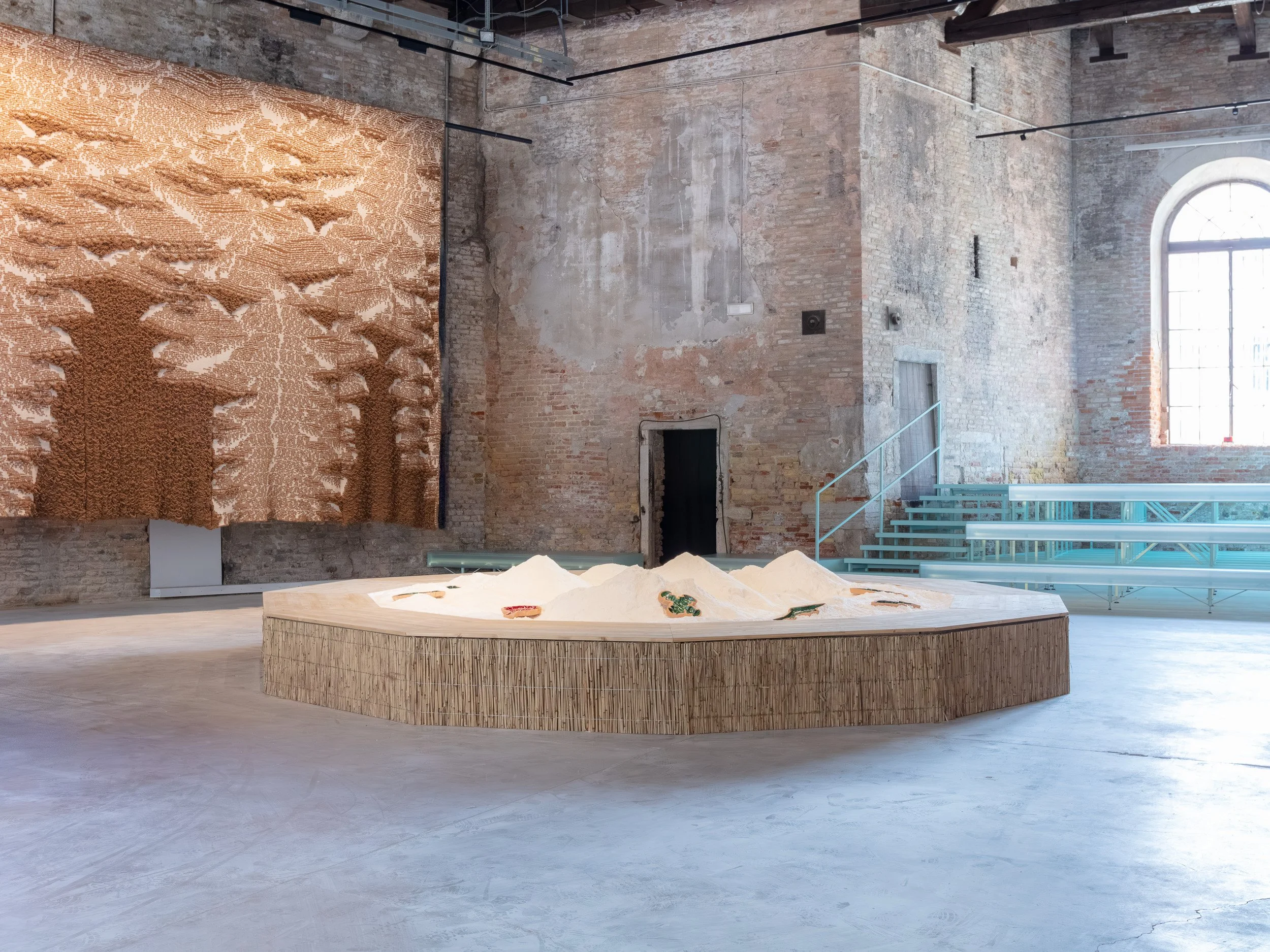
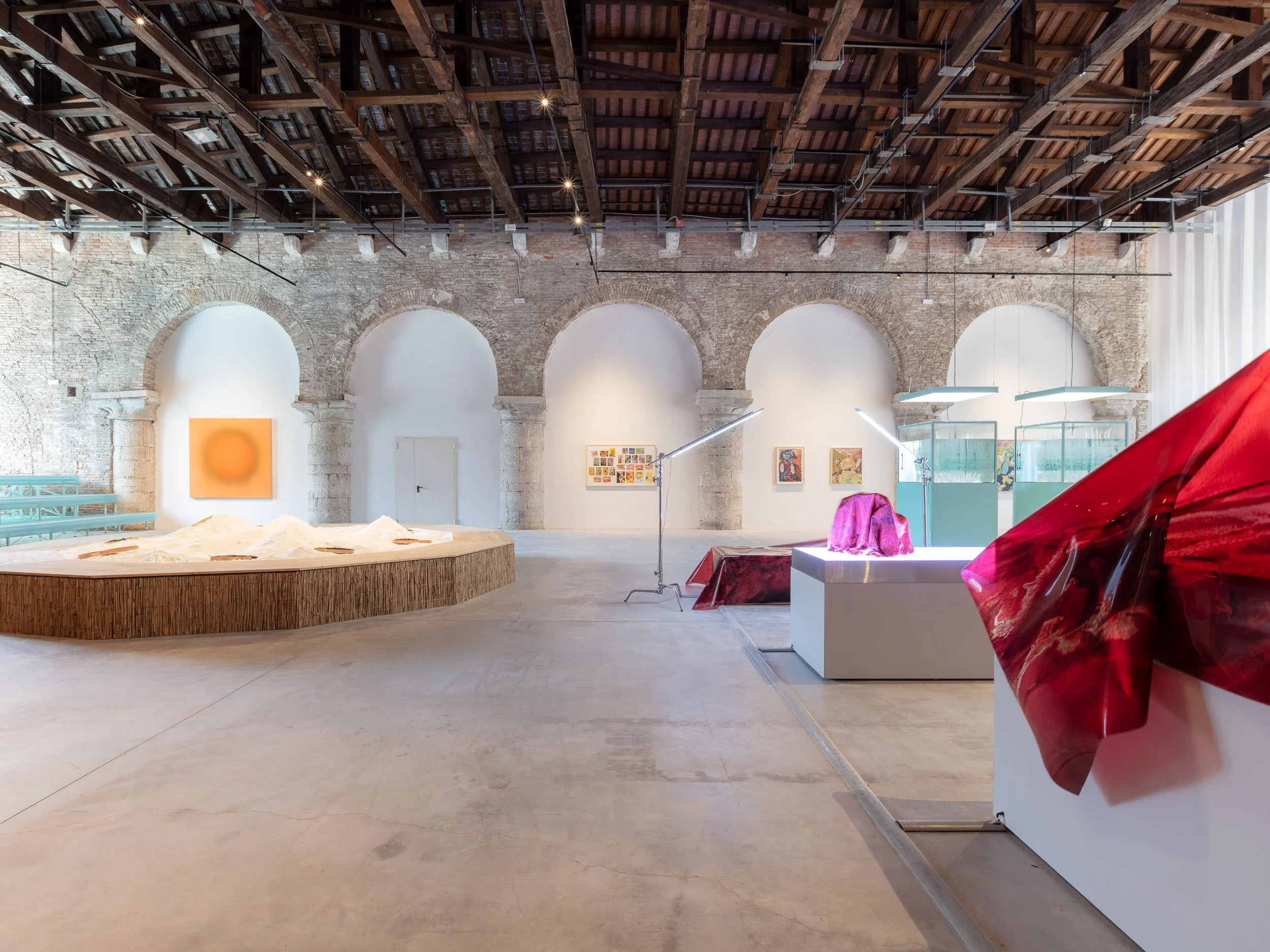
The exhibition includes sculpture, textiles, painting, sound works, and interactive installations by artists from Uzbekistan and abroad. Jahongir Bobokulov (Uzbekistan), Zi Kakhramonova (Uzbekistan), Aygul Sarsen (Karakalpakstan, Uzbekistan), Zulfiya Spowart (Uzbekistan), Xin Liu (China), A.A.Murakami (UK and Japan), and Nguyen Phuong Linh (Vietnam). Nguyen Phuong Linh’s installation Qi visualises the landscape as a breathing organism through moving sculptural elements, while Xin Liu’s biodegradable sculptures slowly decompose during the Biennale itself, reflecting on transformation and material afterlife. Karakalpak artist Aigul Sarsen reimagines the Aral Sea as a feminine mythological figure shaped by folklore and memory.
Beyond Lost Waters
Inspired by the writings of young Karakalpak author Allayar Darmenov, the pavilion treats imagination as a form of action rather than escape. A newly commissioned myth titled The Labyrinth connects the exhibition’s artworks into a shared narrative universe narrated by voices of salt, shells, wind, and the Sea Goddess herself.
Global Dialogue
Designed in collaboration with the architectural studio GRACE and young Uzbek architects, the pavilion creates a contemplative atmosphere focused on listening and reflection. As global conversations around climate change intensify, The Aural Sea positions Uzbekistan as an increasingly important voice within the international contemporary art scene while drawing attention to the future of the Aral region through culture, creativity, and collective memory.
The pavilion is open from May 9 to November 22, 2026.