Stretching across Central Asia through Kazakhstan, Uzbekistan, Turkmenistan, and into northern Iran, the Cold Winter Deserts of Turan form one of the region’s most distinctive natural zones. In Uzbekistan, they represent a vast and diverse landscape where sand dunes, river valleys, oases, and underground water systems exist side by side, shaping both ecology and human life for millennia.
Text by Sevinch Umarova
Unlike many other deserts of the world, the Turanian deserts are defined by extreme seasonality. Summers are hot and dry, with vast open landscapes shimmering under intense sun, while winters can be surprisingly cold, giving these deserts their defining “cold desert” character.
Despite their harsh conditions, the Turanian deserts are far from lifeless. They support a remarkable range of plant and animal species adapted to survive in arid environments. Among the most notable are rare and protected species such as the saiga antelope and the Bukhara deer, both of which have become symbols of conservation efforts in the region.
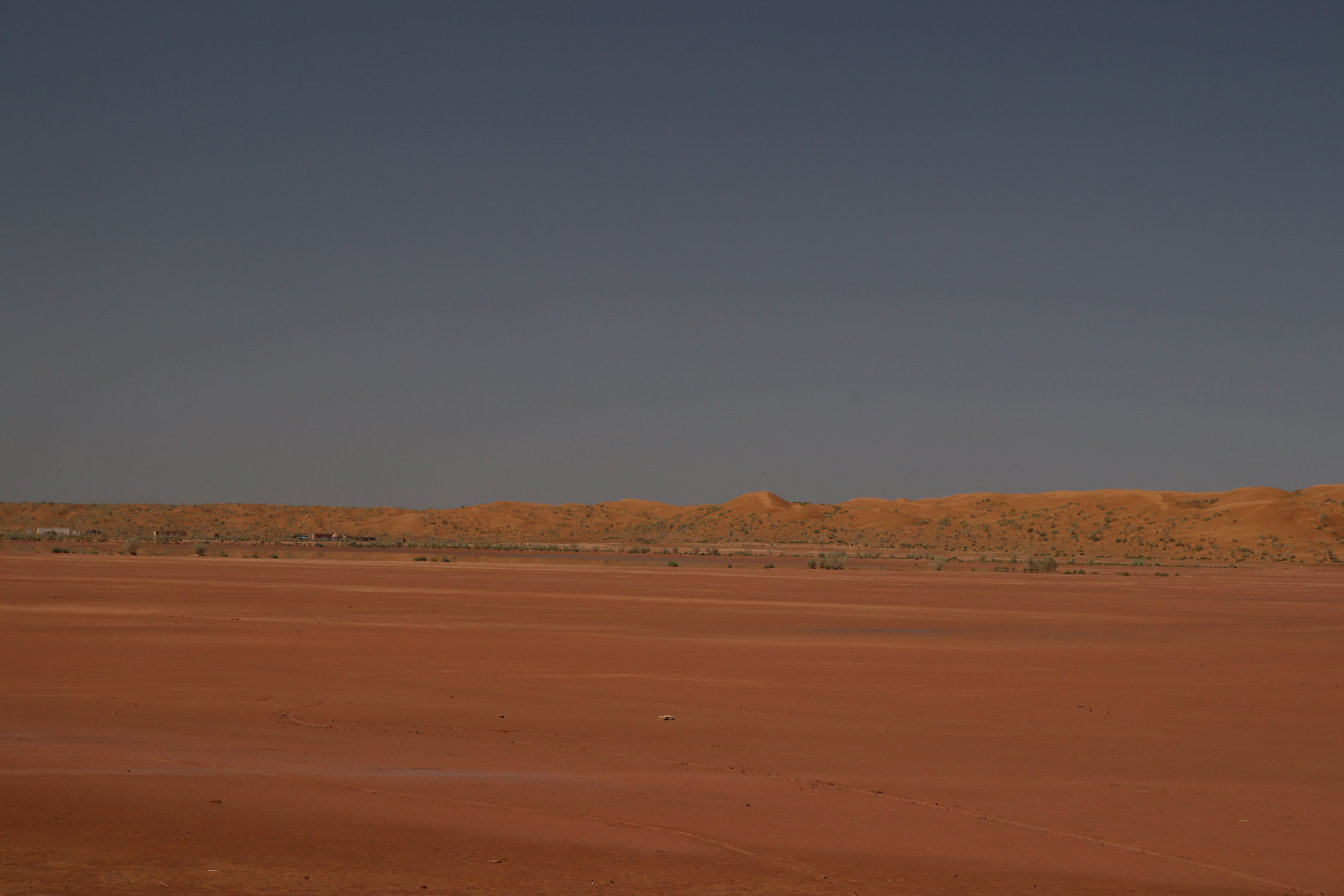
The desert ecosystem also includes hardy shrubs, seasonal grasses, and plants that thrive in saline and sandy soils. Wildlife has evolved to withstand long periods without water, making the region a key area for ecological research and biodiversity protection.
Beyond its natural richness, the Turanian desert holds deep historical and scientific significance. Scattered across its expanse are archaeological sites that preserve traces of ancient civilizations. One of the most remarkable examples is the Desert Fortresses of Ancient Khorezm in Karakalpakstan, where remnants of early settlements still rise from the sand.
At the same time, the region is a natural laboratory for studying geological processes. Wind erosion, shifting dunes, and the formation of river valleys provide insight into how desert landscapes evolve over time. These features have contributed to the growing interest in geological and eco-tourism in Uzbekistan.
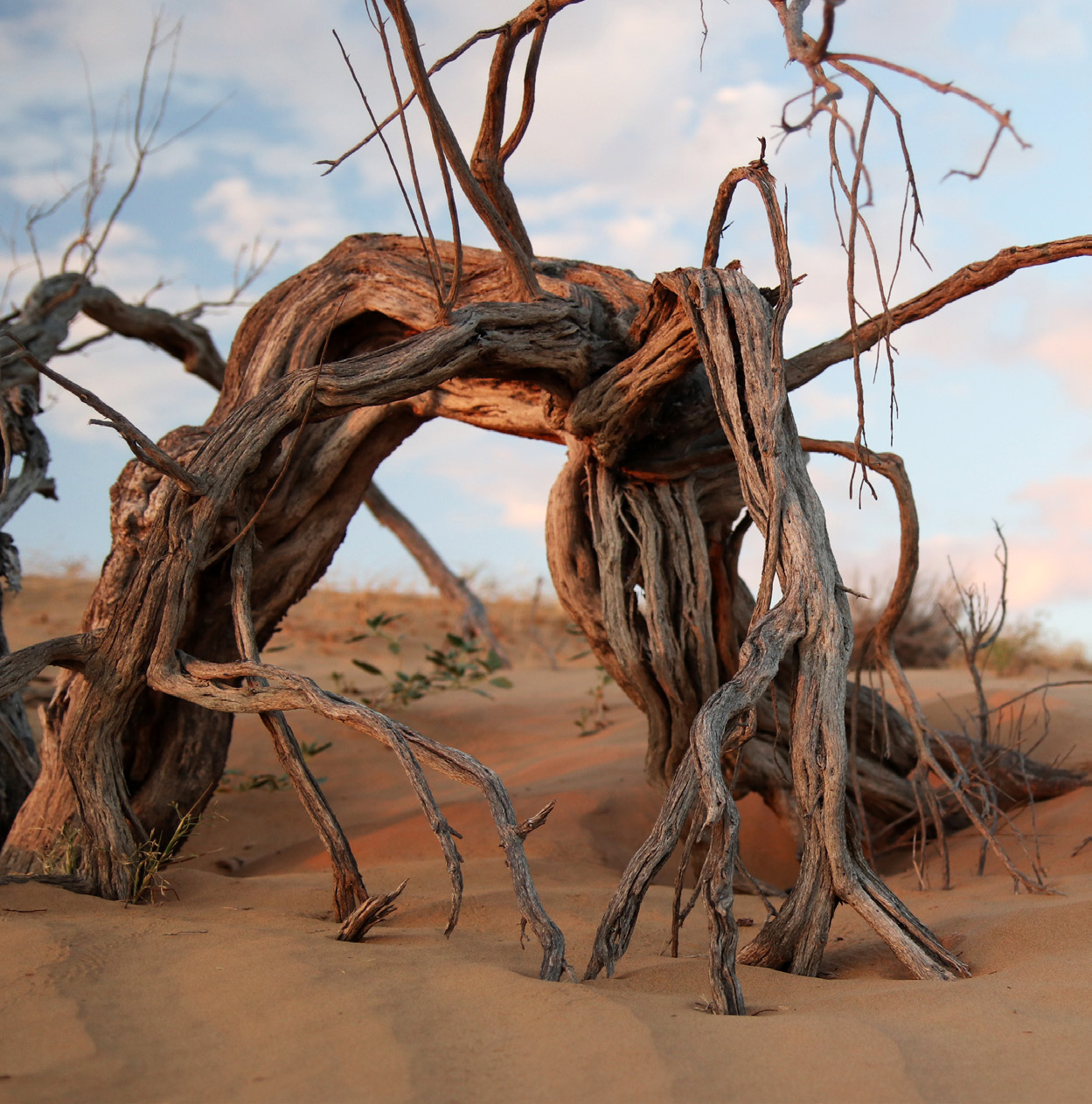
A major milestone for the region came during the 45th session of the UNESCO World Heritage Committee, held in Riyadh, Saudi Arabia, from 10–25 September 2023. During this session, the Cold Winter Deserts of Turan were inscribed on the UNESCO World Natural Heritage List.
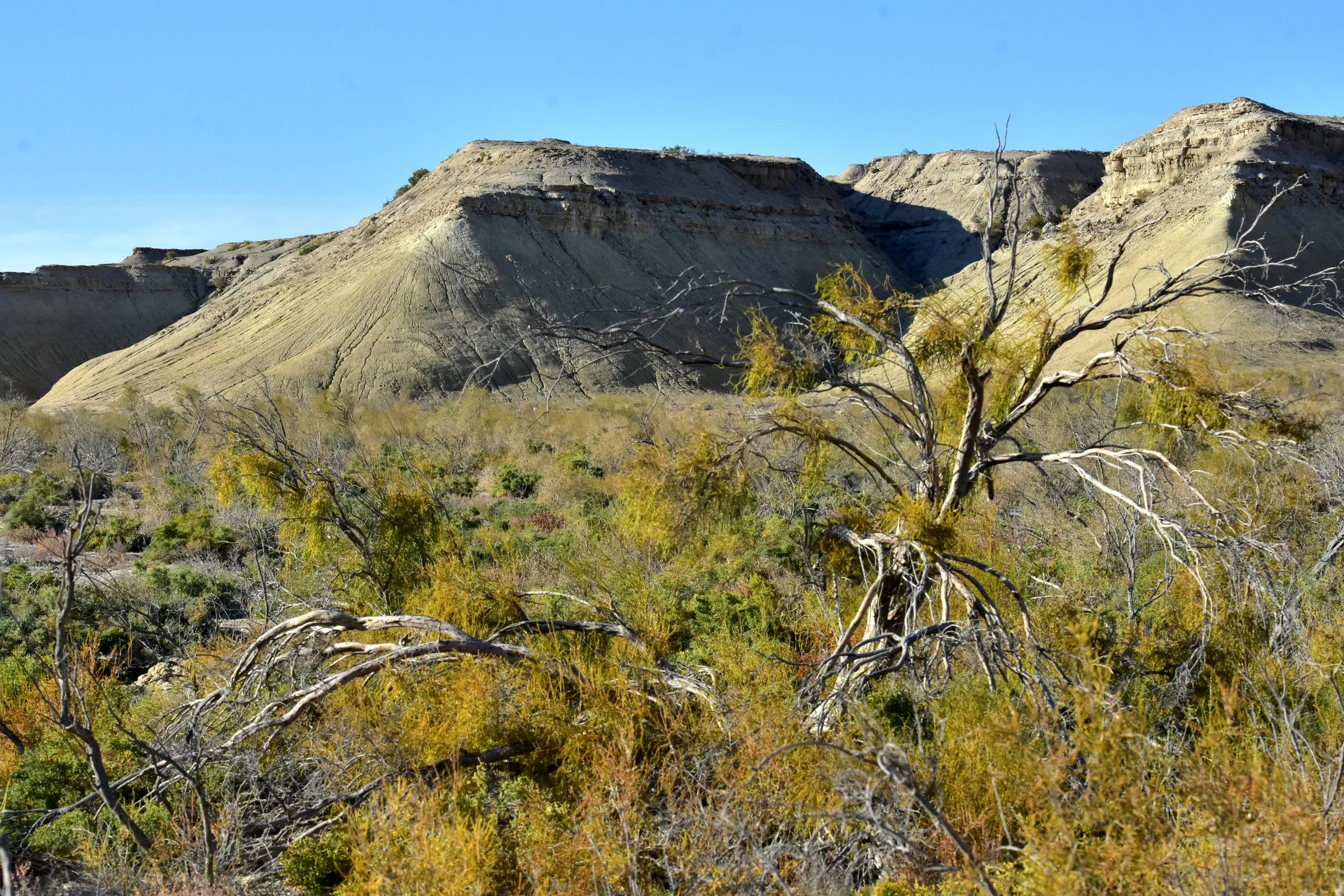
This recognition marked an important step for Uzbekistan in highlighting the global significance of its desert ecosystems. It also reflects the country’s commitment to environmental preservation and international cooperation in managing desert heritage sites.
Today, the Turanian deserts stand at the intersection of nature, history, and science. They are not empty spaces, but living landscapes shaped by wind, water, and time.