The Duppi Hat
A unique aspect of Uzbek cultural heritage, the duppi hat can reveal special details about the wearer’s culture and home. The duppi speaks in the most mysterious and beautiful way, with its intricate patterns and delicate forms.
Text by: Karomat Gaffarova
The duppi/doppa is one of the most iconic pieces of traditional Uzbek clothing. As the national headwear, the duppi carries historical and cultural significance and is considered a form of Uzbek applied art. The patterns on duppis offer significant details and special signs about the wearer’s origin and culture.
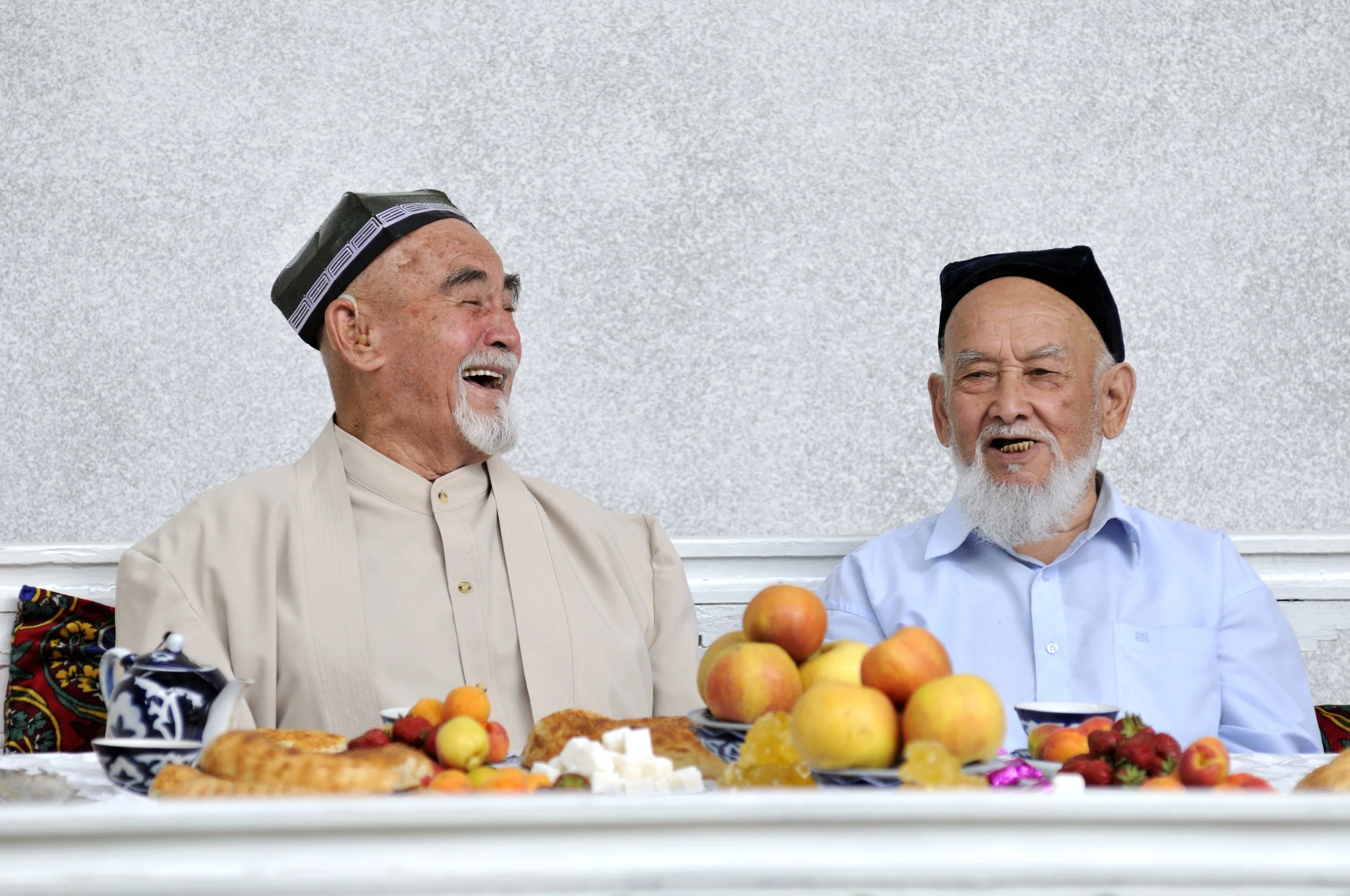
Of course, the duppi also serves a practical purpose: protection from strong sunlight during Uzbekistan’s sizzling summers. The word duppi was derived from the Turkic root tyubey, meaning ‘peak’. The hat’s skullcap-style form recalls the vast sky, the dome of a mosque, or even the rounded roofs of ancient bazaars, which you can still see in cities like Bukhara today.
The history of the doppa hat goes back thousands of years. Terracotta statuettes representing Turkic warrior-riders found at Afrosiyob (the ancient city of Samarkand, 6th-7th centuries) have headdresses in the form of round caps with geometric ornaments of half-rings with convex circles inside.
There is also a female statuette from Afrosiyob wearing a round cap that has pendants falling on her forehead. In Samarkand, the Turkic word ‘kapok’ (cap) still refers to a skullcap. Many different styles of duppi are worn across Central Asia. They can be cone-shaped and hemispherical, square or flat. Their forms, pattern peculiarities, embroidery colours and purposes differ according to the ethnic and territorial areas where the caps are worn. Traditional tyubeteikas consist of four parts, each representing four periods of human life: childhood, adolescence, youth and old age.
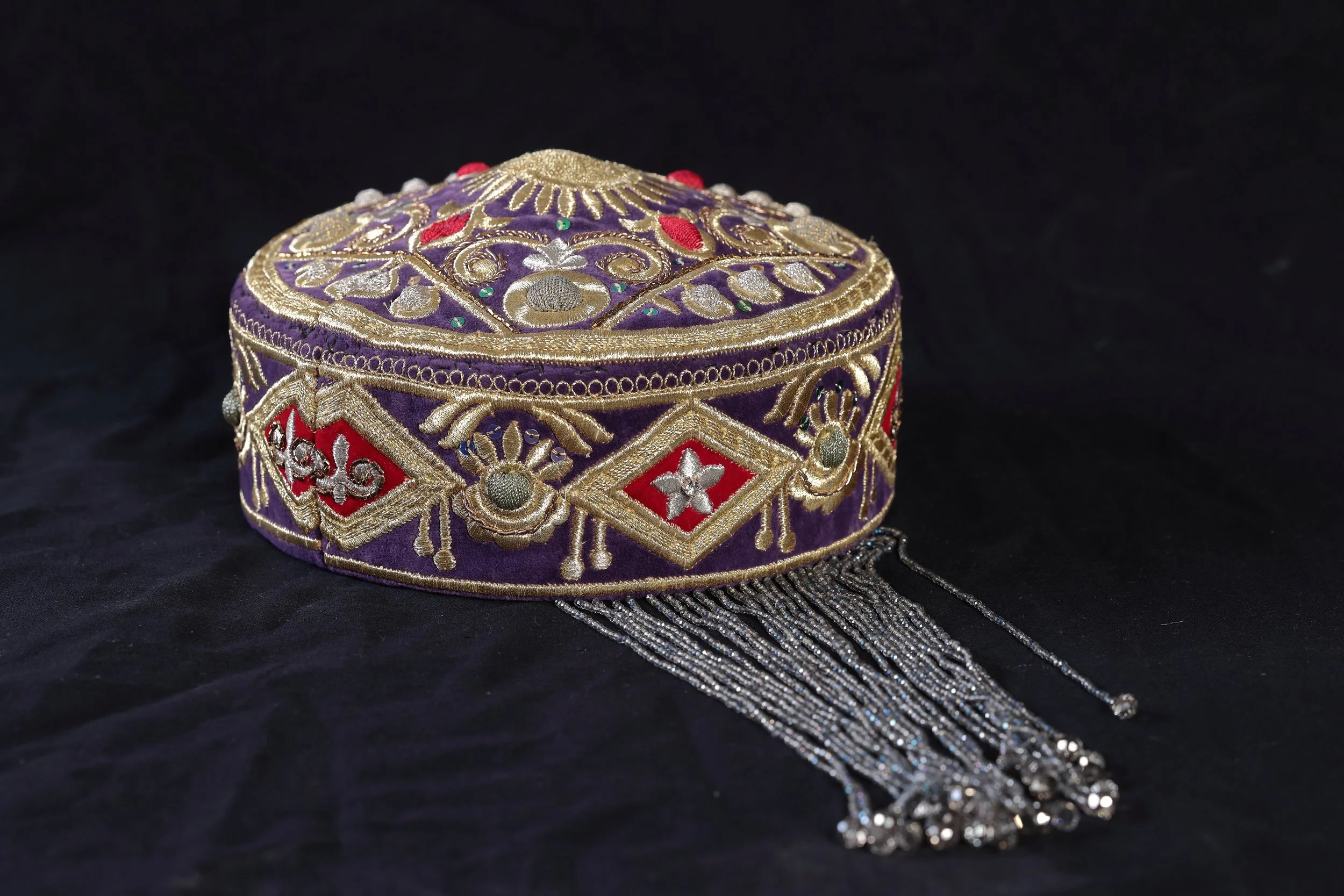
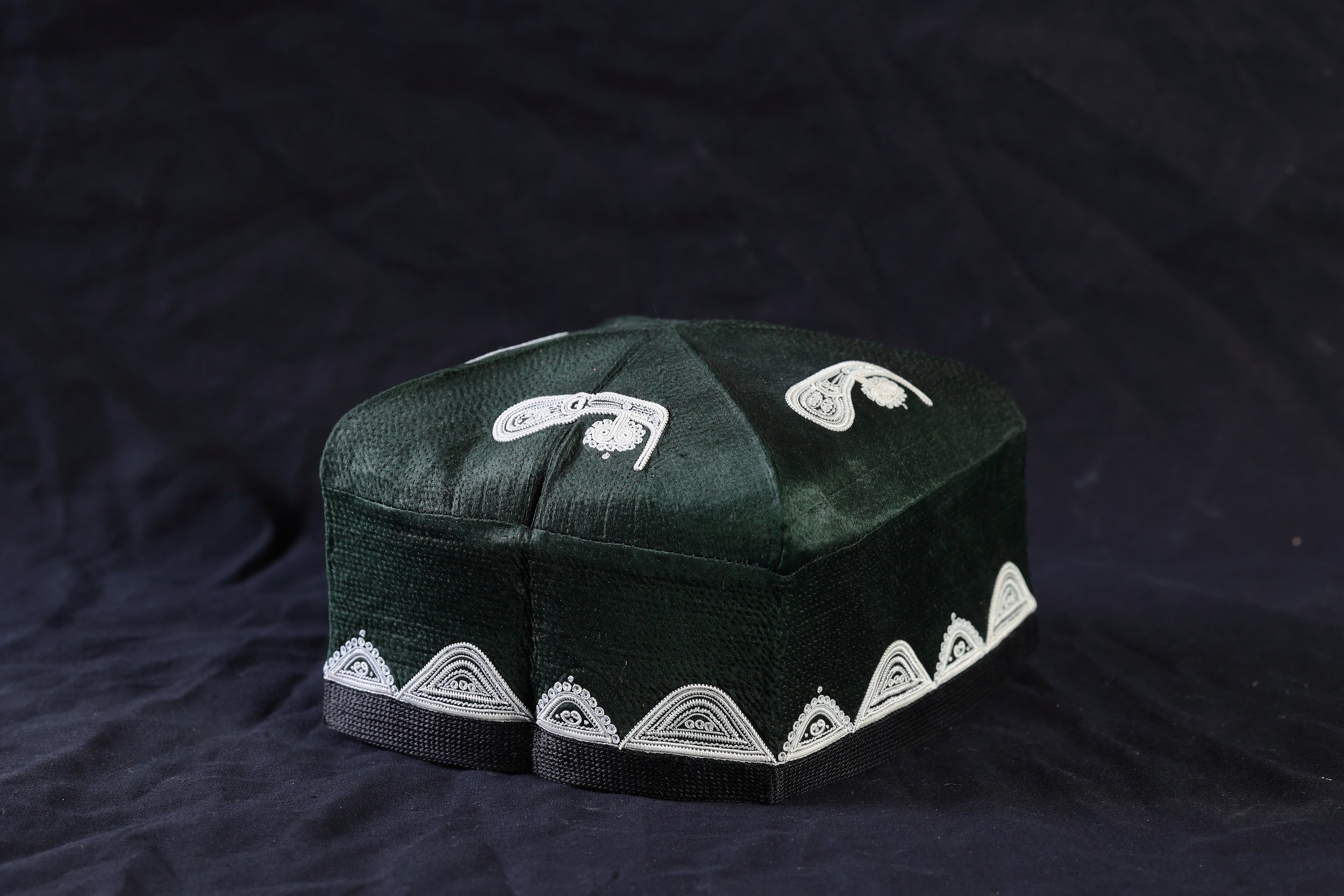
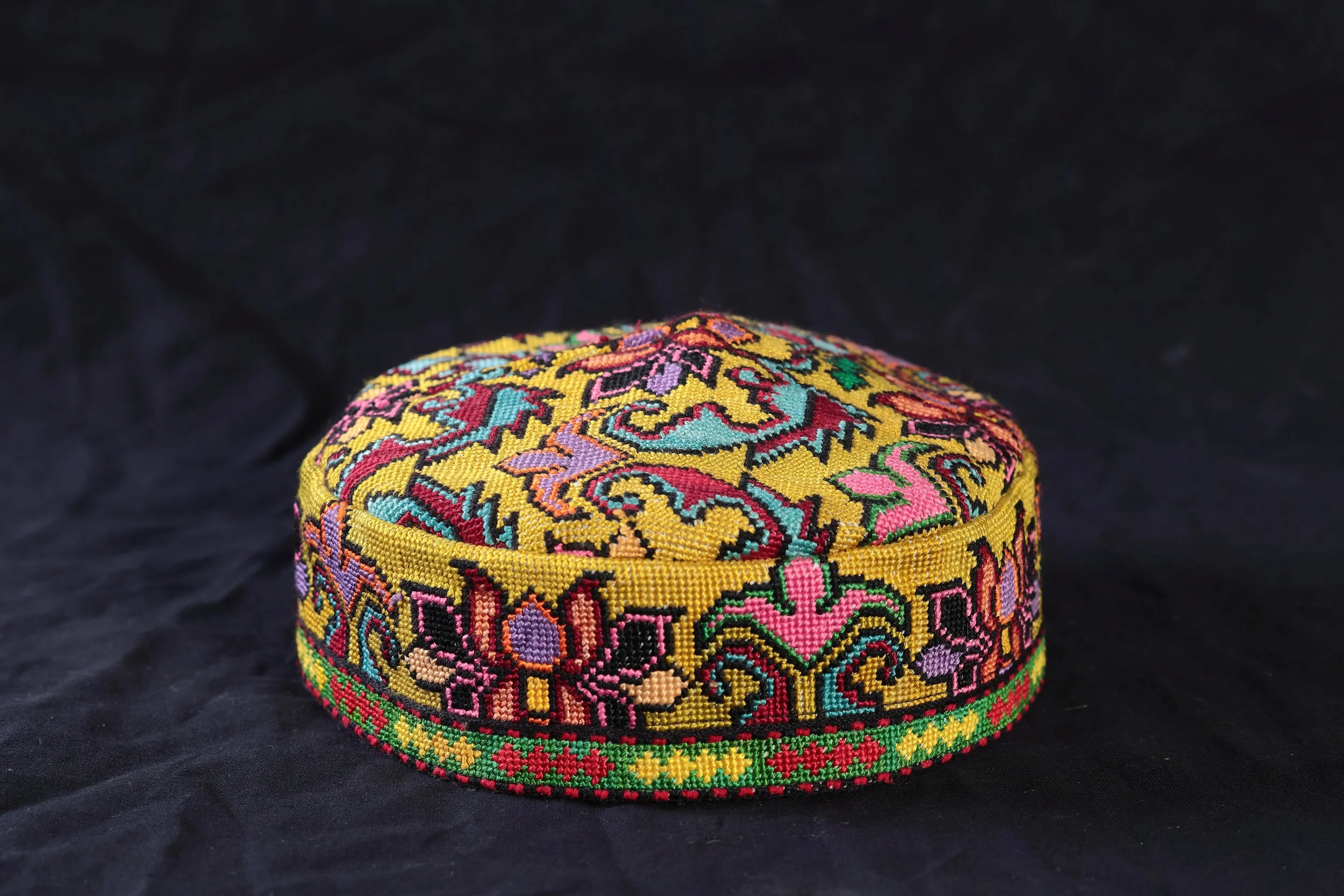
According to tradition, anyone can wear a duppi, no matter their age or gender. The process to craft a duppi is extensive. Experienced craftsmen use a variety of duppi sewing styles, including bosma (or ‘suzan’), kandahar, khomduzi, yurma, hiroki and piltaduzi. The ornamentation and design features are often symbols that serve as talismans against evil spirits or the evil eye, while others bring wealth, luck and prosperity. The colour of the hat also has a special meaning: green symbolises immortality; red means courage, blue indicates good luck.
Colours also change depending on the gender of the wearer; for men, they tend to come in two or three shades, while women’s duppis are characterised by a bright, multi-colour palette.
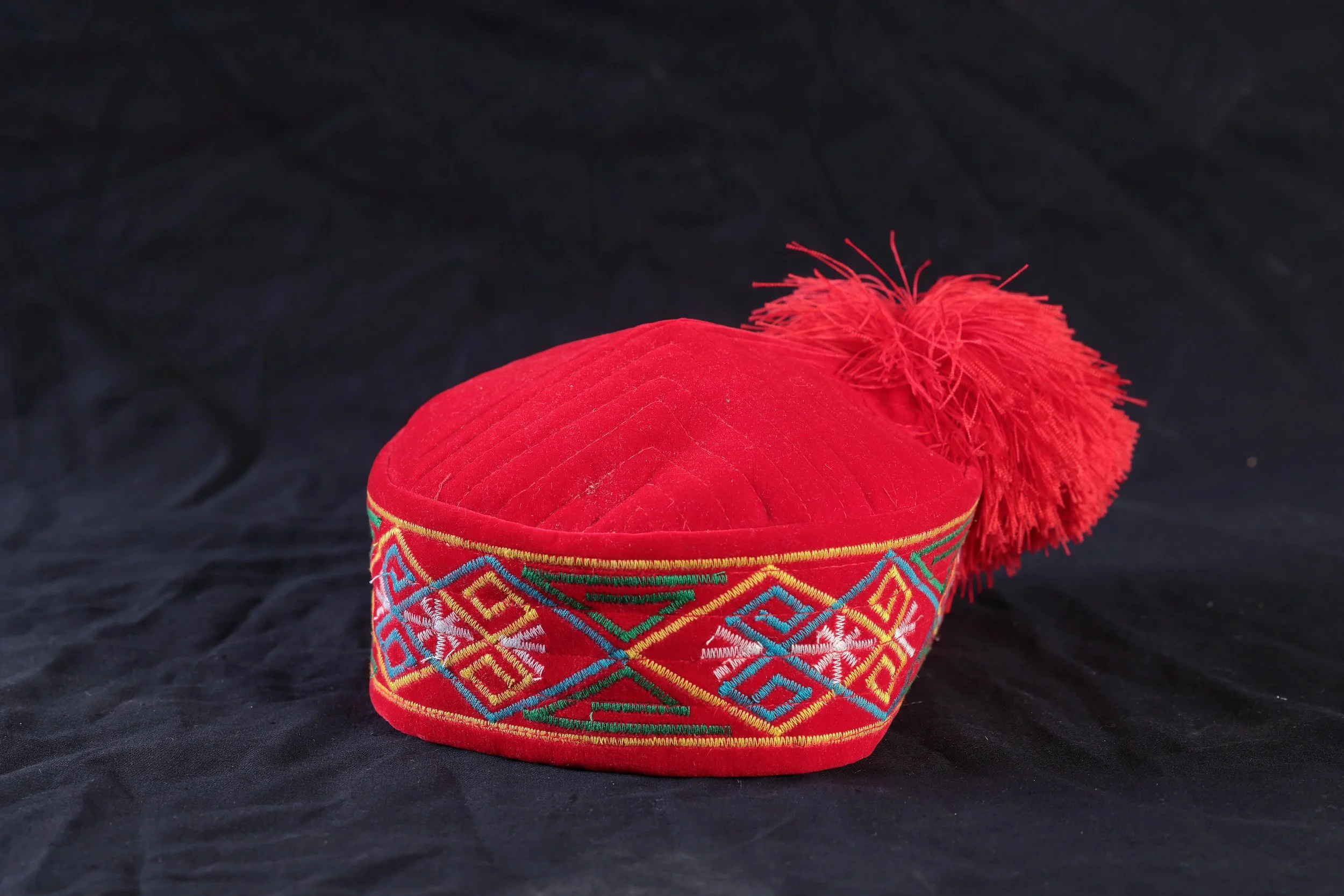
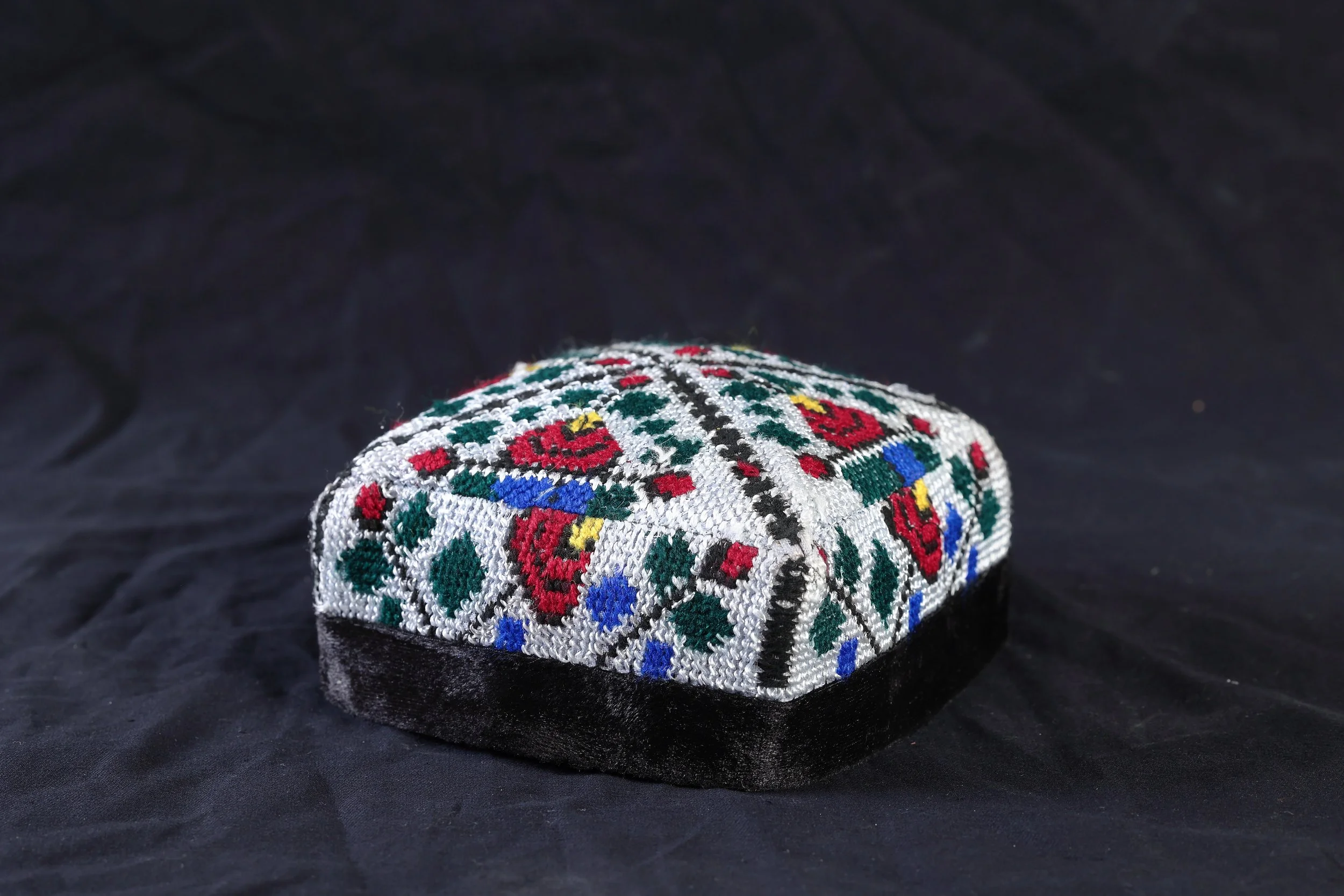
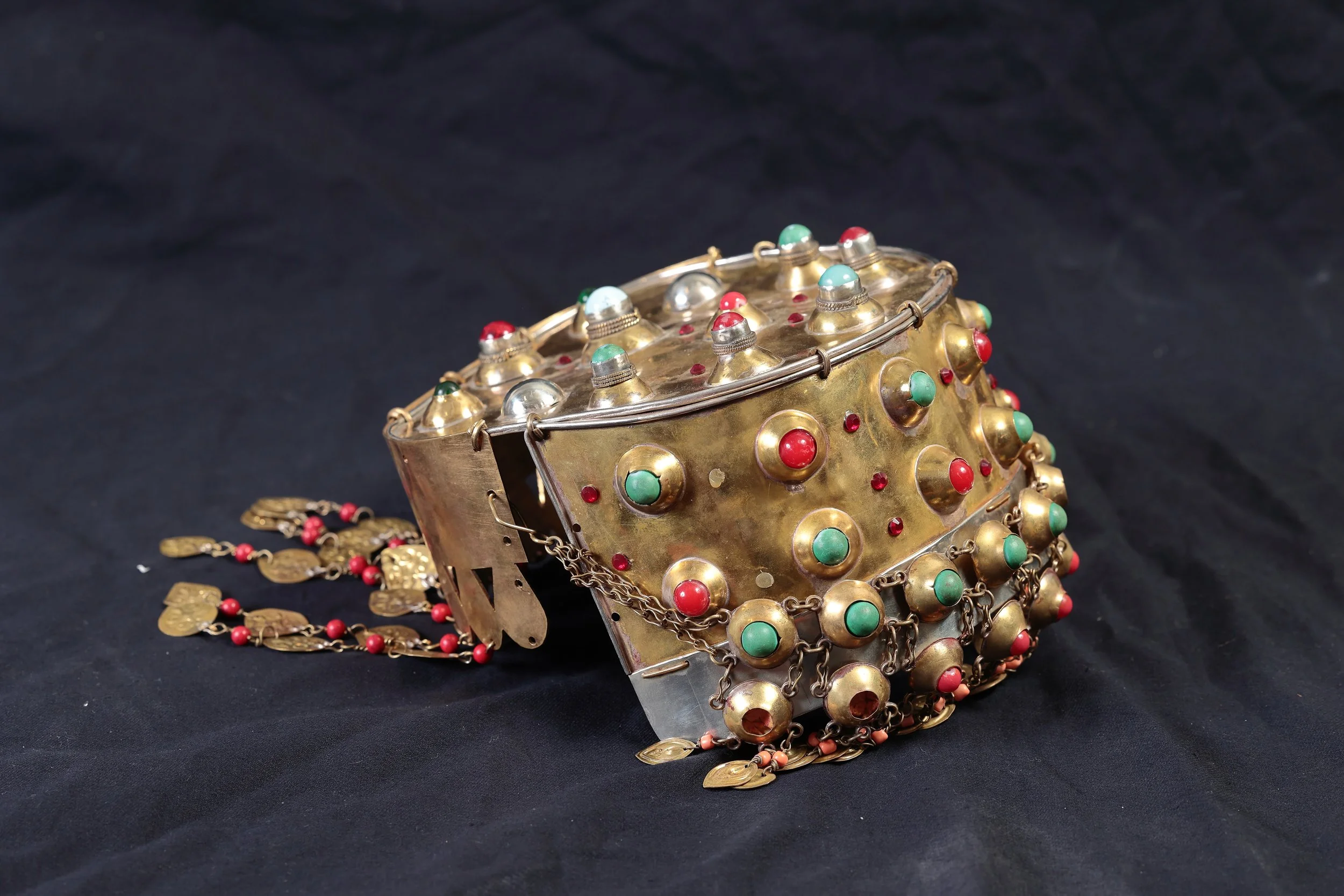
Duppi styles vary widely across the different regions of Uzbekistan.
• Bukhara – A braided embroidery pattern using golden and silver threads to denote the high status of the owner.
• Andijan – Women’s duppis are embroidered in a dense, white cross stitch, often depicting fruits and symbols.
• Tashkent – Women’s duppis are patterned with brightly feathered birds that protect against the evil eye. They are made of maroon, dark green or dark blue material and embroidered with lighter-colour threads.
• Chust, Fergana Valley – The most famous duppi is the Chust skullcap, worn by men from the town of Chust in the Fergana Valley. Local artisans have been practising this craft for centuries and passing it down from generation to generation. The Chust skullcap is simple and modest and at the same time decorative. It is most often square and differentiated by delicate embroidery of white silk on a black background. The top is embroidered with four flowers which, according to legend, guard the wearer’s health. Other ornaments include kalampur (peppers) – a symbol of life, family happiness and protection from the evil eye.