Visit Zaamin
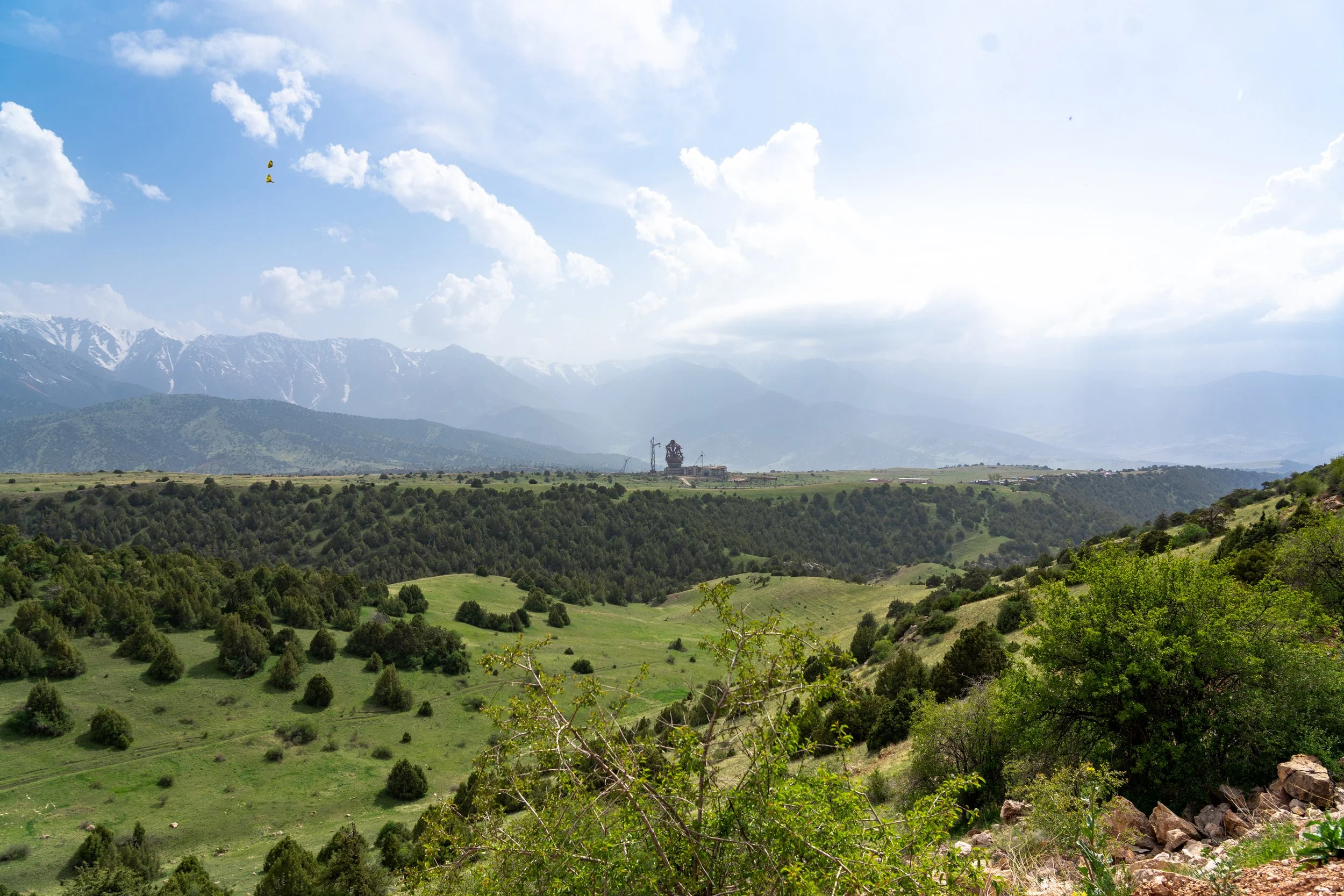
It’s been called Uzbekistan’s Switzerland. Set in the mountains of the Jizzakh region at 2000m, Zaamin is an area of stunning scenery, unforgettable food, pure mountain air and ancient sites. And it’s all just four hours’ drive from Tashkent. Here are the top five reasons why everyone should visit Zaamin at least once.
Text by: Aisha Parpieva
Breathtaking nature
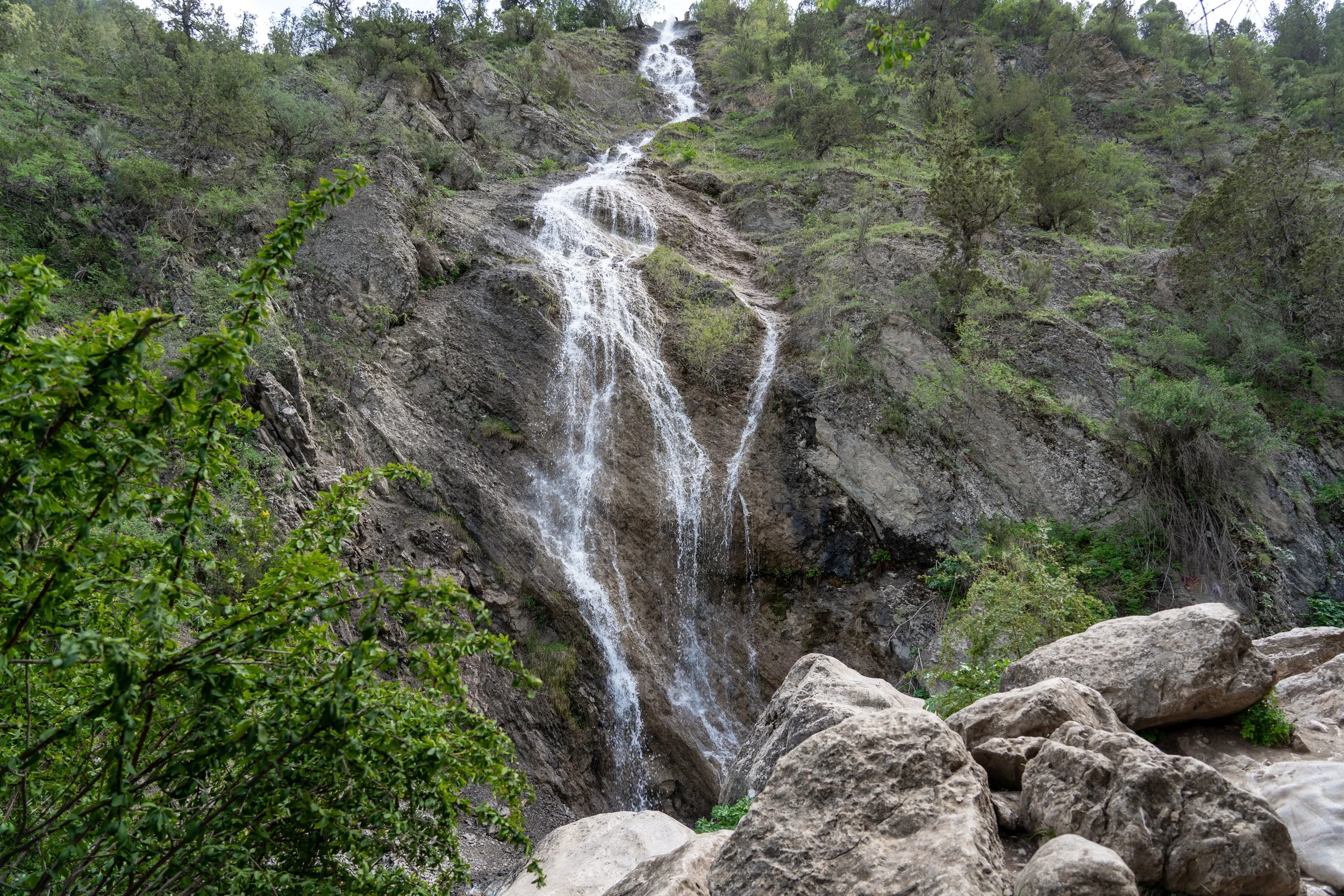
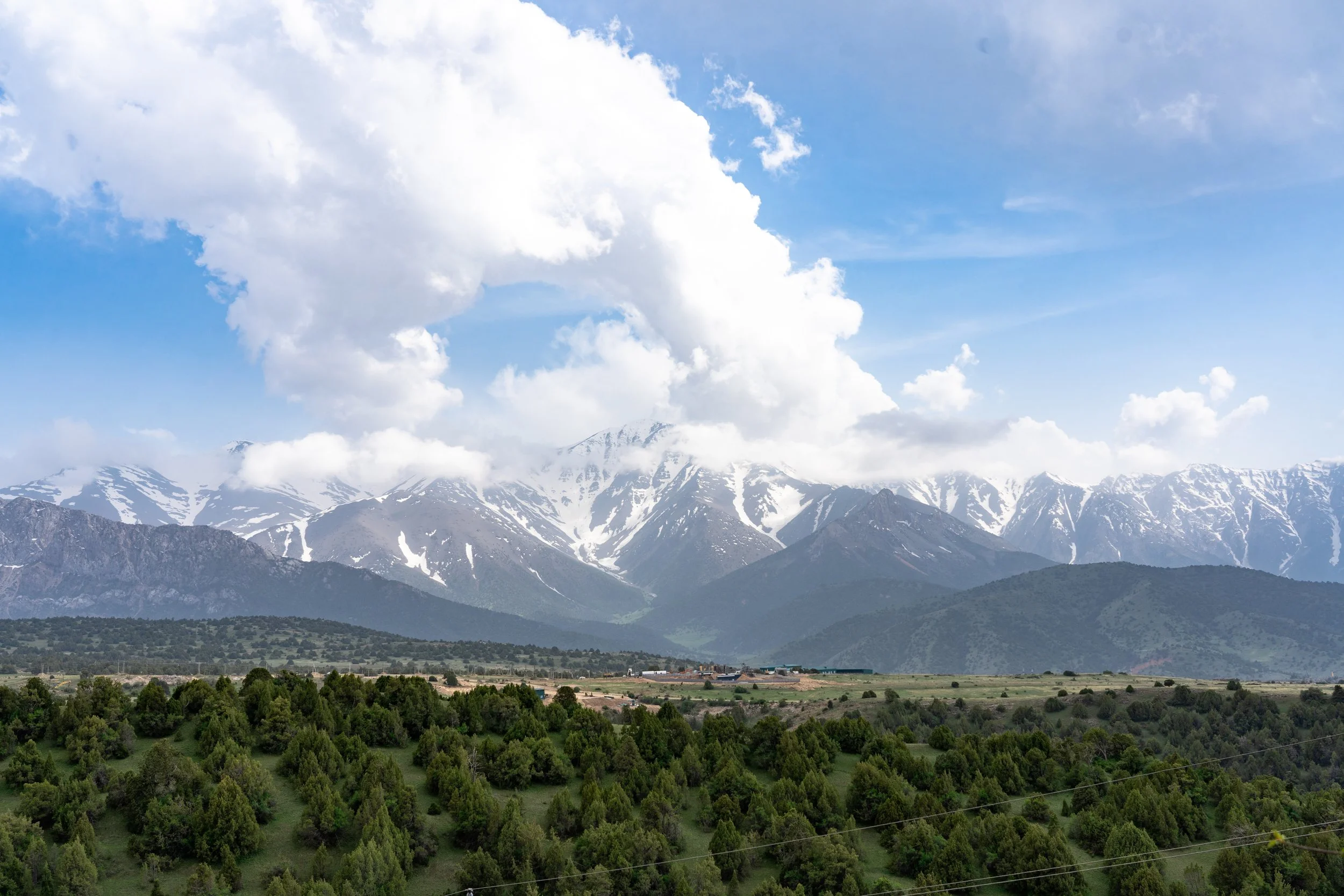
For those looking to escape the hectic city for a while, a trip to Zaamin offers peace and quiet, and it is surprisingly easy to disconnect here. The mountains – adorned with myriad medicinal herbs and coniferous trees – have both the purest air and also the most peaceful and gorgeous landscapes in the region. In Zaamin, you cannot help but feel the sublimity of nature and surrounding beauty. More than 800 species of plants grow in the mountains here. Fauna, too, are abundant, including rare birds such as wood dove, bunting, turtledove, juniper grosbeak and black stork; and animals, including the Turkestan lynx, the Central Asian ibex and the white-clawed bear. The versatile flora and fauna of Zaamin are its major drawcards.
Ancient pilgrimage sites
The Zaamin region is dotted of meditation caves and shrines, enveloped in legends and full of fables. The Parpi Oyim shrine in Uvol village is connected to Parpi, a holy woman in the ancient Turkic image of the Umayyad mother, who guards young women and children from evil spirits and brings virtue. People who are having trouble conceiving children visit this shrine, taking away some stones and returning them after a child is born.
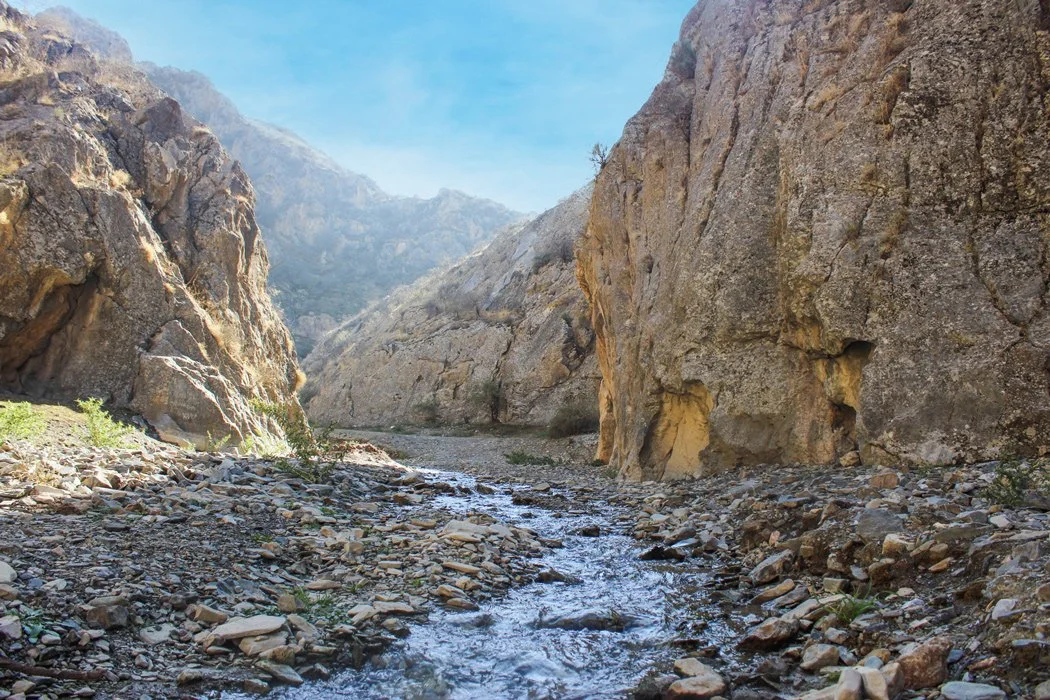
Other sacred sites include the Peshagor Cave in the western part of the Turkestan Ridge, the Gorbobo Shrine in the village of Kultepa, and the Khoja Kondalang shrine in the village of Kuchchibolgali. These have become places of pilgrimage for the wounded, childless and those suffering from various ailments.
Deep history
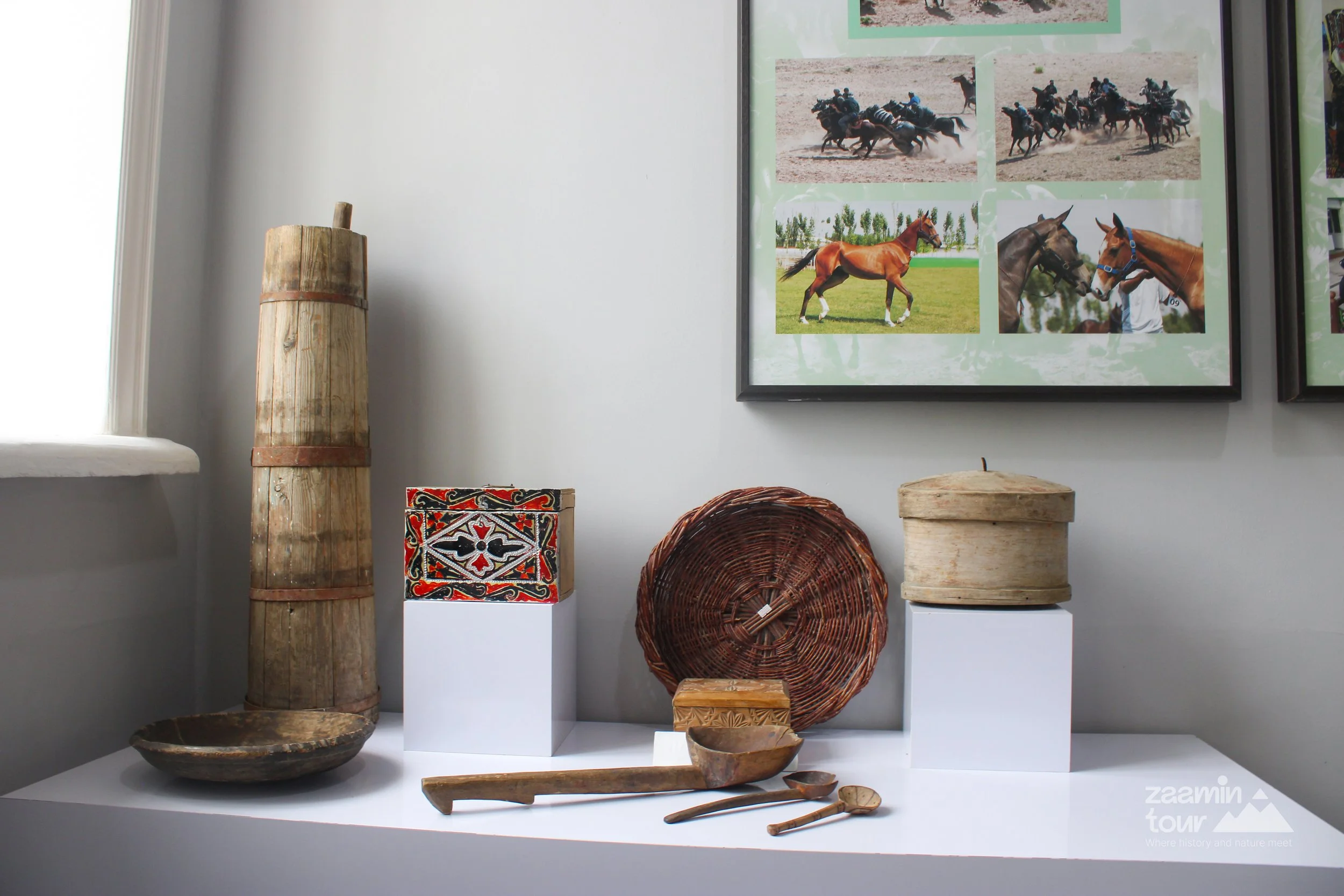
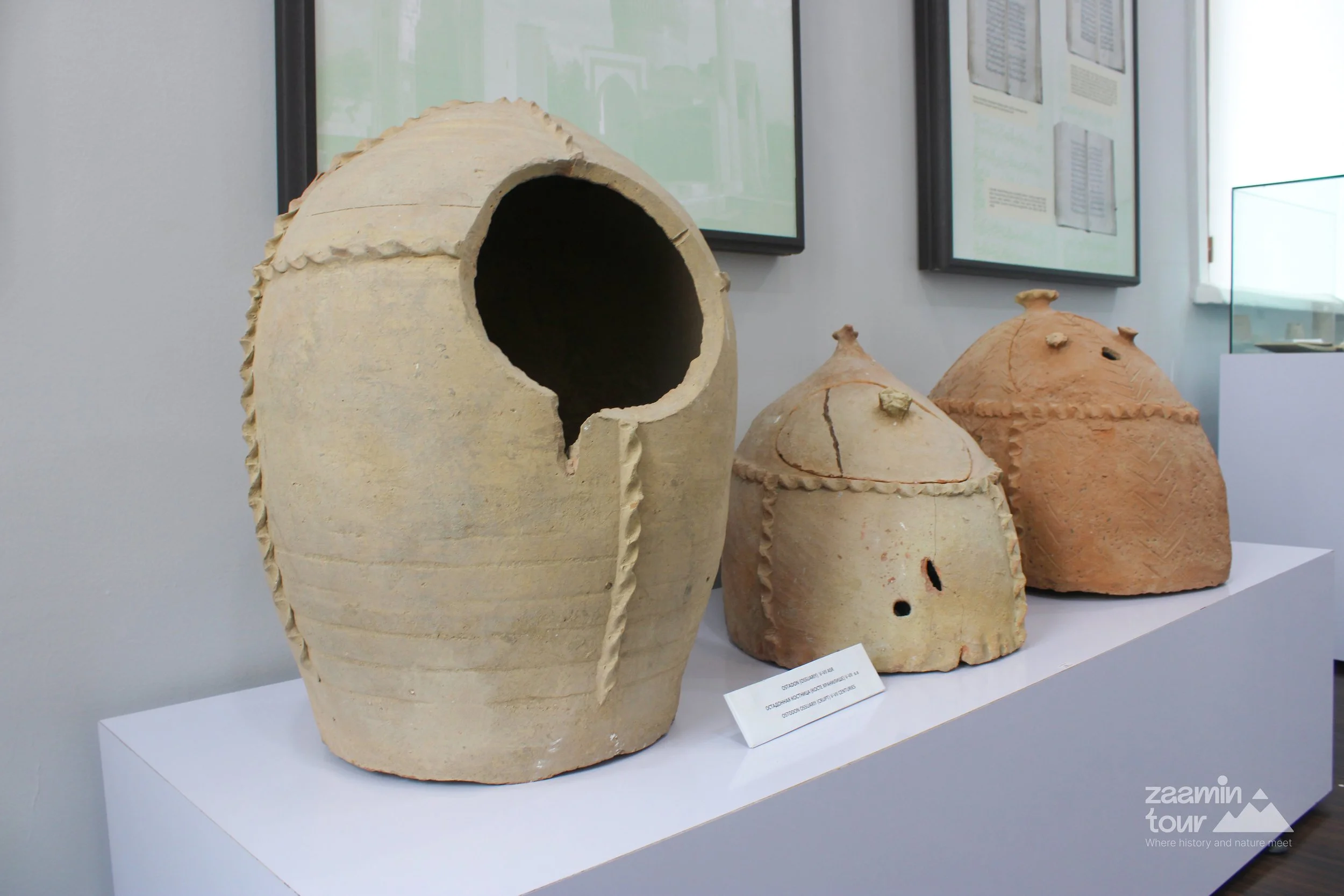
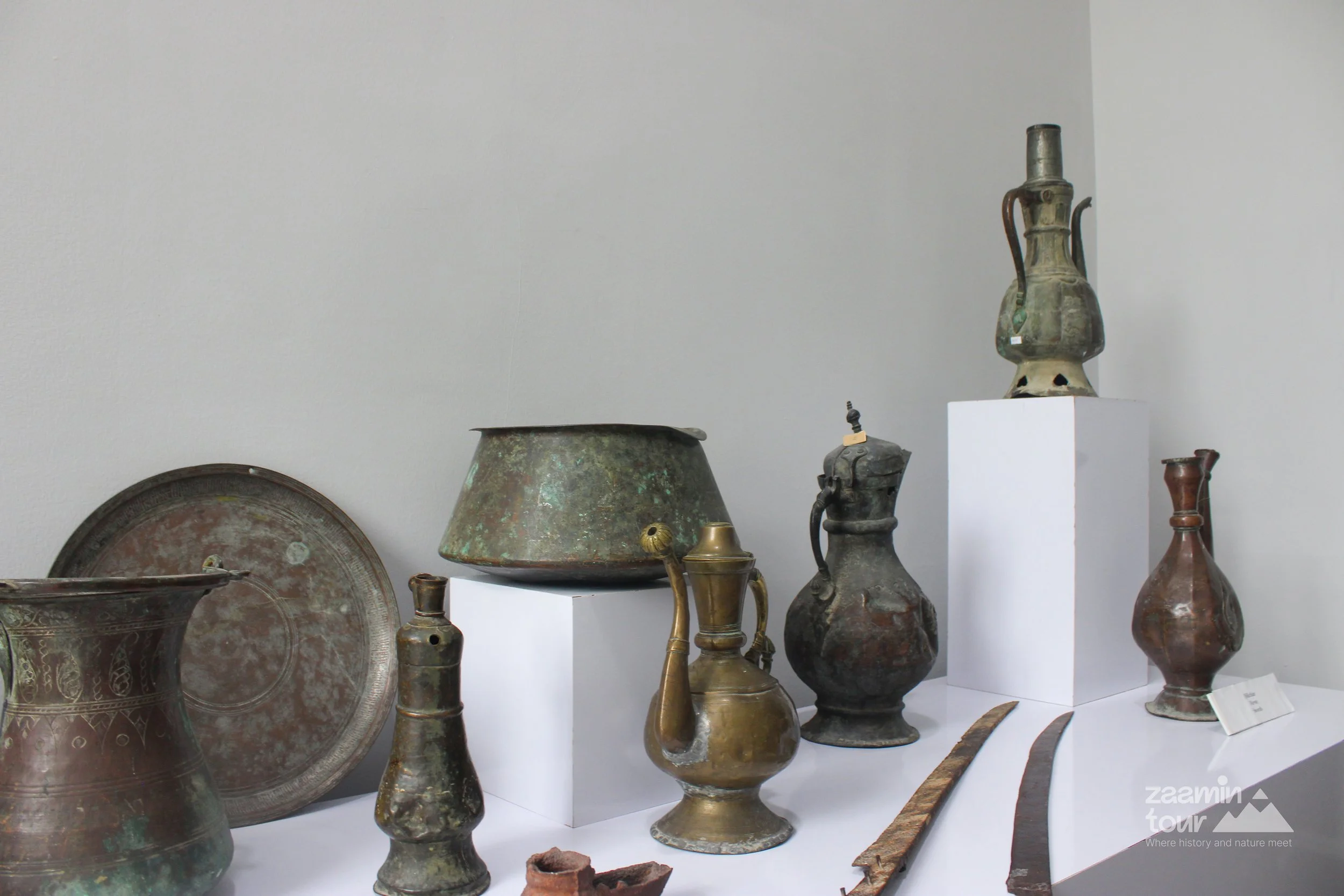
Zaamin is famous for its ancient monuments, deep caves, gorges with dinosaur footprints and numerous other historical landmarks. The Zaamin Ethnographic Museum is a good place to get a feel for traditional life in the area during the 17th–18th centuries. Collections include ceramic products, coins, jewellery, household utensils and traditional clothing.
The 15th century, restored Cathedral Mosque Marifatli is another historical highlight of Zaamin. One of the 10 largest mosques in Uzbekistan, it can accommodate up to 6000 people. A 1000-year-old mulberry tree stands on the perimeter.
Recreation
Zaamin is home to a national park and sanatorium perfect for recreational activities. The Zaamin Mountains have been put forward as a candidate for the Unesco World Heritage List of natural sites, and the area is ideal for ecotourism. Located at an altitude of 2000m, the sanatorium is a place where visitors can breathe pure, mountain air and enjoy spectacular views of peaks and valleys.
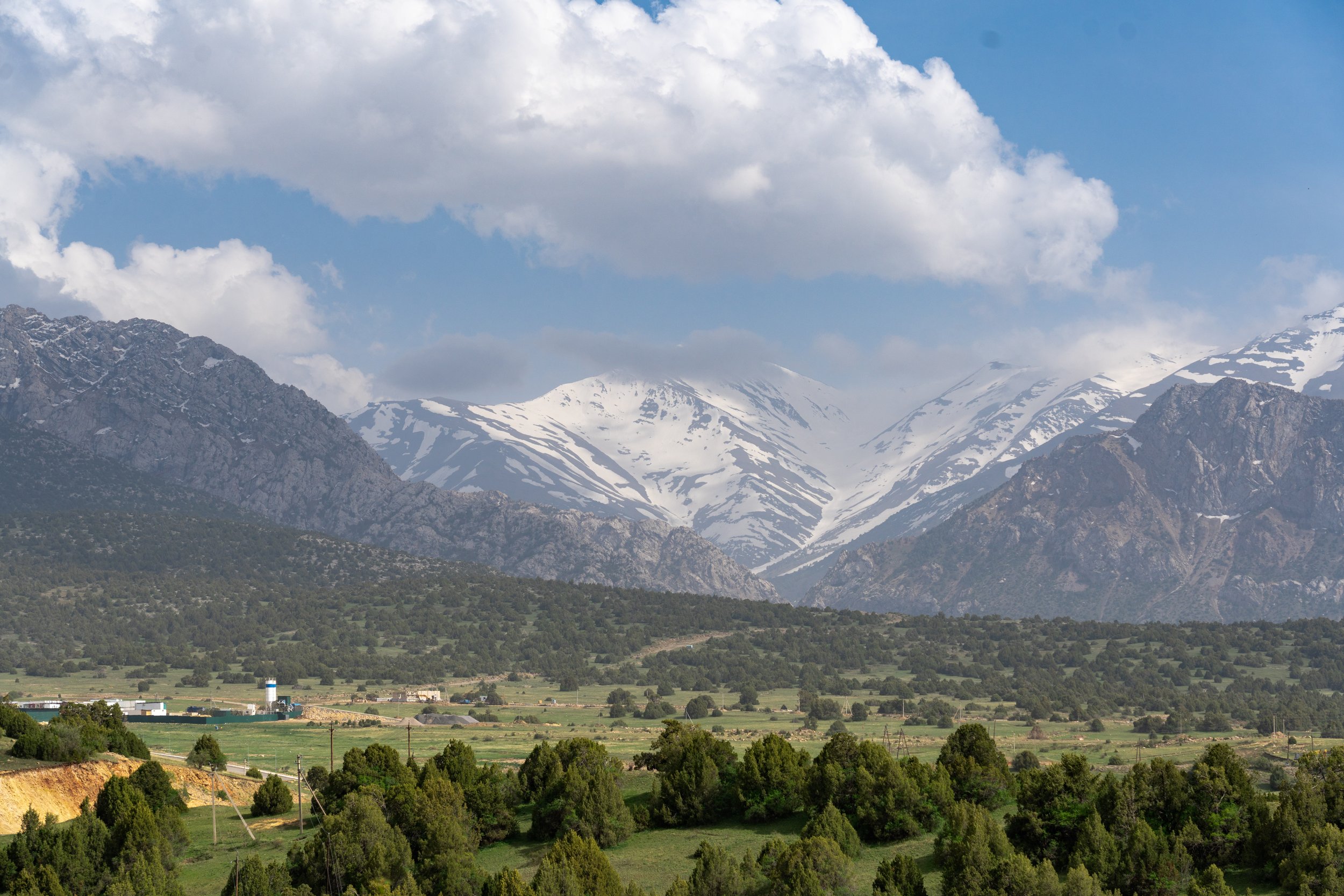
The nature reserve is especially beautiful in spring and autumn when the scent of fresh herbs fills the air and the flowers and trees are adorned in the brightest of seasonal colours. The weather is also at its mildest and freshest during these months.
Exquisite cuisine
Chicken-filled samsa pastries, fried sheep-tail fat, kebabs: meat is the hallmark of Zaamin’s gastronomy. The kebab –meat roasted over a flame – has been enjoyed by nomads for centuries. Traditionally, meat is seasoned with juniper and cooked in a tandoor oven. The piquant and exotic flavour transports you to the mountains wherever you eat it. Almost every region of Uzbekistan has its own type of samsa. In Jizzakh, samsa are much bigger than other samsa types, but the cooking method is the same. Fried sheep-tail fat (kurdyuk) is popular all over Uzbekistan, but this dish is most traditionally associated with the Jizzakh region and it always tastes best in the rustic mountain surroundings where the sheep are raised.
Adventure, relaxation, spiritual enrichment, spa treatments and culinary delights – it’s all waiting in magical Zaamin. Book a trip and make your own list of reasons to come here back again and again.