What comes to mind when you hear the name Karakalpakstan? For most people, the answer is obvious: the Aral Sea.
But what if we told you that this is also a place where you can watch thousands of pink flamingos, greet the sunrise on the shores of a lake locals call the "Lake of Wealth," spend the night in a yurt beneath a sky full of stars, wander through landscapes that resemble Mars, and discover ancient legends brought to life?
Karakalpakstan is unlike any other region in Central Asia. The farther you venture beyond the familiar tourist routes, the more you realize that the true wealth of this land lies in its people, its nature, and the stories passed down from one generation to the next.
Text by: Aziza Uzakbergenova
Photos by: Feruz Rustamov
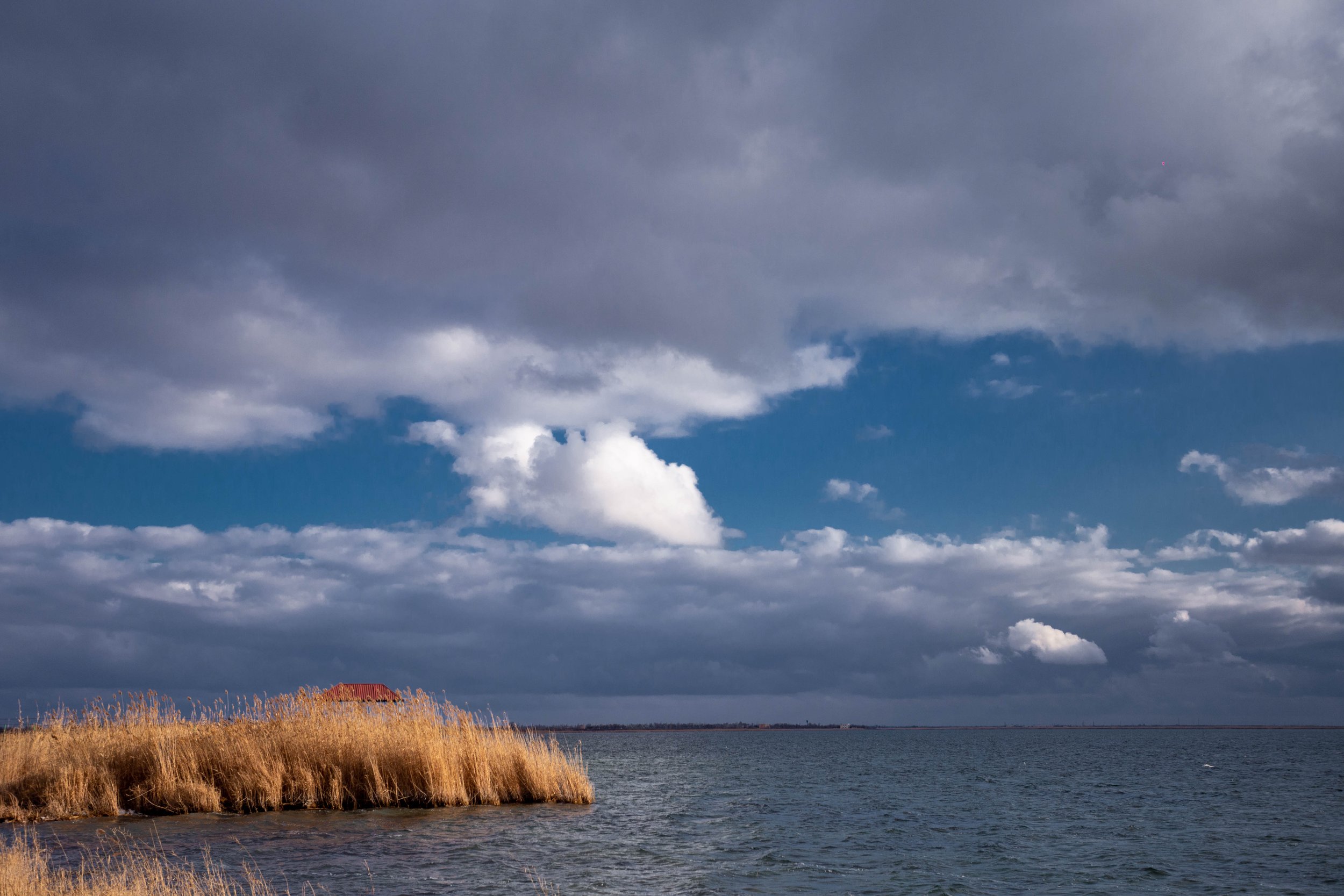
Even the region's name reflects the heritage of its people. In Turkic languages, qara means "black," while qalpaq means "headgear" or "hat." Together, they formed the word Karakalpak—"the people in black hats"—and later Karakalpakstan, the land of the Karakalpaks.
Join us on a journey through Karakalpakstan and discover a land where nature, history, and culture come together in one unforgettable adventure.
Nature
Few people expect to encounter thousands of pink flamingos amid the arid landscapes of Central Asia. Yet this is exactly the kind of surprise Karakalpakstan has in store for its visitors.
In the lower reaches of the Amu Darya, surrounded by vast steppes and desert plains, lies the Sudochye lake system — a remarkable wetland oasis that serves as both a sanctuary and a resting place for hundreds of species of migratory birds. Every spring, the landscape comes alive as the lakes fill with activity and the sky becomes a breathtaking spectacle of soaring flocks. The stars of this natural performance are the pink flamingos, whose graceful silhouettes are reflected in the mirror-like waters, painting the landscape in delicate shades of pink.

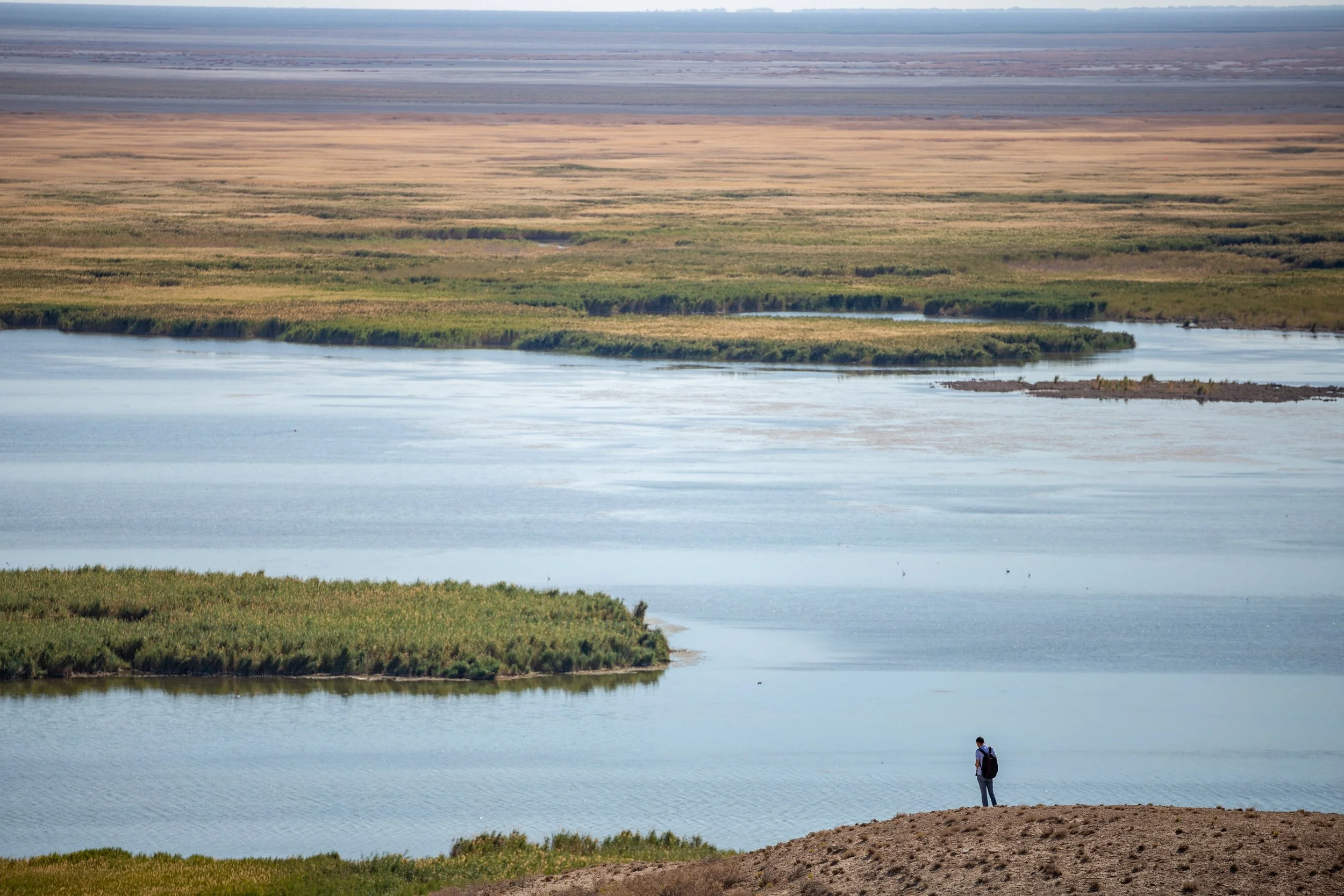
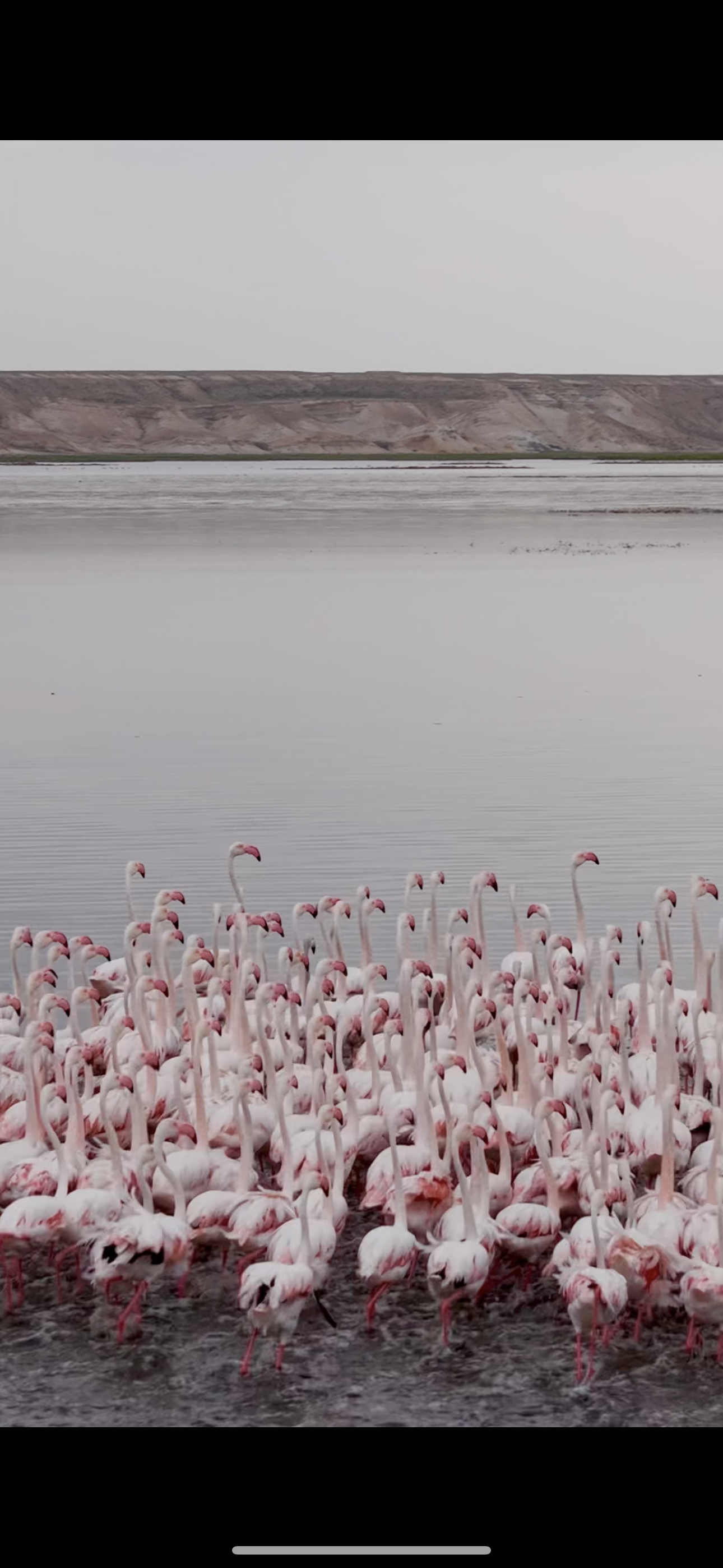
Flamingos are a rare species listed in The Red Data Book of the Republic of Uzbekistan. During their spring migration, the Sudochye lake system becomes one of the most important stopover sites along their route. They are joined by Dalmatian pelicans, Asian houbara, white-headed ducks, and many other rare bird species, making this corner of the Aral Sea region one of the area's most valuable natural treasures.
The best time to visit is in April and May, when nature is at its most vibrant and birdwatching becomes a truly unforgettable experience.
A Hidden Oasis
Amid the endless desert landscapes on the border between Karakalpakstan and Turkmenistan lies Sarygamysh Lake, one of Central Asia's most remarkable natural wonders.Once a dry basin, it is now one of the region's largest lakes and a vital refuge for wildlife. Every year, thousands of migratory birds arrive here, including swans, Dalmatian pelicans, cormorants, ducks, geese, and even pink flamingos, transforming the lake into a paradise for birdwatchers and wildlife photographers.
What makes Sarygamysh truly unforgettable is its striking contrast. Lifeless sands give way to an immense expanse of water stretching beyond the horizon. At sunrise and sunset, the lake shimmers in shades of turquoise, gold, and pink, while the profound silence surrounding it allows visitors to fully appreciate the grandeur of nature.
Sarygamysh remains far from the region's busiest tourist routes. That is precisely what makes a journey here so special, offering the rare feeling of being an explorer, as though you are discovering a side of Karakalpakstan known only to a few. It is here that you truly realize that even in the harshest landscapes, nature has the power to create extraordinary wonders.
The Lake of Wealth
In the heart of ancient Khorezm, amid the vast steppes of the Ellikqala District, lies one of Karakalpakstan's most unusual lakes — Akchakul. Its name translates from Turkic as "The Lake of Wealth," and one of the region's most enduring legends is closely connected with this place.
According to legend, during their campaigns, the armies of Genghis Khan were unable to carry away all the treasures they had seized and concealed part of their riches at the bottom of Akchakul. Ever since, local people have believed that anyone who bathes in the lake's waters will be blessed with good fortune and greater prosperity. Whether or not to believe the legend is a matter of personal choice, but it is stories like these that make a journey through Karakalpakstan truly unforgettable.
Yet the real treasure of Akchakul is not mythical gold. The lake's tranquil waters, framed by the open steppe, create a striking contrast with the rugged landscapes of the Aral Sea region. Today, Akchakul is gradually emerging as one of Karakalpakstan's newest tourism gems. Traditional yurt camps have already been established along its shores, where visitors can spend the night beneath a star-filled sky, watch the sunrise over the water, and experience the nomadic way of life firsthand.
Otherworldly Landscapes
Barsakelmes: The Point of No Return
Now imagine that you have arrived on Mars. A vast expanse of white salt stretches to the horizon, the sun reflects so brilliantly from its surface that it is impossible to look away, and all around you there is nothing but endless space and profound silence. It feels as though the Earth has come to an end and another planet begins beyond it.
One of the region's most extraordinary natural attractions is the Barsakelmes salt flat. Its name translates as "You Will Go, But Never Return," and for centuries local people have regarded this place as mysterious and dangerous. Millions of years ago, the waters of the ancient Tethys Ocean covered this land. Later, Barsakelmes became an island in the Aral Sea, and after the sea receded, it transformed into a vast salt plain covering nearly 2,000 square kilometres.
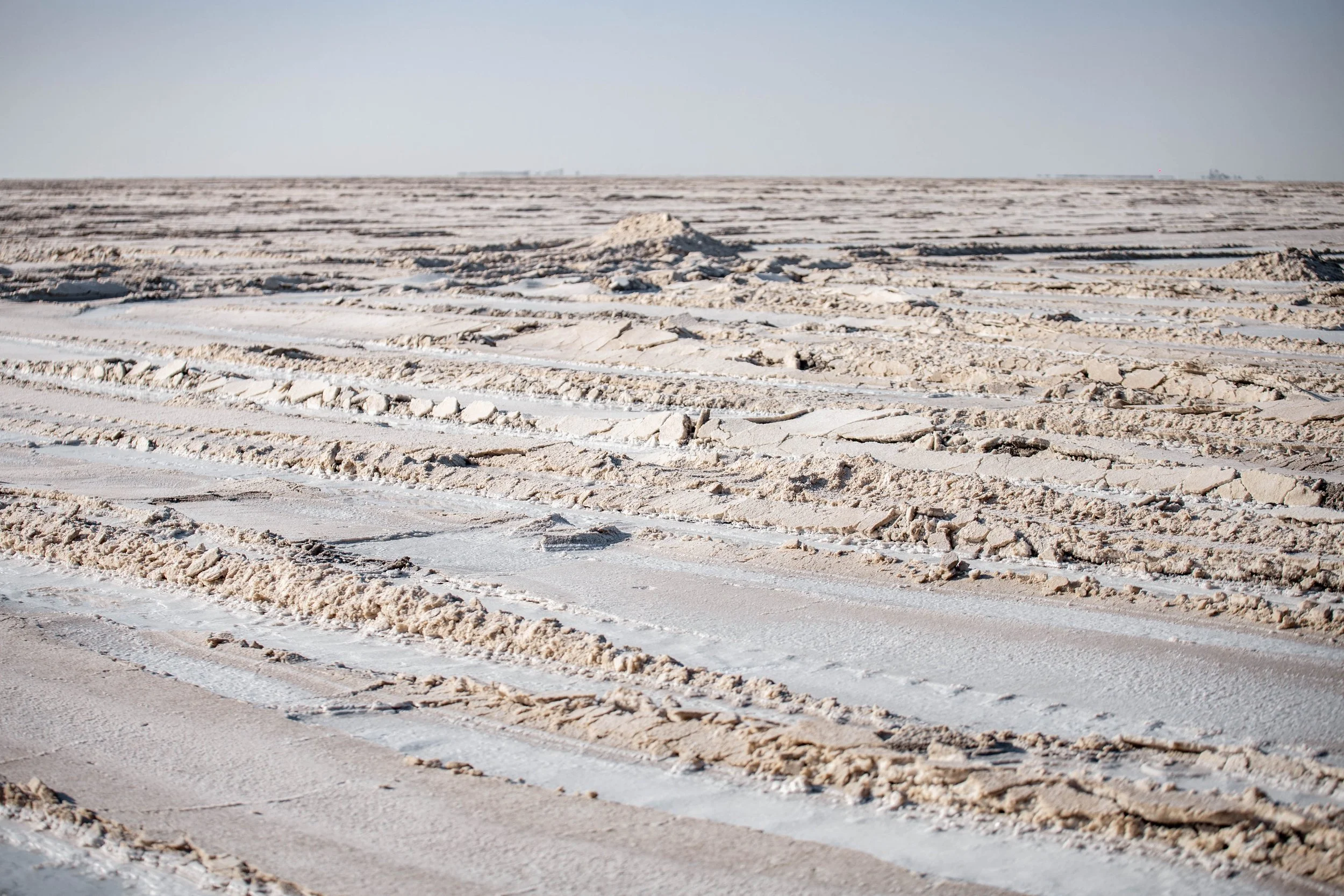
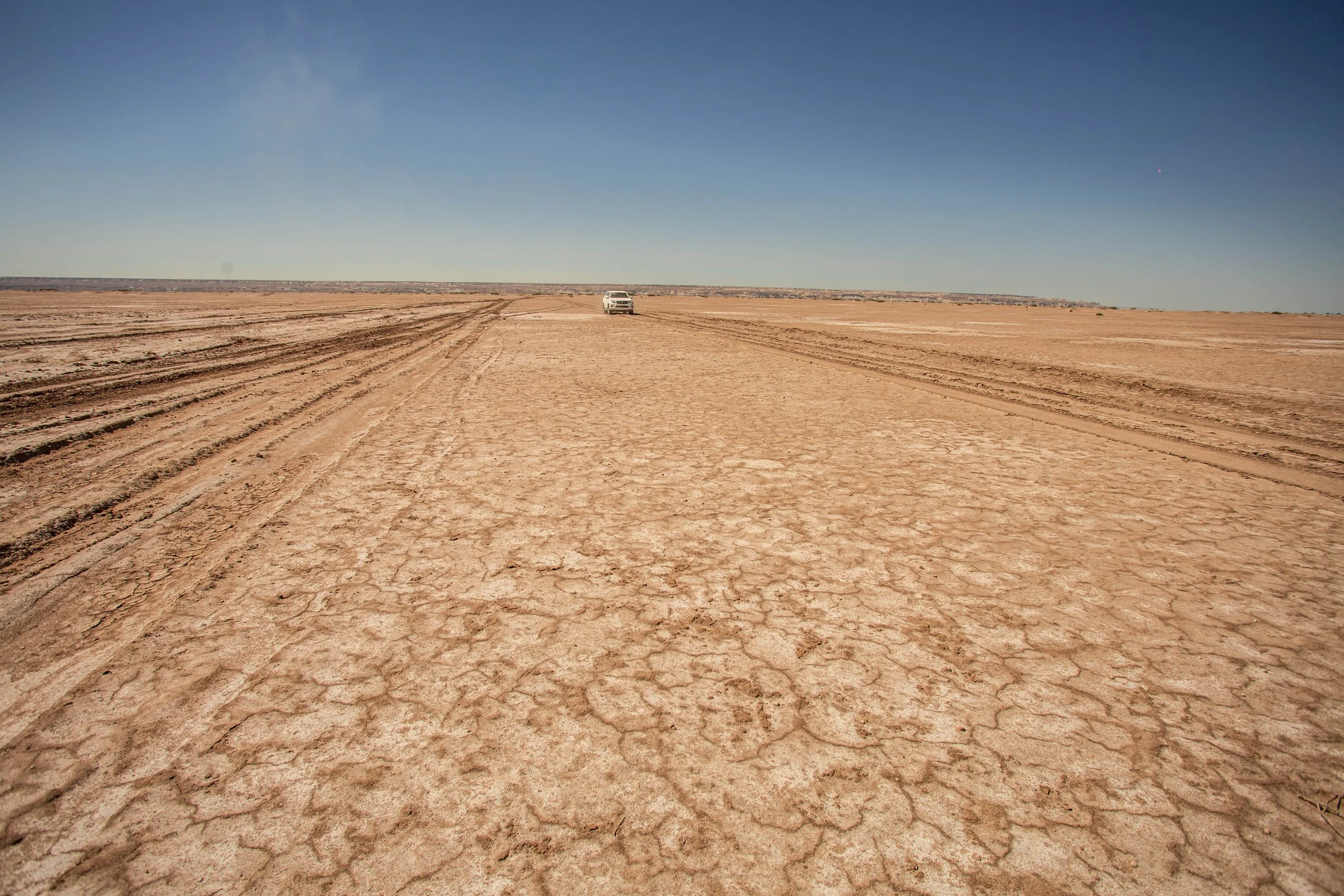
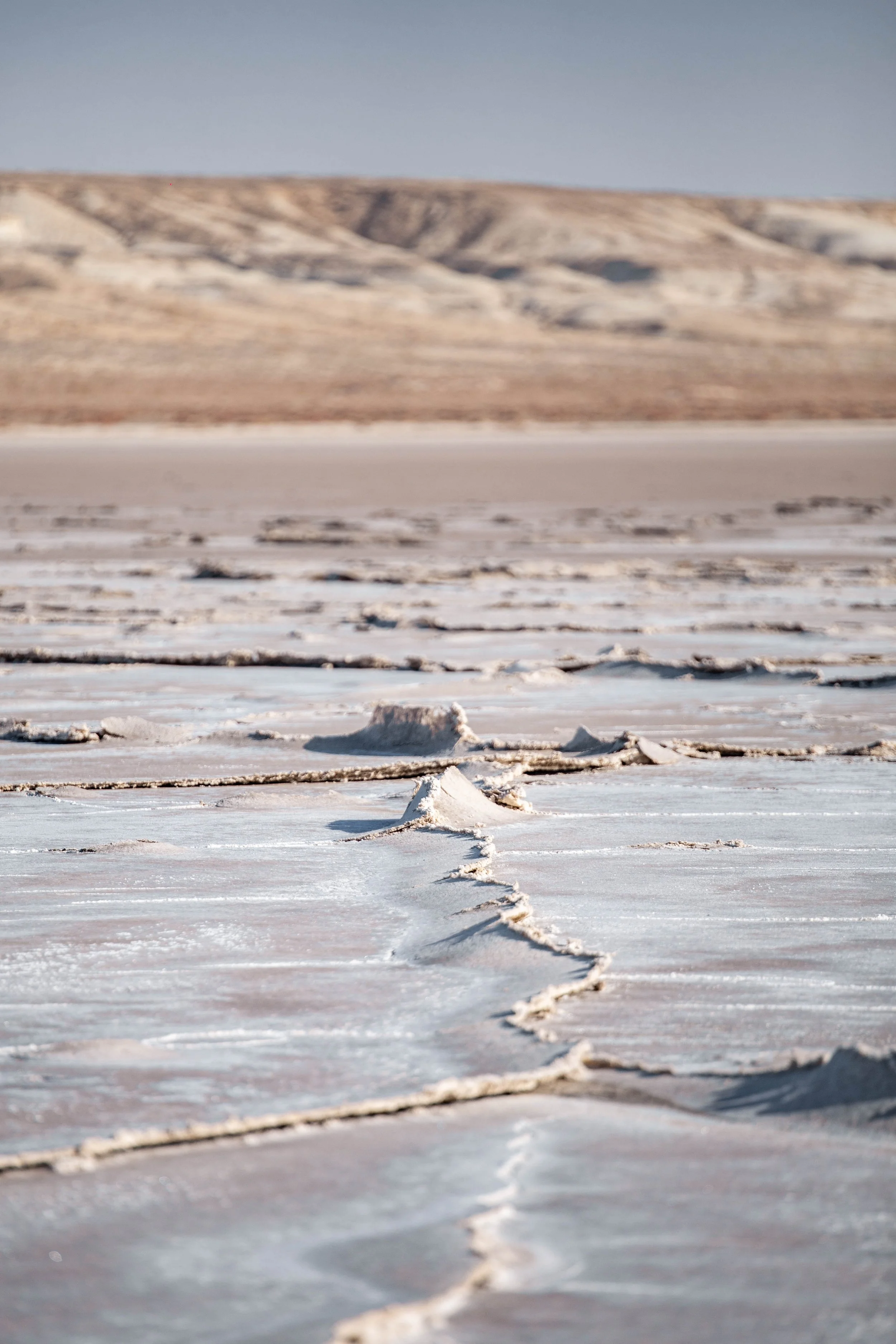
Today, the surface of the salt flat resembles a snow-covered plain. A thick crust of salt crunches beneath your feet, glittering like ice under the blazing sun. There is no familiar vegetation, no birdsong, and the seemingly endless horizon only adds to the surreal atmosphere. It is no surprise that Barsakelmes is often compared to the surface of another planet.
The Ustyurt Plateau: At the Edge of the Earth
If Barsakelmes feels like another planet, the Ustyurt Plateau resembles the edge of the world.
One of the largest plateaus in Central Asia, Ustyurt is tens of millions of years old. Its defining feature is its immense limestone escarpments, known locally as chinks. Rising to heights of up to 350 metres and stretching for hundreds of kilometres, these dramatic cliffs dominate the landscape. Standing on the edge of a chink, it feels as though an endless stone universe unfolds before you. The wind sweeps freely through the canyons, while the silence is so profound that the only sound is your own footsteps.
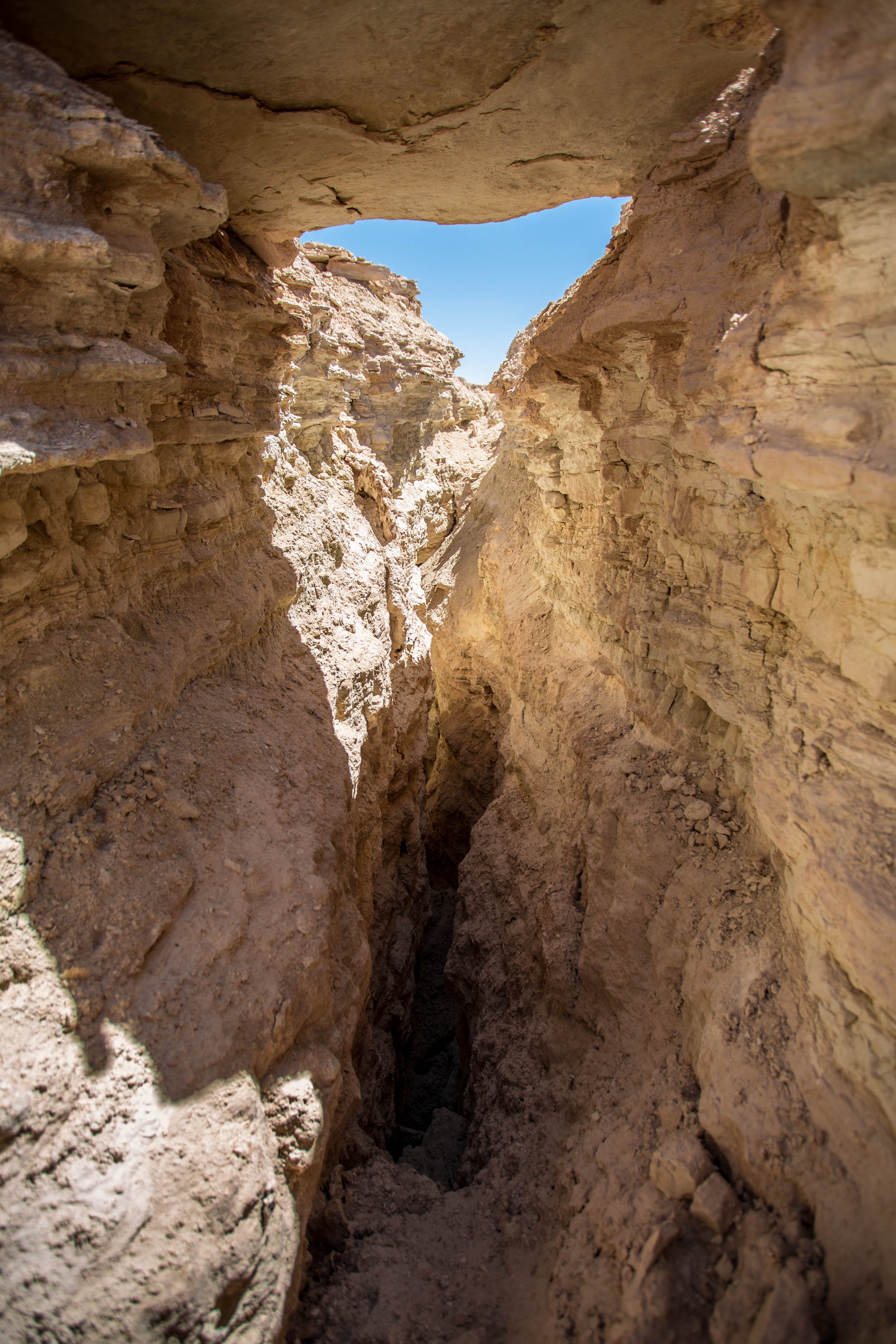
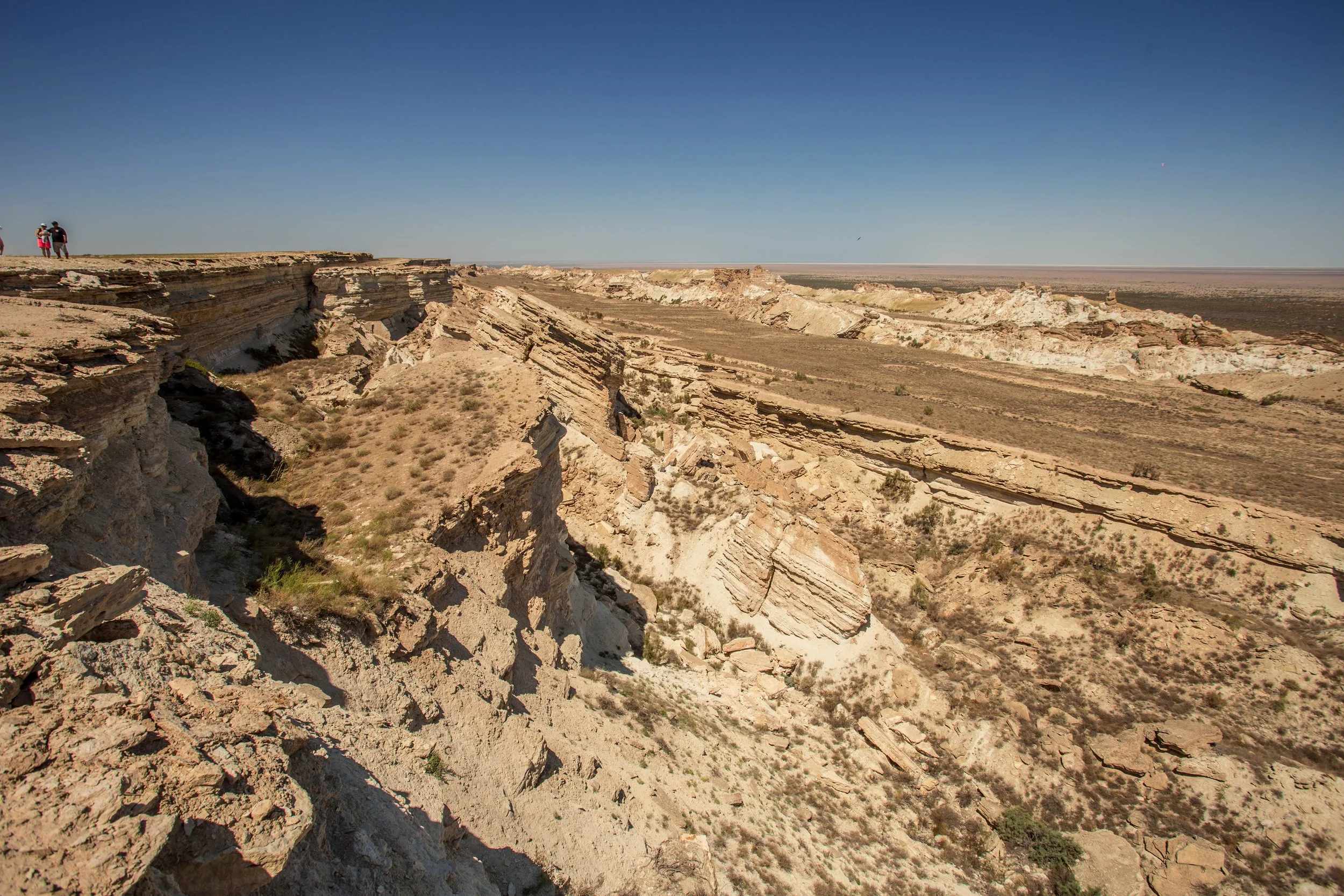
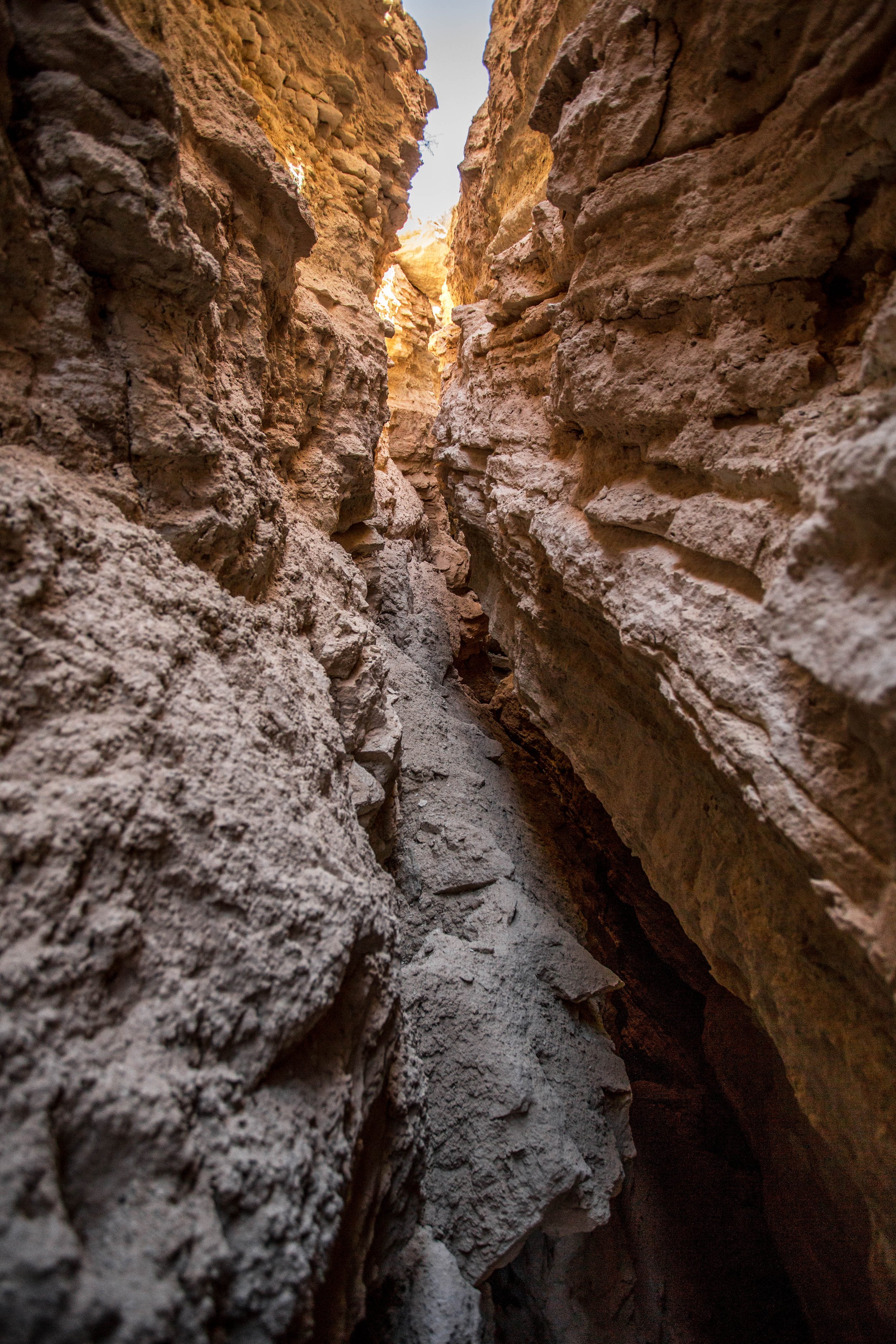
Despite its harsh and unforgiving landscape, the Ustyurt Plateau preserves remarkable traces of human history. Archaeologists have discovered prehistoric settlements, ancient necropolises, and the remains of caravan routes once connected to the Great Silk Road. For centuries, travellers avoided these lands, considering them too dangerous and inhospitable. Today, however, it is this untouched wilderness that has become the plateau's greatest treasure.
Some places leave you in awe of their beauty. Others remind you just how small we are in the face of nature's grandeur. The Ustyurt Plateau is one of them.
Mystical Places
Chilpyk: The Tower of Silence
Amid the vast open landscapes of Karakalpakstan, just 43 kilometres from Nukus, stands one of ancient Khorezm's most mysterious monuments. Perched atop a high hill, Chilpyk is a circular tower rising about 15 metres above the surrounding plain. Built at the turn of the 1st century BC and the 1st century AD, it has witnessed the rise and fall of civilizations, empires, and religions for more than two thousand years.
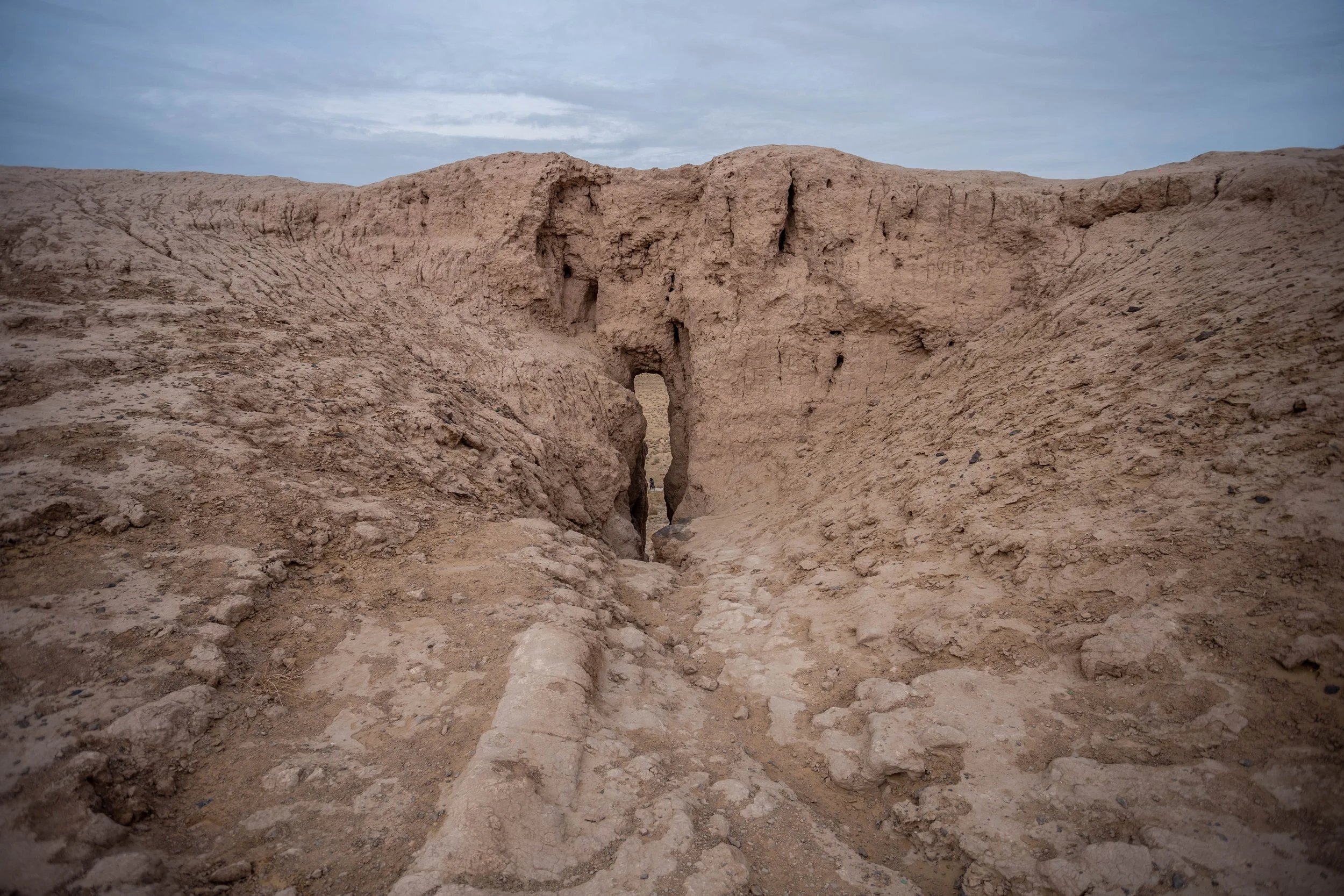
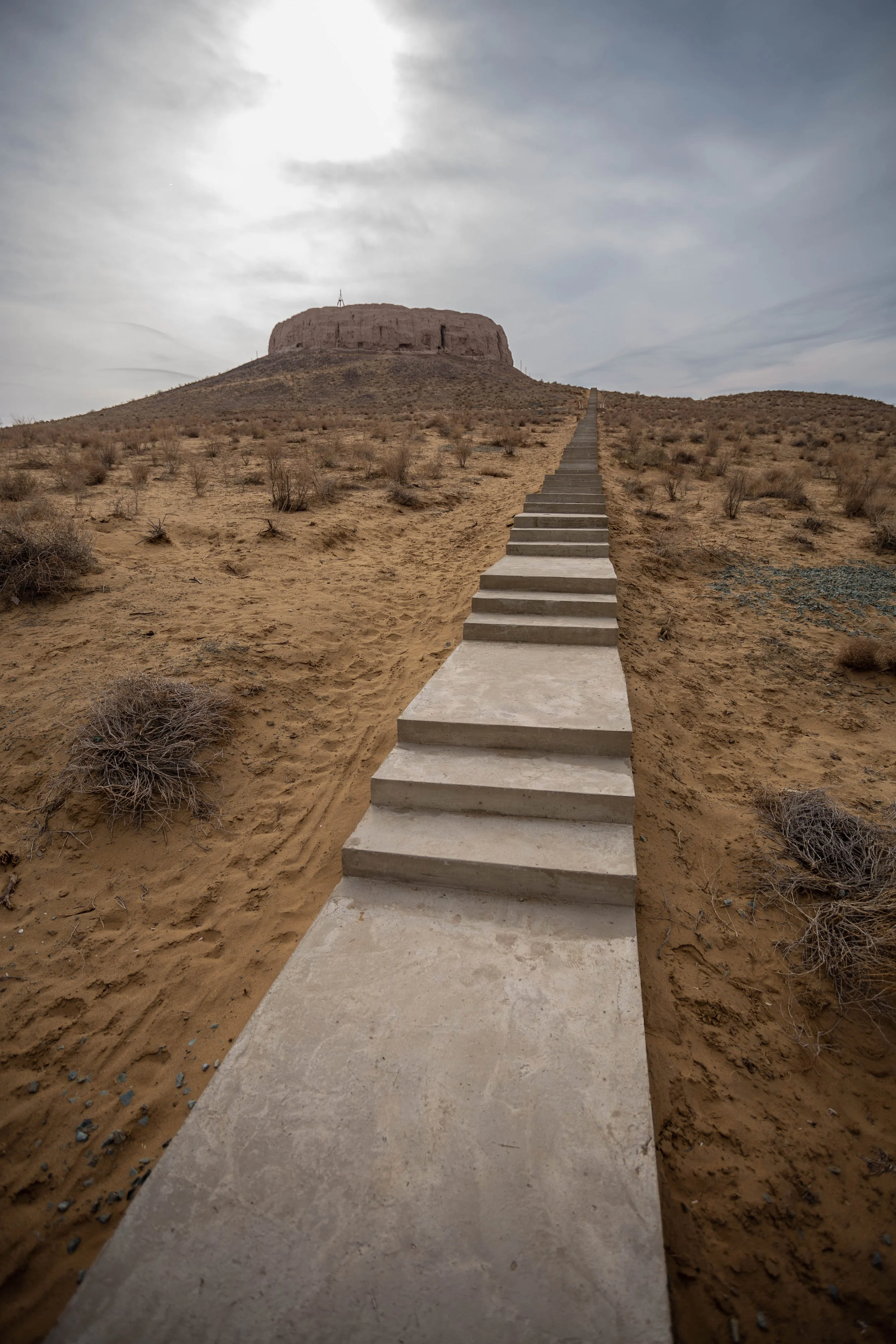
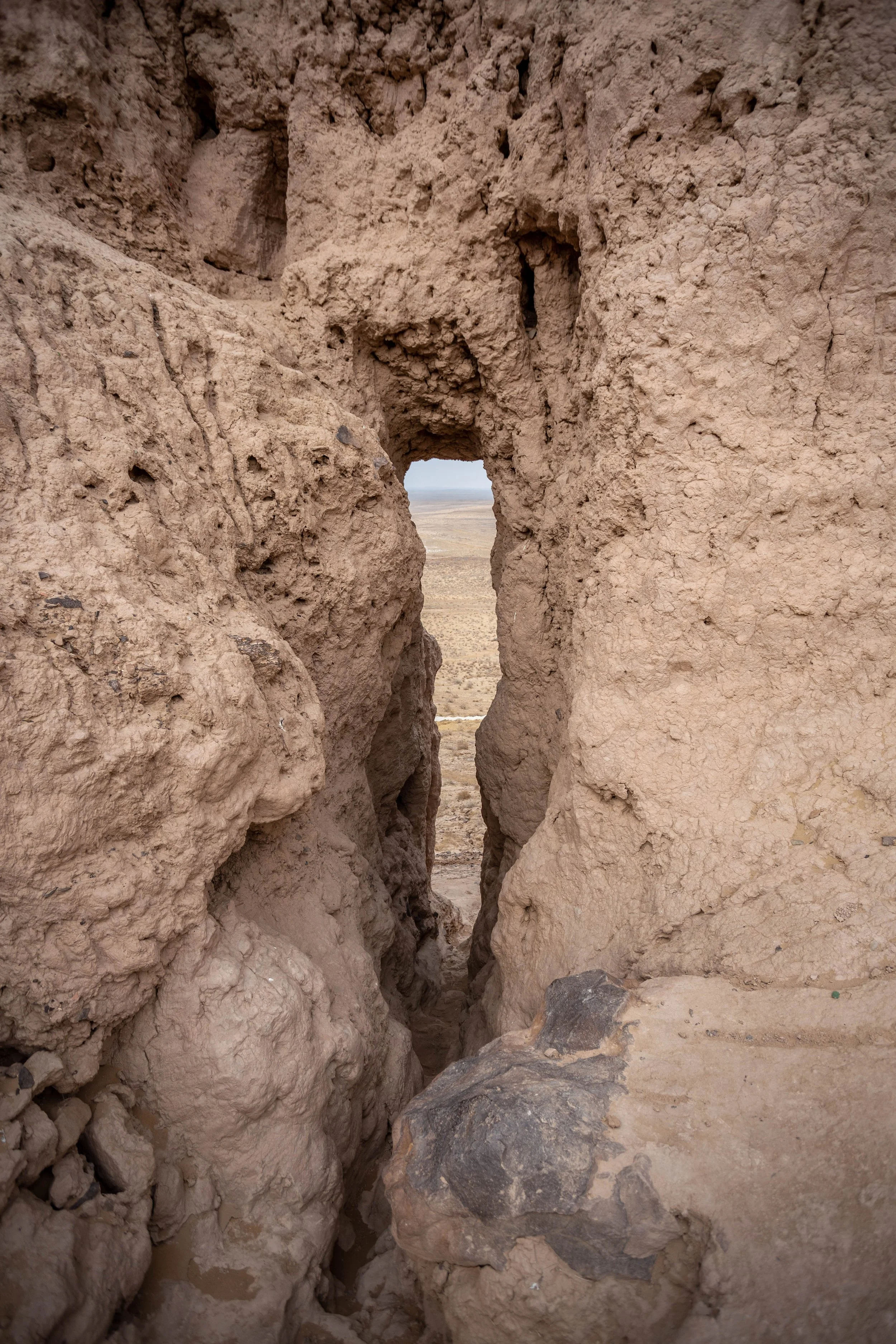
Chilpyk once served as a Zoroastrian dakhma, or "Tower of Silence." According to the traditions of one of the world's oldest religions, the deceased were not buried in the ground to avoid defiling the earth. Instead, their bodies were placed on top of the tower, where the sun and birds of prey reduced them to bones. The remains were then collected and placed in special clay vessels known as ossuaries. This practice continued until the spread of Islam across Central Asia.
Some historians believe that Chilpyk later took on another important role, serving as a signal tower that warned the people of ancient Khorezm of approaching danger.
The Doomsday Clock
Just a forty-minute drive from Nukus lies another place steeped in legend—the ancient necropolis of Mizdakhan. Covering an area of around 200 hectares, it is one of the largest and oldest burial complexes in Central Asia. With a history spanning more than 2,400 years, this sacred site has long attracted pilgrims seeking blessings and spiritual peace.
Mizdakhan's most famous legend is connected to the so-called Doomsday Clock. According to local belief, a single brick falls each year from one of the ancient brick structures. When the final brick disappears, the world will come to an end. For this reason, pilgrims carefully place the fallen bricks beside the wall and offer prayers in the hope of delaying the foretold day.
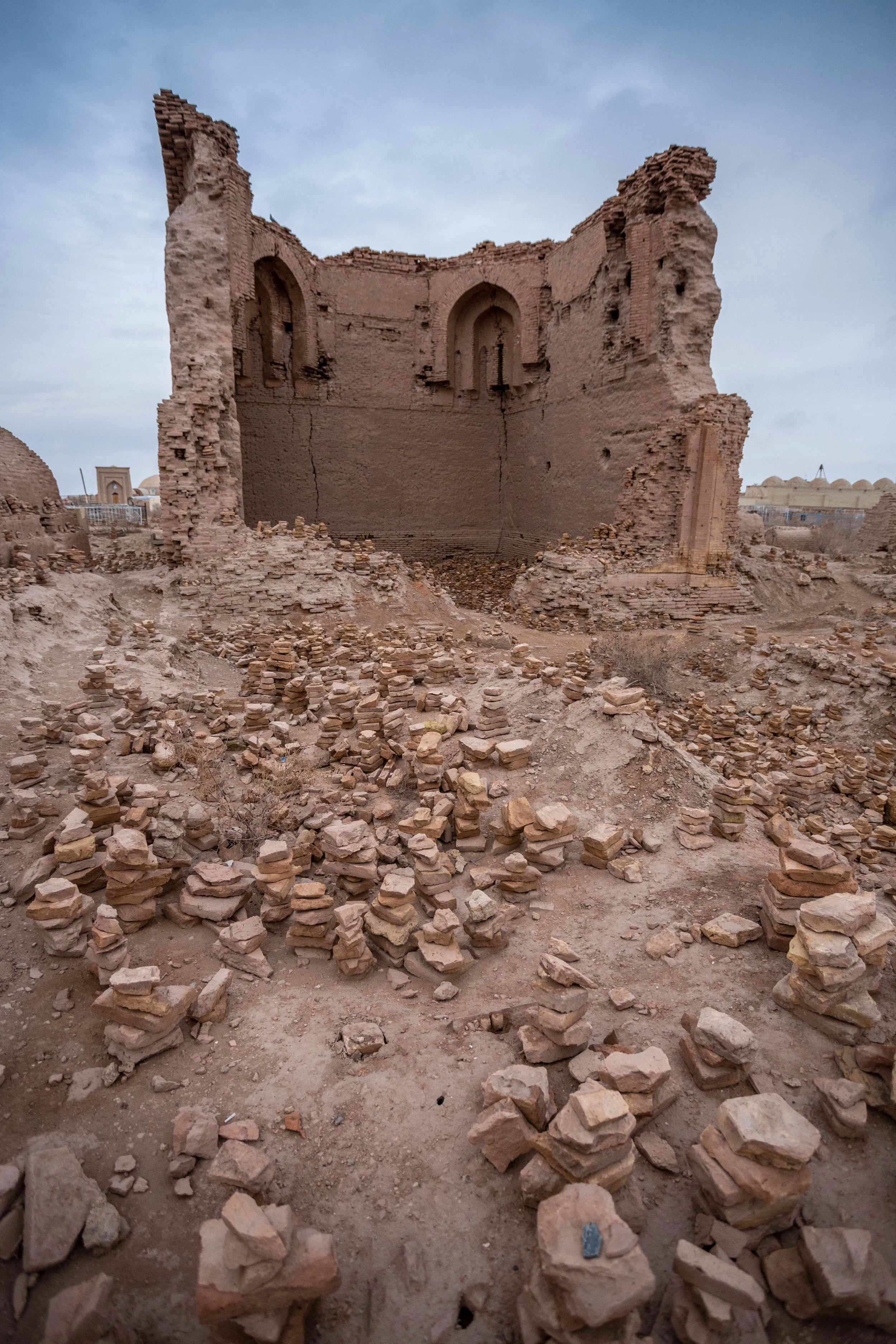
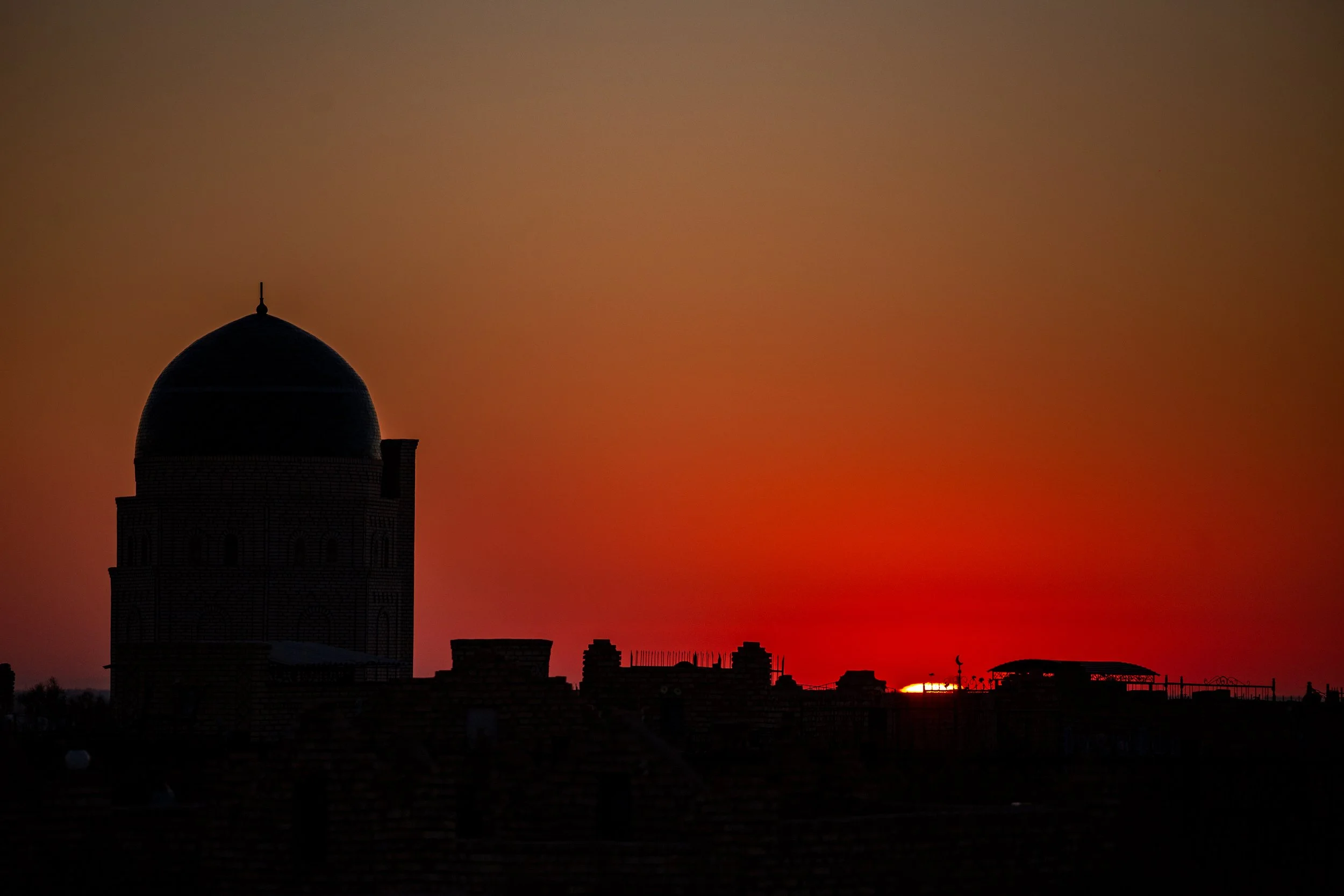
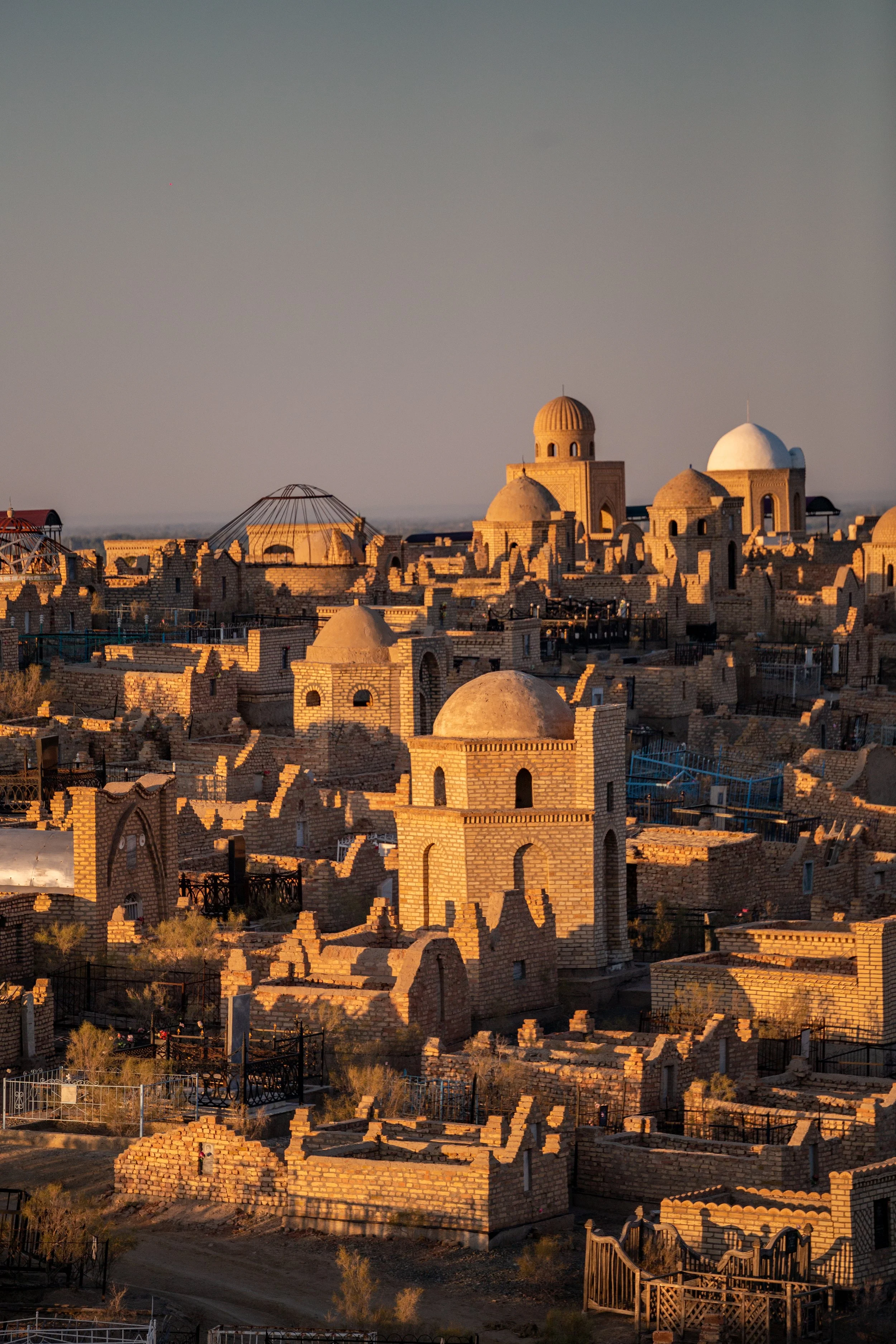
Yet Mizdakhan is far more than a single legend. The complex is home to the Mausoleum of Mazlumkhan Sulu, shrouded in romantic legends, the Mausoleum of Shamun Nabi, the ancient settlement of Gyaur-Kala, the mausoleums of Khalfa Yerezhep and Mademin Khan, the remains of a caravanserai, and many other monuments that tell the story of ancient Khorezm.
Among its ancient mausoleums, weathered ruins, and the silence of the steppe, the connection between past and present feels especially profound. That is why Mizdakhan remains one of the most mysterious and spiritual places not only in Karakalpakstan, but in all of Central Asia.
The Ship Cemetery of Muynak
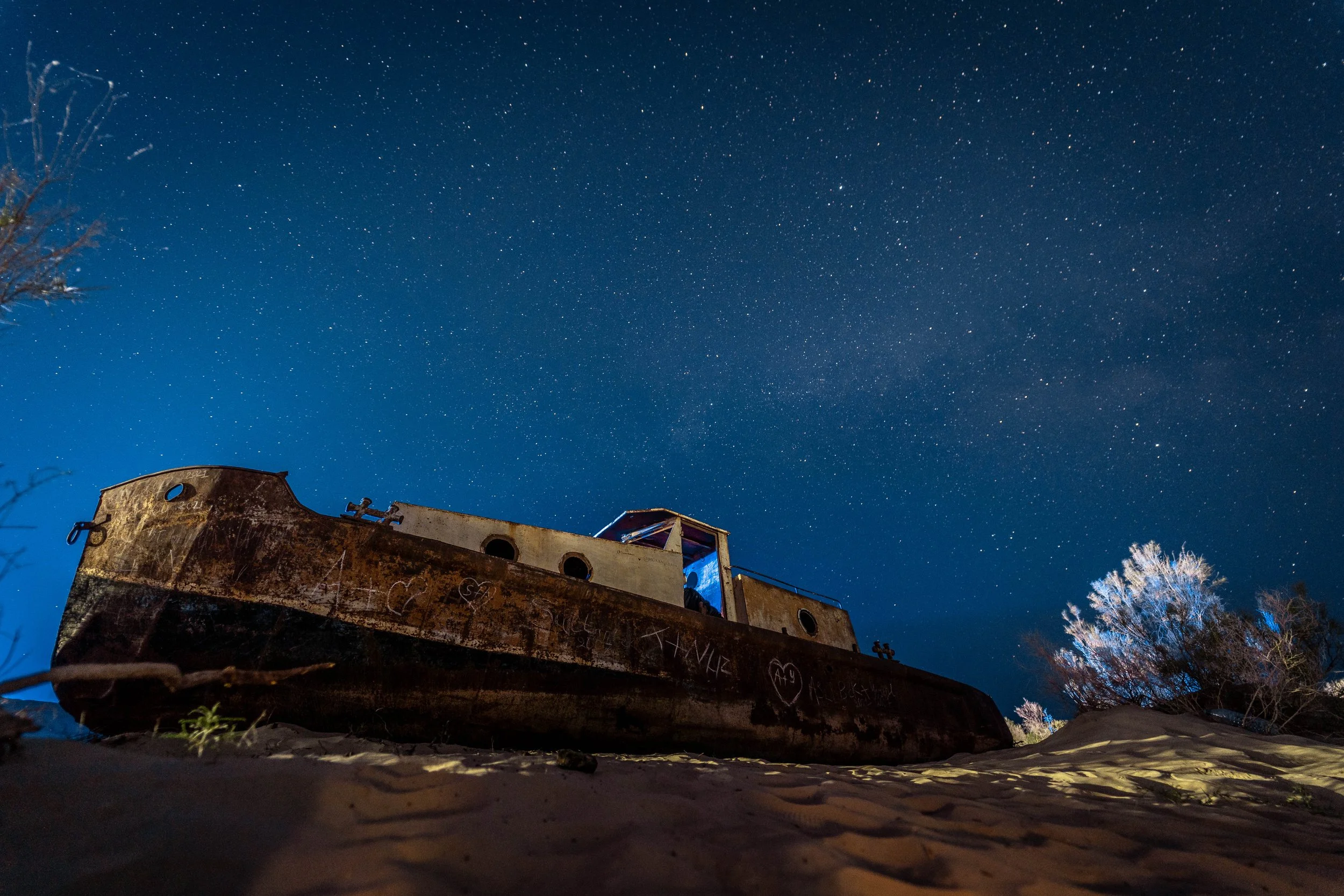
Some places preserve history within the walls of museums. Others preserve it beneath the open sky. The famous ship cemetery in Muynak is one such place. Once one of the Aral Sea's largest fishing ports, the town is now defined by dozens of rusting vessels left stranded in the sands.
Each ship is a reminder of a time when the waters of the Aral Sea reached the shoreline. Today, the sea has retreated by dozens of kilometres, leaving behind the Aralkum Desert where the seabed once lay. Against this vast expanse of sand, the silhouettes of the abandoned ships appear almost ghostly, creating one of Central Asia's most striking and emotionally powerful landscapes.
Next to the ship cemetery is The Muynak Regional Studies Museum, also known as the Ecological Museum of Muynak, where visitors can gain a deeper understanding of the region's past. Its collection includes archival photographs, historical documents, fishing equipment, model ships, and everyday household items that tell the story of a time when Muynak was one of Central Asia's leading fishing ports. The museum offers a glimpse of what the Aral Sea looked like only a few decades ago while exploring the lives of local communities, the development of the fishing industry, and the causes of one of the twentieth century's greatest environmental disasters.
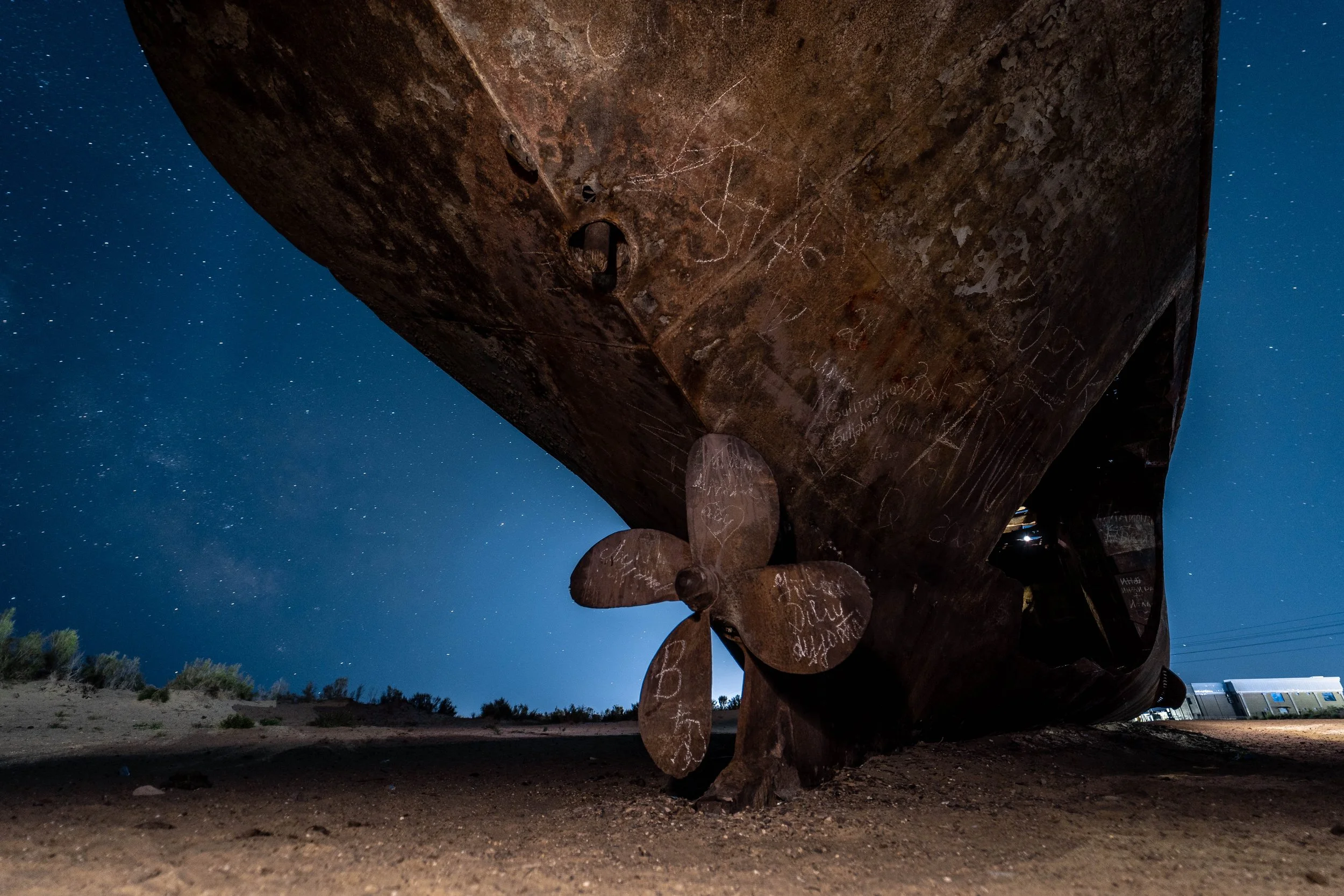
After walking among the abandoned ships, the museum takes on an entirely new meaning. It transforms what might otherwise seem like a dramatic photographic backdrop into a deeply human story of the people whose lives were inseparably connected to the sea. That is why a visit to Muynak is not only a journey to one of Karakalpakstan's most iconic landmarks, but also an opportunity to reflect on the value of nature and humanity's responsibility to protect it.
An Expedition to the Aral Sea
A journey to the Aral Sea is far more than a sightseeing tour — it is a true expedition that begins long before the water comes into view.
The route crosses the former seabed of the Aral Sea, traversing the vast Aralkum Desert that emerged after the sea retreated. Four-wheel-drive vehicles (4WD) travel across dozens of kilometres of rugged terrain, where sand, salt flats, and cracked earth have replaced paved roads. It feels less like an ordinary trip and more like an expedition into one of the world's most extraordinary landscapes.
By evening, travellers are welcomed by traditional Karakalpak yurts. After a day of adventure, there is nothing more rewarding than enjoying a cup of hot tea, sampling local cuisine, and gathering around a campfire while listening to stories of the Aral Sea region. Those seeking a more comfortable stay can also choose a modern resort on the shores of the Aral Sea, where they can spend the night overlooking the water and greet the sunrise from their room.
A journey to the Aral Sea cannot be measured in kilometres. It is measured in experiences. People come here in search of remarkable photographs, but they leave with the feeling that they have lived through one of the most extraordinary adventures of their lives.
The Louvre of the Desert
Can you imagine a world-class museum in the middle of the desert? Karakalpakstan proves that it is possible.
In the heart of Nukus stands The Savitsky Art Museum,, a place that art historians and international media have long referred to as the "Louvre of the Desert." And it is far more than just a striking comparison.
The museum is home to more than 100,000 exhibits, with its greatest distinction being the world's second-largest collection of Russian avant-garde art, surpassed only by the Russian Museum in St. Petersburg. It houses works by artists whose names were banned during the Soviet era and whose creations were once destined to disappear forever. Thanks to Igor Savitsky, these masterpieces were rescued and found a new home in Nukus.
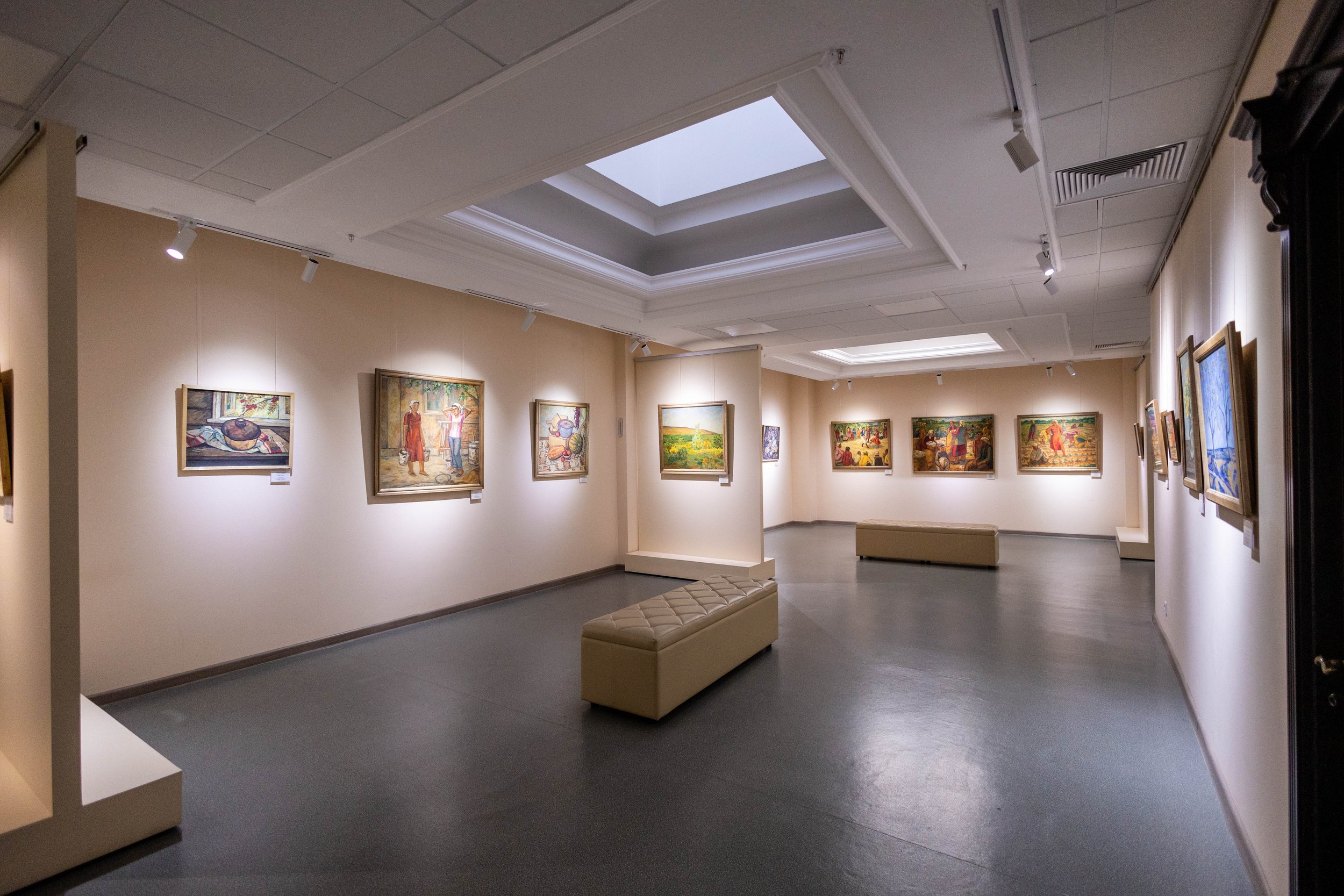
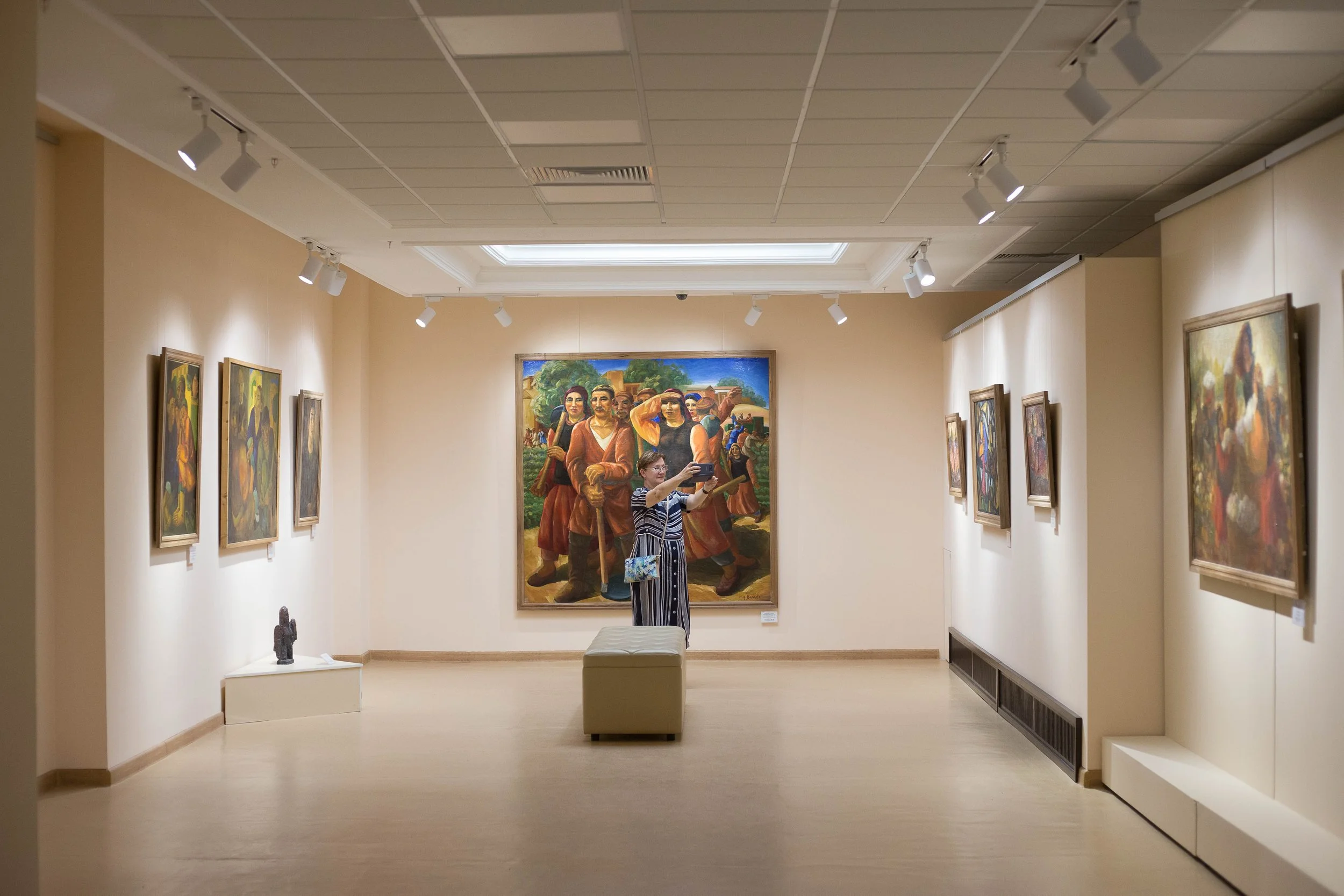
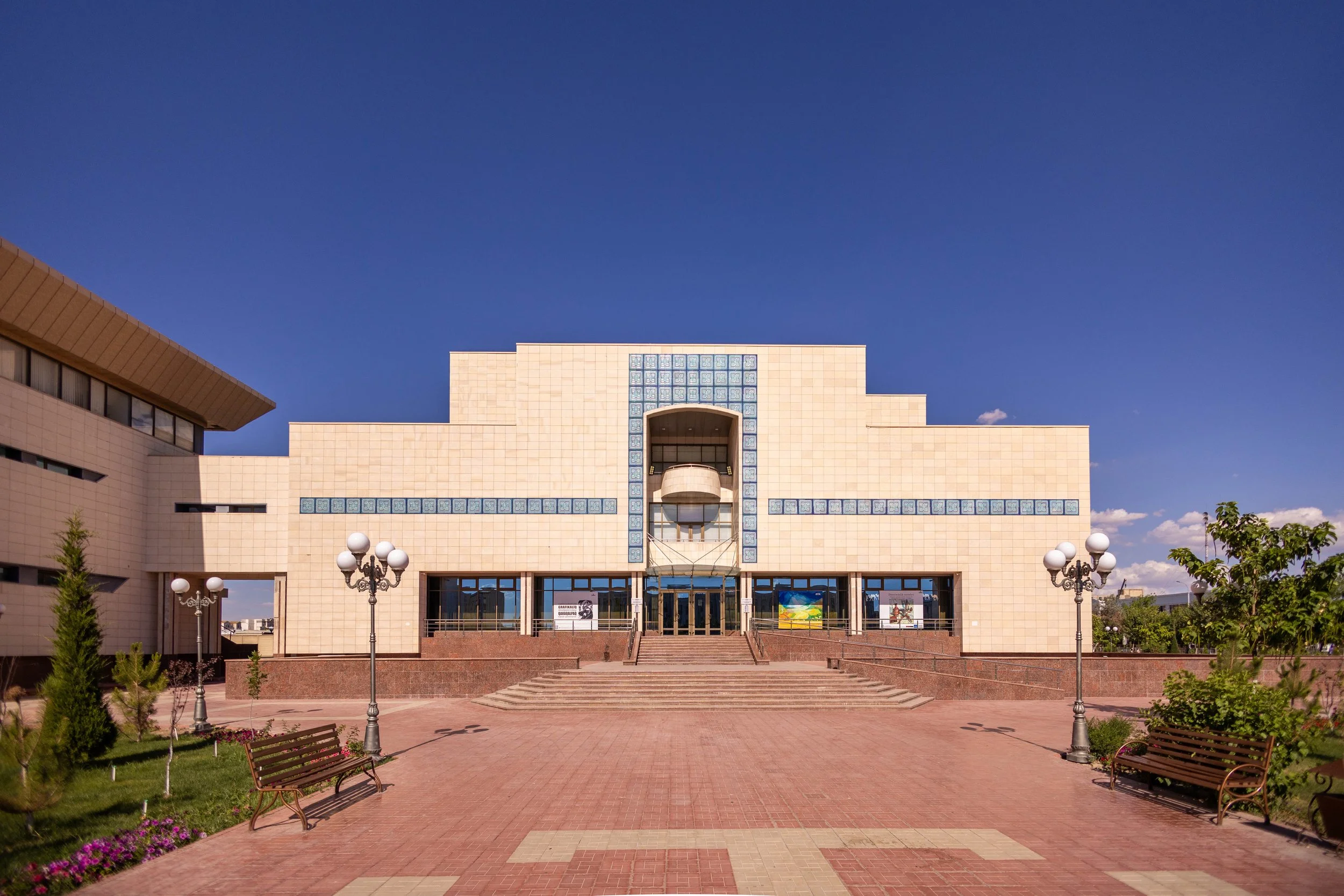
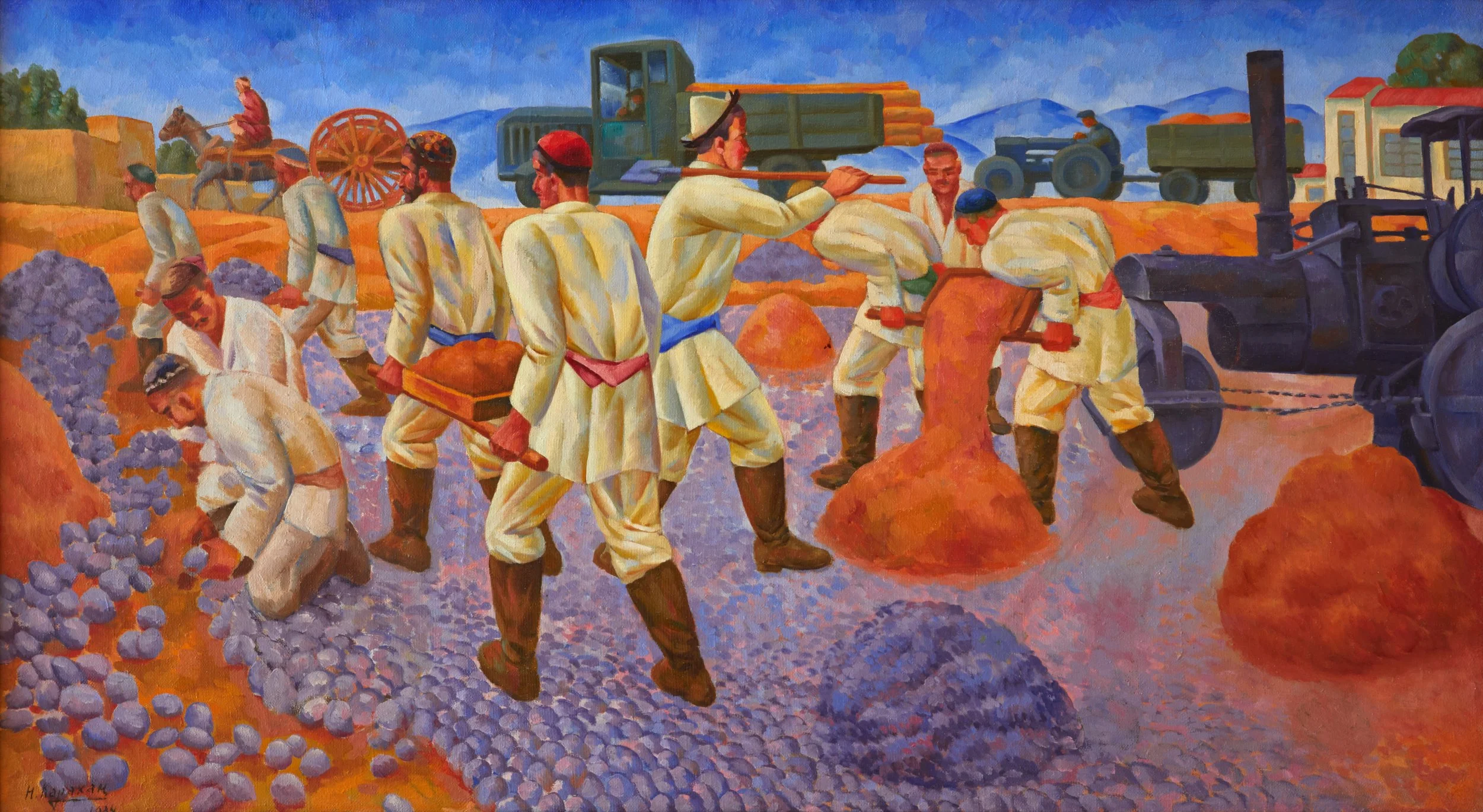
The museum's own history reads like an adventure novel. Artist, archaeologist, and collector Igor Savitsky first came to Karakalpakstan as part of an archaeological expedition. Captivated by the region, he devoted more than thirty years of his life to it. At great personal risk, he acquired works by avant-garde artists whom the Soviet authorities had deemed "undesirable." Ironically, the remoteness of Nukus helped preserve this extraordinary collection, which is now recognized as one of the most important in the world.
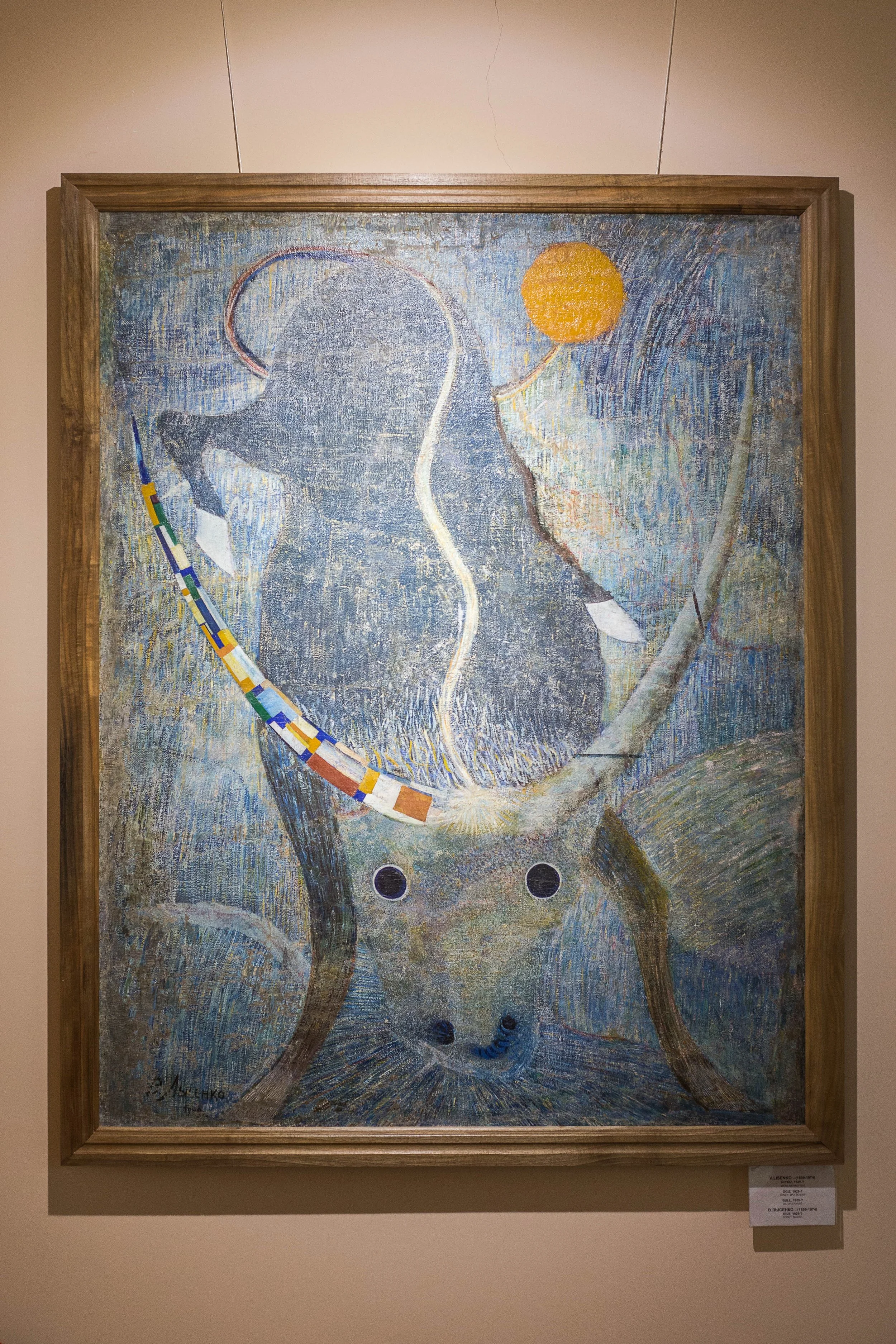
One of the museum's iconic masterpieces is The Bull by Vladimir Lysenko. It is among the collection's most recognizable paintings and one of the few surviving works by the artist, much of whose artistic legacy has been lost.
Yet the Savitsky Museum is about far more than Russian avant-garde art. Its collections also include archaeological discoveries from ancient Khorezm, traditional Karakalpak jewelry, carpets, embroidery, national costumes, and decorative and applied arts. Together, they allow visitors to trace the region's story — from its earliest civilizations to the art of the twentieth century — in just a few hours.
Today, the Savitsky Museum is widely regarded as one of the world's most extraordinary museums and has become one of the main reasons travelers from across the globe come to Nukus. After all, few places conceal a true treasure house of world-class art in the middle of the desert.
Culture and Its People
"The Karakalpaks will carry their laughter to the heavens."
So begins the refrain of a well-known song by Uzbek singer Larisa Moskaleva dedicated to the Karakalpak people. It would be hard to find a more fitting description of those who call this land home.
It is impossible to truly understand Karakalpakstan without getting to know its people. They are the ones who transform a journey into a heartfelt encounter, one that leaves visitors longing to return. Perhaps that is why everyone who has visited this remarkable region takes home not only photographs of its extraordinary landscapes, but also lasting memories of the warmth, openness, and kindness of its people.
Karakalpaks often describe one another as "Aq Kókirek"—literally, "a person with a pure, white soul." It is more than a beautiful expression; it reflects the character of the people themselves. Sincerity, generosity, and hospitality are not regarded as exceptional qualities here are simply a way of life.
A special place in Karakalpak culture is reserved for the art of yurt making. A traditional Karakalpak yurt is far more than a nomadic dwelling — it is a masterpiece of craftsmanship, with every element created by hand. From the wooden frame to the felt covering and intricately woven decorative bands, entire families take part in its construction, passing their skills down from one generation to the next. Visitors can experience this tradition at a guest house in Shimbay district, where they can learn how an authentic Karakalpak yurt is made, take part in assembling one themselves, meet local artisans, and gain a deeper appreciation of this ancient nomadic heritage.
The Flavours of Karakalpakstan
Baursaks – The Aroma of Celebration
No family celebration in Karakalpakstan is complete without golden baursaks. These light, fluffy pieces of fried dough are served with hot tea, placed at the center of the festive dastarkhan, and always offered to every guest as a symbol of hospitality.
Gurtik – A Taste of Hospitality
Elsewhere in Central Asia, this beloved dish is better known as beshbarmak, but in Karakalpakstan it proudly retains its historic name — gurtik. It is traditionally prepared for holidays, family celebrations, and to honor special guests. The most highly prized version is made with home-raised turkey, which is considered the authentic local recipe.
Karma – A Tribute to the Aral Sea
One of the most distinctive dishes of Karakalpak cuisine, karma is deeply connected to the history of the Aral Sea region. Made with thin homemade dough and fish — a staple that sustained local communities for generations. It is simple in its ingredients yet wonderfully hearty and flavorful. Every serving recalls a time when fishing was the lifeblood of the region.
Karak Choy – The Tea That Begins Every Welcome
A special place in Karakalpak culture belongs to Karak Choy —black tea with milk. It is served in the morning, throughout the day, and in the evening, welcoming guests and bringing families together around the dastarkhan. For the Karakalpak people, tea is far more than a drink. It is a symbol of hospitality, unhurried conversation, and the warmth of home. It is no coincidence that every introduction here begins with a cup of hot tea.
Juweri Gurtyk – The Taste of the Steppe
While traditional gurtik is prepared with wheat dough, Juweri Gurtyk is its uniquely Karakalpak variation made from cornmeal. The dough is shaped into small coin-like pieces and served with meat, fried onions, potatoes, and carrots. Regarded as one of Karakalpakstan's signature dishes, it perfectly reflects the local appreciation for simple, wholesome ingredients.
Turkey Plov
Every region of Uzbekistan has its own version of plov, and Karakalpakstan is no exception. One of the local favorites is pilaf made with home-raised turkey, whose tender, juicy meat gives the dish its distinctive flavor and aroma. Another hallmark of Karakalpak plov is the use of golden yellow carrots, which lend a delicate sweetness and create a beautiful contrast with the fluffy white rice, making the dish as visually appealing as it is delicious.
Mayek Borek
Among the most unusual dishes of Karakalpak cuisine is Mayek Borek. At first glance, it resembles traditional dumplings, but inside lies a surprise—a delicate liquid egg filling. As it cooks, the egg gently sets within the thin dough, creating dumplings that are exceptionally tender and rich.
Zhambylsha – Karakalpakstan's Honeyed Gold
One of the region's greatest culinary treasures is the famous Zhambylsha melon. Renowned as one of Uzbekistan's sweetest and most fragrant varieties, it is juicy, honeyed, and exceptionally delicate. Long regarded as a gastronomic symbol of Karakalpakstan, tasting it during the harvest season is to experience the true flavor of a Karakalpak summer.
Travel Essentials
Best Time to Visit. Karakalpakstan is a fascinating destination year-round, but the most comfortable seasons for travel are April to May and September to October. In spring, the region comes alive, making it a paradise for nature lovers, while autumn offers mild temperatures ideal for exploring. During the summer, temperatures often exceed 40°C (104°F), and in winter, strong desert winds can make travel more challenging.
Getting There. The main gateway to Karakalpakstan is the city of Nukus. It can be reached by direct domestic flights from Tashkent or by train connecting the capital with Nukus. The city also serves as the starting point for most expeditions to the Aral Sea, the Ustyurt Plateau, the ancient fortresses of Khorezm, and many of the region's other remarkable attractions.
Karakalpakstan on the World Stage
Karakalpakstan today is far more than a land of ancient fortresses, vast deserts, and enduring legends. The region is increasingly establishing itself as an international platform for cultural, sporting, and social initiatives that bring together people from around the world.
ARAL CULTURE SUMMIT – Culture Shaping the Future
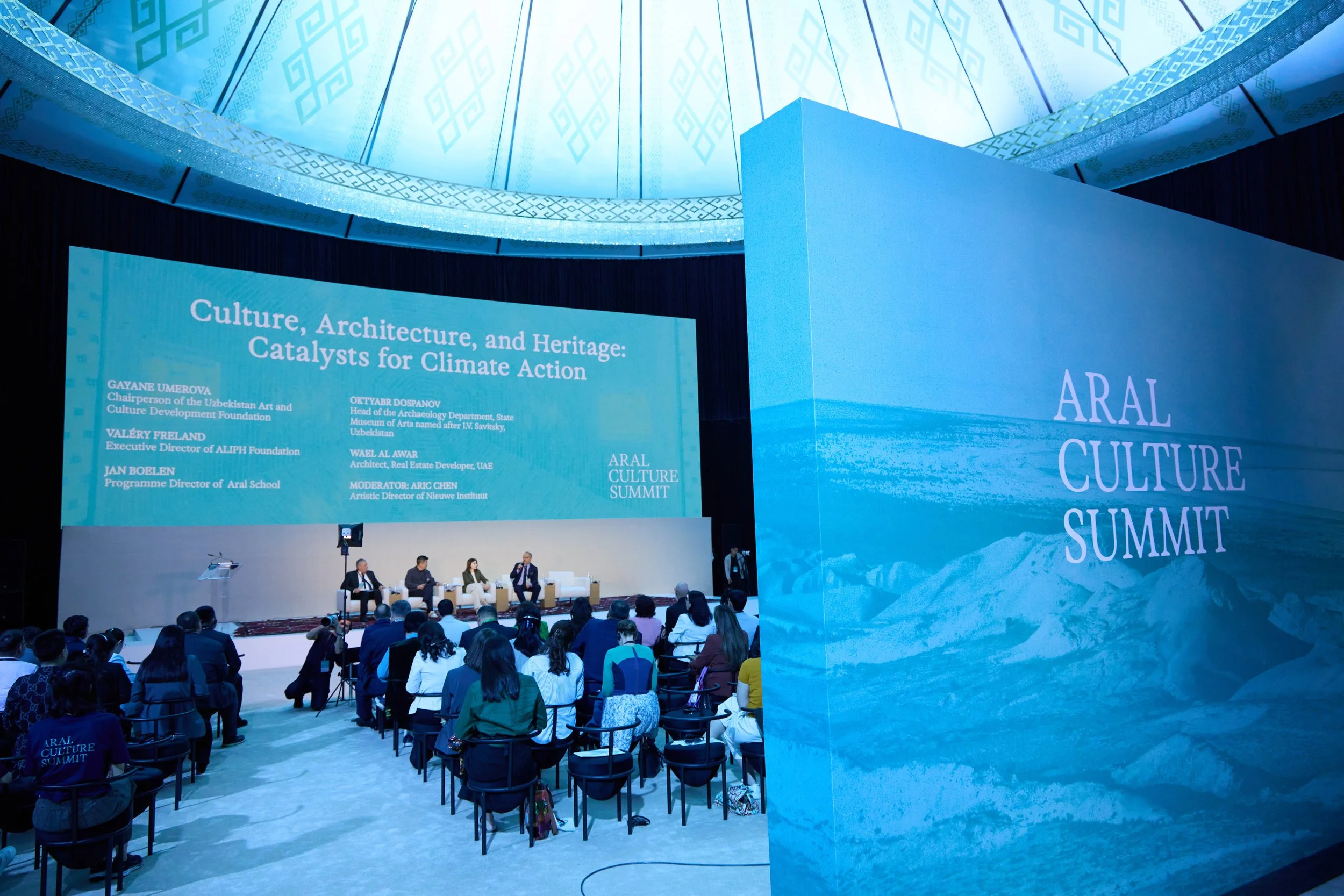
One of the region's most significant events is the Aral Culture Summit, an international forum that brings together art, architecture, ecology, science, and education, introducing the world to a new narrative of the Aral Sea region.
At the heart of the summit is a desire to transform the way people perceive the Aral region. Rather than focusing solely on environmental catastrophe, its organizers present Karakalpakstan as a place of fresh ideas, rich cultural heritage, creativity, and sustainable development.
The programme features contemporary art exhibitions, architectural and design projects, public lectures, panel discussions, educational initiatives, and meetings with leading artists, architects, environmentalists, researchers, and public figures from across the globe.
The next Aral Culture Summit will take place in Nukus from 11 to 13 September 2026.
ARAL ULTRA – A Race That Leaves More Than Footprints
Another landmark event is ARAL ULTRA, the newest addition to the international charity Samarkand Marathon series, which brings together Uzbekistan's most inspiring sporting events.
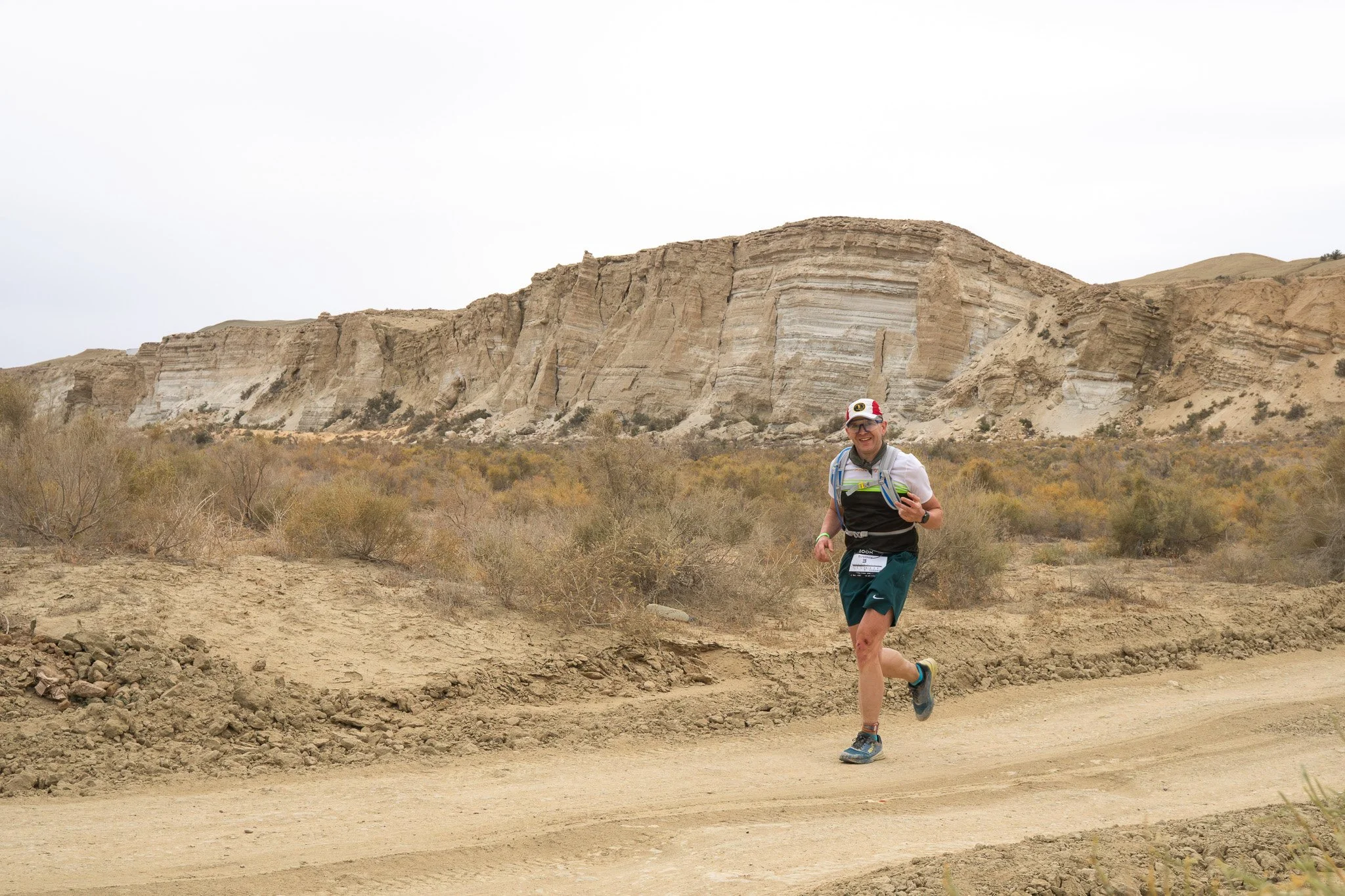
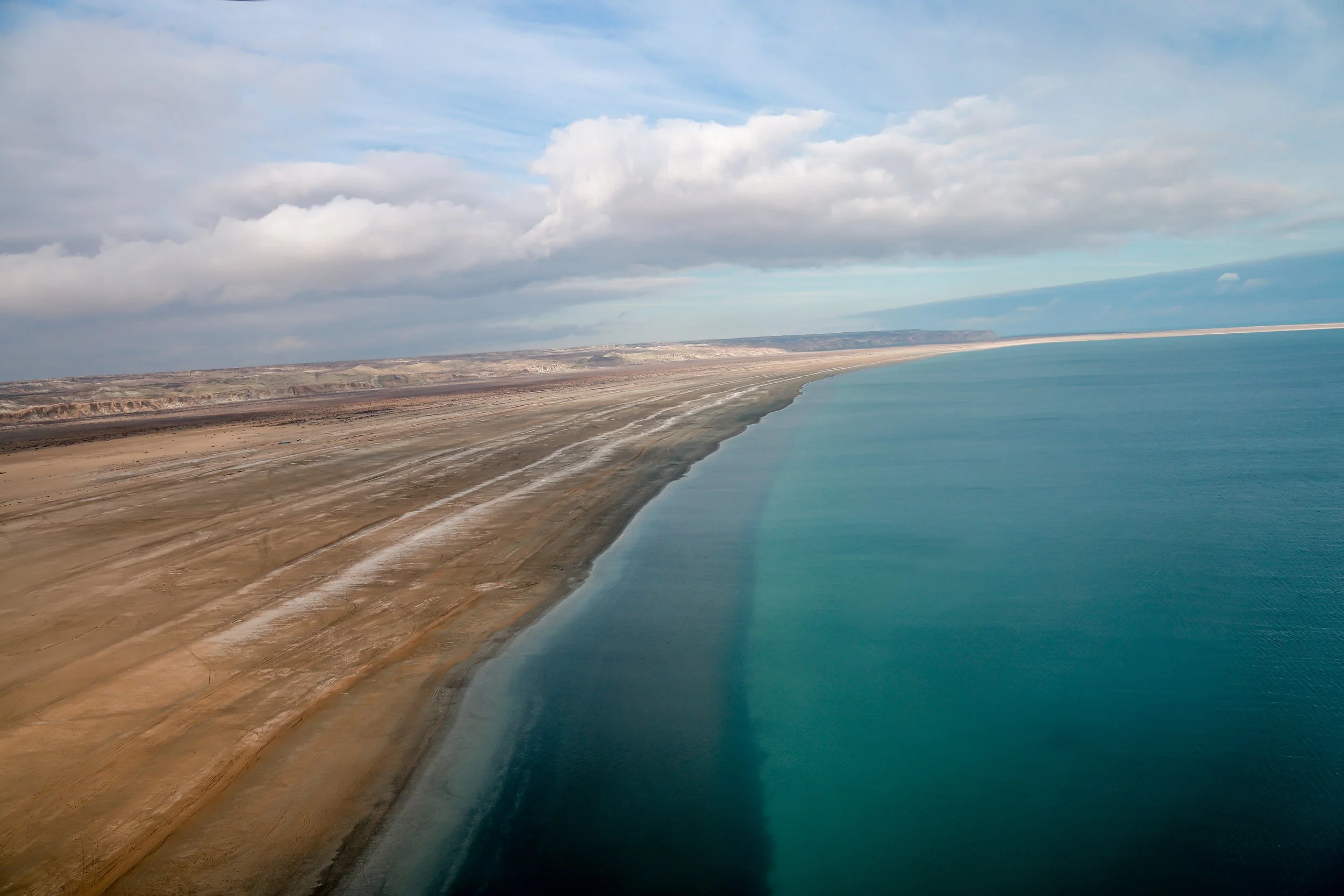
The race will be held on 3–4 October 2026 across the Ustyurt Plateau, finishing at the current shoreline of the Western Aral Sea. Participants can choose from 100 km, 50 km, 25 km, and 15 km trail-running distances.
What makes ARAL ULTRA truly unique is its ever-changing finish line. Each year, it will shift to follow the changing shoreline of the Aral Sea, serving as a powerful symbol of nature's fragility and a reminder of the importance of protecting our environment.
Please note: Event dates are subject to change. Before planning your trip, we recommend checking the organizers' official websites for the latest information.
Liked the article? Follow us on Instagram and Telegram for more practical tips!