Tashkent's UNESCO Triumph
In a landmark moment for Uzbekistan, UNESCO has officially inscribed "Modernist Architecture of Tashkent. Modernity and Traditions of Central Asia" on the World Heritage List. The decision was adopted during the 48th session of the UNESCO World Heritage Committee in Busan, Republic of Korea, recognizing ten of the capital's most significant modernist landmarks as a single cultural property.
This marks Uzbekistan's first new national World Heritage inscription in 25 years and makes it the first country in Central Asia and the CIS to receive UNESCO recognition for 20th-century modernist architecture. The inscription highlights a remarkable chapter in Tashkent's history, when architects reimagined the city after the devastating 1966 earthquake by combining international modernist ideas with the artistic traditions, craftsmanship, and climate-conscious design of Central Asia.
Rather than celebrating a single monument, the UNESCO inscription recognizes an entire architectural ensemble that reflects the vision, innovation, and cultural identity of a rapidly evolving city.
Photo courtesy of the Uzbekistan Art and Culture Development Foundation (ACDF)
Chorsu Market (1983–1990)

One of Tashkent's most recognizable landmarks, Chorsu Market is crowned by its enormous turquoise dome that has become an icon of the city skyline. Built on the site of one of Central Asia's oldest trading areas, the market combines modern engineering with the centuries-old tradition of the Silk Road bazaar. Today it remains one of the busiest places in the capital, where locals and visitors alike shop for spices, fresh produce, traditional bread, textiles, and handicrafts.
Palace of Friendship of Peoples (1977–1981)
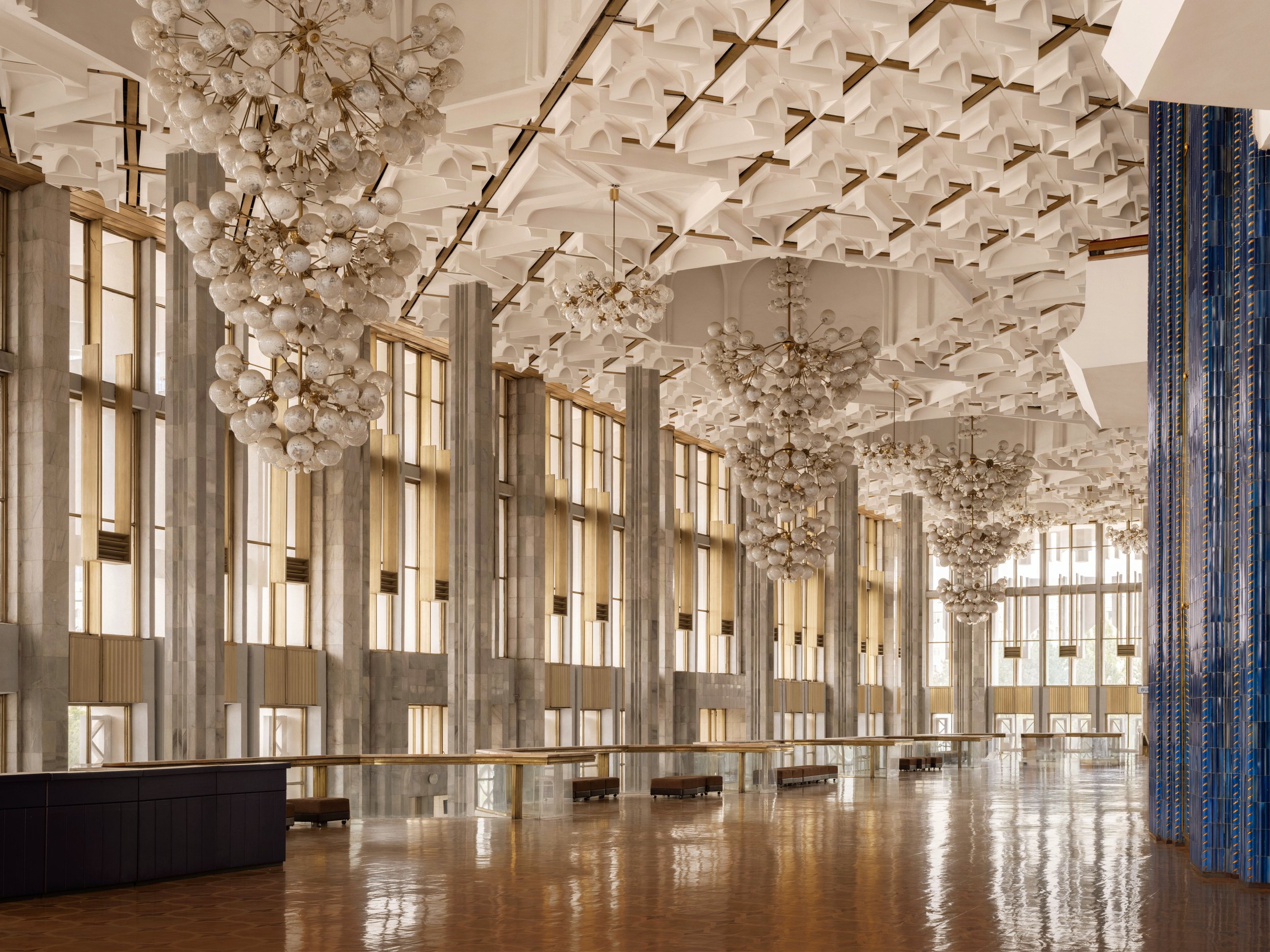
Constructed as one of the Soviet era's largest cultural venues, the Palace of Friendship of Peoples continues to serve as one of Uzbekistan's premier concert and event halls. Its monumental design is softened by decorative elements inspired by Uzbek craftsmanship, reflecting the dialogue between modern architecture and national artistic traditions that defines Tashkent Modernism.
State Museum of History of Uzbekistan (1968–1970)

Housing one of the country's richest historical collections, the State Museum of History is itself considered a masterpiece of modernist architecture. The building is distinguished by its geometric concrete forms and intricate façade, which filters sunlight while referencing traditional ornamental patterns. Together, the architecture and exhibitions tell the story of Uzbekistan from ancient civilizations to the present day.
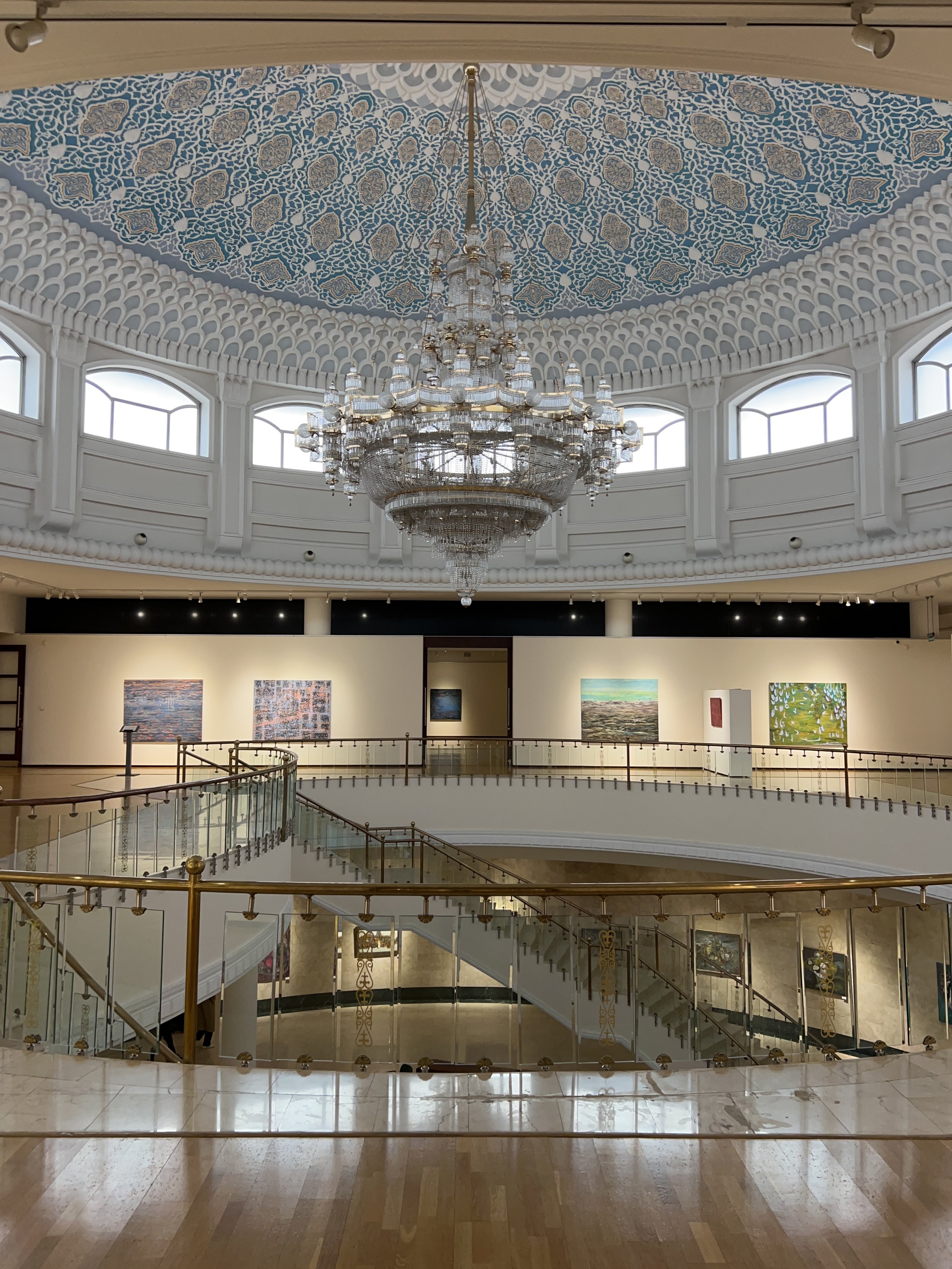
Central Exhibition Hall of the Academy of Arts (1972–1974)
Designed as a major exhibition space for contemporary art, the Central Exhibition Hall has hosted countless exhibitions by Uzbek and international artists. Its flexible galleries, spacious interiors, and striking façade make it one of the most important cultural venues in the country and a lasting symbol of Tashkent's creative life.
Tashkent State Circus (1965–1975)
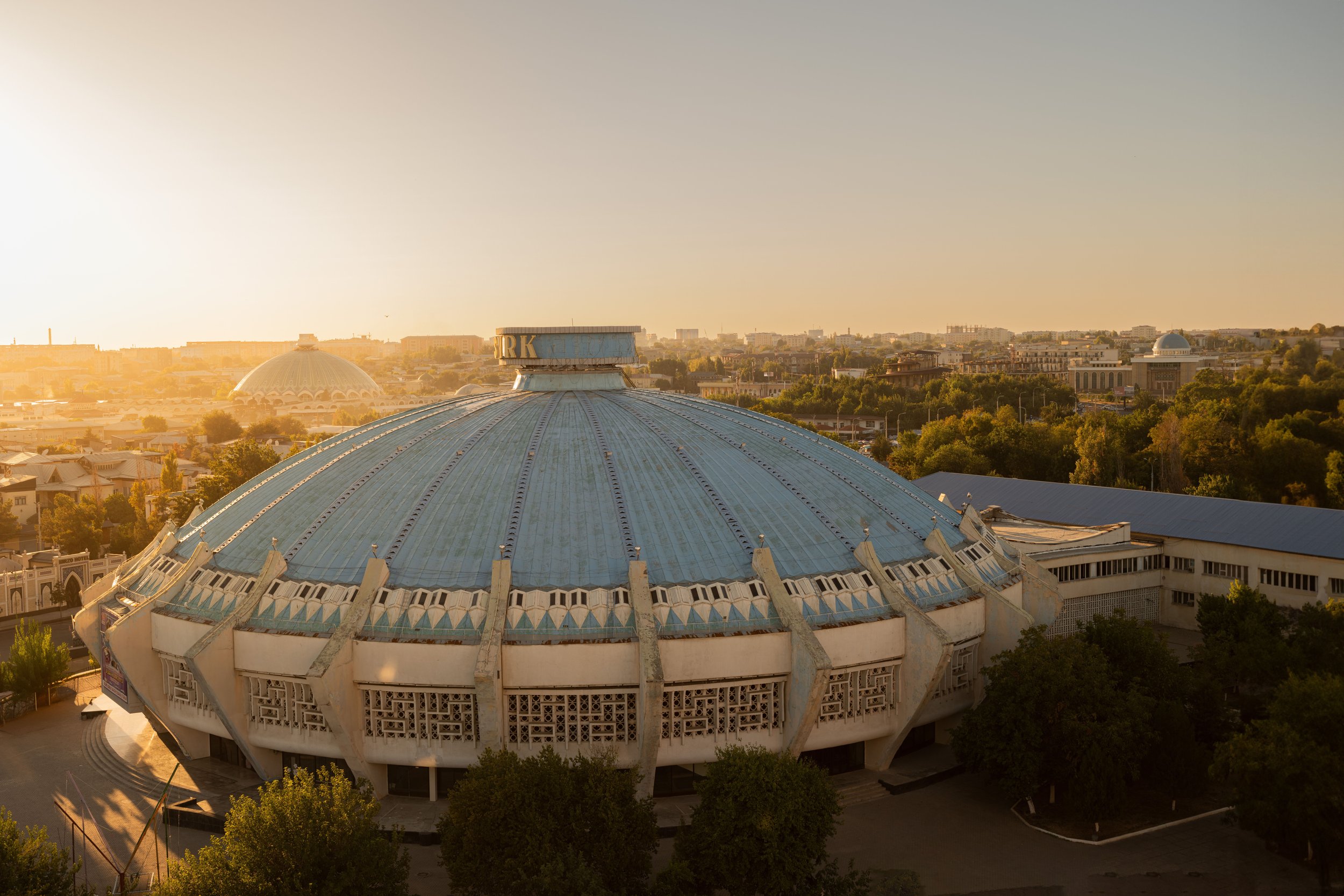
With its distinctive circular form and sweeping blue dome, the Tashkent State Circus is among the city's most recognizable architectural landmarks. Since opening in 1975, it has welcomed generations of audiences while remaining an important venue for circus arts and family entertainment. Its bold engineering and sculptural design embody the optimism of late twentieth-century architecture.
State Museum of Arts of Uzbekistan (1967–1974)
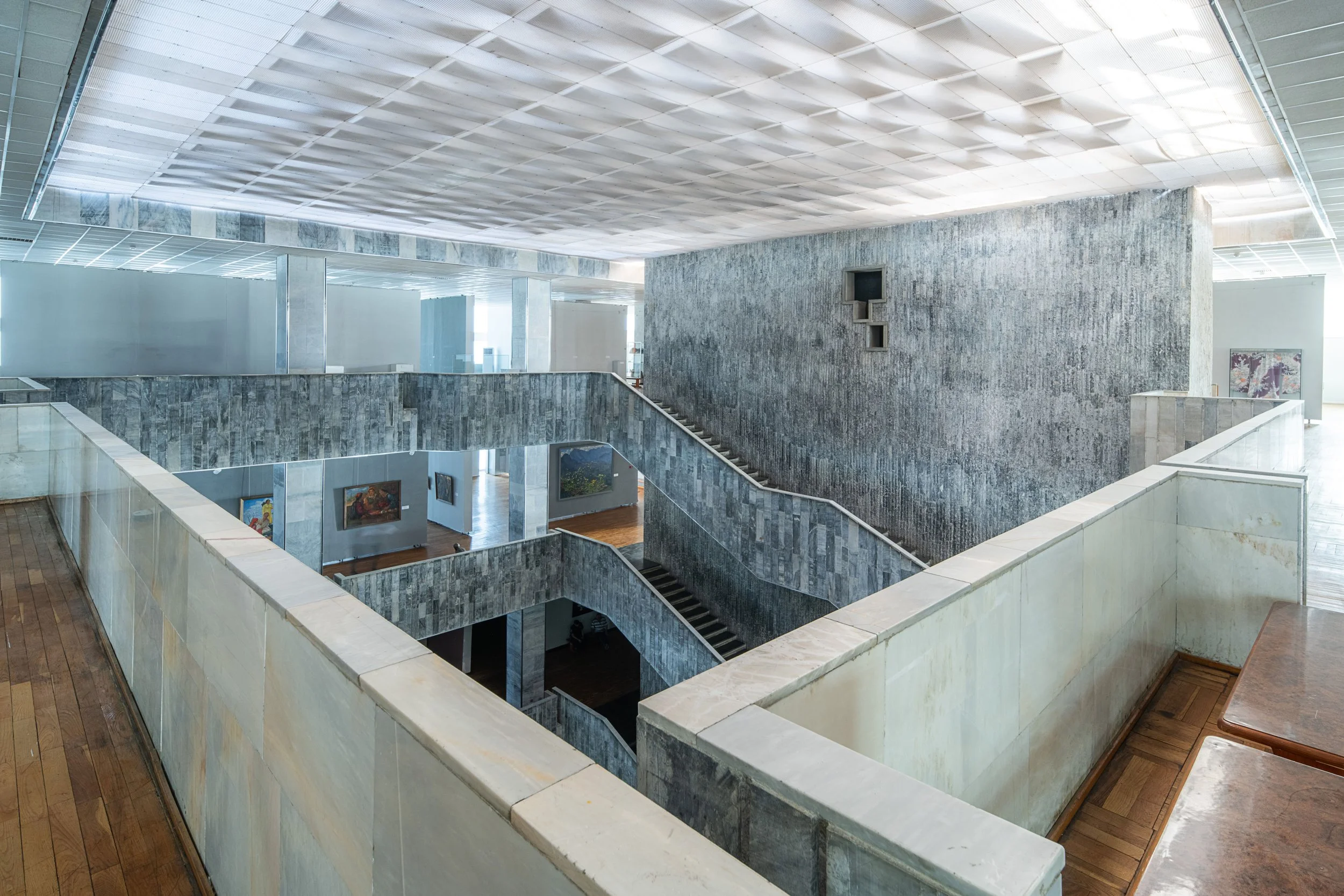
One of the country's leading museums, the State Museum of Arts houses an extensive collection ranging from ancient artifacts to contemporary works. The building itself is celebrated for its elegant proportions, carefully controlled natural lighting, and modernist interpretation of traditional architectural principles, making it a destination for both art and architecture enthusiasts.
Alisher Navoi Cinema Palace (1962–1964)

Originally built as the Alisher Navoi Cinema Palace, this landmark became a centerpiece of Tashkent's cultural life during the golden age of cinema. Its clean lines, generous public spaces, and monumental scale exemplify the confidence of early modernist architecture while continuing to represent an important chapter in Uzbekistan's cinematic history.
Zhemchug Residential Building (1985)

Known locally as the "Pearl," the Zhemchug Residential Building introduced an innovative approach to high-density urban housing. Its distinctive curved balconies and expressive silhouette stand apart from conventional apartment blocks, demonstrating how residential architecture in Tashkent embraced creativity alongside functionality.
Kosmonavtlar Metro Station (1982–1984)
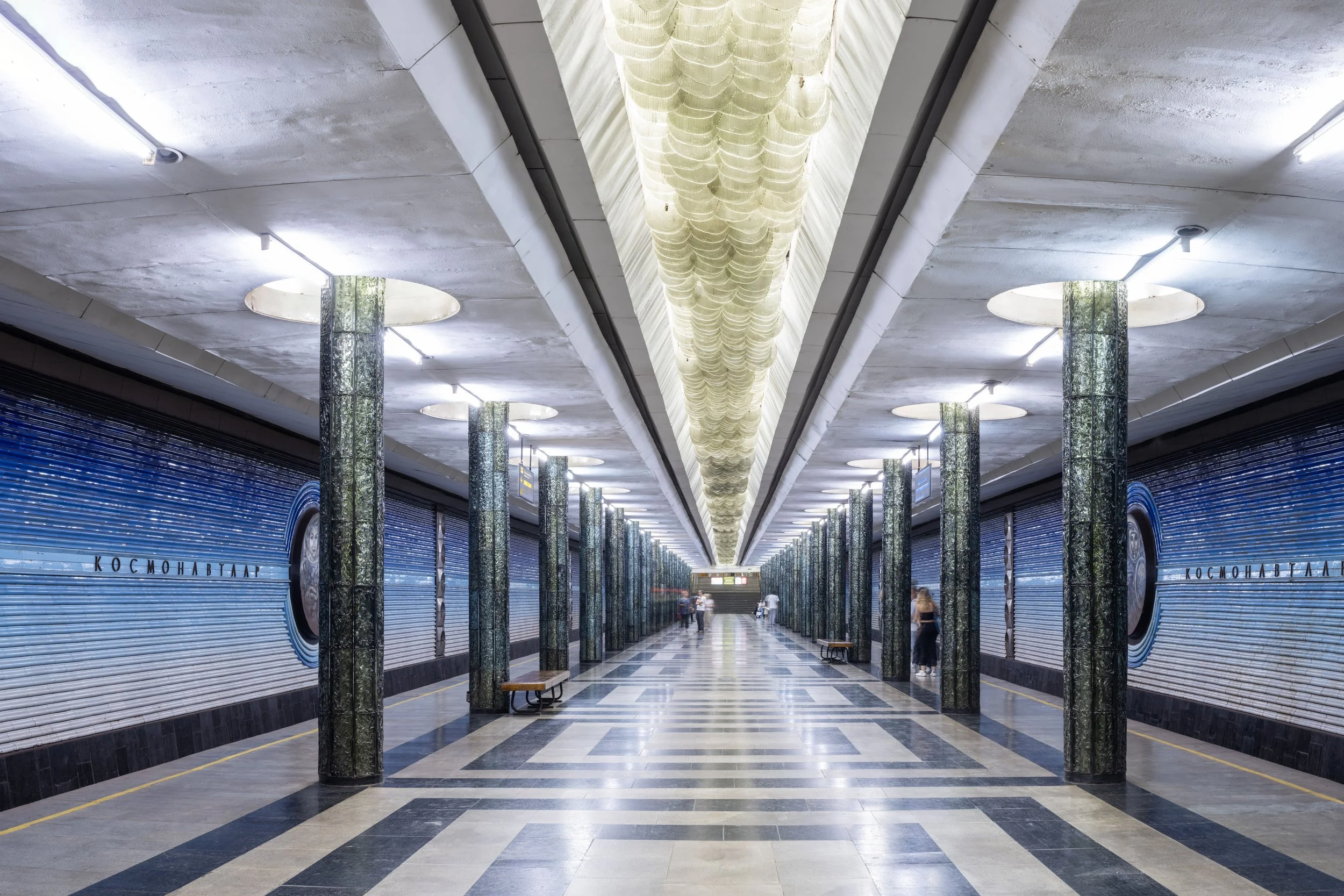
Frequently regarded as one of the most beautiful stations in the Tashkent Metro, Kosmonavtlar is dedicated to space exploration and Uzbekistan's contributions to science. Deep blue marble, illuminated glass, and portraits of pioneering cosmonauts create an atmosphere unlike any other station in the network, making it one of the city's most photographed underground landmarks.
Big Solar Furnace (1981–1987)

Located outside Tashkent, the Big Solar Furnace is one of the world's largest solar research facilities. Designed to concentrate sunlight into an immense focal point for scientific experimentation, the complex represents an extraordinary achievement in engineering as well as architecture. Its inclusion in the UNESCO inscription highlights that Tashkent Modernism extended beyond cultural institutions to embrace scientific innovation and technological progress.
A New Chapter for Uzbekistan's Architectural Heritage
The UNESCO inscription recognizes far more than individual buildings. Together, these ten landmarks illustrate how Tashkent developed a unique architectural language that blended modernist design with local materials, traditional craftsmanship, and regional identity.
For decades, these buildings have shaped the daily lives of residents while defining the visual character of Uzbekistan's capital. Their inclusion on the UNESCO World Heritage List ensures that this extraordinary legacy will be protected, studied, and celebrated for generations to come, placing Tashkent among the world's most significant destinations for modernist architecture.





Inspired to discover Tashkent's UNESCO-listed modernist landmarks? Follow us on Instagram and join our Telegram channel for more travel stories, cultural insights, and hidden gems from across Uzbekistan. Read more destination guides and plan your journey on our website.