The Museum of Women
In Tashkent, a new museum is creating space for stories that are often told quietly: the stories of women, their everyday lives, changing roles and the objects that have accompanied them across generations.
Text by Serova Kamila
Photo courtesy of Zanmakon
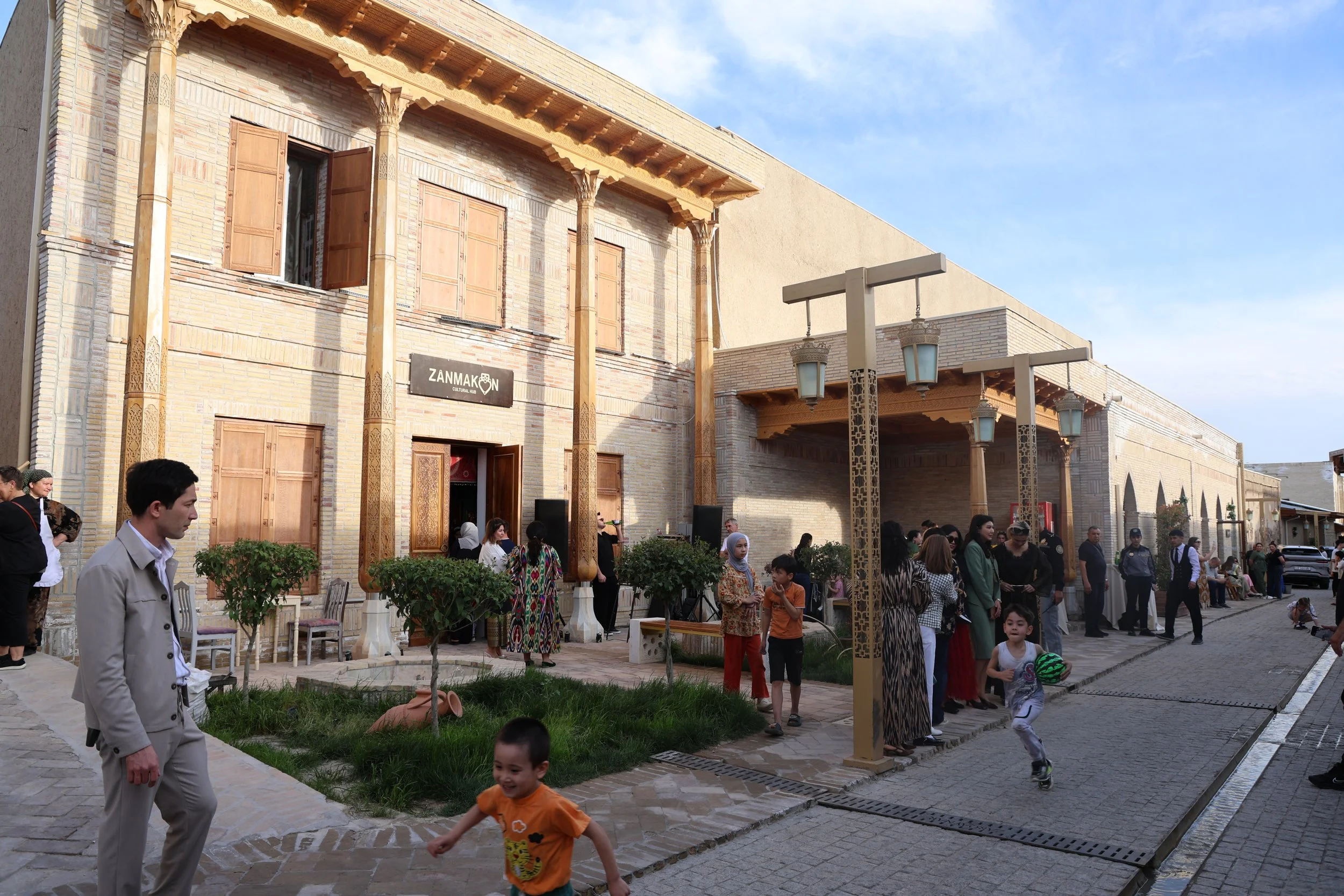
Located at the local store Zanmakon, near the Islamic Centre of Civilizations, the Museum of Women brings together personal belongings, historical objects and carefully curated exhibitions to explore more than a century of women’s experiences in Uzbekistan.
Rather than presenting one single image of womanhood, the museum looks at how women’s lives have changed across different periods and circumstances. Its story is about strength and flexibility, but also about the many roles women have carried throughout their lives.
125 Years Through Everyday Objects
The first exhibition covers approximately 125 years of women’s history, taking visitors through several distinct periods: the pre-revolutionary era, the years of the Second World War and the 1970s and 80s.
The chronological approach makes the changes particularly visible. Everyday life could look dramatically different within the space of just one or two generations. What women wore, how they spent their time, how they raised children, worked, learned and interacted with their families and communities all changed with the times.
Instead of relying only on dates and historical events, the museum tells this story through objects.
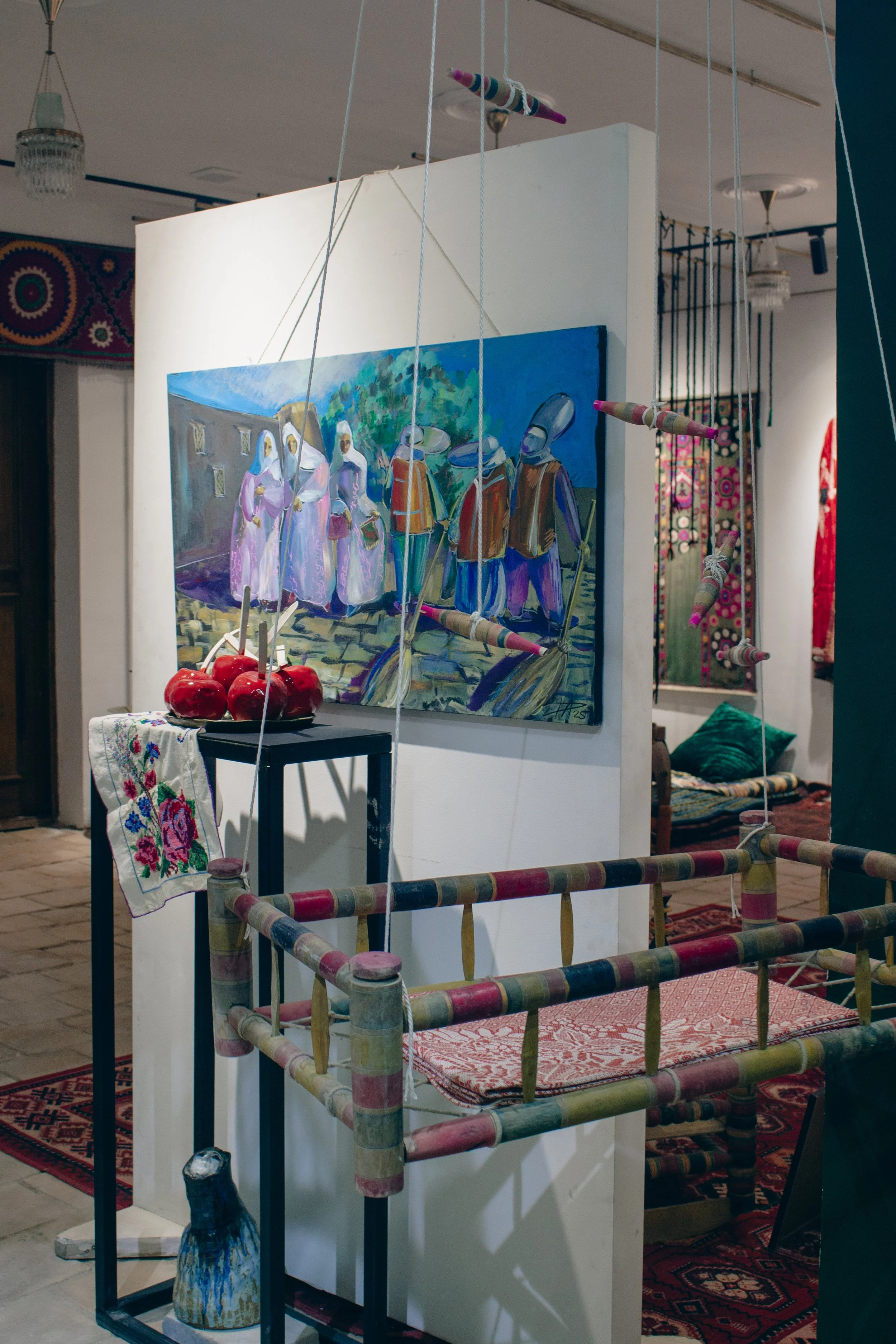
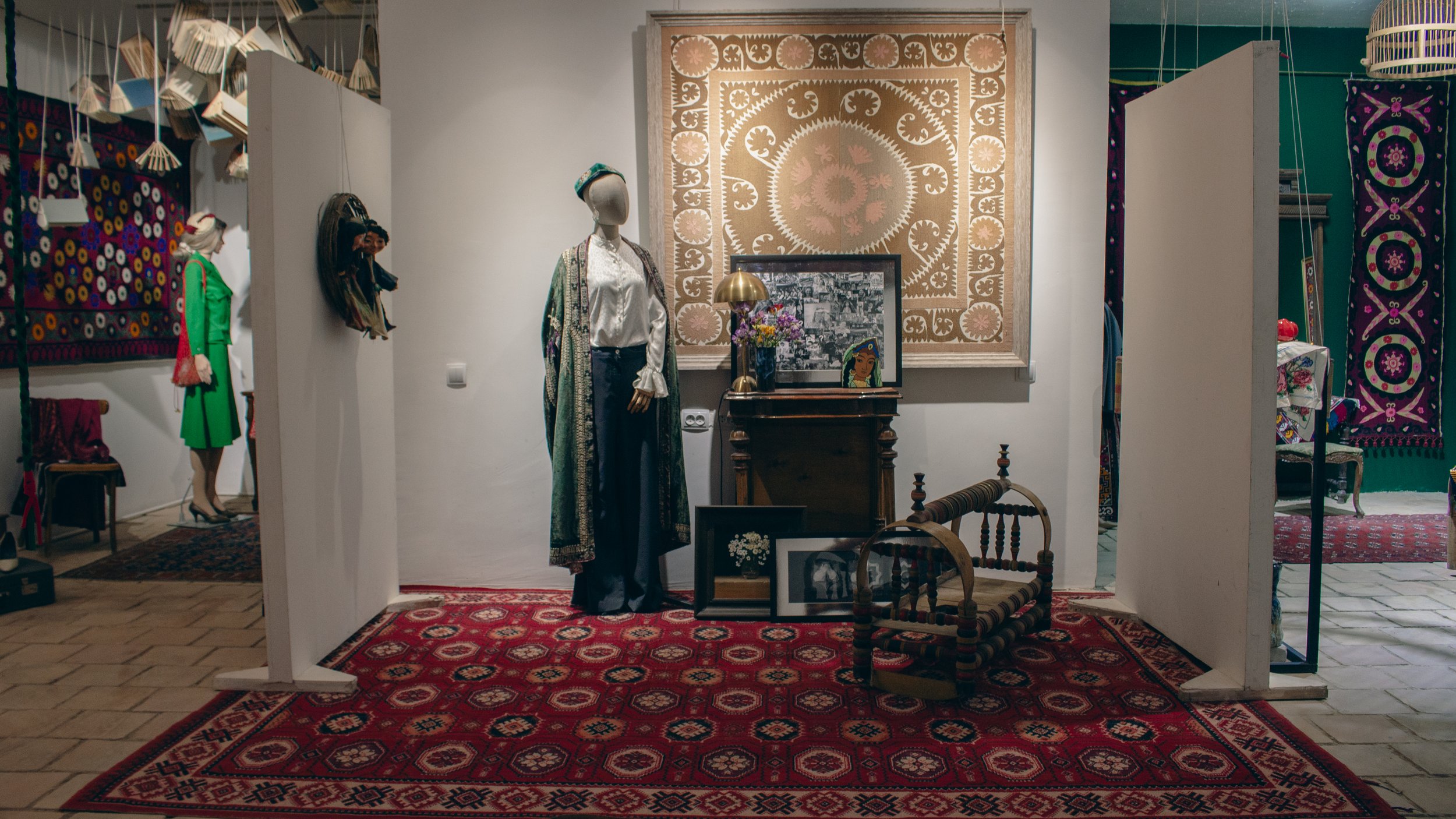
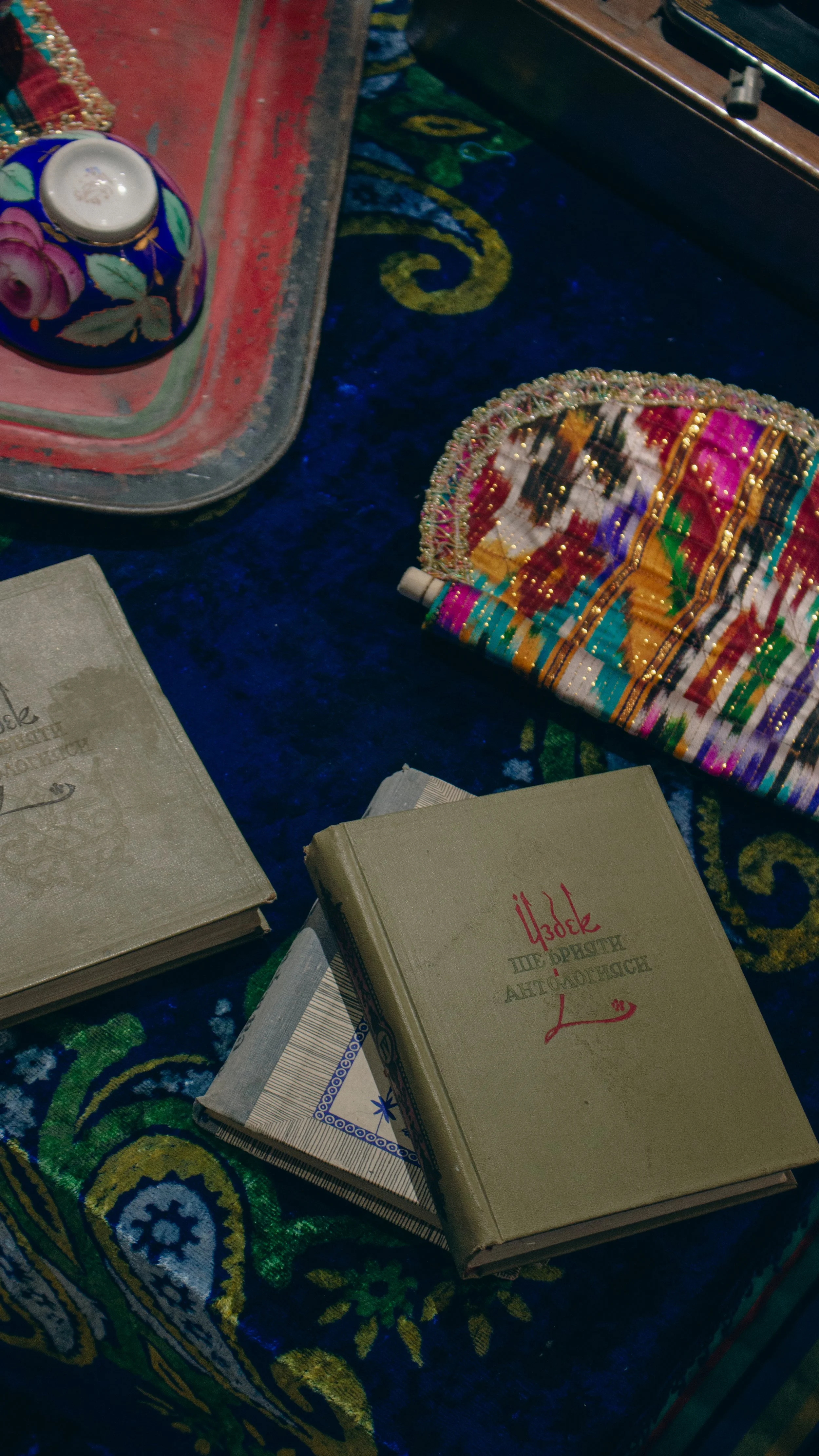
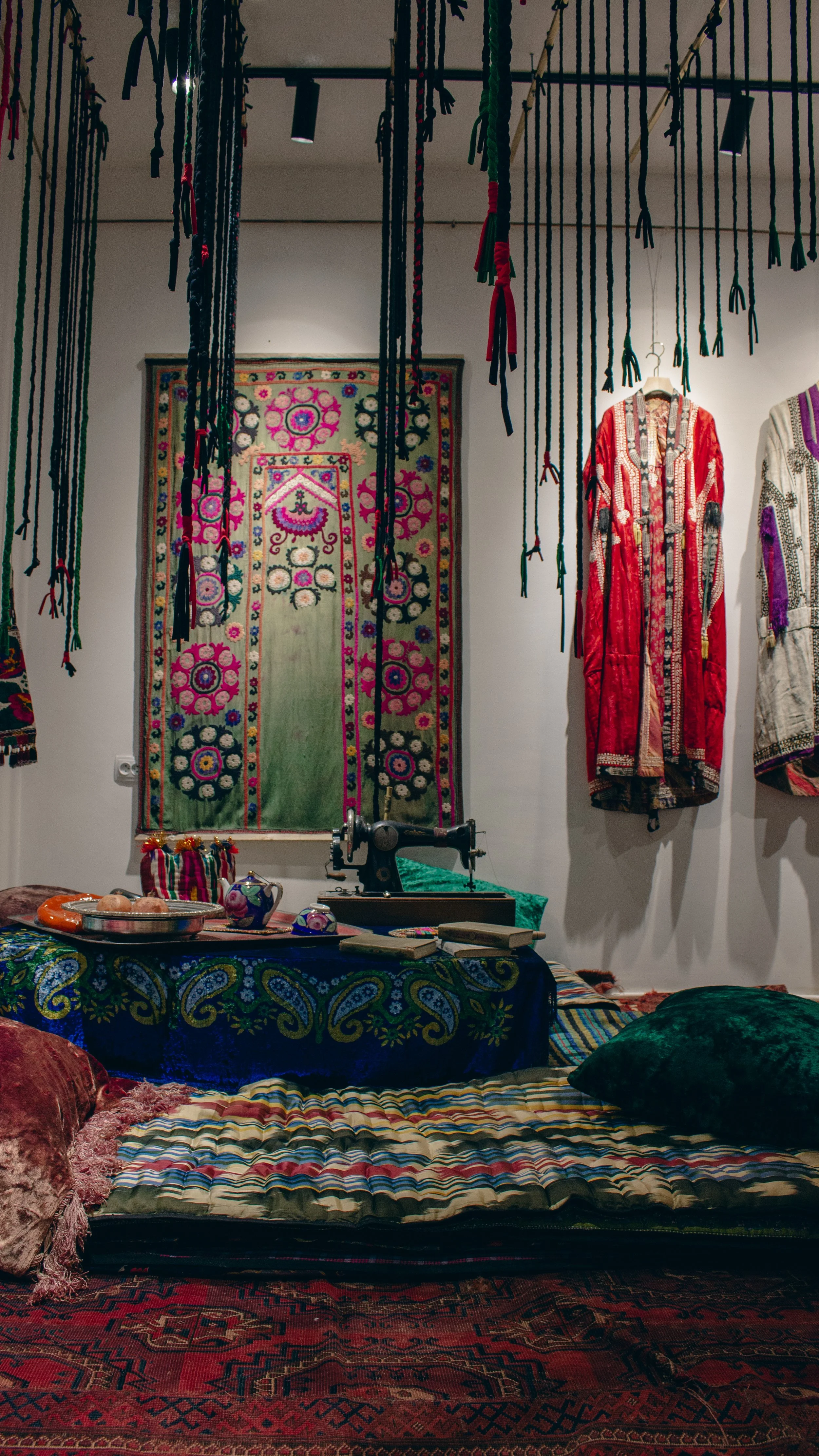
A beshik, used to cradle a baby, colourful kurpachas, a traditional dastarkhan and other household items help reconstruct the atmosphere of everyday life. Many of the objects have a personal connection to the museum itself. Some belonged to the great-grandmothers of its founders, their families and acquaintances, while others were selected because their histories could be traced and verified.
This personal connection gives the exhibition a different character. These are not simply anonymous objects from the past. They once belonged to real people and were part of their homes, routines and memories.
History in the Details
One of the most distinctive visual elements of the exhibition is a collection of black braids suspended above the display.
The image is simple but immediately recognisable, connecting the historical exhibition with a detail that remains familiar in Uzbek life today.
Throughout the museum, small details work in much the same way. Household objects, textiles and personal belongings become clues to a larger story about the women who used them.
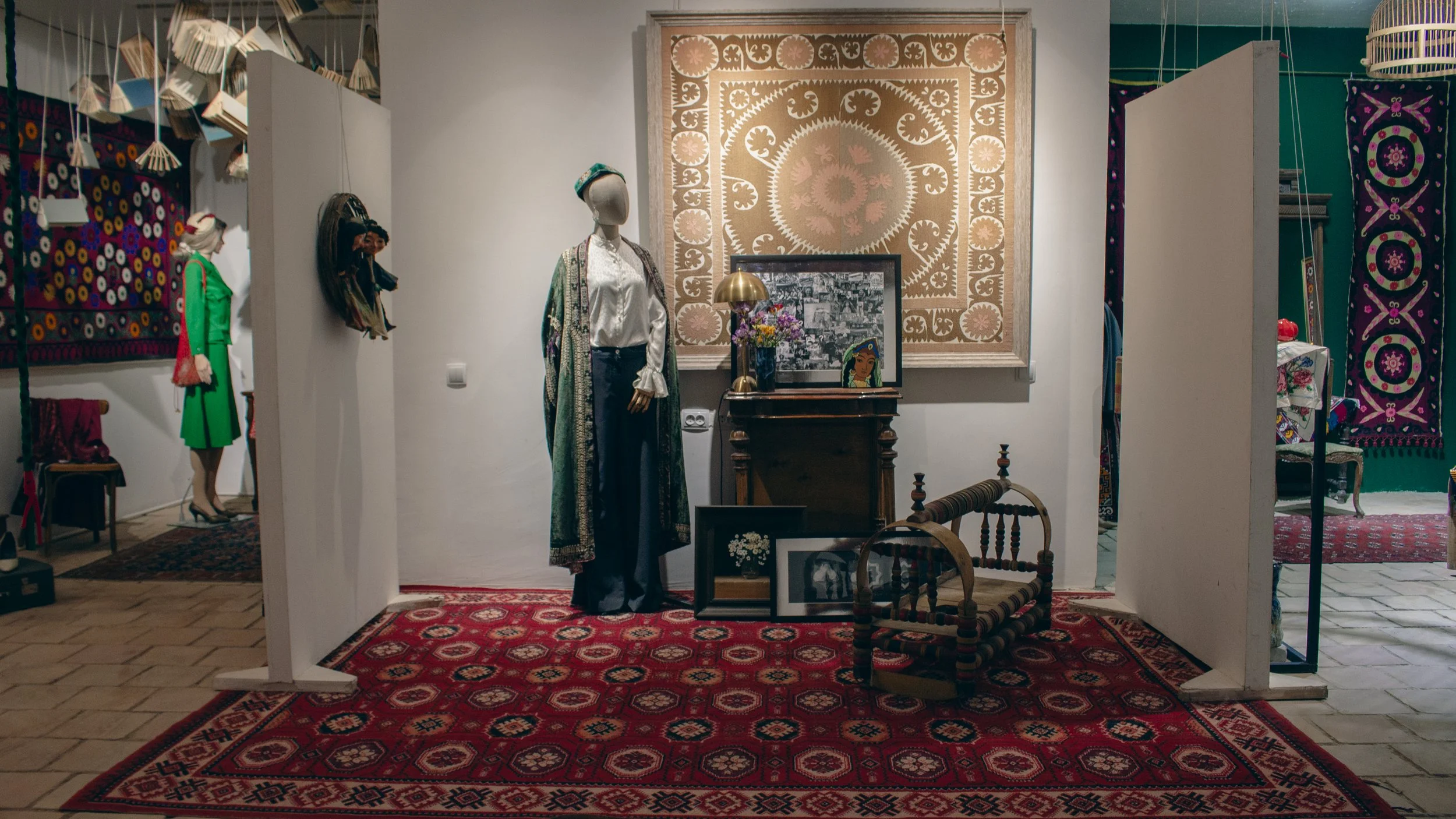
The museum encourages visitors to look beyond the object itself and consider what it tells us about the person, family or period it came from.
From Tradition to Transformation
The exhibition does not attempt to present women’s history as a single, linear story.
Instead, it shows how women have continually adapted to changing circumstances. The transition between the different historical periods is particularly striking. The traditional domestic environment presented in the earlier section gives way to the realities of the Second World War, when social conditions and responsibilities changed considerably.
Later, the sections dedicated to the 1970s and 80s reveal another transformation in everyday life.
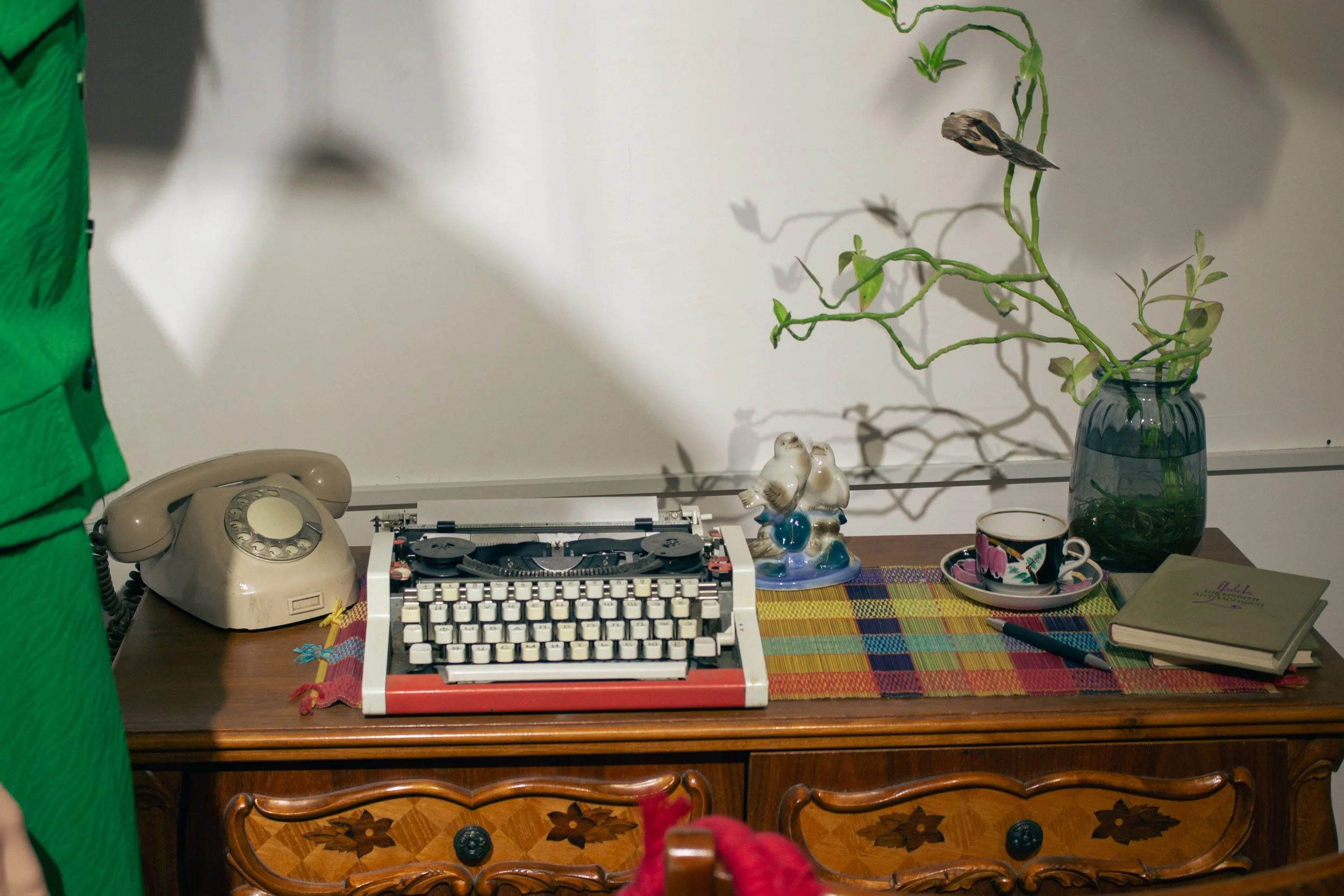
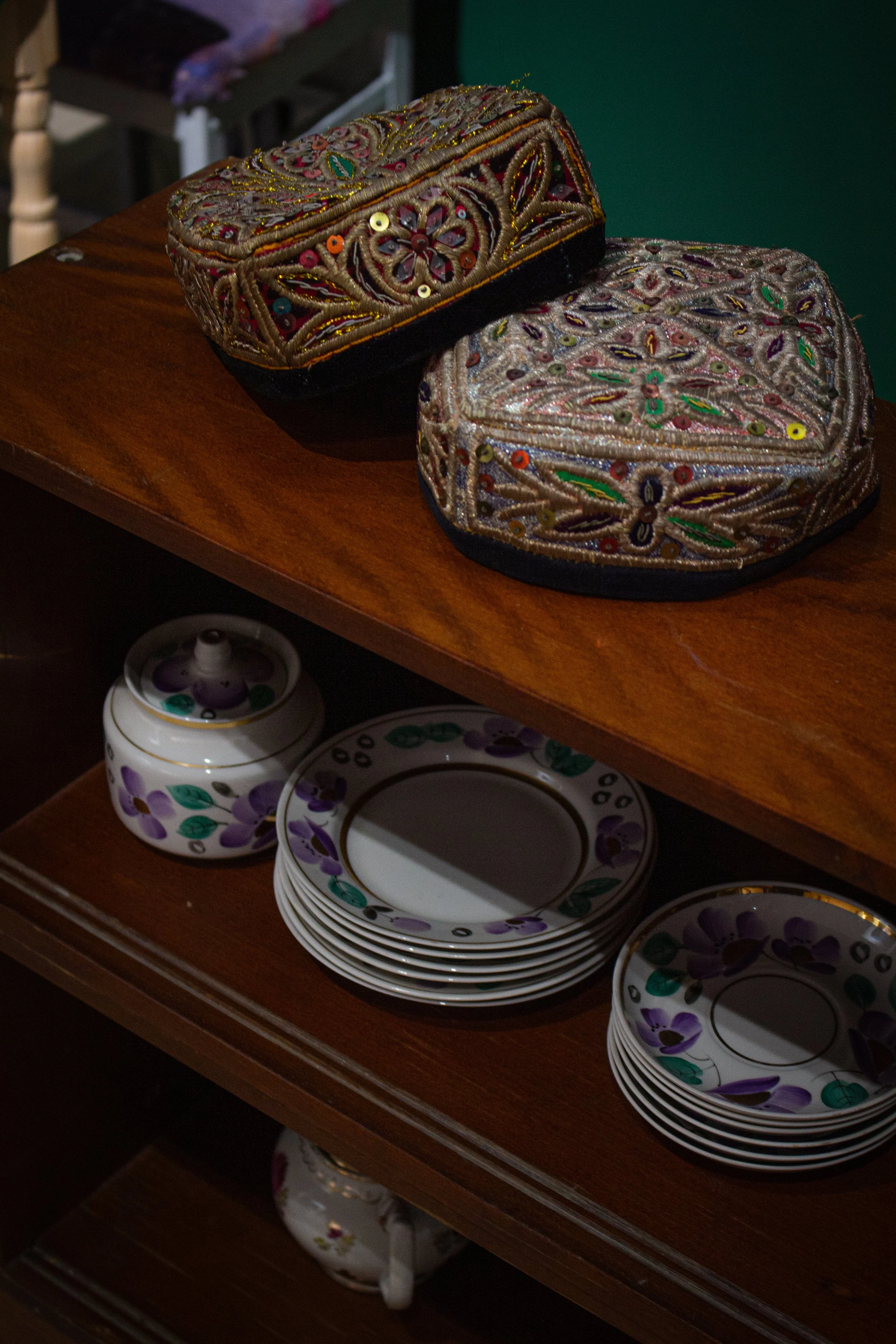
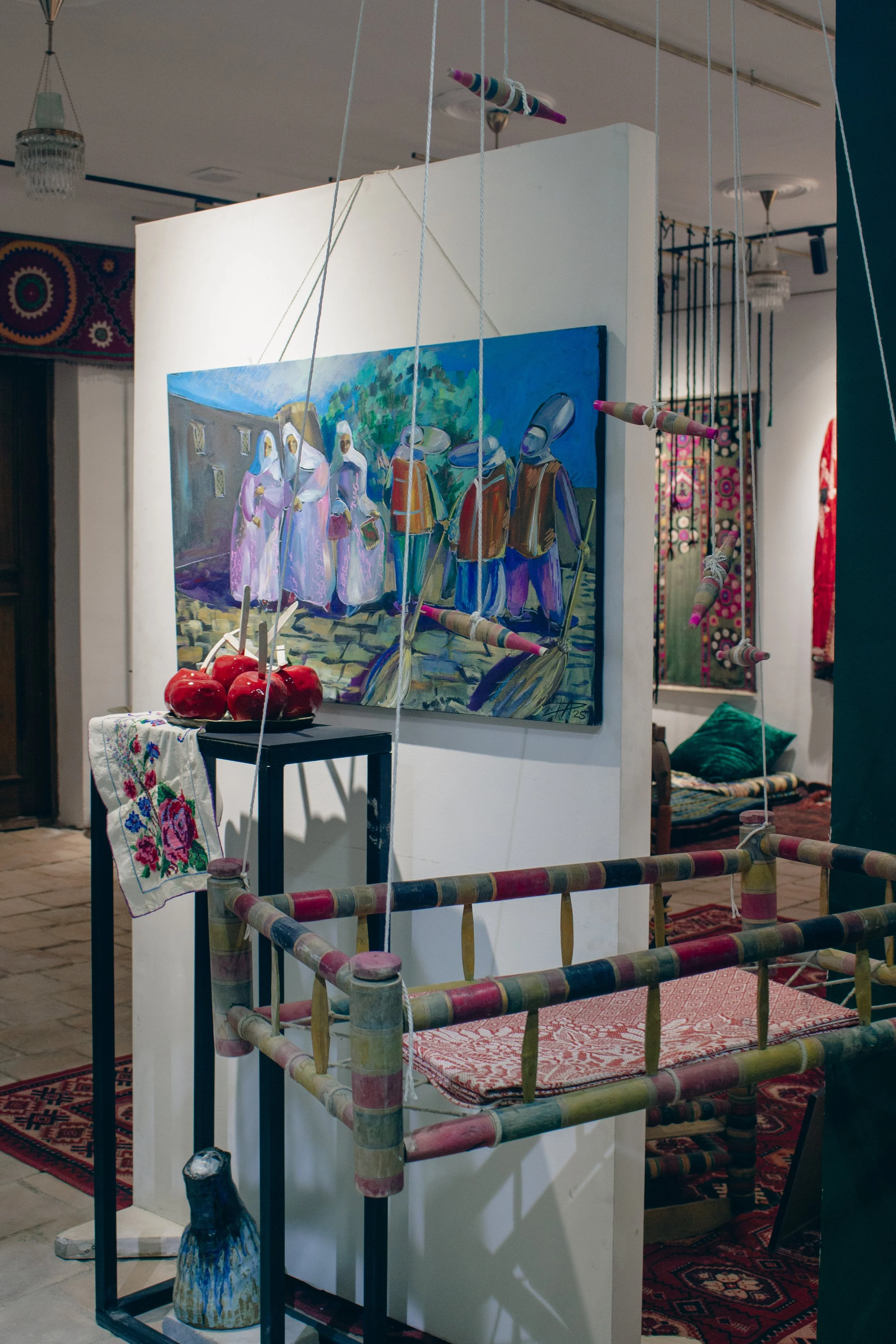
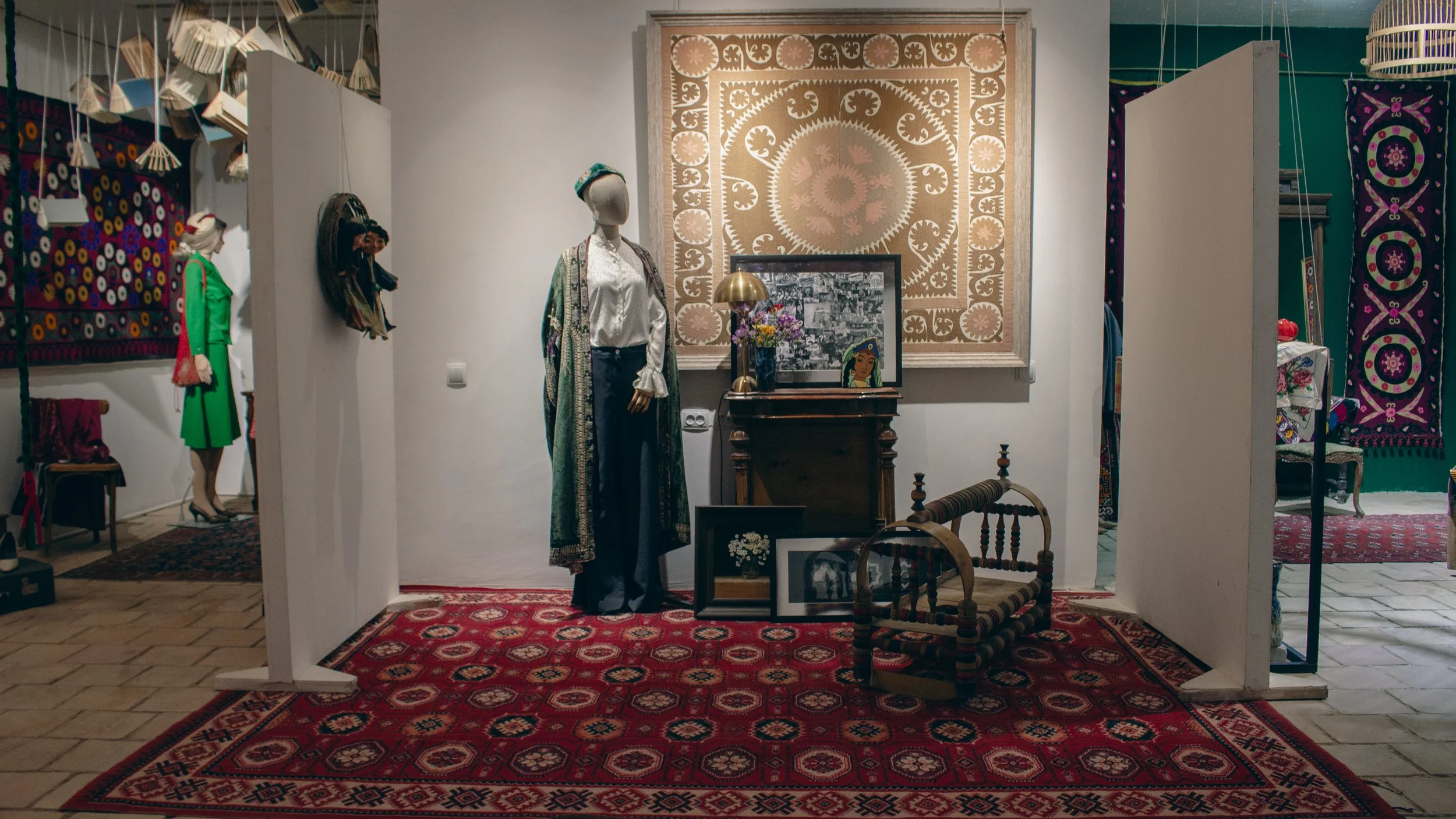
Seen together, these periods demonstrate that ideas about women’s roles are never completely fixed. They are shaped by history, economics, family structures, education, social expectations and individual choices.
This is one of the central ideas behind the museum: a woman cannot be reduced to a single role.
She may be a daughter, mother, wife, professional, student, caregiver or artist. Often, she is several of these at once.
A Conversation, Not Just an Exhibition
One of the advantages of visiting the Museum of Women is that the experience does not have to stop at reading the labels.
Curators are available in the space to talk with visitors, explain the exhibitions and share additional stories about the objects. For those who are curious about a particular item or historical period, this creates an opportunity to ask questions and hear context that may not be immediately visible in the exhibition.
It is worth taking your time here. Look closely at the objects, ask about their origins and allow yourself to move between the personal and the historical.
The museum works best as a conversation between generations rather than simply a collection of things from the past.
A Contemporary Perspective
The conversation around women’s identity also continues beyond the museum’s historical exhibitions.
One recent example is Qimmat, an exhibition by artist Rimma Gazalieva, which revisited the familiar Uzbek fairy tale of Zumrad and Qimmat from a contemporary perspective.
Rather than treating Qimmat simply as the “bad” character, Gazalieva explored ideas of female identity, self-worth and the freedom to choose oneself.
The artist expressed these ideas through porcelain sculptures, creating female figures who can be strong and vulnerable, caring and independent at the same time.
The choice of porcelain carries its own symbolism. A material often associated with fragility must pass through fire before it becomes strong and durable, offering a fitting metaphor for resilience and inner strength.
Placed alongside the broader conversation of the Museum of Women, the exhibition suggests that the way women are represented continues to evolve. Familiar stories can be reconsidered, and inherited ideas can be viewed from new perspectives.
A Different Way to Experience History
The Museum of Women is ultimately less about creating one definition of womanhood and more about showing its many forms.
Its strength lies in the combination of historical context and personal memory. A beshik can tell us about motherhood. A family textile can reveal something about domestic life. A collection of personal objects can make a distant period suddenly feel close.
For visitors to Tashkent, the museum offers an opportunity to encounter Uzbekistan’s history through a different lens: not only through monuments, rulers and major events, but through the everyday lives of the people who experienced those periods.
And perhaps that is what makes the museum worth visiting. The objects may belong to the past, but many of the questions they raise remain very much part of the present.
The Museum of Women is located at Zanmakon, near the Islamic Centre of Civilizations in Tashkent. Curators are available to guide visitors through the exhibitions and share the stories behind the objects.
Location: Zanmakon Tashkent, Zarqaynar Street, 48, Chorsu metro station